
 EN
EN

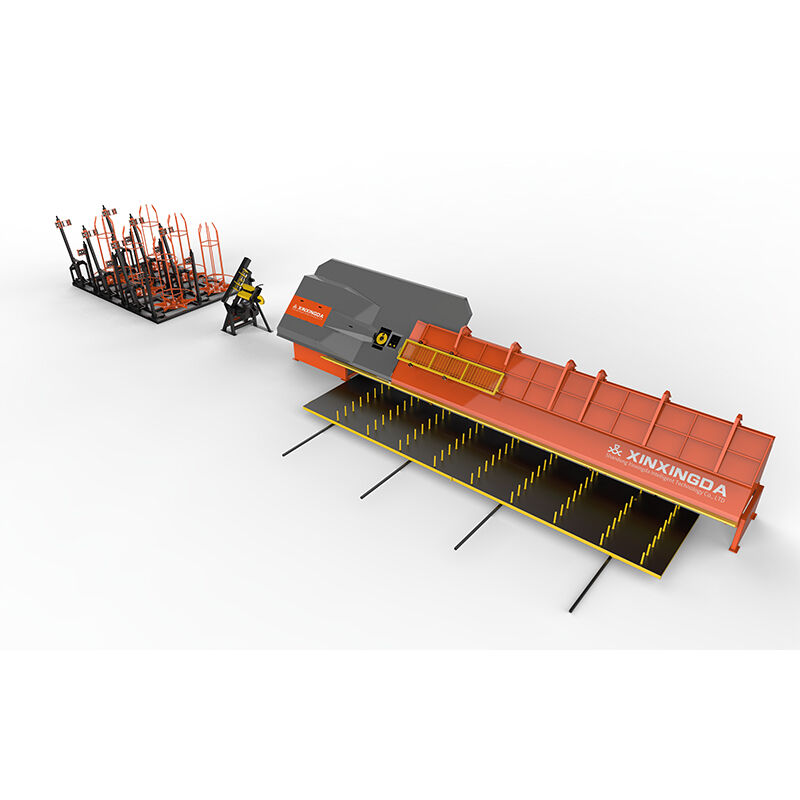
Proper installation and maintenance of electrical conduit bending equipment are critical factors that determine operational efficiency, equipment longevity, and workplace safety in electrical construction projects. These specialized machines require systematic approaches to setup, calibration, and ongoing care to maintain their precision and reliability. Understanding the fundamental best practices ensures that your electrical conduit bending equipment delivers consistent performance while minimizing downtime and repair costs throughout its operational life.
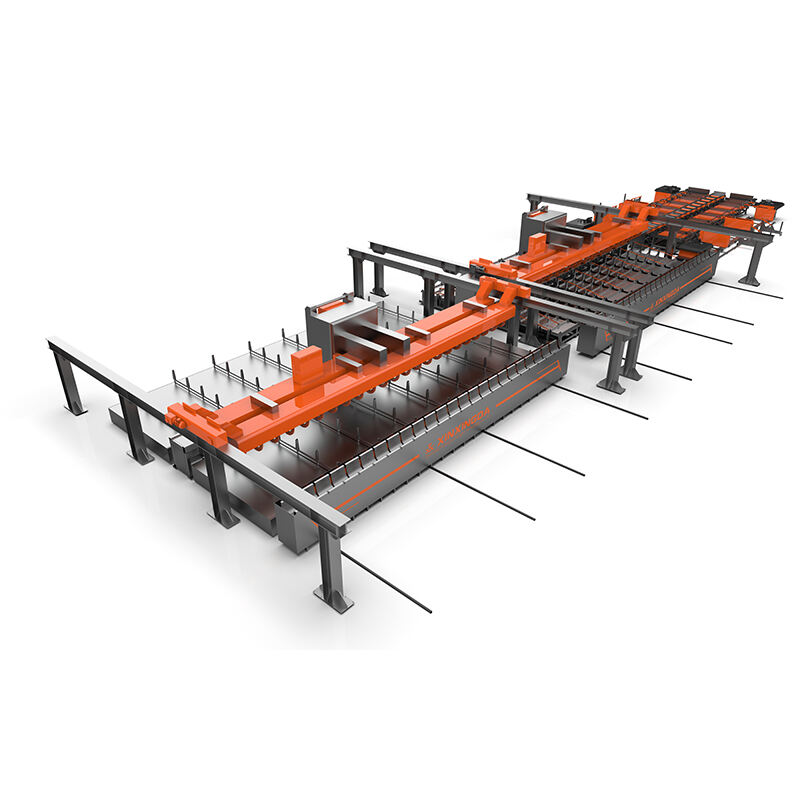
The significance of following established protocols for electrical conduit bending equipment extends beyond basic operational requirements. Proper practices directly impact bend accuracy, material waste reduction, worker safety, and compliance with electrical codes. When installation and maintenance procedures are executed correctly, these machines can operate for decades with minimal performance degradation, making them valuable long-term investments for electrical contractors and manufacturing facilities.
Essential Installation Requirements for Electrical Conduit Bending Equipment
Site Preparation and Foundation Specifications
The foundation for electrical conduit bending equipment must provide adequate support to handle the substantial forces generated during bending operations. Concrete foundations should be poured to manufacturer specifications, typically requiring a minimum thickness of six inches with proper reinforcement. The foundation must be level within 0.002 inches per foot to ensure accurate bends and prevent premature wear on machine components. Proper drainage around the foundation prevents water accumulation that could lead to corrosion or electrical hazards.
Floor space allocation requires careful consideration of material handling requirements and operator safety zones. The installation area should provide sufficient clearance for loading conduit materials, positioning finished pieces, and allowing safe operator movement during all phases of operation. Overhead clearance must accommodate the full extension of hydraulic arms and any lifting equipment used for material handling. Most electrical conduit bending equipment requires a minimum ceiling height of twelve feet for unrestricted operation.
Electrical Power and Control System Setup
Power supply requirements for electrical conduit bending equipment vary significantly based on machine size and capabilities. Three-phase power connections are standard for most industrial units, requiring proper voltage matching and phase balance verification before initial startup. Electrical panels should include appropriate circuit protection, emergency stop capabilities, and ground fault protection systems. All electrical connections must comply with local electrical codes and manufacturer specifications to ensure safe operation and warranty compliance.
Control system installation involves connecting programmable logic controllers, human-machine interfaces, and safety interlocks according to detailed wiring diagrams provided by the manufacturer. Each connection point should be verified for proper voltage levels, signal integrity, and protective grounding before energizing the system. Documentation of all electrical connections facilitates future troubleshooting and maintenance activities while ensuring compliance with industrial safety standards.
Hydraulic System Installation and Commissioning Procedures
Hydraulic Power Unit Configuration
The hydraulic power unit serves as the heart of most electrical conduit bending equipment, requiring precise installation and initial commissioning procedures. Hydraulic reservoirs must be positioned to facilitate easy access for maintenance while maintaining proper oil levels during all operating positions. Filtration systems should be installed according to manufacturer specifications, with particular attention to filter element orientation and bypass valve settings that protect the system during cold startup conditions.
Initial hydraulic fluid selection plays a crucial role in long-term system performance and component life. The recommended hydraulic oil grade must match operating temperature ranges, viscosity requirements, and compatibility with system seals and components. Contamination control during initial fill procedures prevents premature component wear and maintains system reliability throughout the equipment's operational life.
Pressure Testing and System Verification
Comprehensive pressure testing validates the integrity of hydraulic connections and ensures safe operating pressures throughout the entire system. Testing should be conducted at 150% of maximum operating pressure while monitoring all connections, hoses, and fittings for signs of leakage or deformation. Each hydraulic cylinder and valve assembly must be cycled through its full range of motion to verify proper operation and identify any potential issues before regular production begins.
System calibration involves setting pressure relief valves, flow control valves, and sequence valves to manufacturer specifications. These settings directly impact bending accuracy, cycle times, and component longevity. Pressure gauges should be calibrated using certified test equipment to ensure accurate readings throughout the equipment's operational range. Documentation of all calibration settings provides a baseline for future adjustments and troubleshooting activities.
Preventive Maintenance Strategies for Optimal Performance
Daily Inspection and Lubrication Protocols
Daily maintenance routines form the foundation of effective preventive care for electrical conduit bending equipment. Visual inspections should focus on hydraulic fluid levels, unusual noises, vibrations, or changes in cycle times that might indicate developing problems. Lubrication points require daily attention according to manufacturer specifications, with particular emphasis on pivot points, slide ways, and rotating assemblies that experience continuous wear during operation.
Documentation of daily inspection findings provides valuable trending information that helps predict component replacement needs and optimize maintenance scheduling. Simple checklists ensure consistency among different operators while creating accountability for equipment care. Any abnormal conditions discovered during daily inspections should trigger immediate investigation to prevent minor issues from developing into major failures.
Scheduled Component Replacement and Overhaul Procedures
Scheduled maintenance intervals for electrical conduit bending equipment must align with manufacturer recommendations and actual usage patterns. Hydraulic filters typically require replacement every 500 to 1000 operating hours, depending on contamination levels and operating conditions. Hydraulic fluid analysis programs help optimize change intervals while identifying potential component wear before failure occurs.
Major overhaul procedures should be scheduled based on operating hours, production volume, or specific performance indicators rather than arbitrary time intervals. These comprehensive maintenance events involve detailed inspection of wear components, replacement of seals and gaskets, and recalibration of control systems. Professional service technicians often perform major overhauls to ensure proper procedures and maintain warranty coverage.
Safety Considerations and Operational Best Practices
Operator Training and Certification Requirements
Comprehensive operator training programs ensure safe and efficient operation of electrical conduit bending equipment while maximizing productivity and minimizing accidents. Training should cover machine operation, safety procedures, basic troubleshooting, and emergency shutdown procedures. Operators must understand the relationship between material properties, bend radii, and machine settings to produce accurate bends while avoiding material damage or equipment overload.
Certification programs validate operator competency and provide documentation for insurance and regulatory compliance purposes. Regular refresher training keeps operators current with best practices and introduces new techniques or safety procedures. Written documentation of training completion protects employers from liability while ensuring consistent operational standards across all shifts and personnel.
Emergency Procedures and Safety Equipment
Emergency stop systems must be easily accessible from all operator positions and clearly marked for immediate identification during crisis situations. Regular testing of emergency stop functions ensures reliable operation when needed most. Backup power systems or manual release mechanisms provide safe equipment shutdown capabilities during power failures or other emergency conditions.
Personal protective equipment requirements vary based on specific equipment designs and operating conditions. Safety glasses, steel-toed boots, and hearing protection are standard requirements for most electrical conduit bending equipment operations. Lockout-tagout procedures must be established and enforced for all maintenance activities to prevent accidental equipment startup during service work.
Troubleshooting and Performance Optimization Techniques
Common Issues and Diagnostic Approaches
Systematic troubleshooting approaches help identify and resolve common problems with electrical conduit bending equipment before they impact production schedules. Hydraulic system issues often manifest as slow cycle times, inconsistent bending forces, or unusual noises that indicate air contamination or component wear. Pressure testing and fluid analysis provide objective data for diagnosing hydraulic problems and determining appropriate corrective actions.
Electrical system problems typically involve control circuit malfunctions, sensor failures, or power supply issues that affect machine operation. Systematic voltage and signal testing helps isolate specific components or circuits that require attention. Understanding normal operating parameters enables quick identification of abnormal conditions that require immediate investigation or corrective action.
Performance Monitoring and Continuous Improvement
Performance monitoring systems track key metrics such as cycle times, energy consumption, and product quality to identify optimization opportunities for electrical conduit bending equipment. Data collection should focus on trends rather than individual measurements to provide meaningful insights into equipment performance and maintenance needs. Regular analysis of performance data helps justify equipment upgrades, maintenance investments, or operational changes that improve overall efficiency.
Continuous improvement programs encourage operator feedback and suggestions for enhancing equipment performance or reducing maintenance requirements. Small modifications to operating procedures or maintenance practices often yield significant improvements in productivity or equipment reliability. Documentation of successful improvements enables implementation across multiple machines or facilities for maximum benefit.
FAQ
How often should hydraulic fluid be changed in electrical conduit bending equipment?
Hydraulic fluid change intervals typically range from 1000 to 2000 operating hours, depending on operating conditions and contamination levels. Regular fluid analysis programs help optimize change intervals by monitoring viscosity, contamination levels, and additive depletion. Severe operating conditions such as high temperatures or dusty environments may require more frequent fluid changes to maintain optimal performance.
What are the most critical safety features required for electrical conduit bending equipment?
Essential safety features include emergency stop systems, light curtains or pressure-sensitive mats, lockout-tagout capabilities, and proper guarding around pinch points. Two-hand control systems prevent accidental activation during material loading or positioning. Regular testing and maintenance of all safety systems ensures reliable protection for operators and maintenance personnel.
How can operators identify when electrical conduit bending equipment requires professional service?
Key indicators include unusual noises, vibrations, or changes in cycle times that persist despite basic troubleshooting efforts. Hydraulic leaks, erratic bending results, or control system malfunctions typically require professional diagnosis and repair. Operators should maintain detailed logs of equipment performance to identify trends that indicate developing problems requiring expert attention.
What environmental factors can affect the performance of electrical conduit bending equipment?
Temperature extremes can significantly impact hydraulic fluid viscosity and component performance, requiring environmental controls in extreme climates. Dust and contamination affect filtration systems and component wear rates, necessitating more frequent maintenance in harsh environments. Humidity levels influence electrical components and may require dehumidification systems in high-moisture environments to prevent corrosion and electrical failures.
Table of Contents
- Essential Installation Requirements for Electrical Conduit Bending Equipment
- Hydraulic System Installation and Commissioning Procedures
- Preventive Maintenance Strategies for Optimal Performance
- Safety Considerations and Operational Best Practices
- Troubleshooting and Performance Optimization Techniques
-
FAQ
- How often should hydraulic fluid be changed in electrical conduit bending equipment?
- What are the most critical safety features required for electrical conduit bending equipment?
- How can operators identify when electrical conduit bending equipment requires professional service?
- What environmental factors can affect the performance of electrical conduit bending equipment?