
 EN
EN

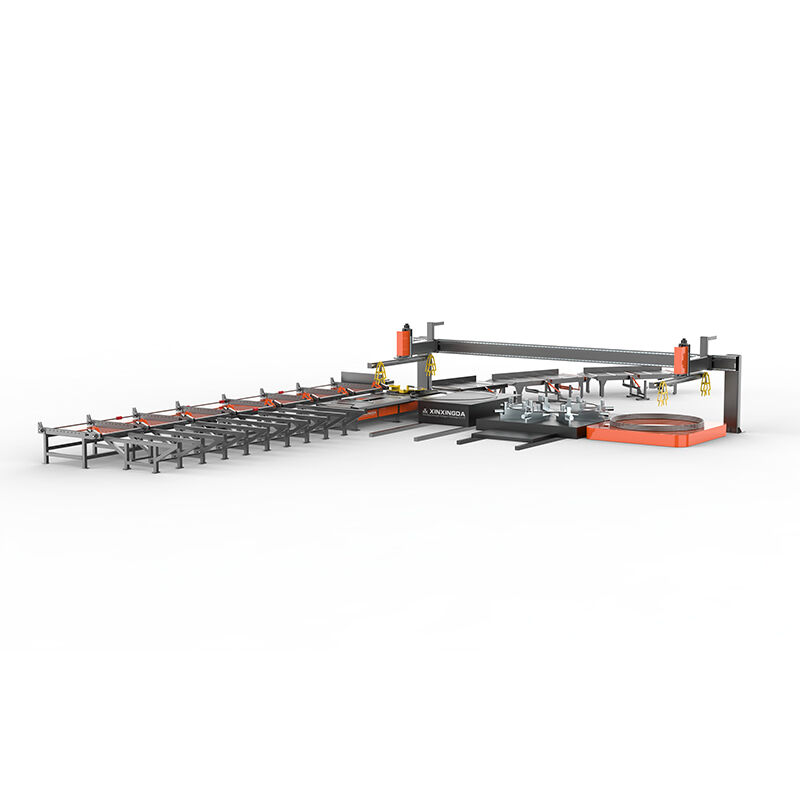
Construction and manufacturing industries constantly seek innovative solutions to enhance productivity while maintaining precision and quality standards. The circle and arc bending machine represents a transformative advancement in metal fabrication technology, offering unprecedented capabilities for creating curved structural elements with exceptional accuracy. These sophisticated machines have revolutionized how contractors, fabricators, and engineers approach complex bending projects, delivering significant improvements in both operational efficiency and final product quality. Modern circle and arc bending machines integrate advanced automation features with user-friendly interfaces, enabling operators to achieve consistent results while reducing manual labor requirements and project completion times.
Understanding Circle and Arc Bending Technology
Core Mechanical Principles
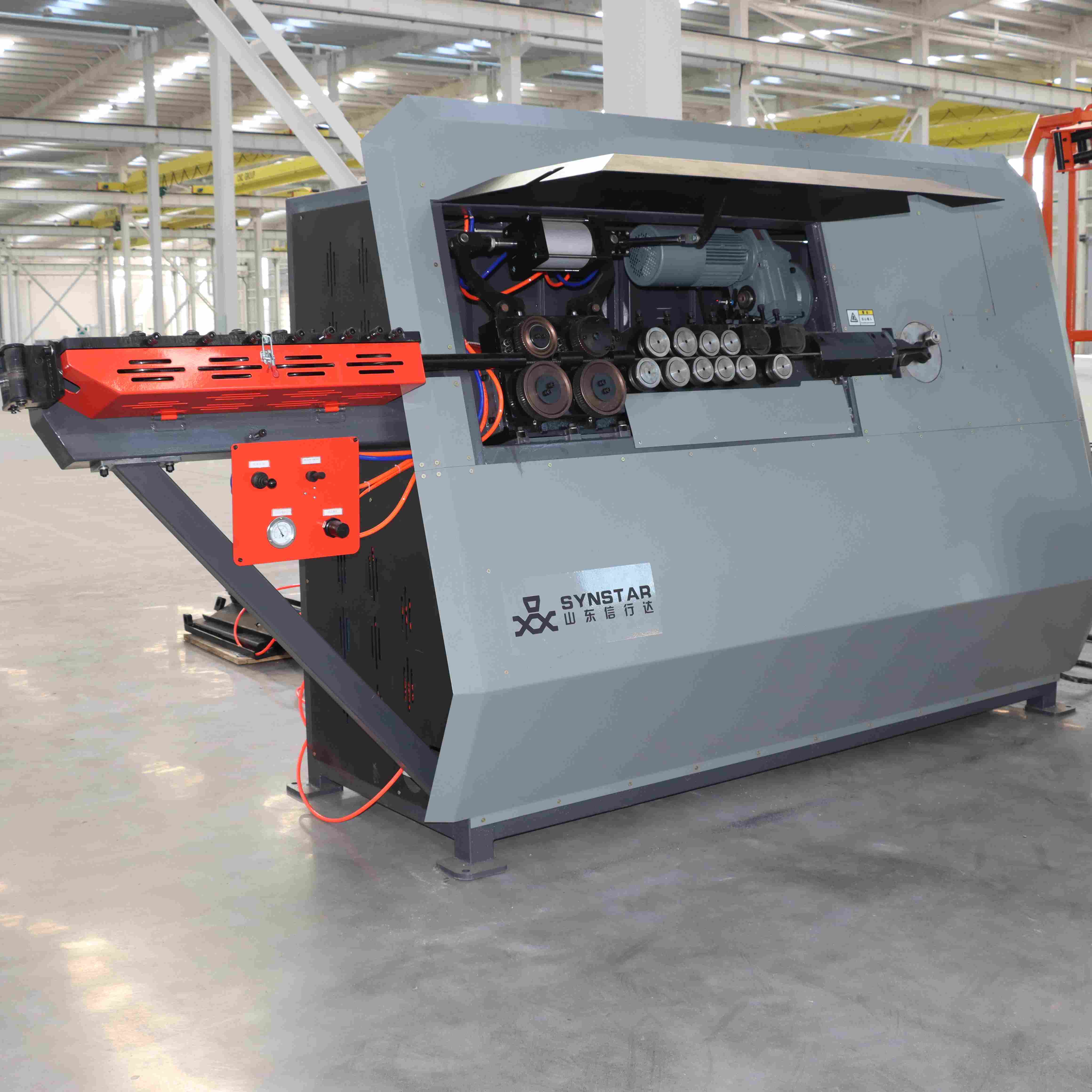
The fundamental operation of a circle and arc bending machine relies on controlled application of force through precision rollers and mandrels that guide metal materials through predetermined curvature paths. These machines utilize advanced servo motor systems to maintain consistent pressure and speed throughout the bending process, ensuring uniform radius formation across the entire length of the workpiece. The sophisticated control algorithms continuously monitor material properties, thickness variations, and environmental factors to automatically adjust parameters for optimal results. Advanced sensor technology provides real-time feedback to the control system, enabling immediate corrections that prevent material waste and maintain dimensional accuracy.
Modern circle and arc bending machines incorporate programmable logic controllers that store multiple bending profiles, allowing operators to quickly switch between different project requirements without extensive manual reconfiguration. The precision positioning systems ensure repeatable accuracy within tight tolerances, making these machines ideal for high-volume production environments where consistency is paramount. Temperature monitoring systems prevent overheating during intensive operations, while automatic lubrication systems maintain optimal performance levels throughout extended production runs.
Advanced Control Systems
Contemporary circle and arc bending machines feature sophisticated human-machine interfaces that simplify complex operations while providing comprehensive monitoring capabilities. These touchscreen control panels display real-time process parameters, including bending angle, material stress levels, and production progress indicators. Operators can input custom specifications through intuitive menu systems, while built-in calculation algorithms automatically determine optimal machine settings based on material properties and desired outcomes. The integration of computer-aided design capabilities allows direct import of project specifications, eliminating manual data entry errors and reducing setup times significantly.
Remote monitoring capabilities enable supervisors to track multiple machines simultaneously, receiving instant notifications about production status, maintenance requirements, and quality control alerts. These advanced systems store comprehensive production data for quality assurance documentation and process optimization analysis. Predictive maintenance algorithms analyze operational patterns to schedule preventive maintenance activities before equipment failures occur, minimizing unplanned downtime and extending machine service life.
Efficiency Improvements in Manufacturing Processes
Production Speed Enhancement
Implementation of automated circle and arc bending machines dramatically reduces production cycle times compared to traditional manual or semi-automated bending methods. These machines can process materials at consistent speeds without operator fatigue limitations, maintaining peak performance throughout entire production shifts. Advanced material handling systems automatically feed stock materials into the bending area, eliminating manual positioning delays and reducing physical strain on operators. The continuous operation capabilities allow for uninterrupted production runs, significantly increasing daily output volumes while maintaining consistent quality standards.
Multi-axis coordination enables simultaneous bending operations on complex geometries, reducing the number of individual setup procedures required for intricate projects. Quick-change tooling systems minimize transition times between different bending configurations, allowing manufacturers to efficiently handle diverse product mixes without extensive downtime. Automated quality inspection systems provide immediate verification of dimensional accuracy, eliminating the need for time-consuming manual measurements and reducing rework requirements.
Labor Optimization Benefits
Circle and arc bending machines require significantly fewer operators than traditional bending methods, allowing manufacturers to reallocate skilled personnel to higher-value activities such as design, quality control, and customer service. The automated nature of these systems reduces dependency on specialized bending expertise, enabling cross-training opportunities that improve workforce flexibility and operational resilience. Safety improvements inherent in automated systems reduce workplace injury risks, lowering insurance costs and minimizing production disruptions caused by safety incidents.
Standardized operating procedures built into the machine control systems ensure consistent results regardless of operator experience levels, reducing training time requirements for new personnel. The elimination of physically demanding manual bending operations improves employee satisfaction and reduces turnover rates in manufacturing environments. Comprehensive production reporting features provide detailed performance metrics that support objective employee evaluation and continuous improvement initiatives.
Quality and Precision Advantages
Dimensional Accuracy Improvements
Modern circle and arc bending machines achieve dimensional tolerances that far exceed capabilities of manual bending methods, ensuring consistent conformance to engineering specifications. Precision positioning systems maintain exact radius measurements throughout the entire bending process, eliminating variations that commonly occur with traditional techniques. Advanced material property sensors automatically adjust bending parameters to compensate for variations in material hardness, thickness, and composition, maintaining consistent results across different material lots. The elimination of operator-induced variations ensures that every piece meets exact specifications, reducing rejection rates and improving overall project quality.
Integrated measurement systems provide continuous monitoring of critical dimensions during the bending process, enabling immediate corrections before non-conforming products are produced. Temperature control systems prevent material property changes that could affect final dimensions, while vibration dampening technology ensures smooth operation that maintains precision throughout high-speed production runs. These quality improvements translate directly into reduced material waste, lower rework costs, and enhanced customer satisfaction through consistent delivery of specification-compliant products.
Surface Finish Excellence
The controlled bending environment provided by circle and arc bending machine technology eliminates surface defects commonly associated with manual bending operations, such as scratches, dents, and tool marks. Precision tooling with optimized surface treatments ensures smooth material flow through the bending process without compromising surface integrity. Advanced lubrication systems reduce friction-related surface damage while maintaining optimal material flow characteristics throughout the bending cycle.
Programmable pressure control prevents excessive force application that could cause surface deformation or material thinning in critical areas. The consistent application of controlled forces results in uniform surface finish across all bent sections, eliminating the need for secondary finishing operations in many applications. These surface quality improvements contribute to enhanced product appearance, improved corrosion resistance, and better paint adhesion characteristics in finished applications.
Cost-Effectiveness and Return on Investment
Material Waste Reduction
Precision bending capabilities significantly reduce material waste by eliminating the trial-and-error approach often required with manual bending methods. Automated calculation systems determine optimal material lengths and cutting sequences to minimize scrap generation, while consistent bending accuracy reduces the likelihood of producing non-conforming parts that must be discarded. Advanced nesting algorithms optimize material utilization patterns, ensuring maximum yield from each piece of raw material stock.
Real-time monitoring systems provide immediate feedback about potential quality issues, allowing operators to make corrections before significant material waste occurs. The elimination of over-bending and under-bending issues reduces the need for corrective operations that often result in material damage or dimensional non-conformance. Predictable bending outcomes enable more accurate material ordering, reducing inventory carrying costs and minimizing the risk of material obsolescence.
Energy Efficiency Benefits
Modern circle and arc bending machines incorporate energy-efficient servo motor systems that consume significantly less power than hydraulic alternatives while providing superior performance characteristics. Variable speed operation automatically adjusts power consumption based on production requirements, reducing energy costs during periods of lighter demand. Regenerative braking systems capture and reuse energy during deceleration phases, further improving overall energy efficiency and reducing operational costs.
Optimized heating systems, where required, minimize energy consumption through precise temperature control and improved insulation technologies. Standby mode capabilities automatically reduce power consumption during idle periods while maintaining readiness for immediate operation when production resumes. These energy efficiency improvements contribute to reduced operating costs while supporting corporate sustainability initiatives and environmental compliance requirements.
Integration with Modern Manufacturing Systems
Industry 4.0 Compatibility
Contemporary circle and arc bending machines seamlessly integrate with modern manufacturing execution systems, providing real-time production data that supports comprehensive factory automation initiatives. Internet of Things connectivity enables remote monitoring and control capabilities that improve operational flexibility and responsiveness to changing production requirements. Advanced data analytics capabilities process production information to identify optimization opportunities and predict maintenance needs before equipment failures occur.
Machine learning algorithms continuously analyze production patterns to automatically optimize bending parameters for improved efficiency and quality outcomes. Cloud-based data storage systems provide secure access to production information from multiple locations, supporting distributed manufacturing operations and remote technical support services. These integration capabilities position manufacturers to take full advantage of emerging digital manufacturing technologies while maximizing return on existing equipment investments.
Scalability and Flexibility
Modular design concepts enable circle and arc bending machines to be easily reconfigured or upgraded to meet evolving production requirements without requiring complete equipment replacement. Expandable control systems accommodate additional automation features as production volumes grow or product complexity increases. Quick-change tooling systems support rapid transitions between different product lines, enabling efficient production of small batches and custom orders alongside high-volume standard products.
Standardized communication protocols ensure compatibility with existing factory automation systems while providing flexibility for future technology upgrades. The ability to process various material types and sizes through programmable settings eliminates the need for multiple specialized machines, reducing capital equipment requirements and facility space utilization. These scalability features ensure long-term viability of equipment investments while supporting business growth and market expansion initiatives.
FAQ
What types of materials can be processed with circle and arc bending machines?
Circle and arc bending machines are designed to handle a wide variety of materials including steel, aluminum, copper, stainless steel, and various alloy compositions. The machines can process materials in different forms such as solid bars, tubes, angles, and flat strips within specified thickness and diameter ranges. Advanced models feature adjustable pressure and speed settings that accommodate different material properties and hardness levels, ensuring optimal results across diverse material specifications. Specialized tooling options enable processing of exotic materials and non-standard cross-sections for specialized applications.
How do these machines improve workplace safety compared to manual bending methods?
Automated circle and arc bending machines significantly reduce workplace safety risks by eliminating manual handling of heavy materials and exposure to repetitive strain injuries. Enclosed operating areas with safety interlocks prevent operator contact with moving parts during operation, while emergency stop systems provide immediate shutdown capabilities when safety concerns arise. The elimination of manual force application reduces the risk of back injuries and muscle strains commonly associated with traditional bending operations. Comprehensive safety training programs and built-in safety features ensure operators can work confidently while maintaining productivity levels.
What maintenance requirements are typical for circle and arc bending machines?
Regular maintenance for circle and arc bending machines includes routine lubrication of moving components, periodic inspection of tooling wear, and calibration verification to maintain dimensional accuracy. Predictive maintenance systems monitor component performance and provide advance notification of service requirements, enabling scheduled maintenance during planned downtime periods. Most manufacturers provide comprehensive maintenance training and support services, including remote diagnostic capabilities that minimize service call requirements. Typical maintenance intervals range from daily visual inspections to annual comprehensive overhauls, depending on usage intensity and operating conditions.
How quickly can operators learn to use circle and arc bending machines effectively?
Most operators can achieve basic proficiency with circle and arc bending machines within one to two weeks of structured training, thanks to intuitive user interfaces and comprehensive operation manuals. Advanced programming capabilities may require additional training for complex applications, but standardized operation procedures simplify routine production tasks. Manufacturers typically provide on-site training programs that combine classroom instruction with hands-on practice using actual production materials. Ongoing support through technical hotlines and remote assistance capabilities helps operators quickly resolve questions and optimize machine performance for specific applications.
Table of Contents
- Understanding Circle and Arc Bending Technology
- Efficiency Improvements in Manufacturing Processes
- Quality and Precision Advantages
- Cost-Effectiveness and Return on Investment
- Integration with Modern Manufacturing Systems
-
FAQ
- What types of materials can be processed with circle and arc bending machines?
- How do these machines improve workplace safety compared to manual bending methods?
- What maintenance requirements are typical for circle and arc bending machines?
- How quickly can operators learn to use circle and arc bending machines effectively?