
 EN
EN

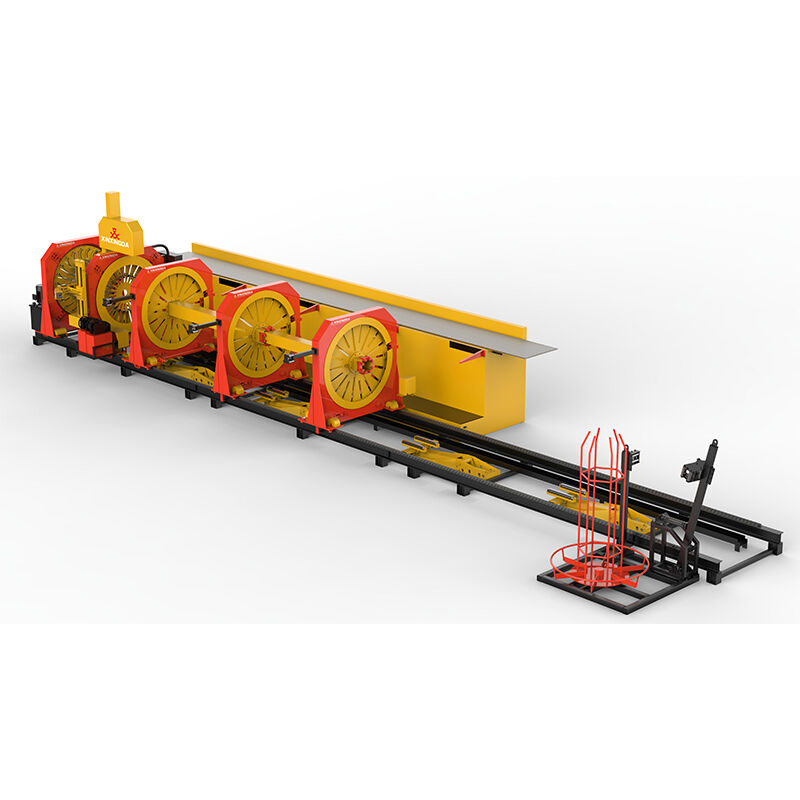
Selecting the right steel bar processing equipment is crucial for the success of any engineering project, whether you're working on commercial construction, infrastructure development, or industrial fabrication. The choice of equipment directly impacts project timelines, cost efficiency, and the quality of finished structures. Modern construction demands precision, speed, and reliability, making it essential to understand the various factors that influence equipment selection. From cutting and bending to straightening and threading, steel bar processing equipment encompasses a wide range of specialized machinery designed to handle different aspects of rebar preparation and fabrication.
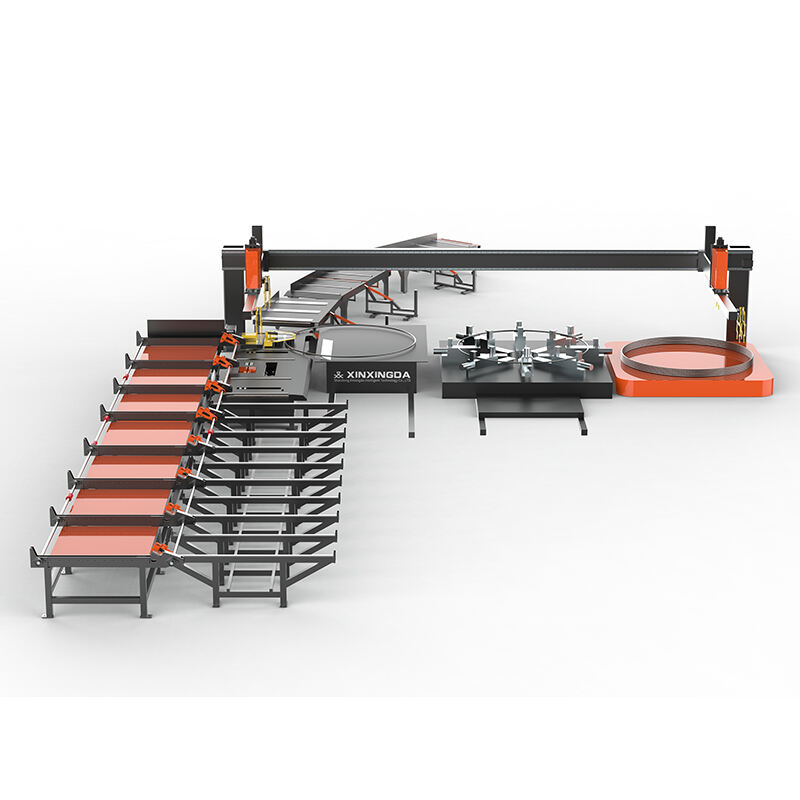
Understanding Steel Bar Processing Requirements
Project Scale and Volume Assessment
Before investing in steel bar processing equipment, engineering teams must thoroughly evaluate their project requirements and expected workload. Large-scale infrastructure projects typically require high-capacity machines capable of processing thousands of bars daily, while smaller construction projects may benefit from more compact, versatile solutions. The volume assessment should consider both current project demands and future growth projections to ensure equipment longevity and return on investment. Additionally, understanding the variety of bar sizes and types needed helps determine whether multi-functional equipment or specialized single-purpose machines would be more appropriate.
Project timelines significantly influence equipment selection decisions, as faster processing capabilities often justify higher initial investments through reduced labor costs and accelerated project completion. Consider the peak processing periods when multiple projects may run simultaneously, requiring equipment that can handle increased demand without compromising quality or safety standards. The geographic distribution of projects also matters, as portable or modular steel bar processing equipment may be necessary for multiple job sites, while permanent installations work better for centralized operations.
Material Specifications and Compatibility
Different engineering projects require various steel bar grades, diameters, and lengths, making equipment compatibility a critical selection factor. High-strength steel bars used in seismic-resistant structures demand equipment with enhanced cutting and bending capabilities, while standard construction projects may work effectively with conventional processing machinery. The range of bar diameters from 6mm to 50mm or larger requires equipment with adjustable settings and appropriate power ratings to handle the full spectrum efficiently.
Material handling considerations extend beyond basic processing capabilities to include storage, feeding, and output management systems. Integrated steel bar processing equipment solutions often provide better workflow efficiency by combining multiple operations in a single setup. Understanding the specific steel grades, such as Grade 40, Grade 60, or international equivalents, ensures that selected equipment can achieve the required bend radii, cut precision, and structural integrity needed for engineering specifications.
Key Equipment Types and Applications
Cutting and Shearing Systems
Steel bar cutting equipment forms the foundation of most processing operations, with hydraulic shears and automatic cutting machines representing the most common solutions. Hydraulic cutting systems provide clean, precise cuts across various bar diameters while minimizing material waste and maintaining consistent cut quality. The choice between manual, semi-automatic, and fully automatic cutting systems depends on production volume, precision requirements, and available labor resources.
Advanced cutting systems incorporate programmable length controls, automatic feeding mechanisms, and waste collection features that significantly improve operational efficiency. For engineering projects requiring precise bar lengths and minimal material waste, computer-controlled cutting systems offer superior accuracy and repeatability. Consider the cutting capacity range, as some projects may require processing both small-diameter reinforcement bars and large structural steel elements within the same operational framework.
Bending and Shaping Equipment
Bending equipment represents one of the most critical components in steel bar processing equipment selection, as it directly affects the structural integrity and fit of reinforcement elements. Hydraulic bending machines offer superior control over bend angles and radii, ensuring compliance with engineering specifications and building codes. The flexibility to create various bend configurations, from simple 90-degree angles to complex shapes, makes multi-axis bending equipment valuable for diverse engineering applications.
Modern bending systems incorporate programmable controls that store multiple bend patterns, reducing setup time and improving consistency across large production runs. The bending capacity, measured in both bar diameter and tensile strength, must align with project requirements while providing adequate safety margins. Consider equipment that offers quick die changes and adjustment capabilities, as engineering projects often require multiple bend configurations within short timeframes.
Performance and Efficiency Considerations
Production Speed and Throughput
Production efficiency directly impacts project timelines and labor costs, making throughput capacity a crucial factor in steel bar processing equipment selection. High-speed processing capabilities reduce bottlenecks in the construction workflow, allowing other trades to maintain their schedules and reducing overall project duration. Automated feeding and handling systems can significantly increase throughput while reducing manual labor requirements and associated safety risks.
When evaluating production speed, consider both the theoretical maximum capacity and realistic operational throughput under typical working conditions. Factors such as material changes, setup adjustments, and maintenance requirements affect actual productivity levels. Equipment with quick-change tooling systems and minimal setup requirements typically provide better overall efficiency than machines with complex adjustment procedures, even if their maximum processing speeds are comparable.
Energy Efficiency and Operating Costs
Modern steel bar processing equipment increasingly focuses on energy efficiency to reduce operating costs and environmental impact. Electric-driven systems often provide better energy efficiency compared to pneumatic or hydraulic alternatives, particularly for high-volume operations. Variable-speed drives and intelligent power management systems can significantly reduce energy consumption during idle periods and low-demand operations.
Total cost of ownership extends beyond initial equipment purchase to include energy consumption, maintenance requirements, spare parts availability, and operator training costs. Equipment with predictive maintenance capabilities and remote monitoring features can reduce unexpected downtime and optimize maintenance scheduling. Consider the availability of local service support and parts distribution, as equipment downtime directly impacts project schedules and costs.
Safety and Quality Assurance Features
Operator Safety Systems
Safety considerations are paramount in steel bar processing equipment selection, as these machines operate under high forces and pressures. Modern equipment incorporates multiple safety features including emergency stop systems, light curtains, pressure-sensitive mats, and two-hand controls to prevent operator injuries. Proper guarding and interlocking systems ensure that operators cannot access dangerous areas during machine operation while maintaining accessibility for necessary adjustments and maintenance.
Training requirements and operator skill levels significantly influence equipment selection decisions. User-friendly interfaces with intuitive controls reduce training time and minimize the risk of operator errors. Equipment with comprehensive diagnostic systems and clear status indicators help operators identify and resolve issues quickly, maintaining both safety and productivity standards. Consider the ergonomic design of operator stations and material handling requirements to reduce fatigue and repetitive stress injuries.
Quality Control and Precision
Engineering projects demand consistent quality and precision in steel bar processing to ensure structural integrity and compliance with building codes. Advanced steel bar processing equipment incorporates measurement systems, tolerance monitoring, and automatic adjustment capabilities to maintain quality standards throughout production runs. Digital controls and servo-driven systems provide superior precision compared to mechanical or hydraulic alternatives, particularly for complex bending patterns and tight tolerances.
Quality documentation and traceability features become increasingly important for large engineering projects requiring detailed records of material processing parameters. Equipment with integrated data logging and reporting capabilities streamlines quality assurance processes and provides documentation for regulatory compliance. Consider systems that can interface with project management software and quality control databases to maintain comprehensive production records.
Technology Integration and Future Considerations
Automation and Smart Manufacturing
The integration of automation technologies in steel bar processing equipment offers significant advantages in terms of consistency, efficiency, and data collection. Robotic material handling systems can manage bar feeding, processing, and sorting operations with minimal human intervention, reducing labor costs and improving safety. Smart manufacturing concepts incorporate sensors, data analytics, and machine learning algorithms to optimize processing parameters and predict maintenance requirements.
Industry 4.0 technologies enable real-time monitoring and remote management capabilities that allow project managers to track production progress and equipment performance from any location. Cloud-based data collection and analysis systems provide insights into operational efficiency and help identify opportunities for improvement. Consider equipment suppliers that offer upgrade paths and compatibility with emerging technologies to protect long-term investments.
Connectivity and Data Management
Modern engineering projects benefit from integrated data management systems that connect steel bar processing equipment with project planning and inventory management systems. Real-time production data enables better resource allocation and scheduling decisions while providing visibility into project progress. Equipment with standard communication protocols and open architecture systems offers better integration flexibility compared to proprietary solutions.
Data security and cybersecurity considerations become increasingly important as equipment connectivity expands. Ensure that selected steel bar processing equipment includes appropriate security measures and regular firmware updates to protect against cyber threats. Consider the data ownership policies of equipment suppliers and cloud service providers to maintain control over sensitive project information.
FAQ
What factors determine the appropriate capacity for steel bar processing equipment
Equipment capacity should be based on peak production requirements rather than average demand, considering factors such as project timelines, bar diameter ranges, and material grades. Evaluate both the maximum bar diameter and the processing speed needed to meet project deadlines while maintaining quality standards. Consider future project growth and the potential need to handle larger or higher-strength materials that may require increased equipment capacity.
How important is equipment mobility for engineering projects
Equipment mobility depends on your operational model and project distribution. Companies working on multiple job sites simultaneously often benefit from portable or truck-mounted steel bar processing equipment that can move between locations. However, high-volume operations with centralized processing facilities typically achieve better efficiency and cost control with stationary equipment installations that offer higher capacity and more advanced features.
What maintenance considerations should influence equipment selection
Evaluate the availability of local service support, spare parts inventory, and technical expertise when selecting steel bar processing equipment. Equipment with predictive maintenance capabilities and remote diagnostic features can reduce unexpected downtime and optimize maintenance scheduling. Consider the complexity of routine maintenance procedures and the skill level required for common repairs, as this affects both operating costs and equipment availability.
How do I ensure equipment compatibility with existing operations
Assess your current workflow, material handling systems, and quality control processes to identify potential integration challenges. Consider equipment that uses standard interfaces and communication protocols to facilitate integration with existing systems. Evaluate power requirements, space constraints, and operator skill levels to ensure that new equipment can be successfully implemented without major operational disruptions or additional infrastructure investments.