
 EN
EN

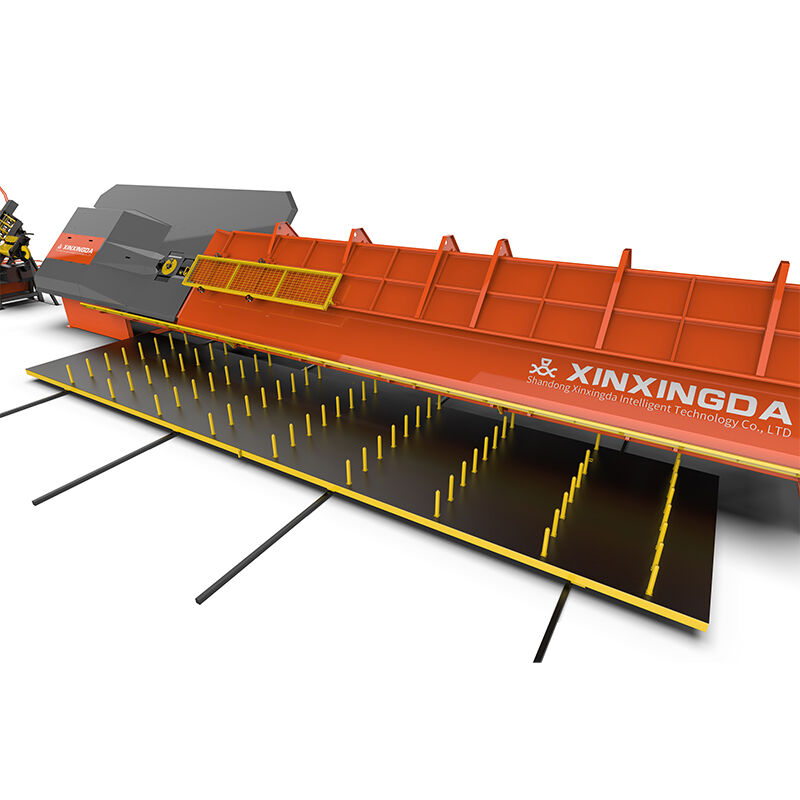
Optimizing workflow in construction and manufacturing operations requires strategic implementation of advanced equipment that can streamline repetitive tasks while maintaining precision. A CNC steel bar bending machine represents a transformative solution for companies seeking to eliminate bottlenecks in reinforcement processing, reduce manual labor dependencies, and achieve consistent quality standards across large-scale projects. Understanding how to properly integrate and optimize workflow with this automated equipment can significantly impact productivity metrics, project timelines, and overall operational efficiency.
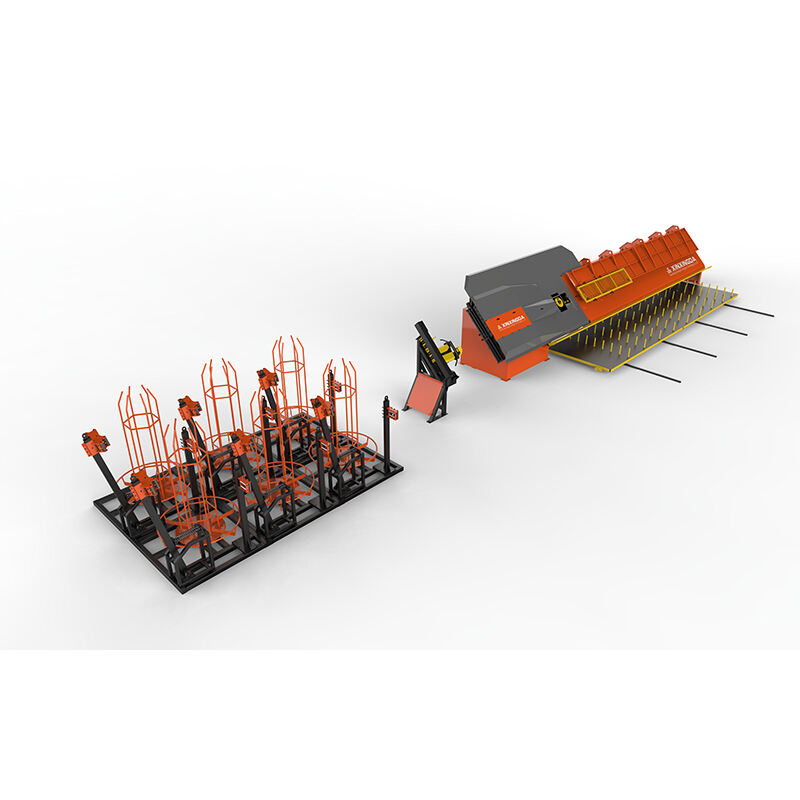
The workflow optimization process with a CNC steel bar bending machine involves systematic planning, proper machine setup, efficient material handling procedures, and continuous monitoring of production parameters. Companies that successfully implement these automated systems typically experience 60-80% reduction in processing time compared to manual bending methods, while simultaneously achieving superior accuracy in bend angles and dimensional consistency. This comprehensive approach to workflow optimization encompasses pre-production planning, real-time process management, and post-production quality control measures that work together to maximize equipment utilization and minimize waste.
Strategic Pre-Production Planning for Maximum Efficiency
Drawing Analysis and Production Scheduling
Effective workflow optimization begins with thorough analysis of construction drawings and systematic production scheduling that aligns with project requirements. The CNC steel bar bending machine excels when operators can batch similar bending operations together, reducing setup time and maximizing continuous production runs. Engineering teams should review project specifications to identify all required bar sizes, bend angles, and quantities, then organize production sequences that minimize material changeovers and tool adjustments.
Production scheduling software can integrate with CNC steel bar bending machine programming to create optimized cutting lists that account for material lengths, waste minimization, and logical production flow. This systematic approach allows operators to prepare multiple job setups simultaneously, reducing downtime between different reinforcement configurations. Companies implementing this strategy typically achieve 25-30% improvement in overall equipment effectiveness compared to reactive, order-by-order processing methods.
Material Preparation and Staging Systems
Optimized workflow requires establishing efficient material preparation and staging systems that ensure continuous supply of raw materials to the CNC steel bar bending machine without production interruptions. Proper material handling involves organizing steel bars by diameter, grade, and length in accessible storage areas positioned for seamless machine feeding. Automated or semi-automated material handling systems can eliminate manual lifting and positioning tasks while maintaining steady material flow throughout production cycles.
The staging system should accommodate different bar lengths and diameters commonly processed by the CNC steel bar bending machine, with clear identification systems that prevent material mix-ups during high-volume production periods. Strategic placement of material preparation areas reduces transportation distances and handling time, while standardized material identification procedures ensure operators can quickly locate required materials without disrupting ongoing production operations.
Machine Setup and Programming Optimization Techniques
Efficient Programming and Setup Procedures
The CNC steel bar bending machine achieves optimal workflow efficiency when programming and setup procedures follow standardized protocols that minimize changeover time between different part configurations. Experienced operators develop systematic approaches to program entry, tool selection, and machine calibration that can reduce setup time from hours to minutes for common reinforcement patterns. Creating standardized program libraries for frequently used bend configurations eliminates repetitive programming tasks and reduces potential for setup errors.
Modern CNC steel bar bending machine controllers offer advanced programming features including graphical programming interfaces, automatic bend sequence optimization, and collision detection systems that streamline the setup process. Operators should utilize these capabilities to create efficient bending sequences that minimize tool movements, reduce cycle times, and prevent potential machine conflicts. Regular training on programming optimization techniques ensures operators can fully leverage these advanced features for maximum productivity benefits.
Tooling Configuration and Maintenance Strategies
Proper tooling configuration directly impacts the workflow efficiency of any CNC steel bar bending machine operation, requiring careful selection of bending tools, support systems, and quick-change mechanisms that facilitate rapid changeovers between different part geometries. Companies should maintain comprehensive tooling inventories that cover all standard bend radii and material sizes processed regularly, with organized tool storage systems that enable operators to locate and install required tooling quickly during production changeovers.
Preventive maintenance schedules for bending tools and machine components ensure consistent performance and prevent unexpected downtime that disrupts workflow optimization efforts. The CNC steel bar bending machine requires regular inspection of bending pins, support rollers, and feeding mechanisms to maintain accuracy and prevent tool wear that could compromise part quality or cause production delays. Implementing systematic tool life monitoring and replacement procedures prevents workflow interruptions caused by tool failures during critical production periods.
Real-Time Production Monitoring and Control Systems
Quality Control Integration During Production
Optimizing workflow with a CNC steel bar bending machine requires integrated quality control systems that monitor production parameters in real-time, preventing defective parts from proceeding through subsequent operations. Advanced machine monitoring systems can track bend angles, dimensional accuracy, and production rates continuously, alerting operators to potential issues before they impact large quantities of finished parts. This proactive approach to quality control eliminates the need for extensive post-production inspection and rework operations.
Statistical process control methods integrated with CNC steel bar bending machine operations provide valuable data for continuous improvement initiatives and workflow optimization efforts. Operators can analyze production trends, identify recurring quality issues, and implement corrective measures that prevent future problems while maintaining consistent production rates. These monitoring systems also provide documentation for quality assurance requirements and traceability needs common in construction and manufacturing environments.
Production Rate Optimization and Bottleneck Management
Effective workflow optimization requires continuous monitoring of production rates and systematic identification of bottlenecks that limit overall throughput of the CNC steel bar bending machine operation. Production data analysis can reveal patterns in cycle times, setup durations, and material handling delays that provide opportunities for process improvements and efficiency gains. Regular review of these metrics enables managers to implement targeted improvements that address specific workflow limitations.
Bottleneck management strategies may include parallel processing of similar parts, improved material flow systems, or additional operator training to reduce setup times and increase machine utilization rates. The CNC steel bar bending machine can often process multiple parts simultaneously or in rapid succession when workflow systems support continuous operation without material handling delays or setup interruptions.
Post-Production Workflow Integration and Material Flow
Finished Part Handling and Storage Systems
Optimized workflow extends beyond the CNC steel bar bending machine operation to include efficient handling and storage systems for finished reinforcement components. Proper material flow design ensures bent bars can be removed from the production area quickly without interfering with ongoing operations, while maintaining part identification and quality throughout subsequent handling operations. Automated or semi-automated removal systems can eliminate manual handling bottlenecks that often limit overall production rates.
Storage systems for finished parts should accommodate various lengths and configurations produced by the CNC steel bar bending machine while maintaining accessibility for shipping and installation operations. Strategic organization of finished part storage areas reduces handling time during order fulfillment and prevents damage that could require rework or replacement. Clear labeling and tracking systems ensure finished parts can be located quickly for specific project requirements without disrupting ongoing production operations.
Integration with Downstream Operations
Complete workflow optimization requires seamless integration between CNC steel bar bending machine operations and downstream processes such as assembly, installation, or secondary processing operations. Coordination between production scheduling and project timelines ensures finished reinforcement components are available when needed without excessive inventory buildup or storage requirements. This integration approach minimizes overall project costs while maximizing the productivity benefits of automated bending operations.
Communication systems between production control and field operations enable real-time adjustments to production priorities based on installation progress and changing project requirements. The flexibility of CNC steel bar bending machine operations allows for rapid response to urgent requirements while maintaining efficient production of standard reinforcement components for ongoing project needs.
Continuous Improvement and Performance Optimization
Data Analysis and Process Refinement
Long-term workflow optimization with a CNC steel bar bending machine depends on systematic collection and analysis of production data that identifies opportunities for process improvements and efficiency gains. Modern machine control systems can capture detailed information about cycle times, setup durations, quality metrics, and equipment utilization rates that provide insights into operational performance trends. Regular analysis of this data enables continuous refinement of workflow procedures and identification of best practices that can be standardized across multiple operations.
Performance benchmarking against industry standards and internal historical data helps establish realistic improvement targets and measure the effectiveness of workflow optimization initiatives. Companies implementing systematic data analysis typically achieve 15-20% additional productivity gains beyond initial workflow improvements through continuous process refinement and optimization efforts. These improvements compound over time, resulting in significant competitive advantages and cost reduction benefits.
Training and Skill Development Programs
Operator skill development plays a crucial role in maintaining optimized workflow with CNC steel bar bending machine operations, requiring ongoing training programs that keep pace with technology advances and process improvements. Comprehensive training should cover programming techniques, setup procedures, troubleshooting methods, and maintenance requirements that enable operators to maximize equipment capabilities and prevent workflow disruptions. Regular skills assessment and refresher training ensure consistent performance levels across different operators and work shifts.
Advanced training programs may include cross-training initiatives that develop operator capabilities across multiple machine types and production processes, providing operational flexibility that supports workflow optimization during peak production periods or equipment maintenance activities. Investment in operator development typically yields significant returns through improved productivity, reduced setup times, and enhanced problem-solving capabilities that prevent minor issues from becoming major workflow disruptions.
FAQ
What is the typical setup time reduction achievable with optimized CNC steel bar bending machine workflows?
Well-optimized workflows can reduce setup time from 2-4 hours to 15-30 minutes for standard reinforcement configurations. This improvement comes from standardized programming procedures, organized tooling systems, and systematic material preparation methods. Companies implementing comprehensive workflow optimization typically achieve 70-85% reduction in setup time compared to unoptimized operations.
How does material handling optimization impact overall CNC steel bar bending machine productivity?
Optimized material handling systems can increase overall productivity by 25-40% through elimination of manual lifting, reduced transportation distances, and continuous material flow to the machine. Proper staging systems prevent production interruptions while automated or semi-automated handling reduces labor requirements and minimizes the risk of material handling injuries during high-volume production periods.
What role does preventive maintenance play in workflow optimization for CNC steel bar bending machines?
Preventive maintenance is essential for sustained workflow optimization, preventing unexpected downtime that can disrupt production schedules and reduce overall equipment effectiveness. Regular maintenance of bending tools, hydraulic systems, and control components ensures consistent performance and prevents quality issues that could require rework or production delays. Companies with systematic maintenance programs typically achieve 95-98% equipment availability rates.
How can production scheduling software enhance CNC steel bar bending machine workflow efficiency?
Production scheduling software optimizes workflow by organizing similar bending operations into efficient batches, minimizing material changeovers and setup requirements. Advanced scheduling systems can integrate with machine programming to create optimized cutting lists and production sequences that reduce waste and maximize continuous operation time. This systematic approach typically improves overall equipment utilization by 20-30% compared to manual scheduling methods.
Table of Contents
- Strategic Pre-Production Planning for Maximum Efficiency
- Machine Setup and Programming Optimization Techniques
- Real-Time Production Monitoring and Control Systems
- Post-Production Workflow Integration and Material Flow
- Continuous Improvement and Performance Optimization
-
FAQ
- What is the typical setup time reduction achievable with optimized CNC steel bar bending machine workflows?
- How does material handling optimization impact overall CNC steel bar bending machine productivity?
- What role does preventive maintenance play in workflow optimization for CNC steel bar bending machines?
- How can production scheduling software enhance CNC steel bar bending machine workflow efficiency?