
 EN
EN

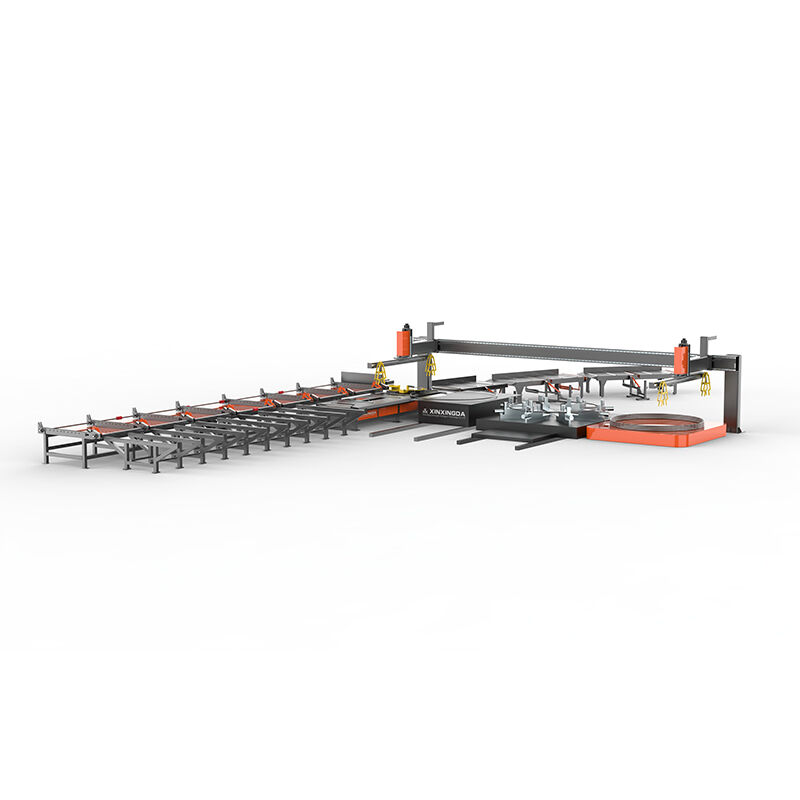
Modern construction projects depend on precision, efficiency, and structural integrity above all else. As reinforced concrete structures have become the backbone of commercial buildings, bridges, tunnels, and infrastructure worldwide, the tools used to prepare and shape reinforcement bars have grown significantly more sophisticated. steel bar processing equipment has moved from a secondary workshop concern to a central component of project planning, productivity benchmarking, and cost control. Understanding what advantages this category of machinery delivers to construction teams is essential for any project manager, procurement specialist, or site engineer making capital investment decisions today.
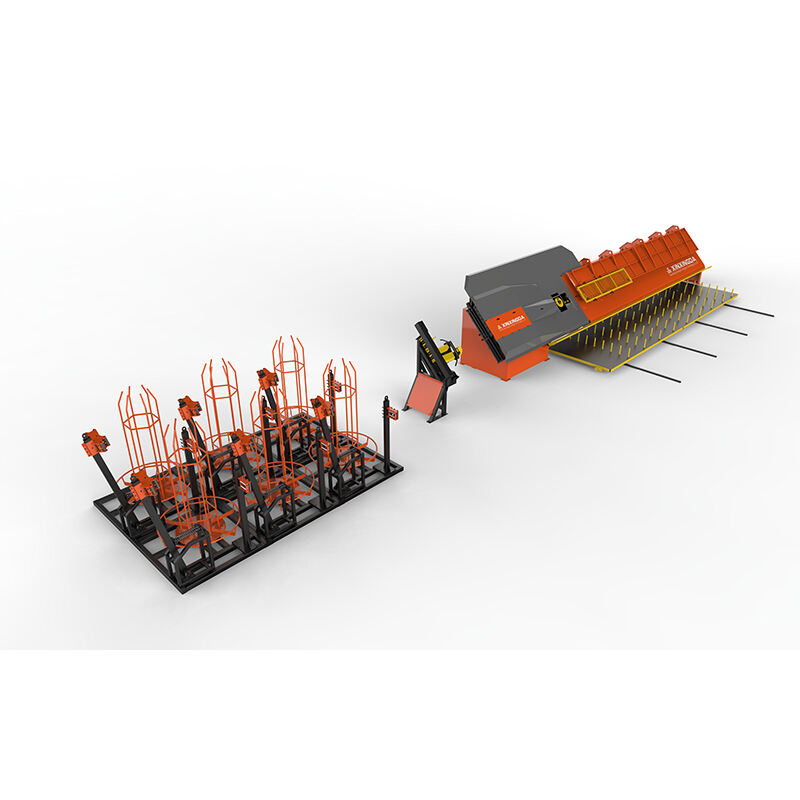
The advantages that steel bar processing equipment brings to construction are not limited to speed alone. They span structural quality, labor optimization, material savings, safety compliance, and project scheduling reliability. This article explores each of these dimensions in depth, giving construction professionals a clear picture of how investing in the right bar processing machinery translates into tangible, measurable gains across the entire construction workflow.
Precision and Structural Quality in Reinforcement Work
Dimensional Accuracy and Engineering Compliance
One of the most critical advantages that steel bar processing equipment brings to construction is the ability to cut, bend, and shape reinforcement bars to exact engineering specifications. Structural drawings specify precise bend angles, cut lengths, and hook geometries, and deviations from these dimensions can compromise load distribution within a concrete element. Modern steel bar processing equipment operates with CNC-controlled parameters, meaning every bar produced matches programmed dimensions within tight tolerances.
This level of dimensional accuracy is virtually impossible to achieve consistently with manual or semi-manual methods. When a construction team relies on hand-operated benders or angle grinders, cumulative errors build up across hundreds or thousands of bars. With automated steel bar processing equipment, the same specification is executed identically on the first bar and the ten-thousandth bar, ensuring structural consistency throughout the entire reinforcement cage or mat.
Engineering compliance is not just a quality concern — it is a regulatory one. Many construction contracts, government infrastructure tenders, and building codes require documented evidence that reinforcement fabrication meets specified tolerances. Steel bar processing equipment with digital control systems can generate output reports or be linked to quality management workflows, making compliance verification straightforward and auditable.
Consistency Across Large-Scale Projects
Large-scale construction projects involve the fabrication of thousands of individual rebar components across extended time periods. Maintaining consistency when multiple workers are involved, shifts change, or bar diameters vary across structural zones is a major operational challenge. Steel bar processing equipment solves this challenge by centralizing control of all critical parameters at the machine level rather than relying on individual operator judgment.
When a project engineer updates a dimension or bending profile in the machine's programming, every subsequent bar reflects that change instantly and uniformly. This systematic consistency means that rebar cages assembled from machine-processed bars fit together reliably, reducing on-site adjustment, rework, and the risk of components being rejected during inspection. The downstream benefits in terms of concrete pouring schedules and structural inspection approvals are significant.
Labor Efficiency and Workforce Optimization
Reducing Manual Labor Requirements
Steel bar processing equipment directly reduces the number of workers needed to prepare reinforcement materials, which has profound implications for project budgeting and labor resource allocation. Tasks that previously required two to four workers operating manually — measuring, marking, cutting, and bending a single bar — can be handled by one operator supervising a CNC steel bar processing machine that performs all steps in a single automated sequence.
This reduction in manual labor is especially valuable in markets where skilled rebar workers are scarce or expensive. Rather than competing for limited skilled labor, construction companies that deploy steel bar processing equipment can operate with smaller, more efficient teams. The workers who are freed from repetitive manual processing can be reassigned to value-adding activities such as cage assembly, concrete placement, or quality inspection.
The ergonomic and fatigue-related benefits also matter. Manual bar bending and cutting is physically demanding work that contributes to worker fatigue, musculoskeletal injuries, and absenteeism. By transferring these physically intensive tasks to steel bar processing equipment, construction companies protect their workforce, reduce injury-related downtime, and maintain more consistent productivity levels across long working days.
Accelerating Fabrication Throughput
Beyond reducing headcount, steel bar processing equipment dramatically accelerates the rate at which bars can be fabricated. A CNC bar bending machine can complete a complex multi-bend profile in seconds that would take a skilled manual operator several minutes. Over the course of a day, this difference multiplies into thousands of additional processed bars, allowing fabrication to keep pace with aggressive construction schedules.
When construction timelines are compressed due to contract penalties, seasonal weather windows, or client-driven delivery requirements, the throughput capacity of steel bar processing equipment becomes a project-critical asset. Prefabrication yards equipped with high-capacity machinery can build buffer stock of processed bars, ensuring that on-site installation teams are never waiting for materials. This throughput advantage directly supports the just-in-time delivery models that modern construction logistics increasingly demand.
Material Savings and Cost Management
Optimized Cutting and Reduced Waste
Material waste is a significant cost driver in reinforcement work. Traditional manual cutting methods frequently produce off-cuts that are too short for reuse, and poor planning leads to suboptimal use of bar lengths. Steel bar processing equipment with nesting or optimization software calculates the most efficient cutting sequences across a batch of required bar lengths, minimizing total waste from each raw bar coil or straight bar bundle.
Even a modest reduction in rebar waste — say, two to three percent on a large project — translates into meaningful savings on material procurement costs. Given that steel prices remain volatile and rebar is one of the highest-volume materials on reinforced concrete projects, the material optimization capabilities of steel bar processing equipment offer a direct and quantifiable return on investment. Procurement teams can use these waste reduction figures in cost modeling and ROI calculations when evaluating equipment purchases.
There is also an environmental dimension to material savings. Construction is one of the most resource-intensive industries globally, and minimizing steel waste contributes to sustainability targets that are increasingly embedded in project contracts, green building certifications, and corporate ESG reporting frameworks. Steel bar processing equipment thus supports both financial and environmental performance simultaneously.
Lowering Total Project Fabrication Costs
When the full cost picture is considered — labor hours, material waste, rework from dimensionally incorrect bars, schedule delays caused by insufficient fabrication capacity, and quality-related rejection costs — steel bar processing equipment typically delivers a lower total cost of fabrication than manual or semi-mechanized methods. The upfront capital investment is offset by these ongoing operational savings across every project the equipment is used on.
For construction companies that operate continuously rather than on a project-by-project basis, the cumulative cost advantage of owning high-quality steel bar processing equipment grows substantially over time. Maintenance costs for well-engineered CNC bar processing machines are relatively predictable, and the machines maintain their accuracy and throughput across millions of operating cycles when properly serviced. This makes the investment case for steel bar processing equipment compelling from a total cost of ownership perspective.
Site Safety and Compliance Improvements
Reducing Hazardous Manual Operations
Construction sites are statistically among the most dangerous working environments, and reinforcement fabrication operations contribute a meaningful share of site injuries. Manually handling long, heavy rebar while using angle grinders or lever-type benders creates serious risks of cuts, crush injuries, and strain. Steel bar processing equipment transfers these hazardous operations to enclosed, machine-controlled processes where human exposure to cutting edges and high-force bending operations is minimized.
Modern steel bar processing equipment is designed with safety interlocks, guarding systems, and emergency stop functionality that meet or exceed international machinery safety standards. By centralizing bar fabrication at a designated processing station with proper machine guarding, construction companies reduce the number of ad-hoc cutting and bending operations scattered across the site, which are typically the highest-risk fabrication activities.
Supporting Regulatory and Contractual Safety Requirements
Construction contracts, particularly those in the public infrastructure and commercial real estate sectors, increasingly impose specific requirements around worker safety management and equipment compliance. Deploying certified steel bar processing equipment with documented safety features helps construction companies satisfy these contractual obligations, pass pre-qualification audits, and demonstrate a systematic approach to safety management that differentiates them from competitors.
Insurance premiums for construction operations are also influenced by the risk profile of site activities. A documented shift toward mechanized steel bar processing equipment, with corresponding reductions in manual handling injuries, can support favorable insurance assessments over time. The safety advantages of this equipment category thus have both direct human value and measurable business implications.
Project Scheduling and Workflow Integration
Predictable Fabrication Timelines
Construction project scheduling depends on reliable predictions of how long each work package will take. When reinforcement fabrication is done manually, output rates vary with worker availability, skill levels, and fatigue. Steel bar processing equipment delivers consistent, predictable throughput that can be reliably incorporated into master project schedules. Site managers can confidently commit to rebar installation milestones knowing that fabrication capacity is machine-driven rather than dependent on variable human performance.
This scheduling reliability has downstream benefits throughout the project. Concrete placement crews can be scheduled accurately, crane time can be pre-booked with confidence, and formwork operations can be sequenced around confirmed rebar availability. When steel bar processing equipment ensures that processed bars arrive at the installation point on schedule and to specification, the entire project workflow becomes more fluid and less prone to cascade delays.
Integration with Prefabrication and Offsite Construction Models
The construction industry is increasingly adopting prefabrication and offsite construction strategies to improve quality, reduce site congestion, and accelerate delivery. Steel bar processing equipment is central to this trend, enabling fabrication yards to produce high volumes of dimensionally precise bars, stirrups, and cages in controlled offsite environments before delivering them to site for rapid installation.
This integration with offsite construction models maximizes the value of steel bar processing equipment because the controlled factory environment allows machines to operate at full efficiency without the interruptions, weather exposure, and space constraints typical of active construction sites. Prefabrication yards built around well-configured steel bar processing equipment can serve multiple projects simultaneously, spreading capital costs across a broader production base and improving the overall economics of the investment.
As construction clients and developers increasingly demand shorter delivery timelines with tighter quality standards, the role of steel bar processing equipment in enabling these commitments will only grow. Construction companies that invest in the right machinery today are positioning themselves to compete effectively for the next generation of construction contracts where prefabrication capability is a competitive differentiator rather than a bonus feature.
FAQ
What types of construction projects benefit most from steel bar processing equipment?
Steel bar processing equipment delivers the greatest advantages on projects with high reinforcement volumes, such as high-rise buildings, bridges, tunnels, industrial facilities, and large infrastructure works. These project types require the fabrication of thousands of precisely dimensioned bars, making the accuracy, throughput, and waste reduction capabilities of dedicated processing machinery directly relevant to project performance and cost outcomes.
How does steel bar processing equipment improve on-site safety compared to manual methods?
By replacing manual cutting and bending operations with machine-controlled processes, steel bar processing equipment significantly reduces worker exposure to cutting hazards, heavy lifting, and high-force bending operations. Modern machines incorporate guarding, interlocks, and emergency stop systems that meet international safety standards, and centralizing fabrication at a designated machine station reduces the number of high-risk improvised operations across the site.
Can steel bar processing equipment reduce material waste on large projects?
Yes. Steel bar processing equipment, particularly systems with cutting optimization or nesting capabilities, can significantly reduce off-cut waste by calculating the most efficient way to cut required lengths from raw bar stock. Even a two to three percent improvement in material utilization delivers meaningful cost savings on projects where rebar procurement represents a major budget line, and it also supports sustainability and waste reduction commitments embedded in modern construction contracts.
Is steel bar processing equipment suitable for smaller construction companies?
Steel bar processing equipment is available in a range of sizes and capacities, making it accessible to construction companies of varying scale. Smaller companies can benefit from compact, versatile machines that handle a range of bar diameters and bending profiles without requiring large dedicated floor spaces. The labor savings, quality improvements, and reduced rework costs from even entry-level automated bar processing machines often justify the investment for companies working on mid-sized reinforced concrete projects on a regular basis.
Table of Contents
- Precision and Structural Quality in Reinforcement Work
- Labor Efficiency and Workforce Optimization
- Material Savings and Cost Management
- Site Safety and Compliance Improvements
- Project Scheduling and Workflow Integration
-
FAQ
- What types of construction projects benefit most from steel bar processing equipment?
- How does steel bar processing equipment improve on-site safety compared to manual methods?
- Can steel bar processing equipment reduce material waste on large projects?
- Is steel bar processing equipment suitable for smaller construction companies?