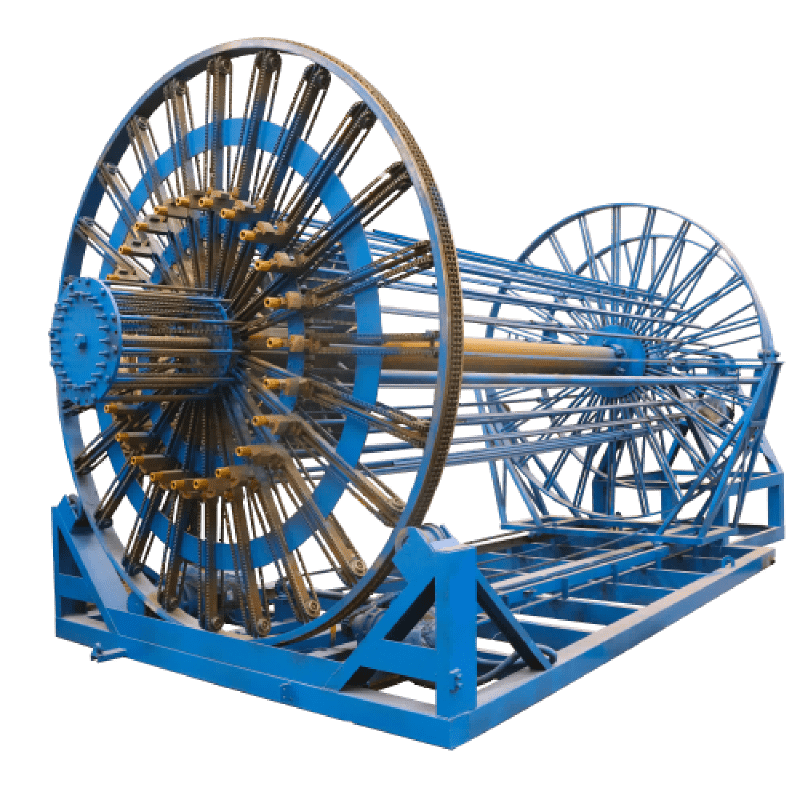
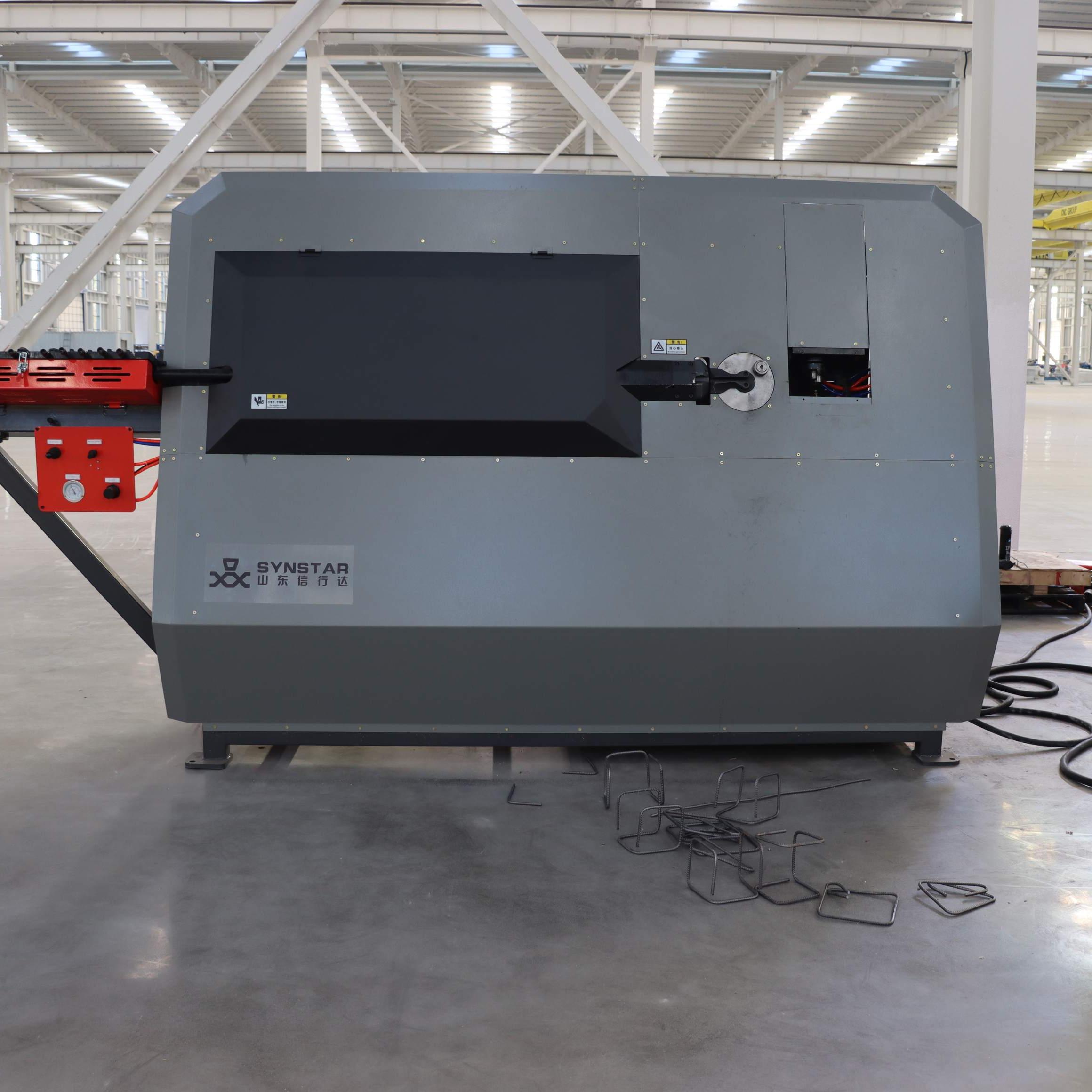
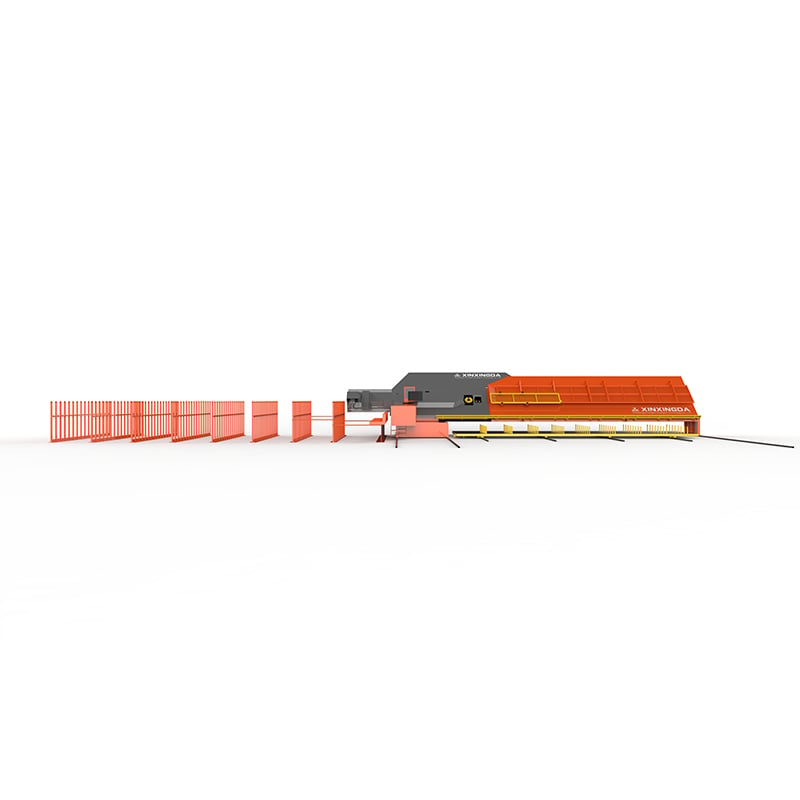
Bħala pezz ewlieni ta’ attrezzatura fis-sektor tal-inġinerija tal-bini u tal-maċini għall-ipproċessar tar-riżzi tal-ħadid, il-biżżejjed tat-taħżin tal-maċina għat-taħżin tar-riżzi tal-ħadid jiffetwa direttament il-pożizzjoni tas-suq tal-prodott u l-kapaċità operattiva tal-enterpriza. Fit-taħt tal-bidliet fil-prezzijiet tar-riżzi tal-ħadid u tal-kumpetizzjoni intensifikata fis-suq, il-fhim profond tal-bniżzet tal-biżżejjed tal-maċini għat-taħżin tar-riżzi tal-ħadid u l-użu tad-data kbira biex jiżda l-biżżejjed ġew wieħed mis-soltu kompetenziji ewlenin tal-enterprizi manifatturijiet. Dan l-artikolu se jikkunsidra l-elementi bażiċi tal-biżżejjed u se jaħżen strutturalment il-mekkaniżmu li jiwel il-biżżejjed u l-biżżejjed tal-maċini għat-taħżin tar-riżzi tal-ħadid.
I. Il-Fatturi Ewlenin li Jiffurmaw il-Biżżejjed tal-Maċini għat-Taħżin tar-Riżzi tal-Ħadid
Il-biżżejjed tal-maċina għat-taħżin tar-riżzi tal-ħadid huwa proġett sistematiku multi-fattur u kompless, li jikkonsisti bbażikament minn erba’ sezzjonijiet ewlenin: il-biżżejjed tal-materja prima, il-biżżejjed tal-kumpunenti ewlenin, il-biżżejjed tal-ħaddiema u tal-produzzjoni u tal-manifattura, u l-biżżejjed tar-riċerka u tal-iżvilupp tal-proġett.
1. Il-biżżezz tal-materja prima: Il-materja prima għall-korpus tat-ta’ ġewwa jilgħubu rola dominanti.
Bejn il-biżżezz tal-materja tal-makkinetta għat-tqassim tal-barras ta’ stejlu, il-korpus (il-ġisem) jikkonstituwi l-proporzjoni l-ikbar. Bħala l-framu tal-makkinetta kollha, il-korpus għandu isupporta lis-silindru, il-mekkanizmu tat-trasmissjoni u l-biżżezz oħra kollha, u għandu wkoll it-taħmil il-biżżezz ta’ impatt estremament kbir li jinħoloq matul il-proċess ta’ tqassim tal-barras ta’ konstruzzjoni. Din il-karatteristika tal-ħidma tiddetermina li l-korpus għandu jkun b’suffiċjenza ta’ forza u rigidezza.
Il-kunċett tradizzjonali tad-disinn ħajja spiss jikpegħel il-qawwa ta' kompressjoni bil-li b’iżda l-għoli, imma dan se jweġġeb il-biżaħ tal-materjal u l-kostijiet li jisal għalkollox. Il-biżnessi moderni tal-manifattura b’aktar part it-taħlita tal-elementi finiti biex ifasslu l-analisi modal tal-bixxa taħt il-premessa li jiżdamm il-performazzjoni mekkanika tal-bixxa, jitneħħu l-materjali rawndanti, u t-tiġri t-tiżnija. Il-kost tal-bixxa ġeneralment jikkonstituwi 30% sa 40% tal-kost totali tal-materjal rawndanti tal-ħażina kollha, u hija stadju ewlieni għall-kontroll tal-kost.
Barra mill-korpus tal-bixxa, il-kost tal-materjal rawndanti jinkludi wkoll komponenti bħas-silġ tal-ħaġa, il-kussett protettiv, u l-bażi, li b’aktar part huma ffurmati minn ħadid ċast ħamrani jew bil-welding ta’ pjanelli ta’ ħadid.
2. Il-kostijiet tal-komponenti ewlenin: Iżda l-parti tal-valur tas-sistemi tal-pulizija u tat-trasmissjoni
Il-funzjoni ewlenija tal-makina għall-qatgħa ta’ barra ta’ ħadid tiddipendi minn sistema preċiża ta’ potenza u ta’ trasmissjoni, u l-biżanzja tal-ispeżijiet tagħmel ċar li għandha karatteristiċi teknIċi distinti:
Unità tal-potenza (mottur): Bħala s-sors tal-potenza tat-tutta l-makina, il-livell tal-potenza tagħmel impatt dirett fuq il-kapaċità tal-makina li tqatta’. Meta jinġabar il-modell tal-mottur, irridu jiġu meqjua b’mod ħażin il-potenza massima, il-mument tal-bidu u l-livell tal-konsum ta’ enerġija. Taħt il-premessa li jinkiseb il-livell tal-prestazzjoni miżjud, l-għażla tal-kapaċità assoċjata bil-mottur hija l-klav għall-prevenzjoni tas-speżijiet.
Kumpunenti tal-apparat tat-trasmissjoni: inklużi l-pulley, il-ġewwiel tar-riduzzjoni, il-bearings tal-rotazzjoni, l-assi tat-trasmissjoni (jew il-ċilindru idrawliki), eċċ. Minn dawn, il-ġewwiel u l-assi tat-trasmissjoni għandhom bżonn għall-eżekuzzjoni ta’ attrezzatura speċjalizzata u ta’ metodi ta’ trattament termiku. Ġeneralment jintużaw it-teknoloġija tal-proċessar bil-karburizzazzjoni ta’ ħadid karboniku biex jiżda l-ħajja tas-servizz taħt ħsara ħafifa. Il-preċiżjoni tad-dimensjonijiet u l-grad tal-materjal ta’ dawn il-partijiet jaffettwaw direttament il-livell tas-speżijiet tagħmel.
Kumpunent ta' eżekuzzjoni (rasa tal-blied): Ir-rasa tal-blied hija l-iktar kumpunent dirett li jħaddem tal-magna tat-tiswir u t-tqassim u tappartien għall-accessorji li jinżlu. Ir-rasi tal-blied b'prestazzjoni għolja ġeneralment jiġu prodotti bil-ferro tal-mudell u jgħaddu minn proċessi speċjali tat-trattament b'ħoss. Għalkemm il-kulur ta' kull partiku huwa relatvament għoli, dan jista' jżid b'sħiħ il-ċiklu ta' sostituzzjoni u jnaqqas il-kulur totali tal-applikazzjoni għall-biljiet.
Klucx u mekkanizzmu ta' kontroll: Għall-magni tat-tiswir u t-tqassim li jinħaddmu bil-qadam, l-istabbiltà tal-klucx hija partikolarment importanti; għall-magni tat-tiswir u t-tqassim idrawliċi, il-kulur tal-valvi sołenoidi idrawliċi, tal-pompi tal-benzina u tal-isoli tal-idrawlika jikkostitwixxi proporzjoni ħafna kbira.
3. Il-kuluri tal-ħaddiema u tal-manifattura: Il-kuluri tal-qualità ddeterminati bil-livell tat-teknoloġija
Il-kostijiet tal-lavoru u tal-manifattura jinkludu l-biżżejjed ta’ għodda f’proċessi bħall-ġbir tar-raw material, il-proċessar mekkaniċi, l-installazzjoni u l-ajjustament, u l-ispezzjoni tal-kwalità tal-prodott.
Il-ġbir tar-raw material: Il-bokks jista’ jiġi ffurmat bil-forging jew bil-welding. Il-bokksijiet ifforgati għandhom aħjar ażzilazzjoni tas-sħana u huma assoċjati mal-produzzjoni massiva; il-bokksijiet imweldati għandhom aħjar abilità ta’ koordinazzjoni u huma assoċjati mal-produzzjoni f’batteriji żżelf jew bil-mekkanika kbira li mhumiex standard. L-investimenti fil-biżżejjed u l-kostijiet tal-proċessar jvarjaw skont il-proċessi differenti, li għalhekk jaffettwaw il-kost.
Il-proċessar u l-manifattura: Il-preċiżjoni tad-dimensjonijiet tas-surfajji importanti li jikkoinċidu direttament jaffettwa l-performancja tal-biżżejjed kollu. Għalkemm il-biżżejjed għall-produzzjoni b’alta performancja (bħal il-makkinari CNC għall-boring u l-milling) għandhom medja b’soltu ogħla, dawn jistgħu jikfuu l-interċambjalità tal-partijiet u l-kwalità tal-installazzjoni, u jinnaqqsu l-ħsara li tinsab minn ħaddan.
Installazzjoni u messa f’operazzjoni: Il-ħlas għall-ħaddiema skiljati u l-konsum għall-prova ta’ operazzjoni matul il-proċess ta’ installazzjoni jikkostituisku l-bażi ta’ din il-parti tal-biżża. Ir-rizzonalità tat-teknoloġija tal-ipproċessar mekkaniku hija direttament relatata mar-rata inizjali ta’ falliment tal-mekkaniżmi u tal-eqipment.
4. Biżżiet tar-Riċerka u t-Tiżjira (R&D) tal-Proġett: Fatturi Potenzjali għall-Iżżid ta’ Biżżiet
Għalkemm il-biżżiet tar-riċerka u t-tiżjira tal-proġett ma jidherux direttament fil-materjali, huma l-varjabbli inddipendenti ewlenin li jaffettwaw il-biżża totali. Tramite l-investimenti fir-riċerka ħajjin ħajjin li ġejjin, il-kumpanija tista’ tikseb iż-żid sistematiku tal-biżżiet:
Id-disinn ottimizzat tal-biżża: Billi tintużza d-disinn parametrik u l-pjanuri tas-simulazzjoni kooperattiva, it-ta’ distribuzzjoni tat-temperatura u l-karatteristiċi tal-analisi modal tal-boks jistgħu jiġu previsti u analizzati fis-staġun tad-disinn biex jiġu evitati l-ispeżijiet għall-materjal li jirriżultaw minn disinn eċċessiv.
Standardizzazzjoni u disinn modulari: Billi jinkisbu l-komponenti, in-numru ta’ partijiet speċifiċi jista’ jintużza, il-volum tal-biża’ jista’ jiżda u l-prezz tal-biża’ u l-ispeżijiet tal-inventarju jistgħu jinnaqqu. Il-disinn modulari jista’ jibda ħafif b’mudelli differenti ta’ prodotti u jispardixxi l-ispeżijiet tat-tiżvilupp.
Applikazzjoni ta’ materjali ġodda u teknoloġiji ġodda: Pereżempju, bl-użu ta’ għażżan ta’ ħadid li jkun ħażin ħafna biex jissostitwixxi l-għażżan ta’ ħadid grigju komuni, li jekk jikseb il-forza ta’ kompressjoni filwaqt li jiqrej il-ħitan; bl-użu ta’ għażżan preċiż biex iżżid il-biża’ għall-proċessi sussegwenti, eċċ.
II. Differenzi fil-Karatteristiċi tal-Biża’ ta’ Tipi Differenti ta’ Makkini
Il-biża’ strutturali tal-makkini għall-qatgħa ta’ barri ta’ steels tibda ħafif skont ir-ruti teknoloġiċi differenti:
Qatgħa ta’ barra ta’ steels b’użu tal-bieda
Dan it-tip ta' maquinari u attrezzaturi għandu struttura relattivament sempliċi, li tikkonsisti bbażikament minn motor, mekkanIżmu ta’ ħaġġa, krankshaft b’rodd u ras ta’ ħażżan. Fir-riżultat tal-biżanza tal-kuluri, il-kumpunenti bażi bħall-kaxxa u l-għerar tat-trasmissjoni jikkostaw il-proporzjoni l-ikbar, filwaqt li l-kulur tas-sistema elettronika ta’ kontroll huwa relattivament baxx. Minħabba l-kwalità stabbli u l-universalità qawwija tal-partijiet, il-klieb għall-kontroll tal-kuluri jinsab fit-taħżin tal-kwalità u l-effiċjenza għolja tal-ipproċessar mekkaniċi.
2. Makina idraulika għall-ħażżan ta’ barra ta’ ħadid
Il-modell tal-pressa idraulika b’erba’ kolonni jituża ċilindri idrauliċi biex jissostitwixxu l-biżżekk u r-rota ta’ ħolqien bħala komponenti ta’ kontroll, u jibbessħu l-pumpa idraulika elettrika, il-grupp ta’ valvuri idrauliċi u l-partijiet tal-ċilindru idrauliku. Fir-riżultat, fir-Struttura tal-ispejjeż tagħmel il-proporzjoni tas-sistema idraulika tkun ħarba ħafna iktar b’sħiħ. Il-prestazzjoni u l-biżżekk tas-sistema idraulika jiffettwaw direttament il-biżżekk totali tal-attrezzatura u l-ispejjeż ta’ manutenzjoni sussekwenti. Fl-istess ħin, is-seħħa tas-sistema idraulika u l-organizzazzjoni tat-tubijiet jipproponu requisiti iktar għoljin għall-teknoloġija tal-ipproċessar mekkaniċi.
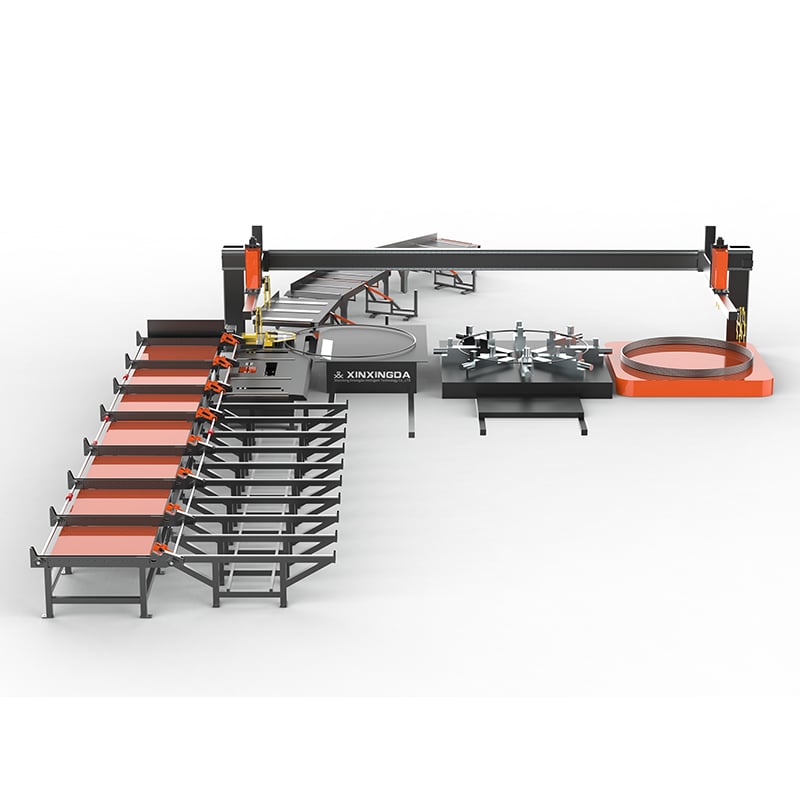
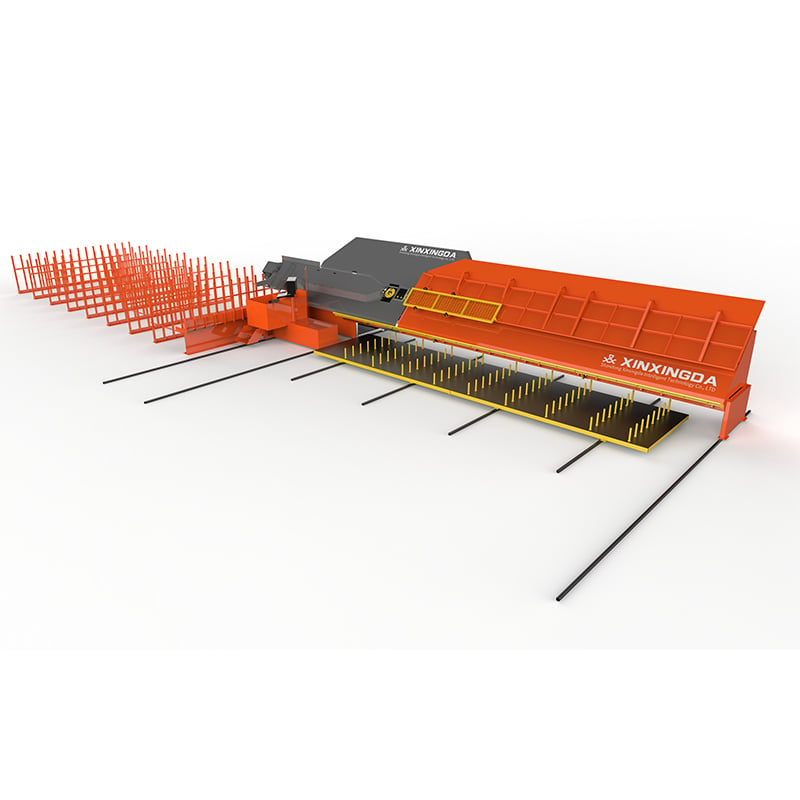
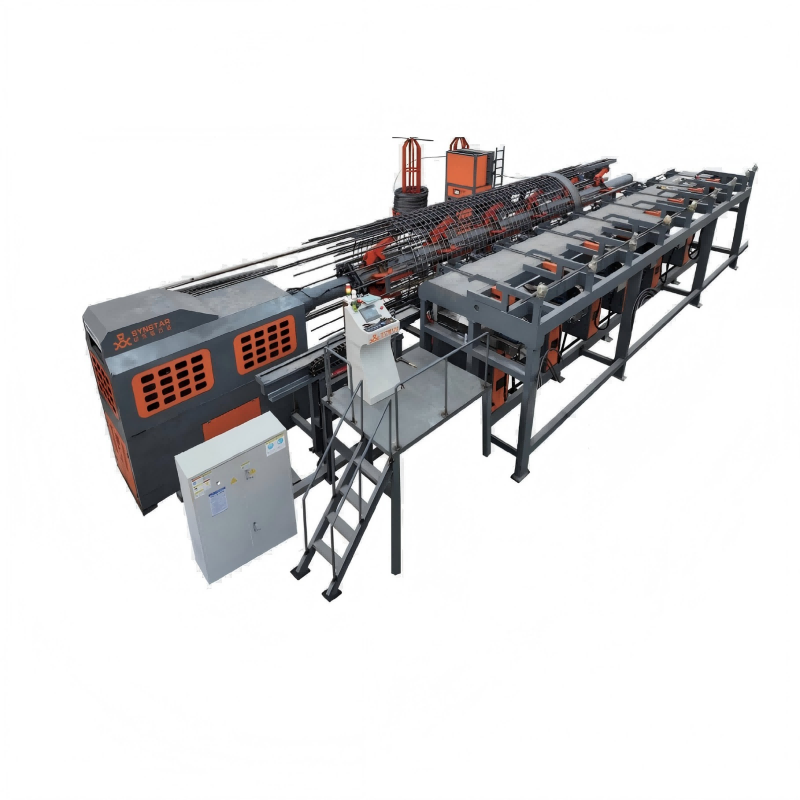
3. Linja ta’ produzzjoni CNC għat-taħżiq ta’ barri ta’ aċċaј
Dan it-tip ta’ prodotti kbar u medji jgħmel integrazzjoni ta’ diversi setturi industrijali bħal attrezzatura mekkaniċi, apparati idrauliċi u sistemi ta’ kontroll elettriku, u l-kompozizzjoni tal-ispejjeż tagħmel iktar komplikata:
Il-biżżezz tal-is-sistema mekkanika: Jinkludi r-rakki ħafna ħajjin tal-bord tal-ħoss, it-trakki tal-rolli tal-belt, l-entitajiet tat-tul tal-pipijiet, eċċ. Teħtieġ quantità kbira ta’ ħadid għall-bini u għandha struttura komplikata.
Il-biżżezz tas-sistema tal-biżżu tal-likwidu: Is-sistemi tal-biżżu tal-likwidu b’fluss għoli jteħdu pompas tal-benzina b’prestazzjoni għolja, valvuli u sistemi tal-ħalq.
Il-biżżezz tas-sistema tal-kontroll elettroniku: Il-kontrolluri programmabbli, is-skreen tal-lingwa, is-sensuri, id-drajvi tal-servu, eċċ. ifformaw part importanti tal-biżżezz.
Il-ħolqien u l-aggiustament attwali tas-software tal-mobili u l-biżżezz tal-debugging: Il-baħar u l-iżvilupp ta’ programpi tal-biżness u r-regolazzjoni attwali tagħmel konsum kbir ta’ riżorsi tekniki umani.
III. Approċċi u Strategiji Tekniċi biex innaqqsu l-biżżezz tal-proġett
1. Skont l-aggiustament tal-istruttura tal-elementi finiti
Billi ġew iffirmati analiżi tal-element ta' ħaġar fuq il-kumpunenti ewlenin li jwettqu l-ħsara bħas-silos u r-ras tal-biżzer, ġew osservati t-tajjeb tas-sħana u d-deformazzjoni. Il-materjal ġie neħħi minn arrejih li kien hemm stess li ma kienx suffiċjenti, u ġew miżżda kolonni strutturali f’arrejih li kienu soġġetti għall-istress biex jiġi aċċomplut id-disinn b’uġual forza. Din il-metodu tista' tnaqqis b’sħiħ il-piż netta tal-ħaġar mingħajr li tnaqqis il-performancja strutturale, li jirriżulta direttament fit-tnaqqis tal-ispeżi tal-materjal u tal-furjawra.
2. L-innovazzjoni indipendenti integrata tal-biżzerijiet tat-trasmissjoni
Il-ivvuluzzjoni tat-teknoloġija ġdida tas-sistema tat-trasmissjoni tista' semplifikah it-taħdid b’mod sinifikanti. Pereżempju, hemm patent ta’ invenzjoni li jiffranka l-pulley kbir mal-organiżazzjoni tat-tiswir u bil-ġear tat-trasmissjoni tat-qatgħa f’waħda, li jnaqqsu l-isfata intermedja tas-sistema tat-trasmissjoni u jagħmel it-taħdid kollu tal-apparat iktar kompatt. Din id-disinn ta’ integrazzjoni funzjonali ma tkunx biss in-naqsi tal-ġbir ta’ komponenti, it-taqbil tal-biżżejjed tal-materjal u l-ora tal-ipproċessar, imma wkoll in-naqsi tal-volum u tal-piż tal-apparat.
3. Il-kontroll standardizzat tat-teknoloġija tal-ipproċessar
Ttejib tal-proċess tat-taħmil: Billi tintuża t-teknoloġija tal-kontroll bil-kompjuter biex ttejib is-sistema tat-taħmil, il-biża’ tal-oggetti mefugħa tizda u n-nuqqas tal-prodotti difettużi jinnaqqsu.
Manipulazzjoni tal-metodu tat-trattament b’ħoss: Kontroll preċiż tal-forza u tal-intensità tal-linja ta’ karburizzazzjoni tal-gearboxijiet u tal-bliedes, biex jiżdamm il-resistenza għall-użu mingħajr li jkun hemm ħsara eċċessiva li tikkawża konsum ta’ enerġija u deformatur.
Standardizzazzjoni tat-teknoloġija tal-ipproċessar mekkaniċi: Iżviluppa proċeduri ta’ installazzjoni xjentifiċi u standards ta’ torq biex innaqqsu l-ħin ta’ rireġolazzjoni u l-biżżejjed ta’ rilavorazzjoni.
4. Aċquisizzjoni u Mmaniġment tas-Silta tas-Supplica
Billi nistabbilixxu sistema ta’ supplijers stabbli, aċqużizzjonijiet għal materjali f’bulk bħas-sidra, il-muturi elettriċi, il-biżzi tal-bbajja u l-kumpunenti idrawliċi huma ffittxija biex ikunu ġewwa l-avvantajji tal-prezzijiet ta’ aċquisizzjoni f’bulk. F’mod simultanju, nużaw relazzjonijiet ta’ kooperazzjoni teknika ma’ supplijers ta’ kumpunenti ewlenin biex iżviluppu b’saħħithom partijiet speċjalizzati, li mhux biss jikfuu l-biżżejjed tal-performancja imma jikkontrollaw ukoll il-biżżejjed tal-aċquisizzjoni.
IV. Konklussjoni
Il-biżżezz ta’ mašina għall-qatgħa ta’ barra ta’ ħadid huwa netwerk kompless li jikkonsisti minn ħafna fatturi bħall-materja prima, il-partijiet, il-ħaddiema u s-sistemi. Minn dawn, il-biżżezz tal-materja prima ta’ komponenti ewlenin bħall-kaxxa huwa l-fattur ewlieni. Il-prestazzjoni u l-ħajja tas-servizz ta’ attreżzi ewlenin tat-trasmissjoni jiddependu mis-soglia ta’ kwalità tal-prodott, u r-riċerka u l-iżvilupp tal-proġett huma l-forza ewlenija li tiddriżzi l-improvement tal-biżżezz.
Fil-konkurrenza tas-suq li tkun iżda aktar ħamra llum, l-entitajiet manifatturin m’għandhomx biss jippersekutu t-ta’ minimizzazzjoni tal-biżżez tal-provvista. Minflok, għandhom iwbdu vantaggi sistemiċi fil-biżża permezz tad-disinn ottimizzat strutturalment, it-tiżdida tal-proċessi u l-integrazzjoni tas-silta tas-suppli. Fit-tul, il-kontroll tal-biżża bbażat fuq l-inġinerija tal-valur – li tneħħi kollu l-biżżi li mhumiex meħtieġa waqt li tewli ħażina l-punti ta’ bejgħ u l-prestazzjoni tal-prodott – hija l-approċċ ewlieni għall-entitajiet li jirrappreżentaw l-iżvilupp b’alta kwalità. Bil-iżvilupp kontinwu tat-teknoloġiji tal-manifattura avvanzata u tal-materjali ġodda, l-istruttura tal-biżża tal-makkini għall-qatgħa tar-rebar se tkompli tirraba’, li jipprovdil lil entitajiet konstruzzjoni bil-maquinarju aktar effiċjenti u ekonomikament iktar ħlas li jipproċessaw ir-rebar.
 Xewk News
2026-05-27
2026-05-18
2026-05-12
2026-05-08
2026-05-01
2026-04-27
Copyright © 2026 Shandong synstar Intelligent Technology Co., Ltd. Dawn għar-reservati. - Politika ta’ Privatezza
 EN
EN