
 EN
EN
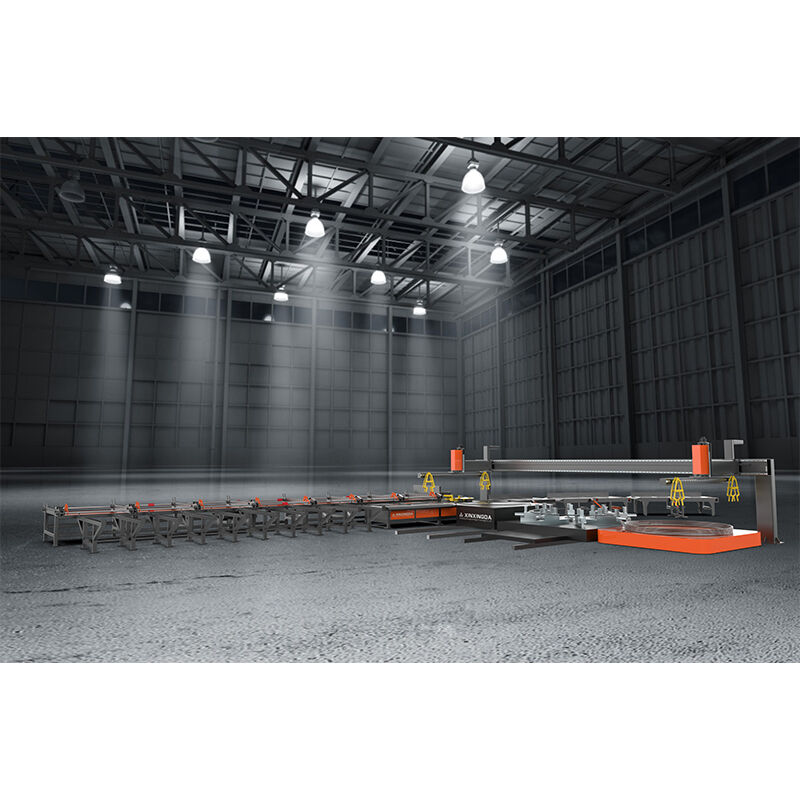
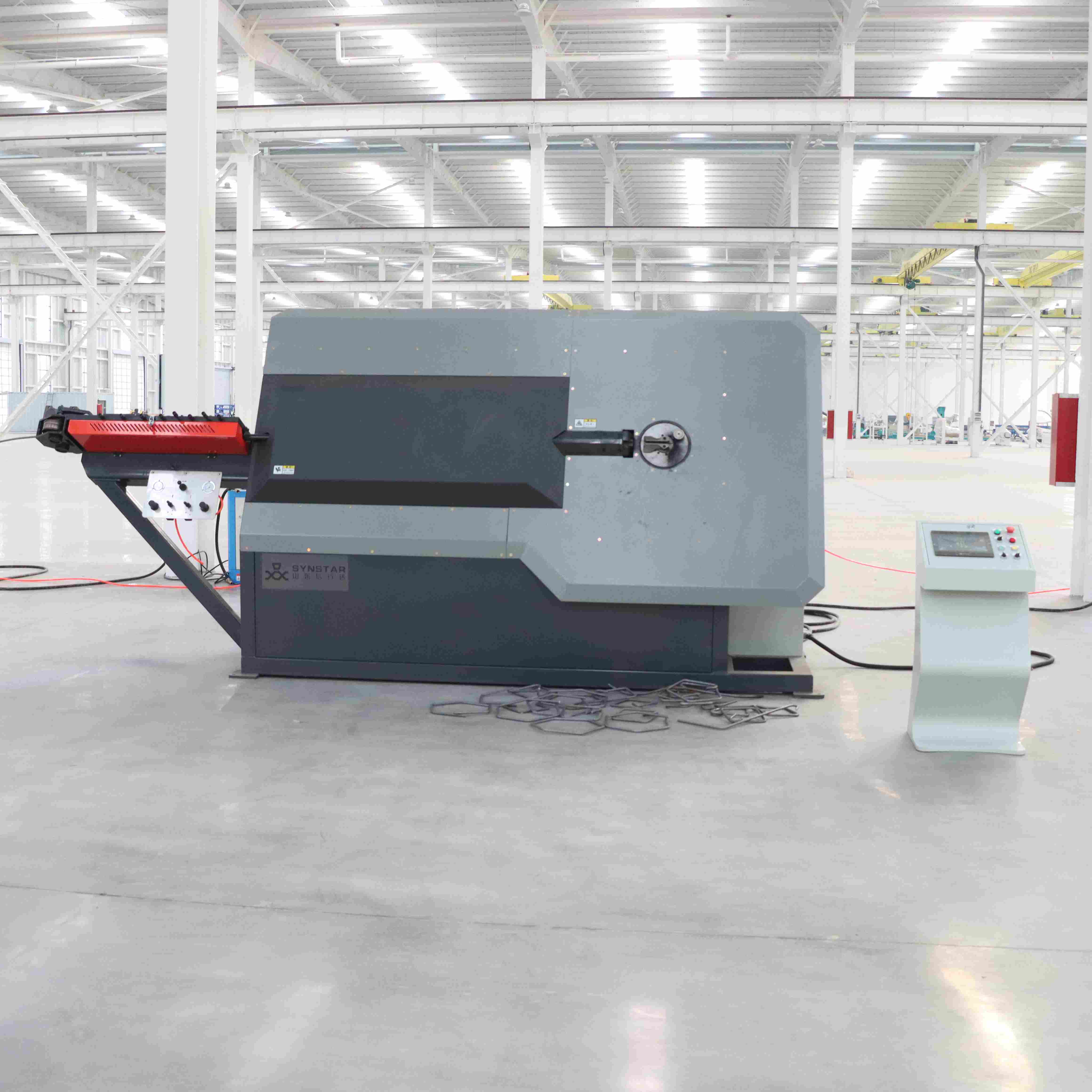
အင်ဂျင်နီယာနည်းပညာနှင့် စီမံကိန်းအများအပြားတွင် တိကျသော သံချေးခေါက်ချေးဖော်မှုလုပ်ငန်းများပေါ်တွင် အဆောက်အဦများ၏ ဖော်မော်လာများကို မှန်ကန်စွာ ဖော်မော်လာပေးရန် အရေးကြီးသည့် သံချေးခေါက်ချေးဖော်မှုစက် (rebar stirrup bender) သည် အဆောက်အဦလုပ်သမားများ၊ ဖော်မော်လာပေးသူများနှင့် အဆောက်အဦကုမ္ပဏီများအတွက် အရေးကြီးသော စက်ကိရိယာဖြစ်သည်။ ဤအထူးပြုထားသော စက်များသည် ဖော်မော်လာများအတွက် လိုအပ်သည့် ရှုပ်ထွေးသော သံချေးခေါက်ချေးပုံစံများကို ဖန်တီးရန် ဖော်မော်လာများကို ဖော်မော်လာပုံစံများသို့ ပြောင်းလဲပေးပါသည်။ ထို့ကြောင့် စီမံကိန်းများသည် အင်ဂျင်နီယာနည်းပညာအရ အတည်ပြုထားသော စံနှုန်းများကို အတည်ပြုနေပါသည်။ ထို့အပြင် စီမံကိန်းများသည် ထိရောက်မှုနှင့် တိကျမှုကို ထိန်းသိမ်းထားပါသည်။ အဆောက်အဦများမှ အခြေခံအဆောက်အဦများအထိ ယုံကြည်စိတ်ချရသော သံချေးခေါက်ချေးဖော်မှုစက်များ၏ အသုံးပုံအသုံးနည်းများသည် အဆောက်အဦလုပ်ငန်းများ၏ နယ်ပယ်များစွာတွင် ကျယ်ပေါ်စေပါသည်။ ထိုနယ်ပယ်များတွင် အဆောက်အဦများ၏ ဖော်မော်လာများ၏ အားကောင်းမှုကို အာမခံရန် မဖြစ်မနေလိုအပ်ပါသည်။
လုပ်ငန်းဆိုင်ရာ ဆောင်းပါးတည်ဆောက်မှုများ
အဆောက်အဦများ မြင့်မားစေရန် ဖွံ့ဖြိုးရေးလုပ်ငန်း
ခေတ်မှီ အဆောက်အဦးမြင့်များ တည်ဆောက်ရာတွင် သံမဏိချောင်းများ (rebar) ကို အလွန်တိကျစွာ ထည့်သွင်းတပ်ဆင်ရန် လိုအပ်ပါသည်။ ထို့ကြောင့် ဒေါင်လိုက်အဆောက်အဦးများတွင် လိုအပ်သော ရှုပ်ထွေးသော stirrup ပုံစံများကို ဖန်တီးရန်အတွက် ယုံကြည်စိတ်ချရသော rebar stirrup bender စက်များသည် အလွန်အရေးကြီးပါသည်။ ဤအဆောက်အဦးများတွင် ဖောင်ဒေးရှင်းအတွင်း အဝန်များကို မှန်ကန်စွာ ဖြန့်ဖြူးပေးနိုင်ရန်အတွက် အတိအကျသော အရွယ်အစားများဖြင့် ထုတ်လုပ်ထားသော stirrup အရေအတွက် ထောင်နှင့်ချီ၍ လိုအပ်ပါသည်။ အလိုအလျောက် ကွေးချိုးပေးသော စက်များမှ ရရှိသော တည်ငြိမ်မှုသည် လူသားများ၏ အမှားအမှင်များကို ဖယ်ရှားပေးပြီး ပစ္စည်းများ အကုန်အကှမ်း လျော့နည်းစေပါသည်။ စက်မှုအဆောက်အဦးများနှင့် ကုန်သွယ်ရေးအဆောက်အဦးများတွင် အလုပ်လုပ်နေသော အဖွဲ့များသည် မြေင့်မားသော အဆောက်အဦးများတွင် လိုအပ်သော မြေင့်မားသော တည်ငြိမ်မှု (seismic resistance) နှင့် လေအားဖိအား (wind load management) ကို ထိန်းသိမ်းရန်အတွက် ဤစက်များကို အသုံးပြုကြပါသည်။
အရည်အသွေးပါ ရီဘားစတီရပ်စ် ချိုင့်ခွက်ဖွင့်စက်၏ အမြန်နှုန်းနှင့် တိကျမှုသည် အဆောက်အဦးမြင့်များ တည်ဆောက်ရာတွင် စီမံကုန်းများ၏ အချိန်ဇယားကို တိုက်ရိုက်အကျိုးသက်ရောက်စေပါသည်။ လက်ဖြင့် ချိုင့်ခွက်ဖွင့်ခြင်းနည်းလမ်းများသည် ကုန်းမြေစီမံကုန်းကြီးများအတွက် လိုအပ်သော ထုတ်လုပ်မှုနှုန်းများကို မှီမောက်နိုင်ခြင်းမရှိပါ။ ထိုကဲ့သို့သော စီမံကုန်းများတွင် နေ့စဥ် စတီရပ်စ်ပုံစံများ ရှိသည်။ ထို့အပ besides၊ စက်မှုနည်းဖြင့် ချိုင့်ခွက်ဖွင့်ခြင်းဖြင့် ရရှိသော တစ်သေးတည်းသော အရည်အသွေးသည် အားလုံးသော အားထောက်ပံ့မှုအစိတ်အပိုင်းများသည် ဖွဲ့စည်းရေးအင်ဂျင်နီယာများ၏ အသေးစိတ်အတိုင်းအတာများနှင့် ကိုက်ညီကြောင်း သေချာစေပါသည်။ ထို့ကြောင့် စီမံကုန်းအတွင်း ကုန်ကျစရိတ်များ များပြားစေသည့် ပြန်လည်ပြုပြင်မှုများ သို့မဟုတ် ဖွဲ့စည်းရေးဆိုင်ရာ အားနည်းချက်များ ဖြစ်ပေါ်လာနိုင်ခြင်းကို လျော့နည်းစေပါသည်။
ရုံးအဆောက်အဦးများနှင့် အသုံးပြုမှုအမျိုးမျိုးပါ ဖွံ့ဖြိုးရေးများ
ရုံးခန်းများနှင့် အသုံးပြုမှုအမျိုးမျိုးရှိသည့် ဖွံ့ဖြိုးမှုများသည် စိတ်ကူးယဉ်မှုအားလုံးကို လိုအပ်သည့် အထူးသဖြင့် အသုံးပြုနိုင်သည့် သံမှုန်အိုးများကို ကွေးပေးသည့် စက်များ၏ စွမ်းရည်များကို လိုအပ်ပါသည်။ ဤစီမံကိန်းများတွင် အဆောက်အဦးအမျိုးမျိုးသည် အထပ်များစွာရှိပြီး အထပ်တစ်ခုနှင့် တစ်ခုတွင် ဖွဲ့စည်းမှုအရ လိုအပ်ချက်များ ကွဲပါသည်။ ထို့အပ além အဆောက်အဦးများတွင် အထူးသဖြင့် အသုံးပြုရမည့် သံမှုန်အိုးများ၏ ပုံစံများကို လိုအပ်ပါသည်။ အမျိုးမျိုးသော ကွေးခြင်းအစီအစဥ်များကို အစီအစဥ်သွင်းနိုင်ခြင်းသည် အဆောက်အဦး၏ နေရာအမျိုးမျိုးတွင် လိုအပ်သည့် သံမှုန်အိုးများ၏ အမျိုးမျိုးသော ပုံစံများကို ထိရောက်စွာ ထုတ်လုပ်နိုင်ရန် အထောက်အကူပေးပါသည်။
အသုံးပြုမှုအမျိုးမျိုးရှိသည့် ဖွံ့ဖြိုးမှုများသည် အိမ်ရာ၊ စီးပွားရေးနှင့် စျေးဝယ်စင်တာများကို တစ်ခုတည်းသော အဆောက်အဦးတွင် ပေါင်းစပ်ထည့်သွင်းလေ့ရှိပါသည်။ အဆောက်အဦးတွင် အသုံးပြုမှုအမျိုးမျိုးအတွက် အားကောင်းသည့် သံမှုန်အိုးများကို ကွေးပေးသည့် စက်များကို အသုံးပြုခြင်းဖြင့် အဆောက်အဦးအဖွဲ့များသည် စက်ကို အသုံးပြုရန် အချိန်ကုန်ပါသည်။ ဤလုံးဝသေးငယ်သည့် အချိန်ကုန်သည် အချိန်ကုန်သည့် အချိန်အတွင်း အမျိုးမျိုးသော အလုပ်အမျိုးမျိုးကို ညှိနှိုင်းရန် လိုအပ်သည့် စီမံကိန်းများတွင် အထောက်အကူဖြစ်ပါသည်။
အခြေခံအဆောက်အဦးနှင့် သယ်ယူပို့ဆောင်ရေး စီမံကိန်းများ
တံတားနှင့် အမြန်လမ်း တည်ဆောက်ခြင်း
တံတားဆောက်လုပ်မှုက ဒီစီမံကိန်းတွေမှာ တည်ဆောက်မှုစရိုက်ပြည့်ဝမှုရဲ့ အရေးပါတဲ့သဘာဝကြောင့် သံမဏိကြိုးကြိုးခေါက်စက်တွေအတွက် အပြင်းထန်ဆုံး အသုံးအဆောင်တစ်ခုဖြစ်တယ်။ လမ်းမကြီးတံတားများ၊ အထက်တံတားများနှင့် ခြေကျင်လမ်းလျှောက်လမ်းများတွင် ဆယ်စုနှစ်များစွာ အသုံးပြုနိုင်သည့် စွမ်းအင်မြင့် ဝန်ထုပ်ဝန်ပိုးမှု အခြေအနေများ၊ အပူချိန်အပြောင်းအလဲများနှင့် ပတ်ဝန်းကျင်ဆိုင်ရာ ဖိစီးမှုများနှင့် ရင်ဆိုင်နိုင်သော စင်ကာများ လိုအပ်သည်။ စက်သုံး ခေါက်စက်များ၏ တိကျမှုကြောင့် ခေါက်စက်တိုင်းသည် ရေရှည်ခံနိုင်ရန် လိုအပ်သော တိကျသော သတ်မှတ်ချက်များကို ပြည့်မီစေသည်။
သယ်ယူပို့ဆောင်ရေး အခြေခံအဆောက်အအုံ စီမံကိန်းများတွင် တူညီသော စိုက်ခင်းများ များစွာ လိုအပ်တတ်ပြီး ထုတ်လုပ်မှု ထိရောက်မှုသည် အဓိက စဉ်းစားစရာ ဖြစ်လာသည်။ စွမ်းဆောင်ရည်မြင့် သံချောင်းကွေးစက် တစ်နာရီကို ရာချီတဲ့ စိုက်ခင်းတွေကို ထုတ်လုပ်နိုင်ပြီး တစ်ချိန်တည်းမှာ တစ်သမတ်တည်း အရည်အသွေး စံနှုန်းတွေကို ထိန်းထားနိုင်ပါတယ်။ အစိုးရက ထောက်ပံ့တဲ့ အခြေခံအဆောက်အအုံ စီမံကိန်းတွေမှာ အချိန်ဆွဲမှု များစွာရှိပြီး အချိန်ဆွဲမှုတွေဟာ သိသာတဲ့ ကုန်ကျစရိတ် ဒဏ်ခတ်မှုတွေ ဖြစ်စေနိုင်တယ် ဆိုရင် ဒီစွမ်းရည်ဟာ မရှိမဖြစ် လိုအပ်ပါတယ်။
မြေအောက်ရေလှောင်တမံများနှင့် မြေအောက် တည်ဆောက်ခြင်း
မြေအောက်တွင် ဆောက်လုပ်ရေးလုပ်ငန်းများဖြစ်သည့် မြေအောက်ရထားလမ်းများ၊ အသုံးဝင်သည့် ကြေးနီများ သယ်ဆောင်ရေးအတွက် အခန်းများနှင့် မြေအောက်ရောင်းဝယ်ရေးနေရာများသည် အထူးသဖြင့် သံချေးများကို အသုံးပြု၍ အားဖော်ပေးရေးအတွက် ထူးခြားသည့် စိန်ခေါ်မှုများကို ဖန်တီးပေးပါသည်။ လမ်းများတွင် အသုံးများသည့် ကွေးခေါက်နှင့် မပုံမှန်သည့် ပုံစံများသည် သံချေးများကို သုံး၍ ရှုပ်ထွေးသည့် သုံးမျှောင်းပုံစံများကို ဖန်တီးနိုင်ရန် သံချေးများကို ကွေးခေါက်ပေးနိုင်သည့် စက်ကို လိုအပ်ပါသည်။ ဤလုပ်ငန်းများတွင် အသုံးများသည့် ထောင်လှန်းများနှင့် အရွယ်အစားများကို လိုအပ်ပါသည်။ ထိုသို့သည့် ထောင်လှန်းများနှင့် အရွယ်အစားများကို လက်ဖျားဖြင့် ဖန်တီးရေးသည် အရည်အသွေးကို တစ်သေးတစ်သေး ထိန်းသိမ်းရေးအတွက် အလွန်ခက်ခဲပါသည်။
မြေအောက်တွင် ဆောက်လုပ်ရေးလုပ်ငန်းများတွင် အသုံးများသည့် အကျဉ်းသော အလုပ်လုပ်ရေးနေရာများသည် မြေအောက်တွင် သံချေးများကို အသုံးပြု၍ အကြီးစား ဖန်တီးမှုလုပ်ငန်းများကို လုပ်ဆောင်ရေးအတွက် မဖြစ်နိုင်သည့် အခြေအနေကို ဖန်တီးပေးပါသည်။ ယုံကြည်စိတ်ချရသည့် သံချေးများကို ကွေးခေါက်ပေးနိုင်သည့် စက်ကို အသုံးပြု၍ ထောင်လှန်းများကို ကြိုတင်ဖန်တီးထားခြင်းဖြင့် မြေအောက်တွင် ရှိသည့် အကျဉ်းသော နေရာများတွင် အလုပ်သမားများသည် အထိရောက်ဆုံး အလုပ်လုပ်နိုင်မည်ဖြစ်ပါသည်။ စက်ဖြင့် ကွေးခေါက်ထားသည့် ထောင်လှန်းများ၏ တိကျမှုသည် မြေအောက်တွင် အလုပ်လုပ်ရေးအတွက် အထူးခက်ခဲသည့် နေရာများတွင် အလုပ်လုပ်ရေးအတွက် လိုအပ်သည့် ပြင်ဆင်မှုများကို လျော့နည်းစေပါသည်။
စက်မှုလုပ်ငန်းနှင့် ထုတ်လုပ်မှုစီမံခန့်ခွဲမှု အဆောက်အဦများ
စက်ရုံနှင့် သိုလှောင်ရေးနေရာများ ဆောက်လုပ်ရေး
စက်မှုလုပုပ်ငန်းများဖွဲ့စည်းရာတွင် ထုတ်လုပ်ရေးစက်ရုံများ၊ ဖြန့်ဖြူးရေးစင်တာများနှင့် အသုံးပြုမှုစက်ရုံများကဲ့သို့သော စက်မှုအဆောက်အဦများသည် အလေးချိန်များသော စက်မှုပစ္စည်းများ၊ ပစ္စည်းများ၏ အလေးချိန်များနှင့် အရှိန်အဟုန်များကို ထောက်ပံ့ပေးနိုင်ရန် အားကောင်းသော အဆောက်အဦအခြေခံဖွဲ့စည်းပုံများ လိုအပ်ပါသည်။ ဤလုပ်ဆောင်မှုများတွင် အသုံးပြုသည့် သံချောင်းများ (stirrups) သည် စက်မှုအဆောက်အဦများတွင် အများအားဖြင့် ဖြစ်ပေါ်လာသည့် အလေးချိန်များ၏ လမ်းကြောင်းများနှင့် ဖိအားများ စုစည်းမှုများကို အတိအကျ ဖော်ထုတ်နိုင်ရန် အတိအကျ ပုံသေးမှုဖြင့် ဖန်တီးထားရပါမည်။ ယုံကြည်စိတ်ချရသော သံချောင်းများ ကွေးချိုးစက် (rebar stirrup bender) သည် အားလုံးသော အားထောက်ပံ့မှုအစိတ်အပိုင်းများသည် စက်မှုလုပ်ငန်းများအတွက် အလွန်မှ တင်းကြပ်သော လိုအပ်ချက်များကို ဖော်ထုတ်ပေးနိုင်ရန် အာမခံပေးပါသည်။
အကွာအဝေးကြီးသော စက်မှုအဆောက်အဦများတွင် အသုံးပြုသည့် ကြိုတင်ထုတ်လုပ်ထားသော ကွန်ကရစ်အစိတ်အပိုင်းများသည် အသုံးပြုရေးအတွက် အတိအကျသော အရွယ်အစားများရှိသော သံချောင်းများ (stirrups) ကို လိုအပ်ပါသည်။ အလိုအလျောက် ကွေးချိုးခြင်းလုပ်ငန်းစဉ်များမှ ရရှိသည့် တည်ငြိမ်မှုသည် ကြိုတင်ထုတ်လုပ်ထားသော အစိတ်အပိုင်းများကြား ကွဲလွဲမှုများကို ဖျောက်ဖျက်ပေးပါသည်။ ဤအတိအကျမှုသည် အဆောက်အဦအတွင်း အတိအကျသော အချိန်ကာလများသည် စျေးကောင်းသော ထုတ်လုပ်ရေးစက်ပစ္စည်းများ၏ တပ်ဆင်မှုနှင့် လုပ်ဆောင်မှုကို တိုက်ရိုက်သက်ရောက်မှုရှိသည့် စက်မှုလုပ်ငန်းများတွင် အထူးအရေးကြီးပါသည်။
လျှပ်စစ်ထုတ်လုပ်ရေးနှင့် အသုံးပြုမှုအခြေခံအဆောက်အအုံများ
လျှပ်စစ်ဓာတ်အားထုတ်လုပ်ရေးစက်ရုံများ၊ အားဖော်စက်ရုံများနှင့် အသုံးပြုမှုအခြေခံအဆောက်အအုံများသည် ဖွဲ့စည်းပုံဆိုင်ရာ ယုံကြည်စိတ်ချရမှုအဆင့်အများဆုံးကို လိုအပ်ပါသည်။ ထို့ကြောင့် ပရောဂျက်အောင်မြင်မှုအတွက် သံမဏိချောင်းများကို ကွေးပေးသည့် စက်ကိရိယာများကို ရွေးချယ်ရေးသည် အလွန်အရေးကြီးပါသည်။ ဤအဆောက်အအုံများသည် ငလျင်ဖြစ်ပွားမှုများ၊ မြင့်မားသော လေပုတ်ခြင်းများနှင့် အလေးချိန်များသော စက်ကိရိယာများမှ ဖြစ်ပေါ်လာသည့် လုပ်ဆောင်မှုဆိုင်ရာ ဖိအားများကို ခံနိုင်ရည်ရှိရန် လိုအပ်ပါသည်။ ဤလုပ်ဆောင်မှုများတွင် အသုံးပြုသည့် သံမဏိချောင်းများသည် ဤစိန်ခေးသည့် အခြေအနေများအောက်တွင် အကောင်းမွန်ဆုံး လုပ်ဆောင်နိုင်ရန် တိကျသည့် ထုတ်လုပ်မှုကို လိုအပ်ပါသည်။
နျူကလီးယားစွမ်းအင်စက်ရုံများနှင့် အခြားသေးငယ်သော အရေးကြီးသော အခြေခံအဆောက်အအုပ်များသည် အများအားဖြင့် တည်ဆောက်ရေးပစ္စည်းများနှင့် လုပ်ငန်းစဉ်များအားလုံးကို အသေးစိတ်မှတ်တမ်းတင်ရန် လိုအပ်သည့် ထူးခြားသော လုံခြုံရေးနှင့် အရည်အသွေးဆိုင်ရာ လိုအပ်ချက်များရှိပါသည်။ ခေတ်မှီ သံချေးခေါက်စက်များသည် အရွယ်အစားအတည်ပြုခြင်းနှင့် ပစ္စည်းများ၏ အများအားဖြင့် အသုံးပြုမှုအကြောင်းအရာများကို ပါဝင်သည့် အသေးစိတ်ထုတ်လုပ်မှုမှတ်တမ်းများကို ပေးစေနိုင်ပါသည်။ ဤစွမ်းရည်သည် အရေးကြီးသော အခြေခံအဆောက်အအုပ်များတွင် လိုအပ်သည့် စည်းမျဉ်းစည်းကမ်းများနှင့် အရည်အသွေးအာမခံခြင်း လုပ်ထုံးလုပ်နည်းများကို ဖော်ထုတ်ရန် အရေးကြီးပါသည်။
နေအိမ်နှင့် အိမ်ရာဖွံ့ဖေါ်ရေး
မိသားစုအများအတွက် နေထိုင်ရေးအဆောက်အဦ စီမံကိန်းများ
အပေါ်ထပ်နေအိမ်များ၊ ကွန်ဒိုမီနီယမ်များနှင့် အိမ်ခြေများ စသည့် ကြီးမားသော နေအိမ်ဖွံ့ဖြိုးရေးလုပုံစဥ်များသည် အလိုအလျောက် ရေဘာ စတီရပ် ခေါက်စက်များ၏ ထိရောက်မှုနှင့် တစ်သေးတည်းဖြစ်မှုများမှ အထူးသဖြင့် အကျေးဇူးပါသည်။ ဤလုပုံစဥ်များတွင် စံသတ်မှတ်ထားသော အရွယ်အစားများဖြင့် စတီရပ်များ ထောင်နှင့်ချီ၍ လိုအပ်ပါသည်။ ထို့ကြောင့် ထုတ်လုပ်မှု ထိရောက်မှုသည် လုပုံစဥ်၏ အမြတ်အစွန်းကို ဆုံးဖြတ်သည့် အဓိကအချက်ဖြစ်ပါသည်။ အတူတူဖြစ်သော စတီရပ်များကို မြန်မြန်နှင့် တိကျစွာ အရေအတွက်များစွာ ထုတ်လုပ်နိုင်ခြင်းသည် ဖွံ့ဖြိုးရေးလုပုံစဥ်များအား ယှဉ်ပေးနိုင်သော စျေးနှုန်းများကို ထိန်းသိမ်းရာတွင် အထောက်အကူဖြစ်စေပါသည်။ ထို့အပေါ်အခြေခံ၍ တည်ဆောက်မှုအရည်အသွေးကို အာမခံနိုင်ပါသည်။
မိသားစုများစုပုံနေထိုင်ရာ လုပုံစဥ်များတွင် အများအားဖြင့် ထပ်ခါထပ်ခါ အသုံးပြုသည့် အိမ်များသည် စုန်းသော ရေဘာ စတီရပ် ခေါက်စက်များကို အများဆုံး ထိရောက်မှုဖြင့် အသုံးပြုနိုင်ရန် အခွင့်အလမ်းပေးပါသည်။ စက်ကို လိုအပ်သည့် စတီရပ်ပုံစံများအတွက် အစီအစဥ်သတ်မှတ်ပြီးနောက် လုပ်သမ်းများ၏ လုပ်ဆောင်မှုနည်းနည်းသာ လိုအပ်ပါသည်။ ဤအလိုအလျောက်စနစ်သည် လုပ်သမ်းစုန်းကုန်ကုန်ကျစ်မှုကို လျော့နည်းစေပါသည်။ ထို့အပေါ်အခြေခံ၍ ကျွမ်းကျင်သော လုပ်သမ်းများသည် တည်ဆောက်ရေးလုပ်ငန်း၏ အခြားအပိုင်းများတွင် အာရုံစိုက်နိုင်ပါသည်။
အထူးပြုထားသော အိမ်များနှင့် အဆင့်မြင့် တည်ဆောက်ရေးလုပ်ငန်းများ
အဆင့်မြင့် နေအိမ်များ တည်ဆောက်ရာတွင် များသောအားဖြင့် ရှုပ်ထွေးသော ဗိသုကာလက်ရာများ၊ ကွေးခေါက်နေသော နံရံများနှင့် အထူးပြုထုတ်လုပ်ထားသော ဖွဲ့စည်းပုံဆိုင်ရာ အသေးစိတ်အချက်များ ပါဝင်ပြီး ၎င်းတို့အတွက် စံမှတ်မထားသော သံချောင်း ပုံစံများ (stirrup configurations) ကို လိုအပ်ပါသည်။ အစီအစဉ်သွင်းနိုင်သော စွမ်းရည်ရှိသော ကွဲပြားသော အသုံးပုံအများအပြားရှိသော သံချောင်း ပုံဖော်စက် (rebar stirrup bender) သည် အဆင့်မြင့် နေအိမ်များနှင့် အထူးပြုထုတ်လုပ်ထားသော ဒီဇိုင်းများအတွက် လိုအပ်သော ထူးခြားသော အားမြှောက်မှုပုံစံများကို အောင်မြင်စွာ ဖန်တီးပေးနိုင်ပါသည်။ ဤစက်များ၏ တိကျမှုသည် ရှုပ်ထွေးသော သံချောင်းပုံစံများပါ ဖွဲ့စည်းပုံအင်ဂျင်နီယာများ၏ အတည်ပြုချက်များနှင့် ကိုက်ညီစေရန် အာမခံပေးပါသည်။
အထူးပြုထုတ်လုပ်ထားသော နေအိမ်များအတွက် စံနှုန်းမြင့်မှု လိုအပ်ချက်များနှင့် စံနှုန်းမြင့် တည်ဆောက်မှု အတိအကျများကို ပုံမှန် အိမ်ရာဖွံ့ဖြိုးရေးများထက် ပိုမိုတင်မြင့်သော လိုအပ်ချက်များ ရှိပါသည်။ ယုံကြည်စိတ်ချရသော သံချောင်း ပုံဖော်စက် (rebar stirrup bender) မှ ပေးစေသော တည်ငြိမ်မှုသည် အားမြှောက်မှုအစိတ်အပိုင်းအားလုံးသည် ဤမြင့်မားသော စံနှုန်းများနှင့် ကိုက်ညီကြောင်း အာမခံပေးပါသည်။ ထို့အပ besides အထူးပြုထုတ်လုပ်ထားသော သံချောင်းများကို အများအားဖြင့် အရ быстр ထုတ်လုပ်နိုင်သော စွမ်းရည်သည် လက်ဖှဲ့ဖွဲ့စည်းမှုနည်းလမ်းများဖြင့် ထုတ်လုပ်ရာတွင် အလွန်စုံစမ်းမှုရှိသော အထူးပြုထုတ်လုပ်ထားသော ဖွဲ့စည်းပုံဆိုင်ရာ အစိတ်အပိုင်းများကို စီးပွားရေးအရ အကောင်အထောက်အကူဖြစ်စေရန် စီမံဆောင်ရွက်ပေးပါသည်။
ကြိုတင်ပုံသေထားသော ကွန်ကရစ် ထုတ်လုပ်ခြင်း
အဆောက်အဦးဆိုင်ရာ ကြိုတင်ပုံသေထားသော အစိတ်အပိုင်းများ
ကြိုတင်ပုံသေထားသော ကွန်ကရစ် ထုတ်လုပ်သူများသည် ၎င်းတို့၏ ထုတ်ကုန်များ၏ မှန်ကန်သော ကိုက်ညီမှုနှင့် စွမ်းဆောင်ရည်ကို အာမခံရန် စတီရပ် (stirrup) ထုတ်လုပ်မှုတွင် အထူးတော်မှန်ကန်မှုကို လိုအပ်ပါသည်။ အဆောက်အဦးဆိုင်ရာ ကြိုတင်ပုံသေထားသော အစိတ်အပိုင်းများဖြစ်သည့် နံရံပိုင်းများ၊ အလှဆင်ထားသော မျက်နှာပုံများနှင့် ဖွဲ့စည်းပေးသော အစိတ်အပိုင်းများတွင် စတီရပ်များ၏ အရှုပ်ထွေးသော အားကောင်းသော ပုံစံများကို အများအားဖြင့် အသုံးပြုကြပါသည်။ ထိုသို့သော အားကောင်းသော ပုံစံများသည် စတီရပ်များ၏ အရှိန်အဝါးများကို တူညီစေရန် လိုအပ်ပါသည်။ အထူးတော်မှန်ကန်သော သံချေးမှုန် (rebar) စတီရပ် ခေါက်စက်သည် ထုတ်လုပ်သူများအား ကြိုတင်ပုံသေထားသော ထုတ်လုပ်မှုအတွက် လိုအပ်သော အလွန်တိကျသော အတိုင်းအတာများကို ထိန်းသိမ်းရန် အထောက်အကူပေးပါသည်။
ကြိုတင်ပုံသေထားသော ထုတ်လုပ်မှု၏ ထပ်ခါထပ်ခါ ပြုလုပ်ရသော သဘောသည် အလွန်အသုံးဝင်သော အလိုအလျောက်စနစ်များကို အထူးသဖြင့် အသုံးပြုရန် အကောင်းဆုံးဖြစ်စေပါသည်။ အကြီးစား စီမံကိန်းများအတွက် တူညီသော စတီရပ်ပုံစံများကို ထောင်နှင့်ခုနှစ်ထောင်ခုနှစ်ရှိသည်အထိ ထုတ်လုပ်ရန် လိုအပ်ပါသည်။ ခေတ်မှီသော သံချေးမှုန် (rebar) စတီရပ် ခေါက်စက်များသည် အစီအစဥ်များကို အများအားဖြင့် အများအပြား သိမ်းဆောင်ထားနိုင်ပါသည်။ ထို့ကြောင့် ထုတ်လုပ်သူများသည် အသုံးပြုရန် အချိန်ကုန်နည်းစွာဖြင့် ထုတ်ကုန်အများအပြားကို အလွယ်တက် ပြောင်းလဲနိုင်ပါသည်။ ယင်းသို့သော လွယ်ကူစွာ ပြောင်းလဲနိုင်မှုသည် ပြိုင်ဆိုင်မှုများသော ကြိုတင်ပုံသေထားသော ဈေးကွက်များတွင် ထုတ်လုပ်မှုအစီအစဥ်များကို ထိရောက်စွာ ထိန်းသိမ်းရန် အရေးကြီးပါသည်။
ဖွဲ့စည်းပုံဆိုင်ရာ ကြိုတင်ထုတ်လုပ်ထားသော အစိတ်အပိုင်းများ
ချောင်းများ၊ ကြိုးတန်းများနှင့် အုတ်ချပ်များကဲ့သို့သော ဖွဲ့စည်းပုံဆိုင်ရာ ကြိုတင်ထုတ်လုပ်ထားသော အစိတ်အပိုင်းများသည် ဖွဲ့စည်းပုံဆိုင်ရာ စွမ်းဆောင်ရည်နှင့် ဆက်သွယ်မှုအသေးစိတ်အတွက် တိကျသော အရွယ်အစားများရှိသော ကြိုးတန်းများ (stirrups) ကို လိုအပ်ပါသည်။ ကြိုးတန်းများ ထုတ်လုပ်မှု၏ အရည်အသွေးသည် ကြိုတင်ထုတ်လုပ်ထားသော အစိတ်အပိုင်းများ၏ အားကောင်းမှုနှင့် ကြာရှည်ခံမှုကို တိုက်ရိုက်သက်ရောက်မှုရှိပါသည်။ ထို့ကြောင့် စက်ပစ္စည်း၏ ယုံကြည်စိတ်ချရမှုသည် အရေးကြီးသော စဉ်းစားရမည့်အချက်ဖြစ်ပါသည်။ ယုံကြည်စိတ်ချရသော သံကြေးကြိုးတန်း ကွေးချိုးစက်သည် ထုတ်လုပ်သူများအား ထုတ်လုပ်မှုအချိန်ဇယားများကို ဖောက်ထွင်းနေသည့် လုပ်ငန်းစဉ်များကို အောင်မြင်စွာ လုပ်ဆောင်ရန်နှင့် ထုတ်ကုန်အရည်အသွေးကို တူညီစေရန် အထောက်အကူပေးပါသည်။
ကြိုတင်ထုတ်လုပ်ထားသော ထုတ်လုပ်သူများသည် အများအားဖြင့် သံကြေးကြိုးအရွယ်အစားများနှင့် အမျိုးအစားများစွာကို အသုံးပြုကြပါသည်။ ထို့ကြောင့် ကွေးချိုးစက်သည် ကွဲပြားသော သံကြေးကြိုးအမျိုးအစားများကို ကိုင်တွယ်နိုင်ရန် လိုအပ်ပါသည်။ ကွေးချိုးစက်၏ ကိရိယာများကို မျှင်မျှင်ချောချော အလွ easily ပြောင်းလဲနိုင်ခြင်းနှင့် ကွေးချိုးမှု အချက်အလက်များကို မျှင်မျှင်ချောချော ညှိနိုင်ခြင်းသည် ထုတ်လုပ်သူများအား သံကြေးကြိုးအမျိုးအစားများစွာကို အချိန်ကုန်မှုနည်းပါးစွာဖြင့် ထုတ်လုပ်နိုင်ရန် အထောက်အကူပေးပါသည်။ ထုတ်လုပ်သူများသည် ဖွဲ့စည်းပုံဆိုင်ရာ လိုအပ်ချက်များ ကွဲပြားသည့် ဈေးကွက်များကို ဝန်ဆောင်မှုပေးနေသည့်အတွက် ဤအမျိုးမျိုးသော စွမ်းရည်သည် အထောက်အကူပေးမှုအတွက် အထောက်အကူပေးပါသည်။
အထူးပြုထားသော အဆောက်အဦ အသုံးပြုမှုများ
ပင်လယ်နှင့် ကမ်းရိုးတန်းဆောက်လုပ်ရေး
ပိုင်းခြားထားသော ပိုမိုမှန်ကန်သော အရွယ်အစားများနှင့် ပိုမိုကောင်းမွန်သော ချေးတက်ခြင်းကို ခံနိုင်ရည်ရှိမှု ဂုဏ္မကြီးများ လိုအပ်သည့် ပင်လယ်ရေပိုင်နက်ဆောက်လုပ်ရေး စီမံကိန်းများ (ဥပမါ- ရေကူးကမ်းခြေများ၊ ပင်လယ်ရေကြောင်း ကာရှုံးများနှင့် ပင်လယ်ပြင်တွင် တည်ဆောက်သော အဆောက်အဦများ) သည် အထူးသဖြင့် ပိုမိုမှန်ကန်သော စတာပ်ပ်များ (stirrups) ကို အသုံးပြုရန် လိုအပ်သည့် ထူးခြားသော စိန်ခေါ်မှုများကို ဖန်တီးပေးပါသည်။ ဤအသုံးပြုမှုများအတွက် ရေရှည်တွင် အတိအကျရှိမှုကို ထိန်းသိမ်းရန် လိုအပ်သည့် ရှုပ်ထွေးသော အားဖော်မှုပုံစံများကို ဖန်တီးရန် စိတ်ချရသော သံချေးချေးအမ်းမှု စက်မှုကိရိယာများ (rebar stirrup bender) သည် အောက်ခြေအဆောက်အဦများအတွက် အရေးကြီးသည့် အခန်းကဏ္ဍမှ ပါဝင်ပါသည်။
ကမ်းရိုးတန်းဆောက်လုပ်ရေးလုပ်ငန်းများတွင် သံမဏိအများအားဖြင့် စတိန်လက်စ်သံမဏိ (stainless steel) သို့မဟုတ် အီပေါက်စီဖုံးအုပ်ထားသော သံချေးချေးများ (epoxy-coated reinforcement) ကဲ့သို့သော အထူးသံချေးချေးများကို အသုံးပြုရန် လိုအပ်ပါသည်။ ထိုသံချေးချေးများသည် ပုံမှန်ကာဗွန်သံမဏိ (carbon steel) ထက် ကွဲပြားသော အမ်းခြင်းအတွက် အချက်အလက်များကို လိုအပ်ပါသည်။ ခေတ်မှီသံချေးချေး စတာပ်ပ်မ်းအမ်းမှု စက်မှုကိရိယာများသည် ထိုသံချေးချေးများ၏ ကွဲပြားမှုများကို အသုံးပြုနိုင်ပါသည်။ ထို့အပှင့် အမ်းခြင်းအရည်အသွေးကို တစ်သီးတန်းထားရန် လိုအပ်ပါသည်။ ချေးတက်ခြင်းကို ခံနိုင်ရည်ရှိမှုအတွက် သံချေးချေးများကို ရွေးချယ်ရေးသည် အရေးကြီးသည့် ပင်လယ်ရေပိုင်နက်ဆောက်လုပ်ရေး စီမံကိန်းများတွင် သံချေးချေးအများအများကို အသုံးပြုနိုင်ရန် အရေးကြီးပါသည်။
ငလျင်ဒဏ်ခံနိုင်ရည်မြင့်တင်ခြင်းနှင့် ပြန်လည်ထူထောင်ရေး
ငလျင်ဒဏ်ခံနိုင်ရည်မြင့်တင်ရေးစီမံကုန်းများတွင် ငလျင်အားများကို ခံနိုင်ရည်ရှိစေရန် ရှိပ already သည့် အဆောက်အဦများကို အားကောင်းစေရန် အတိအကျရှိသည့် စတီရပ် (stirrup) ဖန်တီးမှုလုပ်ငန်းများ လိုအပ်ပါသည်။ ဤလုပ်ဆောင်မှုများတွင် အများအားဖြင့် ရှိပ already သည့် အဆောက်အဦအတွင်း ကိုက်ညီရမည့် အထူးစတီရပ်ပုံစံများကို ဖန်တီးရန် လိုအပ်ပါသည်။ ထိုသို့သော ပုံစံများသည် အားကောင်းစေရေး စွမ်းရည်ကို မြင့်တင်ပေးရန် လိုအပ်ပါသည်။ စတီရပ်များကို မှန်ကန်စွာ ကွေးနိုင်သည့် စီမံခန့်ခွဲမှုအားလုံးပါဝင်သည့် ဘား (rebar) စတီရပ်ကွေးစက်သည် ငလျင်ဒဏ်ခံနိုင်ရည်မြင့်တင်ရေးအတွက် လိုအပ်သည့် အထူးပုံစံများကို ထည့်သွင်းကွေးနိုင်စေပါသည်။ ထိုသို့သော စက်သည် ထည့်သွင်းမှု အထိရေးမှုကို မထိခိုက်စေဘဲ အသုံးပြုနိုင်ပါသည်။
ပြန်လည်ထူထောင်ရေးစီမံကုန်းများတွင် အထူးအရှည်အဝေးများဖြင့် စတီရပ်အနည်းငယ်ကို အများအားဖြင့် လိုအပ်ပါသည်။ ထို့ကြောင့် စတီရပ်ကွေးစက်များတွင် ပြောင်းလဲနိုင်မှုနှင့် မြန်မြန်စတင်နိုင်မှုတို့သည် အရေးကြီးသည့် လုပ်ဆောင်ခွဲများဖြစ်ပါသည်။ အထူးကွေးမှုအစီအစဥ်များကို အစီအစဥ်ဖွဲ့နိုင်မှုသည် စီမံကုန်းအများအားဖြင့် လိုအပ်သည့် အထူးအားကောင်းစေရေး ပစ္စည်းများကို ထိရေးမှုဖြင့် ထုတ်လုပ်နိုင်စေပါသည်။ ထိုသို့သော စွမ်းရည်သည် သမိုင်းဝင် အဆောက်အဦများ သို့မဟုတ် စံချိန်များနှင့် ကွဲပါသည့် အဆောက်အဦများတွင် အလွန်အရေးကြီးပါသည်။
မေးလေ့ရှိသောမေးခွန်းများ
ကုန်သည်ရေးဆောင်းမှုအတွက် သံမိုလီဖိုင်ဘာ (rebar) စတီရပ်ပ် (stirrup) ချိုင်းကောက်စက်ကို ရွေးချယ်ရာတွင် မည့်သည့်အချက်များကို ထည့်သွင်းစဉ်းစားသင့်ပါသနည်း။
ကုန်သည်ရေးဆောင်းမှုအတွက် သံမိုလီဖိုင်ဘာ (rebar) စတီရပ်ပ် (stirrup) ချိုင်းကောက်စက်ကို ရွေးချယ်ရာတွင် ထုတ်လုပ်မှုစွမ်းရည်လိုအပ်ချက်များ၊ သင်အသုံးပြုမည့် သံမိုလီဖိုင်ဘာ (rebar) အရွယ်အစားများ၏ အကျယ်အဝန်းနှင့် သင်၏ ပုံမှန်စီမံကိန်းများအတွက် လိုအပ်သည့် စတီရပ်ပ် (stirrup) ပုံသဏ္ဍာန်များ၏ ရှုပ်ထွေးမှုအဆင့်များကို ထည့်သွင်းစဉ်းစားရပါမည်။ စက်၏ ပရိုဂရမ်ရေးသားမှုစွမ်းရည်များ၊ စတပ်အချိန်လိုအပ်ချက်များနှင့် နည်းပညာပံ့ပိုးမှုနှင့် အပိုပစ္စည်းများရရှိနိုင်မှုကို အကဲဖြတ်ပါ။ ထို့အပ besides စက်ပစ္စည်း၏ ခံနိုင်ရည်နှင့် ပုံမှန်ပြုပြင်ထိန်းသိမ်းမှုလိုအပ်ချက်များကိုလည်း အကဲဖြတ်ပါ။ အကြောင်းမှာ ကုန်သည်ရေးဆောင်းမှုများသည် အနည်းငယ်သာ အနောက်ကြောင်းဖြစ်နိုင်သည့် အချိန်ကုန်သက်သက်ဖြင့် အဆက်မပါးစွာ လုပ်ဆောင်ရန် လိုအပ်သောကြောင့်ဖြစ်သည်။
သံမိုလီဖိုင်ဘာ (rebar) စတီရပ်ပ် (stirrup) ချိုင်းကောက်စက်များတွင် အလိုအလျောက်လုပ်ဆောင်မှုစနစ်များ ထည့်သွင်းခြင်းဖြင့် တည်ဆောက်ရေးစီမံကိန်းများ၏ ထိရောက်မှုကို မည်သို့မြင့်တင်ပေးပါသနည်း။
အလိုအလျောက် သံချေးခွေးမှုန်းစက်များသည် ထုတ်လုပ်မှုနှုန်းများကို မြင့်တင်ခြင်း၊ အရည်အသွေးတည်ငြိမ်မှုကို အာမခံခြင်းနှင့် လုပ်သမ်းအင်အားလိုအပ်ချက်များကို လျော့နည်းစေခြင်းဖြင့် စီမံကိန်း၏ အကောင်အယောင်ကောင်းမှုကို သိသိသာသာ မြင့်တင်ပေးပါသည်။ ဤစက်များသည် လုပ်သမ်း၏ လုပ်ဆောင်မှုနည်းနည်းသာ လိုအပ်ပြီး နှစ်နှစ်ခြင်း လုပ်ဆောင်နိုင်ပါသည်။ တစ်နှစ်လျှင် သံချေးခွေးမှုန်းပုံစံပေါင်း ရှုပ်ထွေးမှုများကို နှစ်ပေါင်းများစွာ ထုတ်လုပ်နိုင်ပါသည်။ ထို့အပြင် အတိအကျရှိသော အရွယ်အစားများကို ထိန်းသိမ်းပေးပါသည်။ အလိုအလျောက်စနစ်သည် ခွေးမှုန်းထောင်လေးမှုန်းထောင်ခြင်းနှင့် အကွာအဝေးတွင် လူသားမှုအမှားများကို ဖယ်ရှားပေးပါသည်။ ထို့ကြောင့် ပစ္စည်းများ ဖုန်းထောင်ခြင်းနှင့် တည်ဆောက်ရေးနေရာများတွင် ပြန်လည်ပြုပြင်ရန် လိုအပ်မှုများကို လျော့နည်းစေပါသည်။
သံချေးခွေးမှုန်းစက်များကို ယုံကြည်စိတ်ချရစွာ လုပ်ဆောင်နိုင်ရန်အတွက် မည်သည့် ပုံမှန်ပြုပြင်ထိန်းသောက်မှုများကို လုပ်ဆောင်ရန် အရေးကြီးပါသည်။
ပုံမှန်ထိန်းသိမ်းရေးလုပ်ဆောင်ချက်များတွင် အရှိန်မြင့်စက်ပိုင်းအစိတ်အပိုင်းများကို နေ့စဉ်သန့်ရှင်းရေးနှင့် အဆီပေးခြင်း၊ အကွေးဖောက်ခြင်းအတွက် အသုံးပြုသည့် ကိရိယာများကို ပုံမှန်စစ်ဆေး၍ ပျက်စီးမှုရှိမရှိ စစ်ဆေးခြင်းနှင့် အတိအကျရှိမှုကို အာမခံရန် ကိရိယာများကို ပုံမှန်စစ်ဆေးခြင်းတို့ ပါဝင်ပါသည်။ ဟိုက်ဒရောလစ်စနစ်များအတွက် အရည်အသွေးကောင်းမှုကို ထိန်းသိမ်းရန် ပုံမှန်အားဖြင့် အရည်အသွေးပေးအပ်ခြင်းနှင့် စစ်ထုတ်စက်အစိတ်အပိုင်းများကို အစားထိုးခြင်းများ လုပ်ဆောင်ရပါမည်။ လျှပ်စစ်အစိတ်အပိုင်းများကို ချိတ်ဆက်မှုများ မှန်ကန်မှုနှင့် အကာအရံများ မှန်ကန်မှုတို့ကို စစ်ဆေးရပါမည်။ အသုံးပြုမှုအချိန်အပေါ် အခြေခံ၍ ကြိုတင်ထိန်းသိမ်းရေးအစီအစဥ်ကို ချမှတ်ခြင်းဖြင့် စက်ပစ္စည်းများ ပျက်စီးမှုနှင့် စီမံကိန်းအတွက် နောက်ကောက်ခံမှုများ ဖြစ်ပေါ်မှုများကို ကြိုတင်သိရှိနိုင်ပါသည်။
သံမဏိအမျှင်များကို အကွေးဖောက်သည့်စက်များသည် သံမဏိအမျှင်များ၏ အမျိုးအစားများနှင့် အရွယ်အစားများကို အားလုံး လက်ခံနိုင်ပါသလား။
ခေတ်မှီ သံကြေးချောင်း အကွေးပေးစက်များကို သံကြေးချောင်းအများအပြား၏ အမျိုးအစားများနှင့် အရွယ်အစားများကို လက်ခံနိုင်ရန် ဒီဇိုင်းထုတ်ထားပါသည်။ ယင်းစက်များသည် စက်၏ အသေးစိတ်အချက်အလက်များပေါ်မူတည်၍ #3 မှ #8 အထိ သံကြေးချောင်းများကို လက်ခံနိုင်ပါသည်။ သံကြေးအမျိုးအစားများကို ကွဲပြားသော အကွေးပေးအားဆောင်ရွက်မှု ဆောင်းပေးချက်များနှင့် ကိရိယာများ၏ ဖွဲ့စည်းပုံများကို ပြောင်းလဲခြင်းဖြင့် ညှိပေးနိုင်ပါသည်။ အဆင့်မြင့်သံကြေးများအတွက် အကွေးပေးအားပိုမိုမြင့်မားရန်နှင့် အထူးကိရိယာများ လိုအပ်နိုင်သော်လည်း အများစုသော ကုန်းပိုင်းအသုံးအနှုန်းရှိသော စက်များသည် အဆောက်အဦးဆောက်လုပ်ရေးစီမံကိန်းများတွင် အသုံးများသော ပစ္စည်းများအားလုံးကို လက်ခံနိုင်ပါသည်။
အကြောင်းအရာများ
- လုပ်ငန်းဆိုင်ရာ ဆောင်းပါးတည်ဆောက်မှုများ
- အခြေခံအဆောက်အဦးနှင့် သယ်ယူပို့ဆောင်ရေး စီမံကိန်းများ
- စက်မှုလုပ်ငန်းနှင့် ထုတ်လုပ်မှုစီမံခန့်ခွဲမှု အဆောက်အဦများ
- နေအိမ်နှင့် အိမ်ရာဖွံ့ဖေါ်ရေး
- ကြိုတင်ပုံသေထားသော ကွန်ကရစ် ထုတ်လုပ်ခြင်း
- အထူးပြုထားသော အဆောက်အဦ အသုံးပြုမှုများ
-
မေးလေ့ရှိသောမေးခွန်းများ
- ကုန်သည်ရေးဆောင်းမှုအတွက် သံမိုလီဖိုင်ဘာ (rebar) စတီရပ်ပ် (stirrup) ချိုင်းကောက်စက်ကို ရွေးချယ်ရာတွင် မည့်သည့်အချက်များကို ထည့်သွင်းစဉ်းစားသင့်ပါသနည်း။
- သံမိုလီဖိုင်ဘာ (rebar) စတီရပ်ပ် (stirrup) ချိုင်းကောက်စက်များတွင် အလိုအလျောက်လုပ်ဆောင်မှုစနစ်များ ထည့်သွင်းခြင်းဖြင့် တည်ဆောက်ရေးစီမံကိန်းများ၏ ထိရောက်မှုကို မည်သို့မြင့်တင်ပေးပါသနည်း။
- သံချေးခွေးမှုန်းစက်များကို ယုံကြည်စိတ်ချရစွာ လုပ်ဆောင်နိုင်ရန်အတွက် မည်သည့် ပုံမှန်ပြုပြင်ထိန်းသောက်မှုများကို လုပ်ဆောင်ရန် အရေးကြီးပါသည်။
- သံမဏိအမျှင်များကို အကွေးဖောက်သည့်စက်များသည် သံမဏိအမျှင်များ၏ အမျိုးအစားများနှင့် အရွယ်အစားများကို အားလုံး လက်ခံနိုင်ပါသလား။