آلة ثني الدوائر والمنحنيات
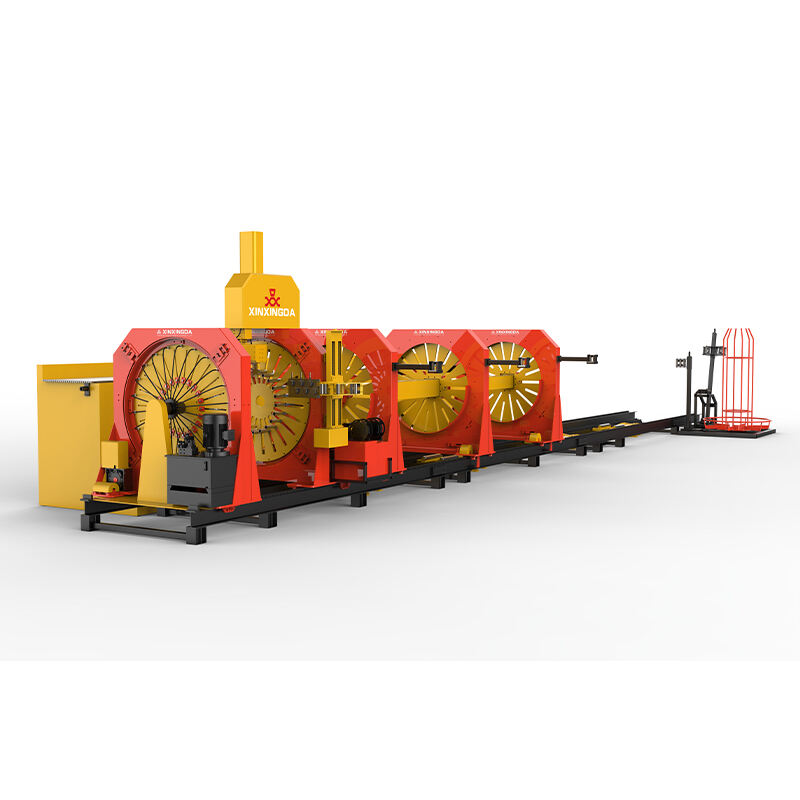
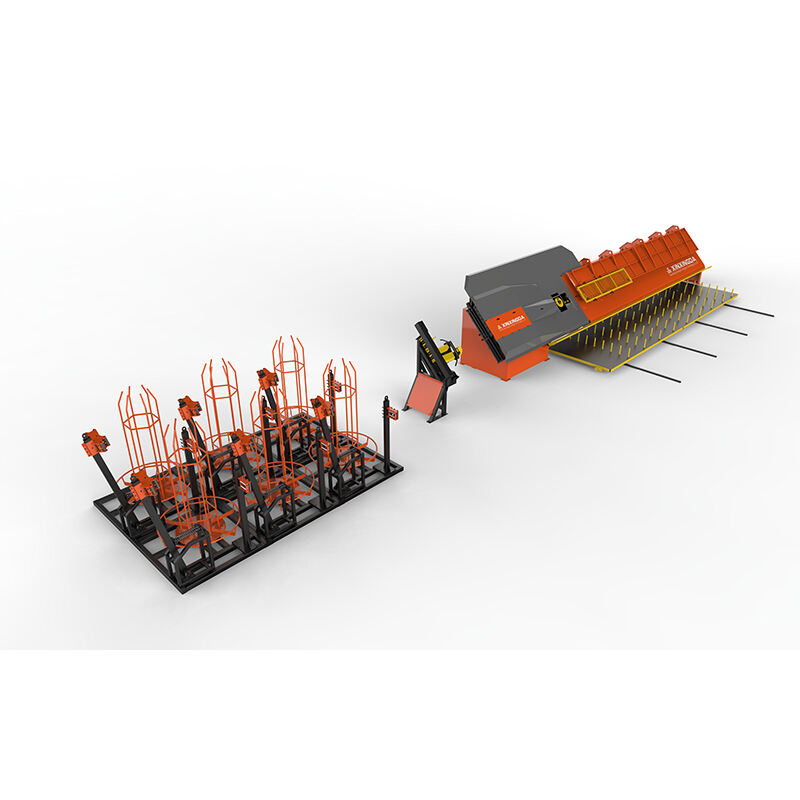
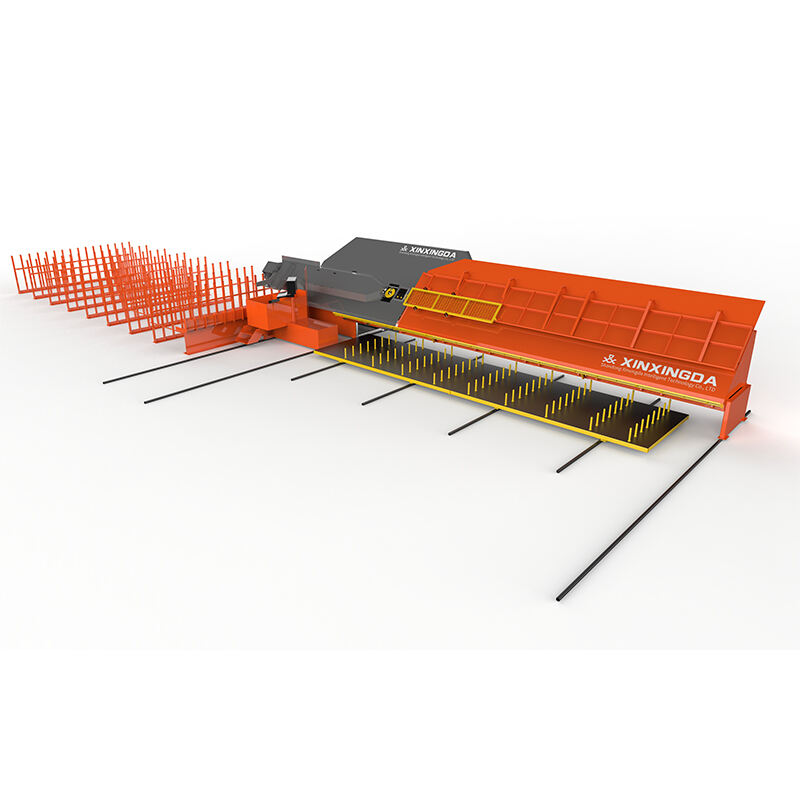
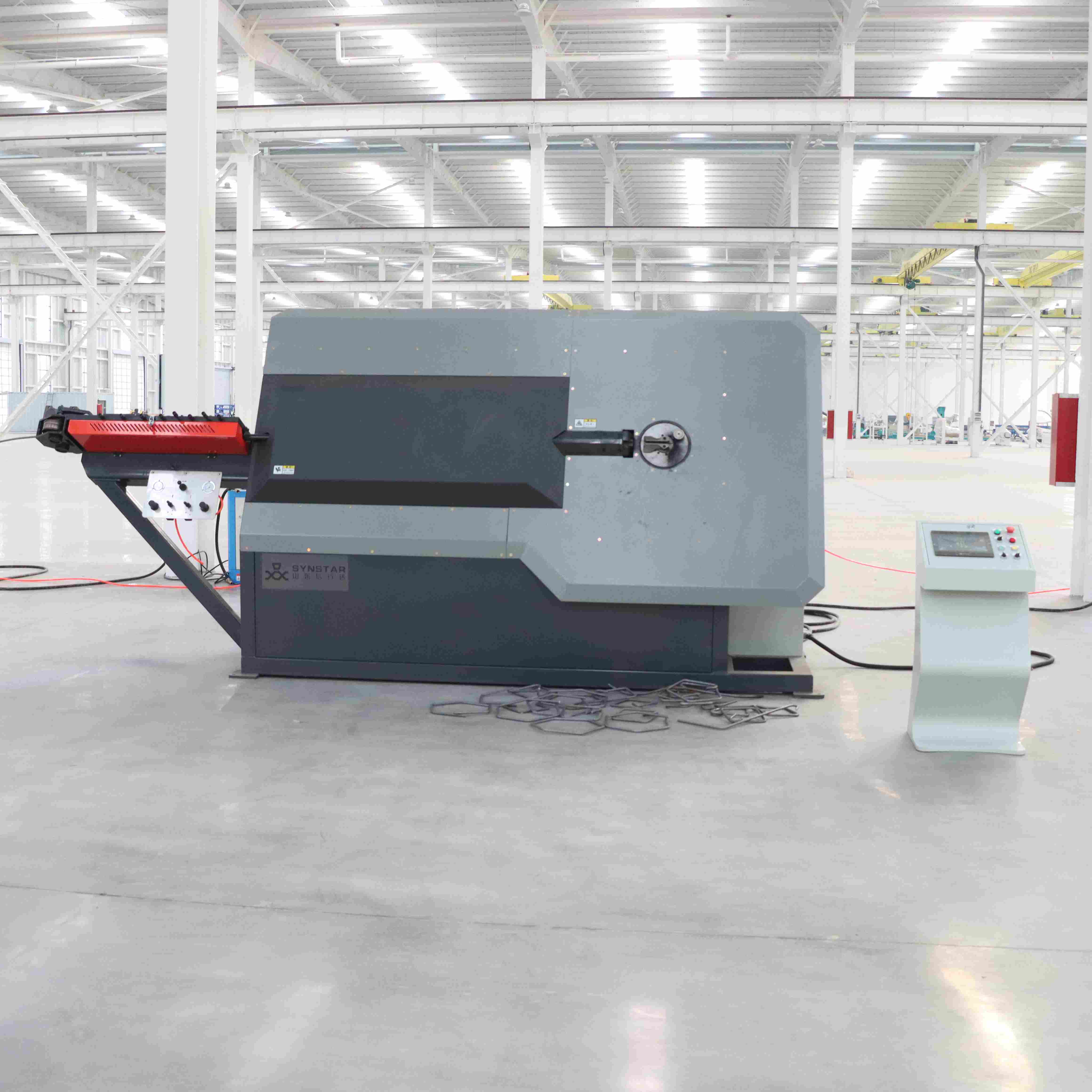
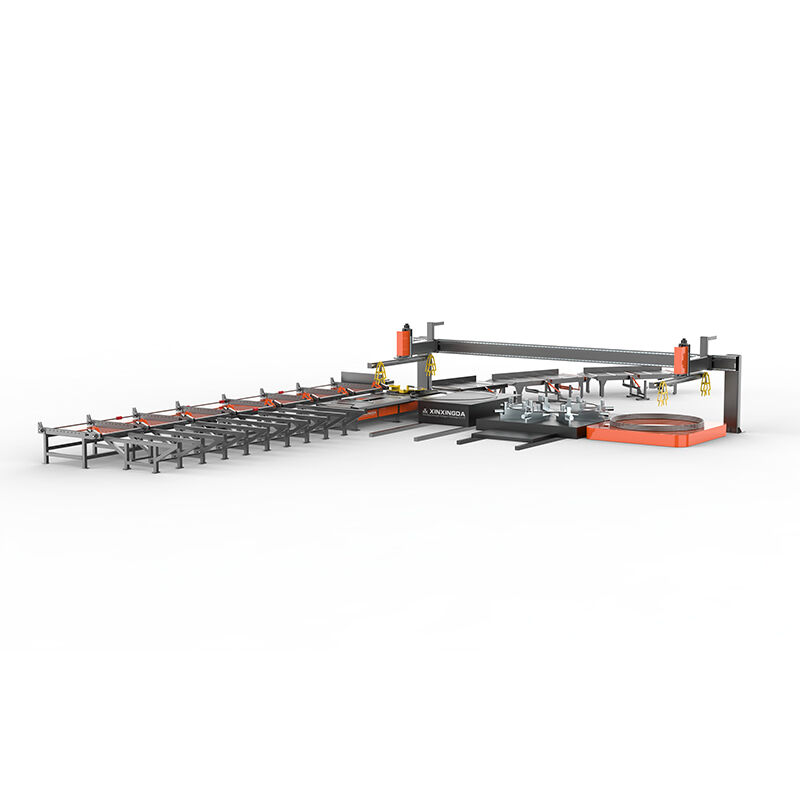
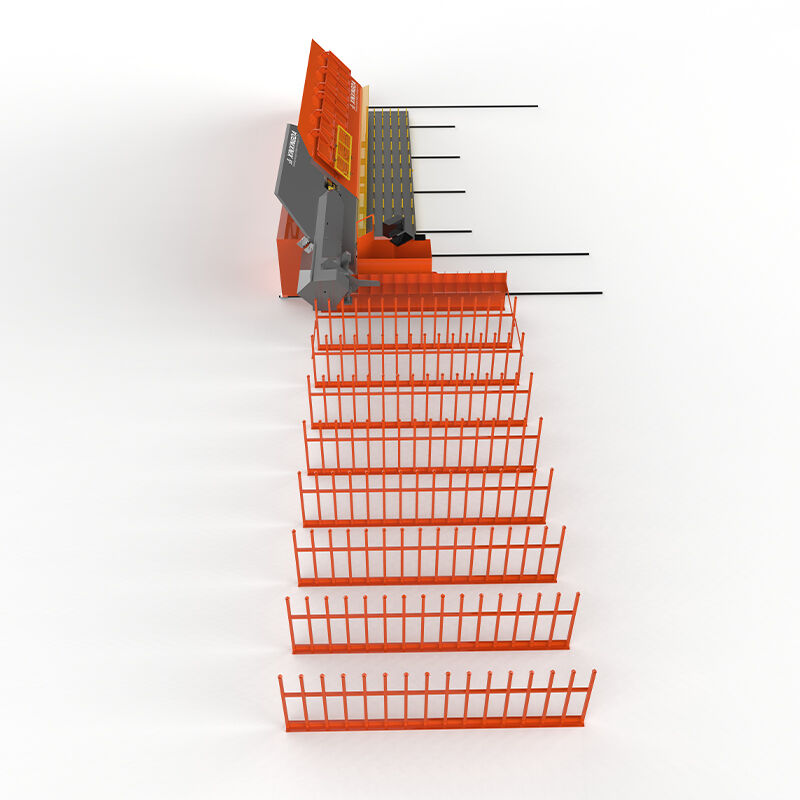
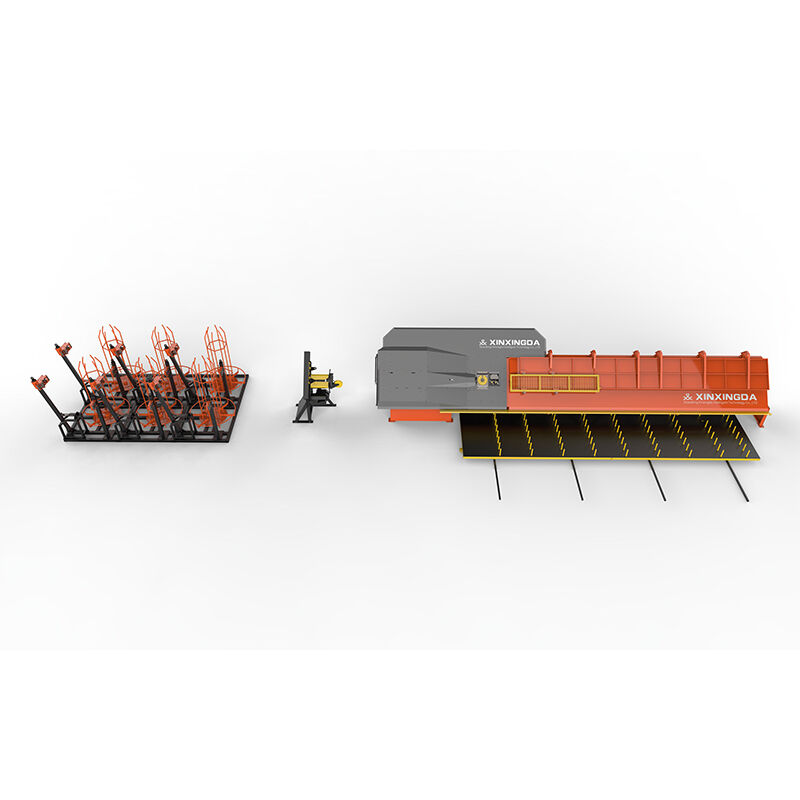
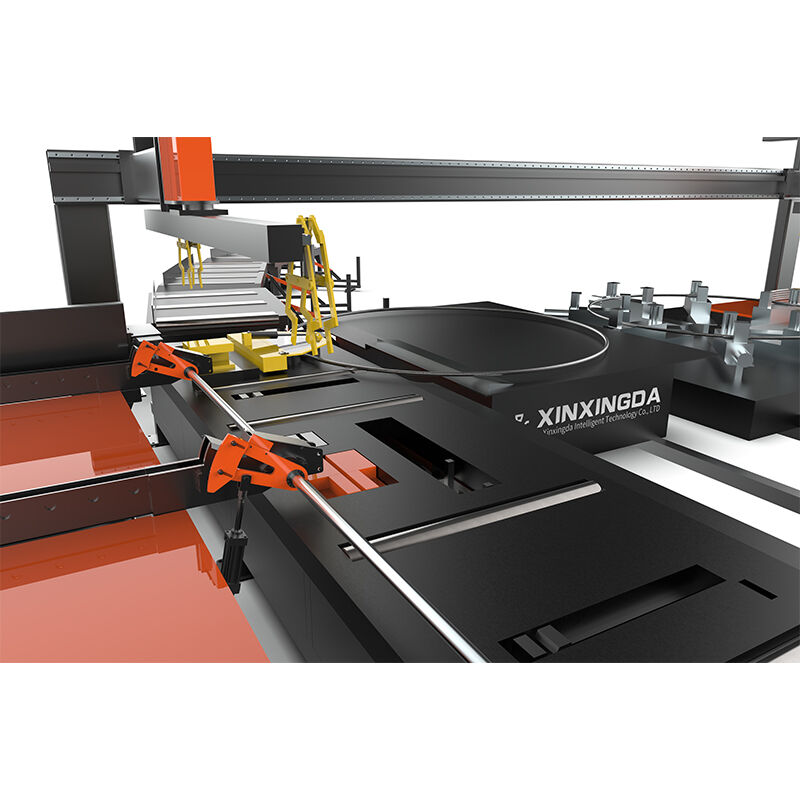
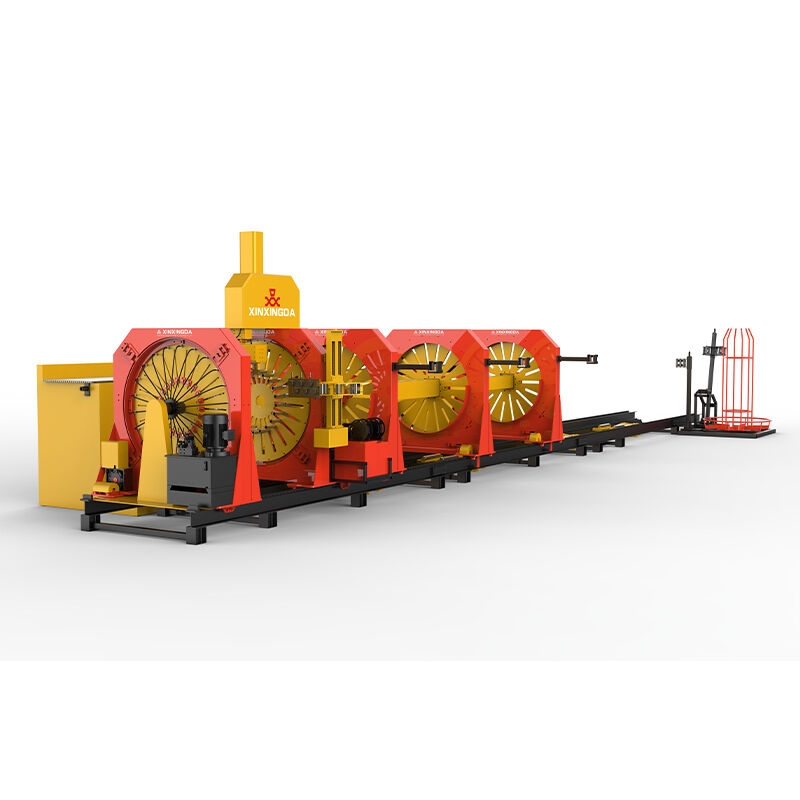
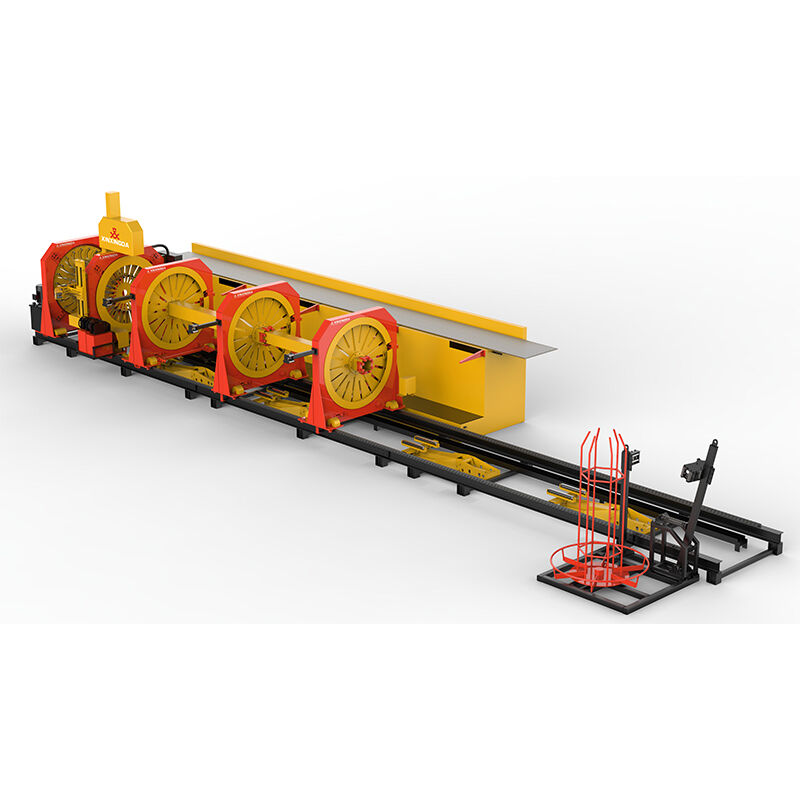
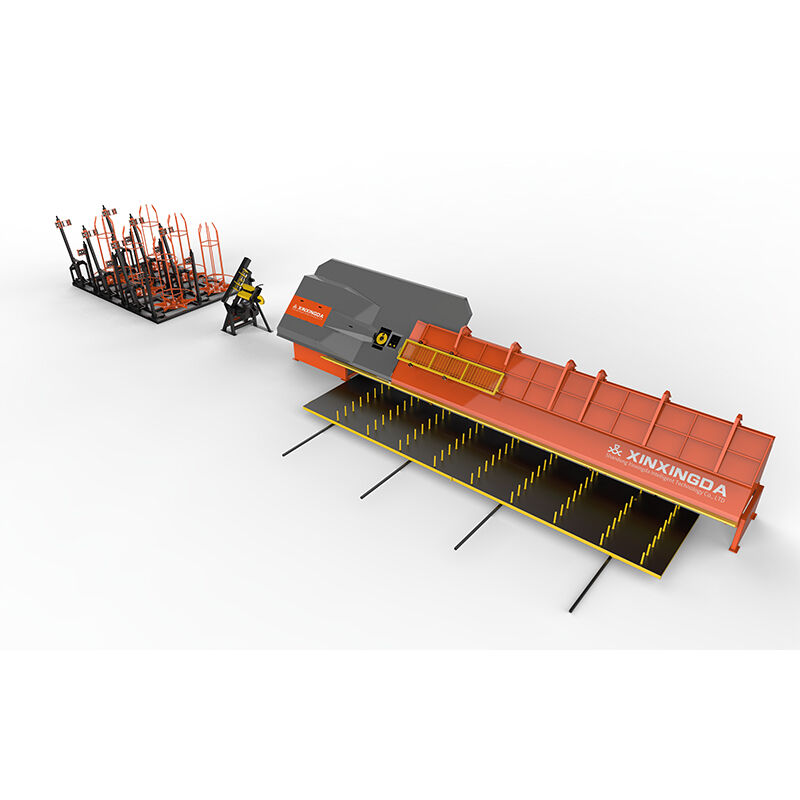
تمثل آلة ثني الدوائر والقوس جهازًا صناعيًّا متطوِّرًا مُصمَّمًا لتحويل الصفائح المعدنية المسطحة وأنابيب المعادن والمقاطع المعدنية إلى أشكال منحنية بدقة استثنائية. وتُعَدُّ هذه الآلات المتقدِّمة حجر الزاوية في عمليات التصنيع الحديثة، حيث تُمكِّن المصنِّعين من إنتاج مكوِّنات دائرية ومنحنية معقَّدة تفي بمواصفات هندسية صارمة. وتعمل آلة ثني الدوائر والقوس عبر مزيج من الضغط الهيدروليكي والقوة الميكانيكية وأنظمة التموضع الخاضعة للتحكم الحاسوبي، والتي تعمل معًا لتحقيق نتائج ثنيٍ متسقة. وتتمثَّل الوظيفة الأساسية لآلة ثني الدوائر والقوس في تطبيق تشويهٍ خاضعٍ للرقابة على مواد متنوعة تشمل الفولاذ والألومنيوم والفولاذ المقاوم للصدأ وسواها من سبائك المعادن. وتقوم الآلة بذلك باستخدام بكرات وقوالب وأدوات تشكيل مُرتَّبة بعناية لتوجيه المادة عبر مسارات ثني محدَّدة مسبقًا. وتضم طرازات آلات ثني الدوائر والقوس الحديثة تقنية التحكم العددي بالحاسوب (CNC) المتقدِّمة، ما يسمح للمُشغِّلين ببرمجة زوايا الثني والأنصاف القطرية والتسلسلات المطلوبة مباشرةً في نظام التحكم. وتشمل الميزات التقنية لآلة ثني الدوائر والقوس محركات مؤازرة توفر تحكمًا دقيقًا في التموضع، وشاشات رقمية لعرض القياسات بدقة لمراقبة العمليات، ووحدات تحكُّم منطقية قابلة للبرمجة تضمن تكرار النتائج بدقة عبر دفعات الإنتاج المختلفة. كما تتميز العديد من وحدات آلات ثني الدوائر والقوس بأنظمة تغذية أوتوماتيكية للمواد، مما يقلِّل من متطلبات العمل اليدوي مع الحفاظ على سرعات المعالجة المتسقة. وتشمل مجالات تطبيق آلة ثني الدوائر والقوس قطاعات عديدة، بدءًا من أعمال المعادن المعمارية وتصنيع الهياكل الفولاذية، ووصولًا إلى تصنيع المكوِّنات automobiles وعمليات بناء السفن. وتستخدم شركات المقاولات آلة ثني الدوائر والقوس لإنشاء العناصر الإنشائية المنحنية للمباني والجسور والمزايا الزخرفية. أما قطاع الطيران والفضاء فيعتمد على آلة ثني الدوائر والقوس في تشكيل مكوِّنات الطائرات التي تتطلب تحملات منحنية محدَّدة، بينما يستخدم قطاع الطاقة هذه الآلات في إنتاج أقسام خطوط الأنابيب ومكوِّنات الأوعية الخاضعة للضغط.

 EN
EN