
 EN
EN

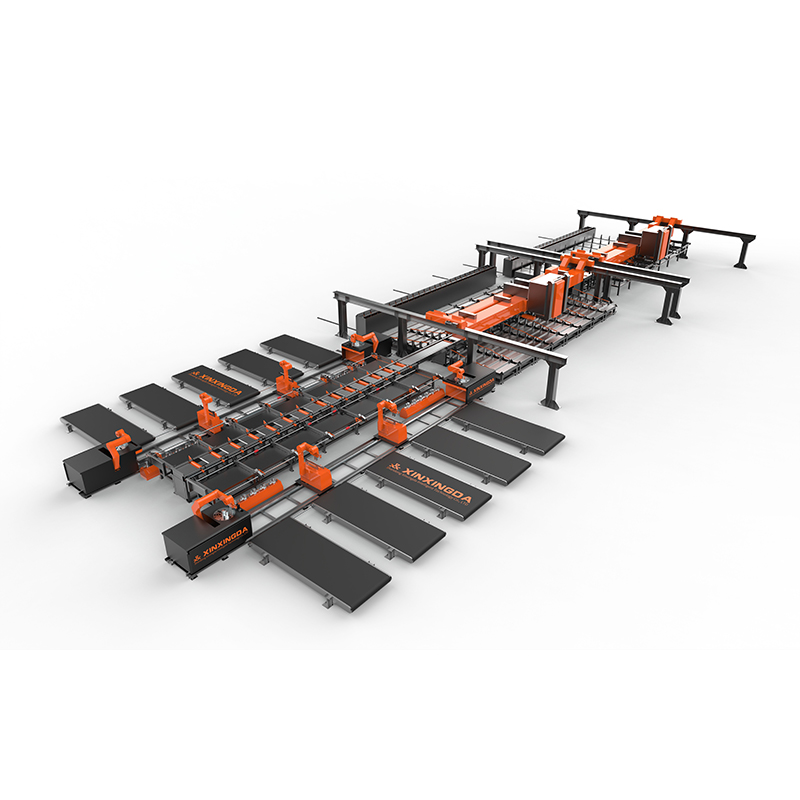
Modern construction and manufacturing projects demand precision, speed, and efficiency in every aspect of steel reinforcement preparation. The circle and arc bending machine has emerged as a revolutionary solution that transforms how contractors and manufacturers approach curved steel bar fabrication. This advanced equipment eliminates the time-consuming manual processes traditionally associated with creating circular and arc-shaped reinforcement elements, while simultaneously ensuring consistent quality and dimensional accuracy across all produced components.
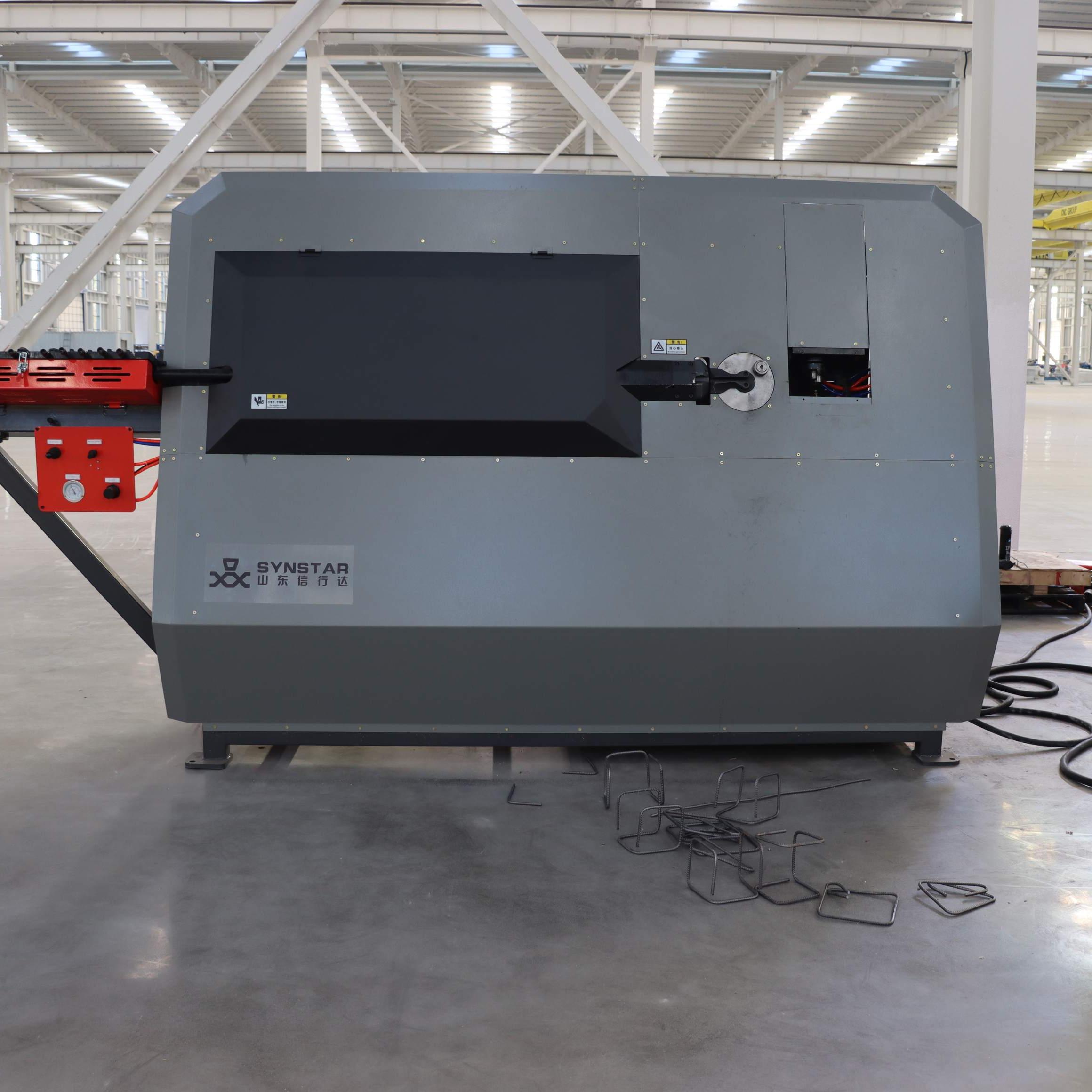
The integration of automated bending technology into construction workflows represents a significant leap forward in project management efficiency. By utilizing sophisticated hydraulic systems and programmable controls, these machines can produce complex curved shapes that would otherwise require extensive manual labor and specialized expertise. The impact on project timelines becomes immediately apparent when comparing traditional hand-bending methods with automated machine operations, particularly in large-scale infrastructure projects where thousands of curved reinforcement bars are required.
Advanced Technology Features of Modern Bending Equipment
Precision Control Systems
Contemporary circle and arc bending machines incorporate sophisticated numerical control systems that allow operators to input precise specifications for radius, angle, and length parameters. These computerized systems eliminate human error in measurement and calculation, ensuring that each bent bar meets exact project requirements. The digital interface provides real-time feedback on bending progress, allowing for immediate adjustments when necessary and maintaining consistent quality throughout production runs.
The precision achieved through automated control systems extends beyond simple dimensional accuracy to include consistent material properties preservation. Advanced bending algorithms calculate optimal pressure application and bending speeds to minimize stress concentrations in the steel, thereby maintaining the structural integrity of reinforcement bars while achieving desired curvature specifications.
Hydraulic Power Systems
The hydraulic components of modern bending machines deliver exceptional force control and smooth operation characteristics essential for producing high-quality curved reinforcement elements. Variable pressure settings accommodate different steel grades and bar diameters, while progressive force application prevents sudden stress spikes that could compromise material properties or dimensional accuracy.
Sophisticated pressure monitoring systems continuously track hydraulic performance, automatically adjusting parameters to maintain optimal bending conditions throughout extended production cycles. This intelligent monitoring capability significantly reduces the likelihood of equipment failures and ensures consistent output quality regardless of operational duration or environmental conditions.
Productivity Enhancement Through Automation
Speed Optimization
The operational speed advantages provided by automated circle and arc bending machines dramatically improve project scheduling flexibility and resource allocation efficiency. Where manual bending processes might require several minutes per bar, automated systems can complete similar operations in seconds, multiplying production capacity by factors of ten or more depending on complexity requirements.
This acceleration in production speed translates directly into reduced labor costs and shortened project timelines, enabling contractors to undertake more projects simultaneously or complete existing contracts ahead of schedule. The compounding effect of improved speed across multiple project phases creates substantial competitive advantages for organizations investing in advanced bending technology.
Batch Processing Capabilities
Modern bending equipment supports sophisticated batch processing workflows that allow operators to queue multiple bending operations with different specifications in sequence. This capability eliminates the downtime traditionally associated with manual setup changes between different curved element requirements, maintaining continuous production flow throughout shift operations.
The batch processing functionality integrates seamlessly with project management software systems, enabling automatic scheduling of bending operations based on construction phase requirements and delivery timelines. This integration creates a streamlined workflow from design specification through final installation, minimizing coordination delays and material handling inefficiencies.
Quality Assurance and Consistency Benefits
Dimensional Accuracy Standards
Automated bending systems achieve dimensional tolerances that far exceed manual fabrication capabilities, typically maintaining accuracy within millimeter ranges across extended production runs. This precision level ensures perfect fit during installation phases, eliminating field modifications that consume valuable construction time and labor resources.
The consistency provided by circle and arc bending machine operations extends beyond dimensional parameters to include surface finish quality and structural integrity preservation. Uniform bending processes minimize work hardening variations and surface defects that could compromise long-term performance characteristics of reinforcement elements.
Material Property Preservation
Advanced bending algorithms incorporated in modern equipment calculate optimal forming parameters that preserve the metallurgical properties of steel reinforcement bars throughout the bending process. Controlled deformation rates and pressure application patterns minimize internal stress concentrations while maintaining required yield strength and ductility characteristics.
Temperature monitoring systems ensure that friction-generated heat during bending operations remains within acceptable limits, preventing thermal damage that could compromise material performance. This careful thermal management contributes significantly to the long-term reliability and safety performance of curved reinforcement elements in completed structures.
Economic Impact and Cost Efficiency
Labor Cost Reduction
The automation provided by circle and arc bending machines substantially reduces labor requirements for curved reinforcement fabrication, typically requiring only one operator to manage production volumes that would previously demand multiple skilled workers. This reduction in labor intensity translates directly into improved project profit margins and enhanced competitive positioning for construction organizations.
Beyond direct labor cost savings, automated bending operations eliminate the need for specialized skilled workers who command premium wages for manual curved bending expertise. The simplified operation of modern machines allows standard equipment operators to produce complex curved elements with minimal additional training requirements.
Material Waste Minimization
Precision control systems integrated into advanced bending equipment significantly reduce material waste by eliminating the trial-and-error processes characteristic of manual bending operations. Accurate first-time production reduces scrap generation while optimizing raw material utilization rates across project lifecycles.
The improved material efficiency extends to reduced transportation and storage costs, as precise fabrication eliminates the need to maintain excess inventory to account for potential production errors or rework requirements. This optimization creates cascading cost benefits throughout project supply chain operations.
Integration with Construction Workflows
Project Planning Synchronization
Modern bending equipment integrates effectively with construction project management systems, enabling precise coordination between fabrication schedules and installation requirements. This synchronization capability allows contractors to implement just-in-time delivery strategies that minimize on-site storage requirements while ensuring material availability when needed.
The predictable production rates achievable with automated systems enable more accurate project scheduling and resource allocation planning. Contractors can confidently commit to aggressive timelines knowing that curved reinforcement fabrication will not become a bottleneck in project progression.
Quality Control Documentation
Automated bending systems generate comprehensive production documentation that supports quality assurance requirements and regulatory compliance obligations. Digital records of bending parameters, dimensional measurements, and production timestamps create an auditable trail that satisfies inspection requirements and facilitates defect traceability if issues arise.
This documentation capability proves particularly valuable in large infrastructure projects where quality certification requirements are stringent and comprehensive record-keeping is essential for project acceptance and long-term warranty compliance.
FAQ
What types of steel bars can be processed by circle and arc bending machines
Circle and arc bending machines can typically process various grades of reinforcing steel bars ranging from 6mm to 50mm in diameter, including standard carbon steel, high-strength steel, and stainless steel reinforcement bars. The specific capacity depends on the machine model and hydraulic system specifications, with most modern units accommodating the full range of commonly used construction reinforcement materials.
How does automated bending compare to manual methods in terms of accuracy
Automated bending systems achieve dimensional tolerances within ±2mm for most applications, significantly superior to manual bending which typically varies by ±10mm or more. The computerized control systems eliminate human measurement errors and ensure consistent radius accuracy across all produced elements, while manual methods are subject to individual operator skill variations and fatigue-related inconsistencies.
What maintenance requirements are associated with circle and arc bending equipment
Regular maintenance includes daily hydraulic fluid level checks, weekly lubrication of moving components, monthly calibration verification, and annual comprehensive system inspections. Most manufacturers provide detailed maintenance schedules and offer preventive service contracts that ensure optimal performance and extend equipment service life while minimizing unexpected downtime risks.
Can these machines handle different bending angles and radius specifications within single projects
Yes, modern circle and arc bending machines feature programmable control systems that can store multiple bending profiles and switch between different specifications rapidly. Operators can program various radius and angle combinations, allowing efficient production of diverse curved elements required in complex construction projects without manual reconfiguration delays between different specifications.
Table of Contents
- Advanced Technology Features of Modern Bending Equipment
- Productivity Enhancement Through Automation
- Quality Assurance and Consistency Benefits
- Economic Impact and Cost Efficiency
- Integration with Construction Workflows
-
FAQ
- What types of steel bars can be processed by circle and arc bending machines
- How does automated bending compare to manual methods in terms of accuracy
- What maintenance requirements are associated with circle and arc bending equipment
- Can these machines handle different bending angles and radius specifications within single projects