
 EN
EN

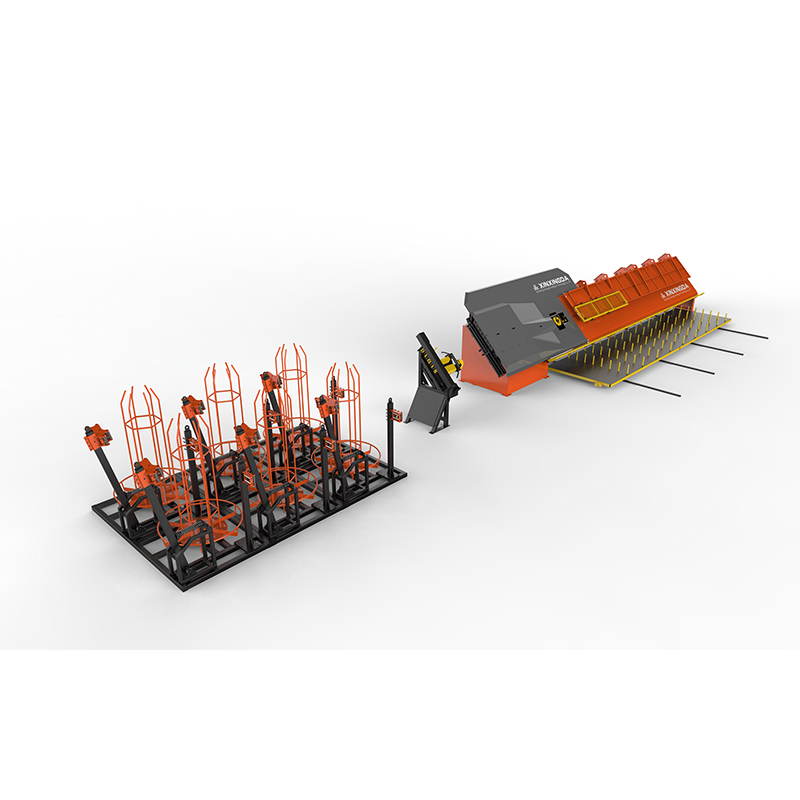
Industries that work with structural steel depend heavily on the quality and capability of their machinery. When project specifications become more demanding, standard tools are no longer sufficient, and facilities must invest in steel bar processing equipment that can handle complex geometries, tight tolerances, and high-volume throughput without compromising accuracy or worker safety.
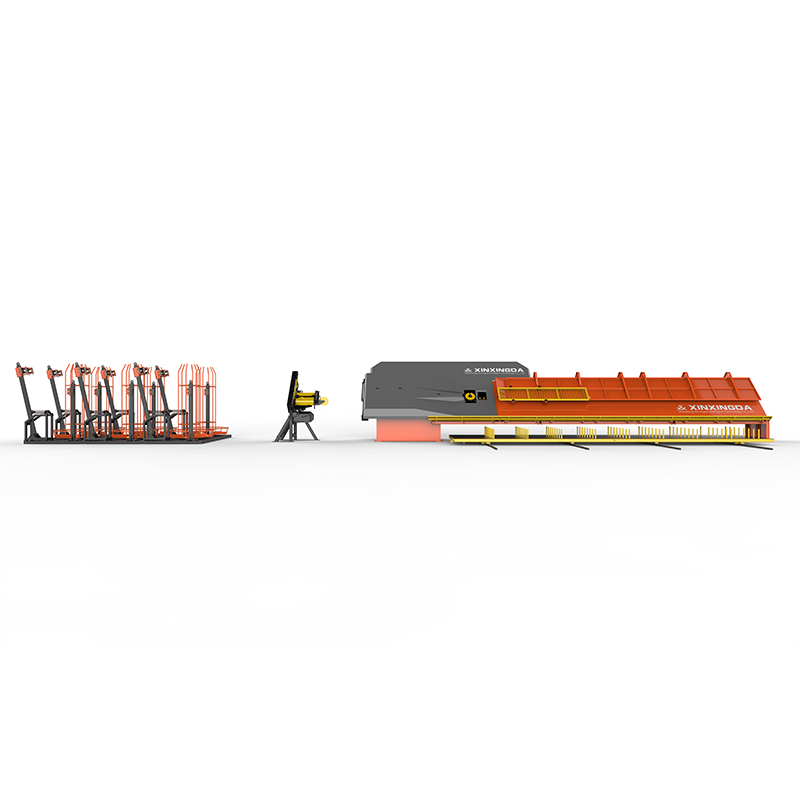
Understanding which applications genuinely require advanced steel bar processing equipment helps procurement managers, project engineers, and facility planners make well-justified capital investment decisions. This article explores the core industrial sectors where steel bar processing equipment performs a critical and non-negotiable role, and explains the technical reasons that basic alternatives fall short in those environments.
Construction and Infrastructure Projects
High-Rise and Concrete Frame Buildings
High-rise construction involves massive quantities of rebar that must be cut, bent, and shaped to exact dimensions before being integrated into reinforced concrete frames. Advanced steel bar processing equipment enables fabricators to produce stirrups, column ties, and beam cages with consistent angles and lengths at scale. When dozens of floors require identical rebar assemblies, steel bar processing equipment with programmable controls eliminates manual measurement errors and accelerates production significantly.
Projects in seismic zones carry especially strict rebar detailing requirements. Engineers specify precise bend radii and hook angles to ensure ductility during ground movement. Only purpose-built steel bar processing equipment can reliably achieve those specifications across thousands of individual pieces without operator fatigue introducing dimensional drift.
Bridges, Tunnels, and Civil Infrastructure
Bridge decks, tunnel linings, and highway overpasses require rebar configurations that follow curved or tapered geometries. Standard manual benders cannot replicate these profiles consistently. Advanced steel bar processing equipment with multi-axis bending capability and automated feeding systems handles these complex profiles with the dimensional precision civil contractors need. Steel bar processing equipment is central to meeting the fabrication tolerances outlined in civil engineering standards for infrastructure rated to carry heavy loads over long service lives.
Precast Concrete Manufacturing
Industrial Precast Elements
Precast concrete manufacturing facilities produce beams, columns, wall panels, and floor slabs in controlled factory conditions. Every element requires a rebar cage or mesh assembly that must match engineering drawings exactly. Steel bar processing equipment integrated into a precast workflow automates the cutting and bending steps, enabling the facility to maintain consistent output quality regardless of which shift is operating. Without reliable steel bar processing equipment, dimensional variation between cages accumulates and creates costly fit-up problems during installation on site.
Cycle time is another critical factor. Precast plants run on tight production schedules aligned with delivery windows. Steel bar processing equipment that combines multiple operations, such as cutting, bending, and stirrup forming, into a single workflow reduces floor space requirements and shortens processing time per cage. Advanced steel bar processing equipment therefore contributes directly to the plant's capacity and profitability.
Prefabricated Housing and Modular Construction
The modular construction sector is growing rapidly, with developers assembling entire building modules off-site before transporting them to the project location. Rebar cages for modular concrete panels must be fabricated to extremely tight tolerances so that modules connect seamlessly. Steel bar processing equipment with digital positioning and quick changeover features enables fabricators to shift between module types efficiently, supporting the flexibility that modular construction demands.
Industrial and Energy Sector Construction
Power Plants and Heavy Industrial Foundations
Power generation facilities, including thermal plants, nuclear installations, and large-scale renewable energy structures, require massive concrete foundations reinforced with heavy-gauge rebar. The bar diameters involved often exceed what manual or light-duty machines can process. Advanced steel bar processing equipment rated for large-diameter bar handles these requirements safely, applying consistent bending force without overloading the machine or creating springback errors that would compromise the final rebar geometry.
Industrial facilities such as refineries, chemical plants, and smelters have similarly demanding reinforcement requirements. Their foundations and containment structures must withstand vibration, chemical exposure, and extreme loads. Accurate steel bar processing equipment ensures that every reinforcing element meets the design specification, which is essential when structural failure carries severe safety and financial consequences.
Offshore and Marine Structures
Marine construction projects, including offshore platforms, jetties, and coastal protection structures, use epoxy-coated or stainless rebar to resist corrosion. These specialty bars are more expensive and require careful handling during processing. Steel bar processing equipment designed for specialty materials minimizes surface damage during bending and cutting, protecting the corrosion-resistant coating and ensuring that the investment in premium materials is not wasted. Precision steel bar processing equipment also ensures that bend radii meet the material manufacturer's guidelines, which differ from those used for standard carbon steel rebar.
FAQ
What features distinguish advanced steel bar processing equipment from basic models?
Advanced steel bar processing equipment typically includes programmable CNC controls, multi-axis bending heads, automated bar feeding systems, and the ability to handle a wider range of bar diameters. These features allow operators to produce complex shapes with high repeatability, which basic single-function machines cannot achieve at industrial production volumes.
How does steel bar processing equipment improve project safety?
Modern steel bar processing equipment reduces the manual handling required to cut and bend heavy rebar, lowering the risk of crush injuries and strain-related incidents. Automated clamping, guarded bending zones, and emergency-stop systems built into professional-grade steel bar processing equipment create a significantly safer working environment compared to manual or semi-manual alternatives.
Is steel bar processing equipment suitable for small fabrication shops?
Yes, compact and all-in-one variants of steel bar processing equipment are designed specifically for smaller operations that need multi-function capability without large floor space. These machines consolidate cutting and bending into a single unit, making steel bar processing equipment accessible and cost-effective for small to mid-sized fabricators serving local construction markets.