
 EN
EN

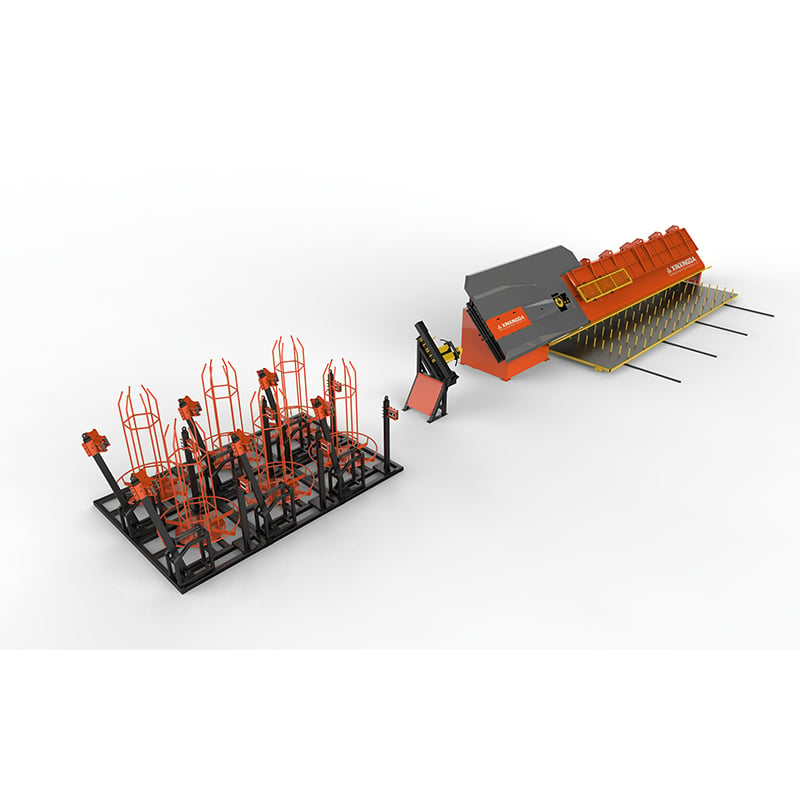
In modern construction and fabrication environments, steel bar processing equipment has become a cornerstone of operational efficiency. Whether on large infrastructure projects or mid-scale building sites, the way teams cut, bend, and shape rebar directly affects project timelines, labor costs, and final output quality. Without capable steel bar processing equipment, even well-managed teams fall behind schedule.

The question is not just whether to use steel bar processing equipment, but how it fundamentally transforms the way a team operates. When steel bar processing equipment is integrated intelligently into a construction or fabrication workflow, it removes friction at every stage — from raw material intake to finished rebar output. This article explores the specific mechanisms through which steel bar processing equipment improves workflow, covering operational design, efficiency gains, and team-level impact.
Workflow Bottlenecks That Steel Bar Processing Equipment Resolves
Manual Processes and Their Hidden Costs
Before steel bar processing equipment became widely available, most rebar work depended on manual cutting tools, hand-operated benders, and time-consuming layout procedures. These approaches were not only slow but introduced significant error rates, material waste, and fatigue-related quality drops. A single miscalculation in manual bending can cause downstream rework that delays an entire project phase. Steel bar processing equipment eliminates these manual touch points by automating the most repetitive and physically demanding tasks.
With steel bar processing equipment handling precise cuts and consistent bending angles, operators shift from performing labor-intensive tasks to supervising and managing output quality. This transition improves both accuracy and throughput simultaneously. Teams using steel bar processing equipment report far fewer rework cycles, which directly shortens project timelines and reduces material costs. The hidden cost reduction that comes with steel bar processing equipment extends beyond labor savings into waste reduction and planning predictability.
Sequential Task Integration
One of the most impactful ways steel bar processing equipment improves workflow is by consolidating sequential tasks into a single, continuous process. Traditional setups required workers to move materials between separate stations for cutting, bending, and staging. Each handoff introduced delay, misalignment risk, and coordination overhead. Modern steel bar processing equipment, particularly all-in-one configurations, compresses this sequence into one streamlined operation. Steel bar processing equipment that handles multiple functions in a single pass reduces handling time and improves output consistency across every production cycle.
Precision and Repeatability in Production
Dimensional Accuracy Across High-Volume Runs
Precision is non-negotiable in structural applications. Steel bar processing equipment delivers dimensional accuracy that manual methods simply cannot match at scale. When steel bar processing equipment is programmed with specific bend angles, cut lengths, and shape parameters, it reproduces those specifications identically across hundreds or thousands of pieces. This repeatability is what makes steel bar processing equipment so valuable to contractors working on projects with tightly toleranced structural requirements.
Steel bar processing equipment also enables digital parameter storage, meaning that operators can recall saved configurations for recurring rebar shapes without re-measuring or recalibrating each time. This dramatically shortens setup time for repeat jobs and reduces the risk of operator-to-operator variation. As project complexity increases, the role of steel bar processing equipment in maintaining consistent output quality becomes even more critical. Accuracy delivered by steel bar processing equipment also contributes to safer structures, since imprecise rebar fabrication can compromise load distribution in finished concrete elements.
Reducing Waste Through Optimized Cutting
Material optimization is another domain where steel bar processing equipment creates measurable workflow improvements. Steel bar processing equipment with intelligent nesting or cutting sequence features can minimize off-cut waste by calculating the most efficient cut order from a given bar length. Over a large project, this optimization translates to significant cost savings. Less waste also means fewer material deliveries and reduced site clutter, both of which improve logistical flow. Steel bar processing equipment that integrates material optimization into its standard operation gives project managers greater budget control without sacrificing output speed.
Team Productivity and Site-Level Operational Impact
Labor Allocation and Skill Deployment
Steel bar processing equipment changes how labor is deployed on site and in fabrication shops. When steel bar processing equipment takes over the repetitive physical tasks, skilled workers can be redirected toward higher-value activities such as assembly, quality inspection, and coordination. This reallocation improves overall team output without necessarily increasing headcount. Steel bar processing equipment effectively multiplies the productive capacity of each worker by removing the low-skill, high-effort components of rebar fabrication from their daily workload.
Teams that operate steel bar processing equipment also tend to maintain more consistent daily output because machine-driven processes are not subject to the same fatigue cycles that affect manual workers. Steel bar processing equipment enables predictable throughput, which makes scheduling more reliable and reduces the likelihood of deadline slippage. For project managers, this predictability is one of the most tangible benefits of adopting steel bar processing equipment at scale.
Safety Improvements That Support Workflow Continuity
Workplace injuries during rebar fabrication disrupt workflows significantly. Steel bar processing equipment reduces the physical risk associated with manual cutting and bending by keeping operators away from the most hazardous contact points. With steel bar processing equipment managing the high-force operations, workers are exposed to fewer injury risks, which means fewer work stoppages, reduced liability, and more consistent team availability. A safer site enabled by steel bar processing equipment is also a more productive site. Continuous workflow depends on keeping the full team operational, and steel bar processing equipment supports that continuity by minimizing injury-related disruptions.
FAQ
What types of operations benefit most from steel bar processing equipment?
Steel bar processing equipment delivers the greatest benefits in environments with high rebar volume, repetitive shape requirements, and tight dimensional tolerances. Construction contractors, precast concrete manufacturers, and prefabrication workshops all see major workflow gains from investing in steel bar processing equipment due to their need for speed, consistency, and volume capacity.
How does steel bar processing equipment reduce total project time?
Steel bar processing equipment reduces total project time by compressing multi-step manual processes into faster, automated sequences. Cuts and bends that once took hours by hand can be completed in minutes with steel bar processing equipment. Fewer errors mean less rework, and consistent output from steel bar processing equipment allows downstream construction phases to begin on schedule without waiting for rebar corrections.
Is steel bar processing equipment suitable for smaller fabrication operations?
Yes, steel bar processing equipment is available in configurations suited to a wide range of operation sizes. Smaller shops benefit from compact, multi-function steel bar processing equipment that consolidates several steps without requiring large floor space. Even at modest production volumes, the accuracy and time savings delivered by steel bar processing equipment can offset initial investment costs relatively quickly through reduced labor hours and material waste.