
 EN
EN

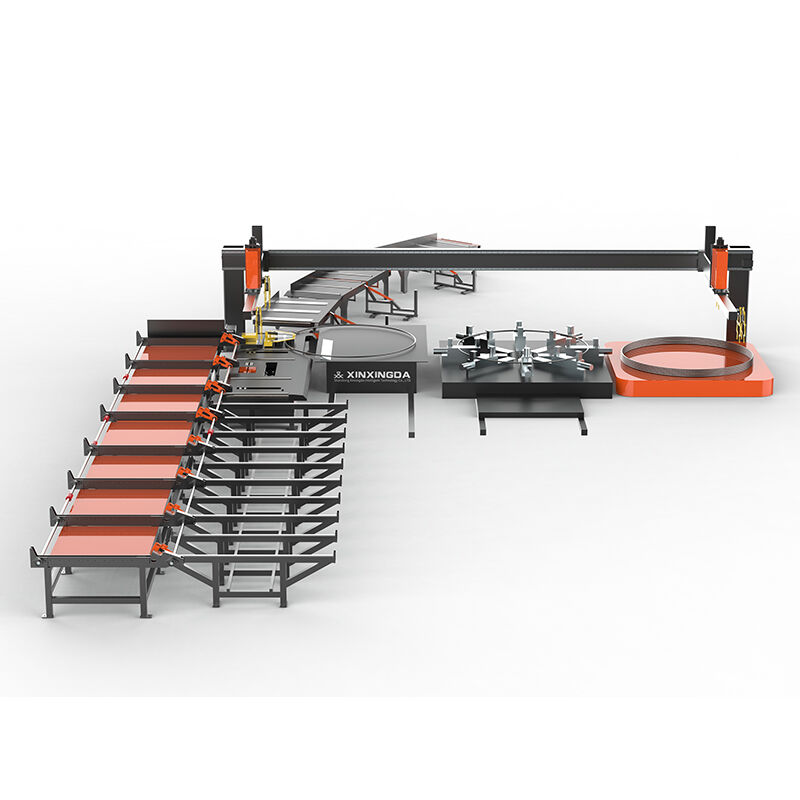
Modern manufacturing facilities rely heavily on specialized equipment to achieve precision forming operations, and the circle and arc bending machine stands as a cornerstone tool for creating consistent curved profiles in metal fabrication. These sophisticated machines require systematic maintenance protocols to ensure optimal performance, minimize downtime, and deliver the high-quality output that today's industrial applications demand. Proper maintenance not only extends equipment lifespan but also maintains the precision tolerances essential for professional metalworking operations.
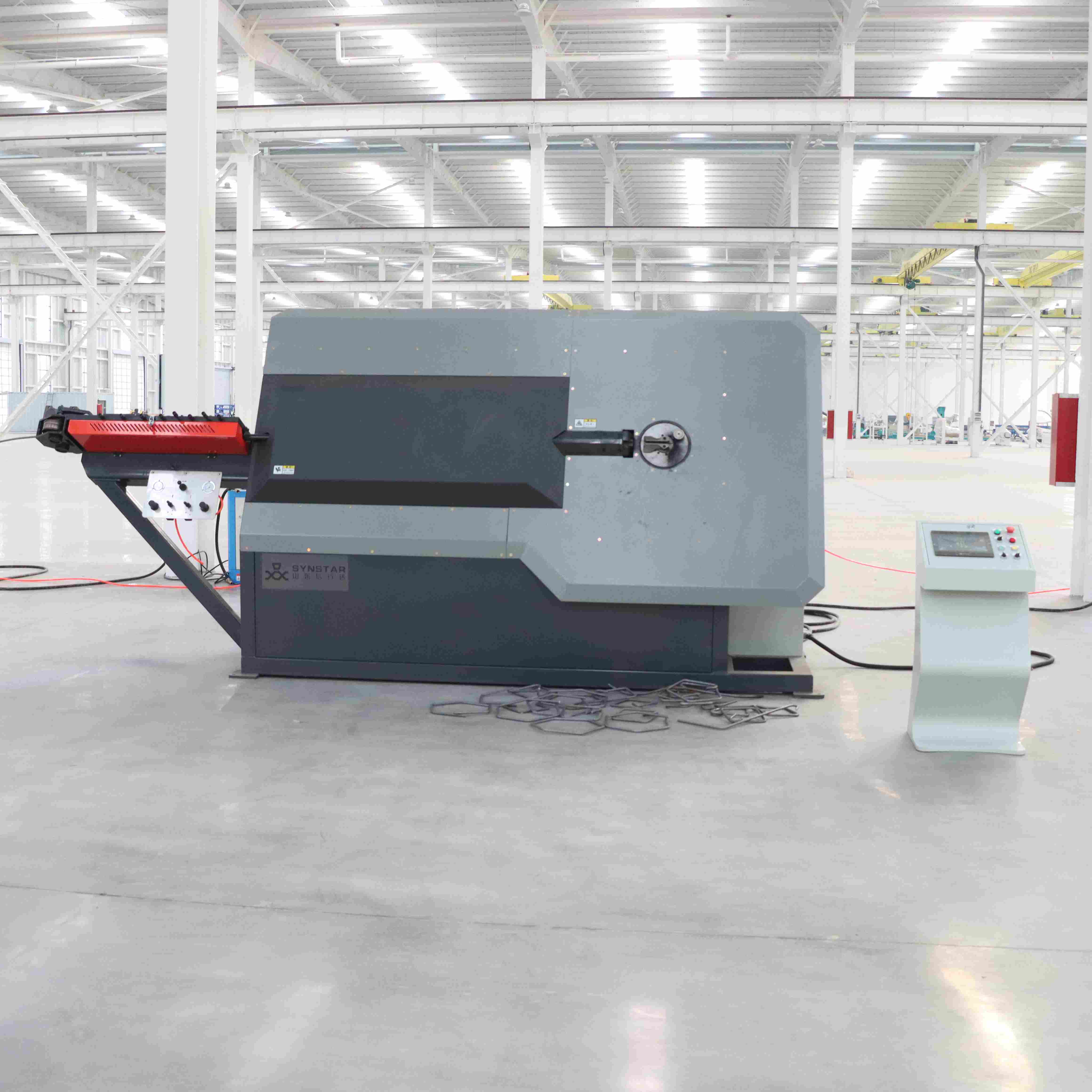
Essential Daily Maintenance Procedures
Pre-Operation Inspection Protocol
Every operational cycle of your circle and arc bending machine should begin with a comprehensive visual inspection. Operators must examine all moving components, checking for signs of wear, unusual debris accumulation, or alignment issues that could compromise bending accuracy. Pay particular attention to the bending dies, rollers, and guide mechanisms, as these directly influence the quality of formed profiles. Documentation of any irregularities discovered during inspection creates valuable maintenance records for tracking equipment condition over time.
The hydraulic system requires daily attention, including fluid level verification and pressure gauge readings. Inspect hydraulic lines for leaks, abrasions, or signs of deterioration that could lead to system failure. Clean external surfaces of hydraulic components to prevent contamination from entering the system during routine operations. This proactive approach significantly reduces the likelihood of unexpected breakdowns during critical production runs.
Lubrication System Management
Proper lubrication forms the foundation of reliable circle and arc bending machine operation. Apply specified lubricants to all designated points according to the manufacturer's schedule, ensuring that bearing surfaces, pivot points, and sliding mechanisms receive adequate protection. Use only approved lubricants that meet the temperature and viscosity requirements for your specific operating environment. Contaminated or incorrect lubricants can accelerate component wear and compromise bending precision.
Monitor automatic lubrication systems to verify proper distribution throughout the machine. Check lubricant reservoirs, pumps, and distribution lines for proper function. Replace filters as recommended to maintain lubricant cleanliness and prevent abrasive particles from circulating through critical components. Document all lubrication activities to establish patterns and identify any components requiring more frequent attention.
Weekly Calibration and Adjustment Routines
Bending Accuracy Verification
Weekly calibration procedures ensure that your circle and arc bending machine maintains the precision standards required for consistent output quality. Use certified measurement tools to verify bend angles, radius accuracy, and dimensional consistency across multiple test pieces. Compare results against established tolerances and adjust machine parameters as necessary to correct any deviations. This systematic approach prevents quality issues from developing into costly production problems.
Test different material thicknesses and grades during calibration sessions to verify consistent performance across your typical production range. Document all measurements and adjustments in maintenance logs, creating a historical record that helps identify trends or recurring issues. Regular calibration also provides early warning of component wear that might not be visible during routine inspections.
Control System Diagnostics
Modern circle and arc bending machine systems incorporate sophisticated electronic controls that require periodic diagnostic checks. Review error logs, alarm histories, and system performance data to identify potential issues before they impact production. Verify that all sensors, limit switches, and safety devices function correctly by running comprehensive diagnostic routines provided by the equipment manufacturer.
Update software and firmware as recommended, ensuring that your control system operates with the latest features and bug fixes. Backup control programs and parameter settings regularly to enable quick recovery in case of system failures. Clean electronic enclosures and check ventilation systems to prevent overheating of sensitive components during extended operation periods.
Monthly Component Inspection and Replacement
Wear Part Assessment
Monthly maintenance schedules should include detailed inspection of wear-prone components that directly affect the performance of your circle and arc bending machine. Examine bending dies, rollers, and contact surfaces for signs of wear, scoring, or damage that could transfer imperfections to formed parts. Use precision measuring instruments to quantify wear levels and compare against manufacturer specifications for replacement criteria.
Develop a systematic approach to wear part rotation and replacement that maximizes component life while maintaining output quality. Keep detailed records of component installation dates, usage hours, and replacement intervals to optimize inventory management and prevent unexpected failures. Consider implementing predictive maintenance techniques such as vibration analysis or thermal imaging to identify components approaching end-of-life conditions.
Structural Integrity Checks
The structural components of a circle and arc bending machine experience significant forces during operation, making regular integrity assessments essential for safe and reliable performance. Inspect frame welds, bolted connections, and mounting points for signs of stress, cracking, or loosening. Use appropriate torque specifications when retightening fasteners, as both under-tightening and over-tightening can compromise structural integrity.
Pay special attention to areas where different materials join, as thermal expansion and contraction cycles can cause connections to loosen over time. Document any structural issues discovered and address them promptly to prevent progressive damage that could lead to catastrophic failure. Consider non-destructive testing methods for critical structural components in high-usage applications.
Hydraulic System Maintenance Protocols
Fluid Quality Management
The hydraulic system powering your circle and arc bending machine requires meticulous attention to fluid quality and system cleanliness. Test hydraulic fluid regularly for contamination, viscosity changes, and chemical degradation that can reduce system efficiency and accelerate component wear. Replace filters according to manufacturer recommendations or pressure differential readings, whichever occurs first.
Maintain proper fluid temperature ranges during operation to prevent thermal breakdown and ensure consistent viscosity. Install and monitor temperature gauges throughout the hydraulic circuit to identify hot spots that might indicate internal leakage or restriction problems. Consider upgrading to synthetic fluids in high-temperature applications to extend service intervals and improve system reliability.
Pressure System Optimization
Regular pressure system evaluation ensures that your circle and arc bending machine operates at optimal efficiency levels. Verify pressure relief valve settings and test emergency shutdown systems to confirm proper operation under both normal and fault conditions. Check accumulator pre-charge pressures and inspect for signs of internal bladder or seal failure that could affect system response characteristics.
Monitor pressure fluctuations during typical bending cycles to identify components that may be developing internal leakage or restriction problems. Use pressure decay tests to evaluate overall system tightness and identify external leaks that might not be immediately visible. Maintain detailed pressure test records to establish baseline performance data for future comparison.
Troubleshooting Common Performance Issues
Bending Consistency Problems
When a circle and arc bending machine begins producing inconsistent results, systematic troubleshooting helps identify root causes quickly and effectively. Start by verifying material properties, as variations in hardness, thickness, or surface condition can significantly affect bending behavior. Check that material feed mechanisms operate smoothly and consistently, as irregular feeding often translates directly to dimensional variations in finished parts.
Examine tooling condition and alignment, as worn or improperly positioned dies create characteristic patterns of dimensional variation. Verify machine calibration using known good materials and compare results against established standards. Temperature effects can also influence bending consistency, particularly with materials sensitive to thermal expansion during extended production runs.
Power and Control Issues
Electrical and control problems in circle and arc bending machine systems often manifest as erratic operation or unexpected shutdowns. Begin troubleshooting by checking power supply quality, including voltage stability and phase balance in three-phase systems. Inspect control panel connections and verify that all safety interlocks function correctly before investigating more complex electronic issues.
Review alarm codes and error messages systematically, using manufacturer documentation to understand specific fault conditions. Check sensor connections and calibration, as drift in position feedback systems can cause control instability. Consider electromagnetic interference sources in the operating environment, as nearby equipment or power systems can sometimes affect sensitive electronic controls.
Long-Term Maintenance Planning
Preventive Maintenance Scheduling
Effective long-term maintenance planning for circle and arc bending machine systems requires integration of manufacturer recommendations with actual operating experience. Develop maintenance schedules based on operating hours, production cycles, or calendar time, depending on which metric best correlates with component wear in your specific application. Consider seasonal factors and production scheduling when planning major maintenance activities to minimize impact on operations.
Implement condition-based maintenance techniques where appropriate, using vibration monitoring, oil analysis, and thermal imaging to optimize maintenance timing. This approach can extend component life while reducing maintenance costs compared to purely time-based schedules. Track maintenance effectiveness through key performance indicators such as unplanned downtime, component life, and overall equipment effectiveness.
Spare Parts Management
Strategic spare parts management ensures that critical components remain available when needed while minimizing inventory costs. Analyze failure history data to identify which components require stocking and at what levels. Consider lead times, criticality to operations, and cost factors when determining optimal inventory levels for each component type.
Establish relationships with suppliers for emergency procurement of critical items and consider consignment inventory arrangements for high-value, low-usage components. Regularly review and update parts lists as machine configurations change or as improved replacement parts become available. Use inventory management systems to track usage patterns and automatically trigger reorders based on predetermined levels.
FAQ
How often should I perform complete calibration on my circle and arc bending machine
Complete calibration should be performed monthly or after every 200 operating hours, whichever occurs first. However, if your circle and arc bending machine handles high-precision work or operates in demanding conditions, weekly calibration may be necessary. Always recalibrate after any maintenance work involving tooling changes, structural adjustments, or control system modifications to ensure continued accuracy.
What are the most critical wear components to monitor
The most critical wear components include bending dies, guide rollers, hydraulic seals, and linear bearings. These directly affect the quality and precision of your circle and arc bending machine output. Monitor die wear through regular dimensional checks and surface inspections, while hydraulic components require pressure testing and fluid analysis to detect early signs of deterioration.
How can I extend the service life of hydraulic components
Extend hydraulic component life by maintaining proper fluid cleanliness, operating within recommended temperature ranges, and avoiding pressure spikes. Use high-quality filtration systems, implement regular fluid analysis programs, and ensure proper system warm-up procedures. Your circle and arc bending machine hydraulic system will benefit significantly from consistent fluid maintenance and contamination control practices.
What documentation should I maintain for regulatory compliance
Maintain comprehensive records including daily inspection checklists, calibration certificates, component replacement logs, and safety system test results. Document all maintenance activities with dates, personnel involved, and parts used. Many industries require specific documentation for circle and arc bending machine operations, so consult your quality management system requirements and regulatory guidelines to ensure complete compliance.