
 EN
EN
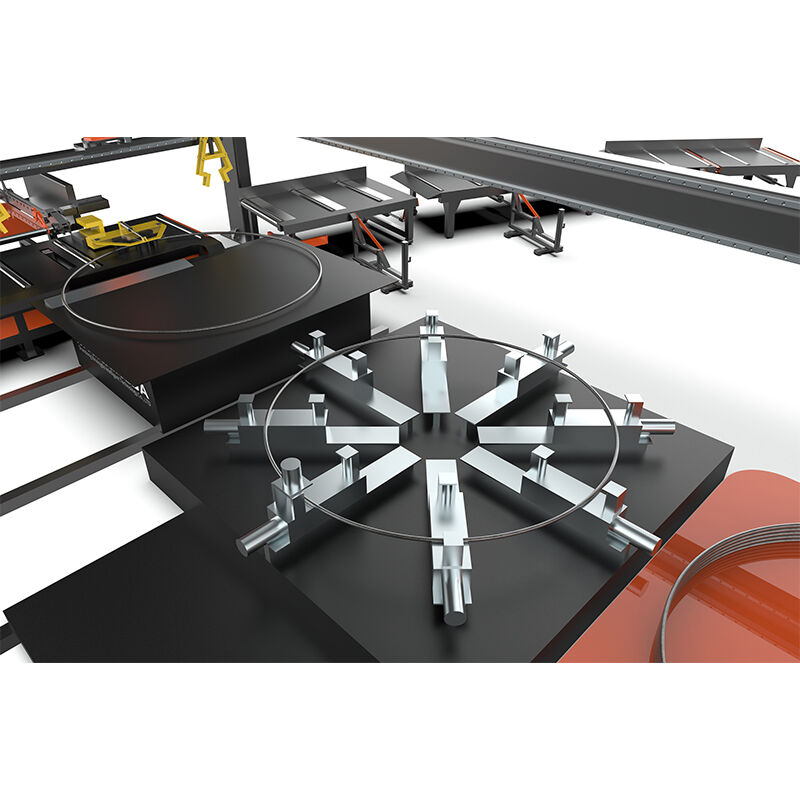
Modern construction and manufacturing industries depend heavily on reliable steel bar processing equipment to maintain efficiency, precision, and safety standards. The quality of steel bar processing equipment directly impacts project timelines, material waste reduction, and overall operational costs. Understanding the essential features that define reliable equipment helps industrial professionals make informed decisions when selecting machinery for their operations. From automated control systems to robust mechanical components, reliable steel bar processing equipment must meet stringent performance criteria while delivering consistent results across diverse project requirements.
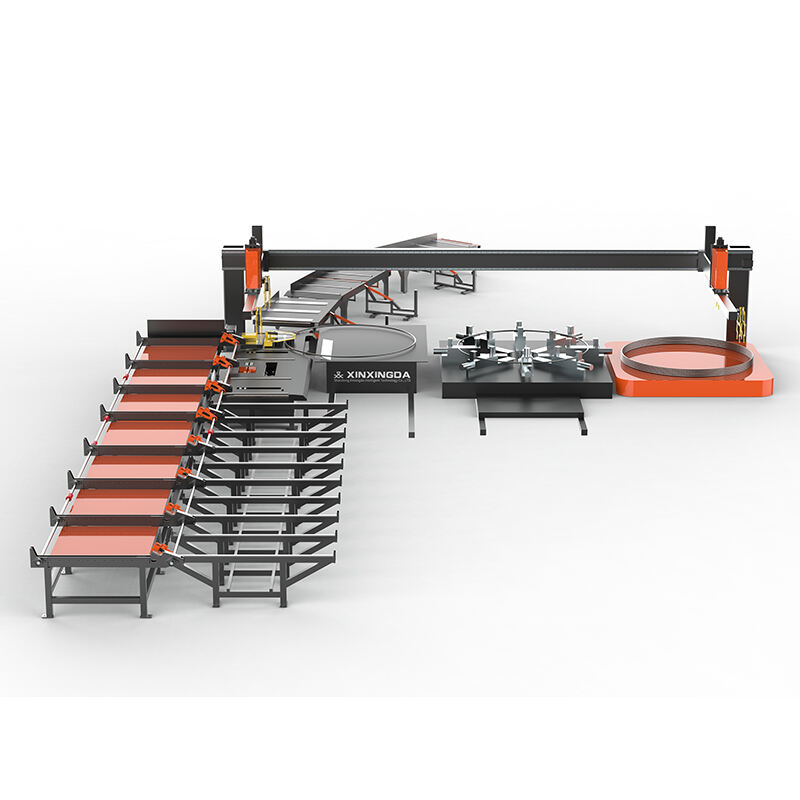
The selection of appropriate steel bar processing equipment significantly influences productivity levels and operational efficiency in construction projects. Professional contractors and manufacturers require machinery that delivers consistent performance under demanding conditions while maintaining precision standards throughout extended operational periods. Reliable equipment reduces downtime, minimizes maintenance costs, and ensures compliance with industry safety regulations. These factors collectively contribute to improved project profitability and enhanced workplace safety for operators and maintenance personnel.
Advanced Control Systems and Automation Features
Digital Control Interface Technology
Contemporary steel bar processing equipment incorporates sophisticated digital control interfaces that enable operators to program complex bending sequences with remarkable precision. These advanced systems feature touchscreen displays, intuitive menu structures, and programmable memory functions that store frequently used configurations. The digital control technology reduces human error while improving processing speed and consistency across multiple production runs. Operators can quickly adjust parameters, monitor real-time performance metrics, and troubleshoot potential issues through comprehensive diagnostic capabilities built into modern control systems.
Reliable control systems also provide extensive data logging capabilities that track production statistics, maintenance schedules, and operational efficiency metrics. This information helps facility managers optimize workflow processes, predict maintenance requirements, and identify opportunities for productivity improvements. The integration of remote monitoring capabilities allows supervisors to track equipment performance from central control rooms, enhancing overall operational oversight and response times to potential problems.
Automated Safety Monitoring Systems
Safety monitoring systems represent critical components of reliable steel bar processing equipment, providing continuous surveillance of operational parameters and immediate response to potentially hazardous conditions. These systems incorporate multiple sensor technologies that detect abnormal vibrations, excessive temperatures, hydraulic pressure variations, and material feed irregularities. When safety thresholds are exceeded, automated shutdown protocols engage immediately to protect both equipment and personnel from potential harm.
Emergency stop functions, safety light curtains, and proximity sensors work together to create comprehensive protective barriers around processing equipment. These safety features comply with international industrial safety standards while providing operators with confidence during high-volume production periods. Regular calibration and testing of safety systems ensure continued reliability and regulatory compliance throughout the equipment lifecycle.
Mechanical Durability and Construction Quality
Heavy-Duty Frame Construction
The structural foundation of reliable steel bar processing equipment begins with robust frame construction using high-grade steel alloys and precision welding techniques. Heavy-duty frames provide the stability necessary to maintain accuracy during high-force bending operations while resisting deformation under continuous operational stress. Quality frame construction incorporates strategic reinforcement points, vibration dampening elements, and precision-machined mounting surfaces that ensure long-term dimensional stability.
Frame design considerations include thermal expansion compensation, accessibility for maintenance procedures, and modular component integration capabilities. These design elements contribute to extended service life while facilitating routine maintenance and component replacement procedures. The frame construction quality directly influences the overall performance reliability and operational longevity of steel bar processing equipment across diverse industrial applications.
Precision Mechanical Components
High-precision mechanical components form the operational heart of reliable steel bar processing equipment, including hardened bending rollers, precision-ground guide systems, and robust drive mechanisms. These components undergo rigorous quality control testing and precision manufacturing processes to ensure consistent performance under varying load conditions. The selection of premium bearing systems, hardened wear surfaces, and precision-machined interfaces contributes significantly to equipment reliability and processing accuracy.
Regular maintenance protocols for mechanical components include lubrication schedules, wear pattern monitoring, and preventive replacement procedures that maintain optimal performance levels. Quality mechanical components demonstrate extended service intervals between major maintenance procedures while maintaining tight tolerance specifications throughout their operational lifecycle. This reliability translates to reduced downtime and consistent product quality across extended production periods.
Hydraulic System Performance and Reliability
High-Pressure Hydraulic Technology
Modern steel bar processing equipment utilizes advanced high-pressure hydraulic systems that deliver precise force control and rapid cycle times during bending operations. These hydraulic systems incorporate variable-displacement pumps, proportional control valves, and pressure feedback systems that maintain consistent force application regardless of material variations or environmental conditions. The hydraulic technology enables smooth, controlled movements that minimize material stress while achieving precise bend angles and consistent repeatability.
Hydraulic system reliability depends on quality filtration systems, proper fluid management protocols, and regular system maintenance procedures. Advanced filtration removes contaminants that could compromise system performance while temperature control systems maintain optimal operating conditions. Regular fluid analysis and replacement schedules ensure continued system reliability and prevent premature component failure due to contamination or fluid degradation.
Energy Efficiency and Power Management
Energy-efficient hydraulic systems incorporate variable-speed drive technology, demand-based power management, and regenerative energy recovery systems that reduce operational costs while maintaining performance standards. These systems automatically adjust power consumption based on processing requirements, reducing energy waste during idle periods and optimizing power delivery during active operations. The integration of power management features contributes to lower operating costs and reduced environmental impact across extended operational periods.
Reliable power management systems also include surge protection, voltage regulation, and backup power capabilities that maintain operational continuity during power fluctuations or brief outages. These features protect sensitive electronic components while ensuring uninterrupted production schedules during critical project phases. Energy monitoring capabilities provide detailed consumption data that helps facility managers optimize power usage and identify opportunities for further efficiency improvements.
Material Handling and Feed Systems
Automated Material Feed Mechanisms
Automated material handling systems enhance the reliability and efficiency of steel bar processing equipment by providing consistent material feed rates and precise positioning throughout processing operations. These systems incorporate servo-controlled feed mechanisms, material guides, and length measurement systems that ensure accurate material positioning and consistent processing results. Automated feed systems reduce manual handling requirements while improving operator safety and processing speed across diverse material specifications.
The integration of material detection sensors and automatic length measurement capabilities enables precise material utilization and waste reduction. These systems automatically adjust feed rates based on material properties and processing requirements while maintaining tight tolerances on finished product dimensions. Reliable feed systems contribute significantly to overall equipment productivity and material cost optimization in high-volume production environments.
Quality Control and Measurement Systems
Integrated quality control systems provide real-time monitoring of bend angles, dimensions, and material positioning throughout the processing cycle. These measurement systems incorporate laser positioning technology, digital angle measurement, and automated dimensional verification that ensures finished products meet specified tolerances. Quality control integration reduces the need for manual inspection while providing comprehensive documentation of product specifications and manufacturing parameters.
Advanced measurement systems also provide statistical process control capabilities that track production trends, identify potential quality issues, and generate comprehensive production reports. This data enables continuous process improvement and helps maintain consistent product quality across extended production runs. The integration of quality control systems with steel bar processing equipment enhances overall reliability and customer satisfaction through consistent product delivery.
Maintenance Accessibility and Service Features
Diagnostic Capabilities and Troubleshooting
Comprehensive diagnostic systems built into modern steel bar processing equipment provide detailed monitoring of operational parameters and early warning indicators for potential maintenance issues. These systems continuously monitor hydraulic pressures, electrical systems, mechanical wear patterns, and operational performance metrics. Advanced diagnostic capabilities enable predictive maintenance scheduling that prevents unexpected failures while optimizing maintenance resource allocation.
User-friendly diagnostic interfaces provide maintenance personnel with clear guidance for troubleshooting procedures and component replacement tasks. Step-by-step diagnostic protocols help identify root causes of performance issues while comprehensive error code systems provide specific guidance for corrective actions. These features reduce troubleshooting time and improve maintenance efficiency across diverse operational environments.
Component Accessibility and Modular Design
Reliable steel bar processing equipment incorporates thoughtful design features that facilitate routine maintenance procedures and component replacement tasks. Strategic component placement, removable access panels, and modular construction enable maintenance personnel to perform routine service tasks efficiently without extensive disassembly procedures. This accessibility reduces maintenance time requirements and minimizes production downtime during scheduled maintenance intervals.
Modular design concepts also enable equipment upgrades and configuration modifications that extend equipment service life and adapt to changing production requirements. Standardized component interfaces and universal mounting systems facilitate component replacement while maintaining system integrity and performance standards. These design features contribute to long-term equipment reliability and operational flexibility across diverse industrial applications.
FAQ
What maintenance schedule should be followed for steel bar processing equipment
Reliable steel bar processing equipment requires daily inspection of hydraulic fluid levels, lubrication points, and safety systems. Weekly maintenance includes detailed cleaning of feed mechanisms, inspection of wear components, and verification of control system calibration. Monthly procedures involve comprehensive hydraulic system analysis, electrical connection inspection, and replacement of consumable components according to manufacturer specifications. Annual maintenance includes complete system overhaul, precision component inspection, and updating of software systems to maintain optimal performance standards.
How do environmental conditions affect steel bar processing equipment reliability
Environmental factors such as temperature extremes, humidity levels, and dust exposure significantly impact steel bar processing equipment performance and longevity. High temperatures can affect hydraulic fluid viscosity and electrical component performance, while excessive humidity may cause corrosion of metal surfaces and electrical connections. Dust and debris accumulation can interfere with precision mechanical components and compromise safety system operation. Proper environmental controls including temperature regulation, dust filtration, and corrosion protection measures help maintain equipment reliability across diverse operating conditions.
What training requirements are necessary for operating steel bar processing equipment safely
Safe operation of steel bar processing equipment requires comprehensive training covering equipment controls, safety procedures, emergency protocols, and routine maintenance tasks. Operators must understand hydraulic system principles, control interface navigation, and proper material handling techniques. Training programs should include hands-on experience with actual equipment, safety certification procedures, and regular refresher courses to maintain proficiency levels. Ongoing education ensures operators remain current with technological updates and safety regulation changes that affect equipment operation and workplace safety standards.
How can productivity be maximized while maintaining equipment reliability
Maximizing productivity while maintaining steel bar processing equipment reliability requires balanced operational strategies that optimize processing speeds without compromising equipment longevity. Regular preventive maintenance schedules, proper operator training, and adherence to manufacturer specifications help maintain peak performance levels. Implementing production planning systems that coordinate material flow, scheduling adequate maintenance windows, and monitoring performance metrics enable sustained high productivity. Quality control integration and automated systems reduce processing errors while maintaining consistent output standards that support long-term operational efficiency and equipment reliability.
Table of Contents
- Advanced Control Systems and Automation Features
- Mechanical Durability and Construction Quality
- Hydraulic System Performance and Reliability
- Material Handling and Feed Systems
- Maintenance Accessibility and Service Features
-
FAQ
- What maintenance schedule should be followed for steel bar processing equipment
- How do environmental conditions affect steel bar processing equipment reliability
- What training requirements are necessary for operating steel bar processing equipment safely
- How can productivity be maximized while maintaining equipment reliability