
 EN
EN

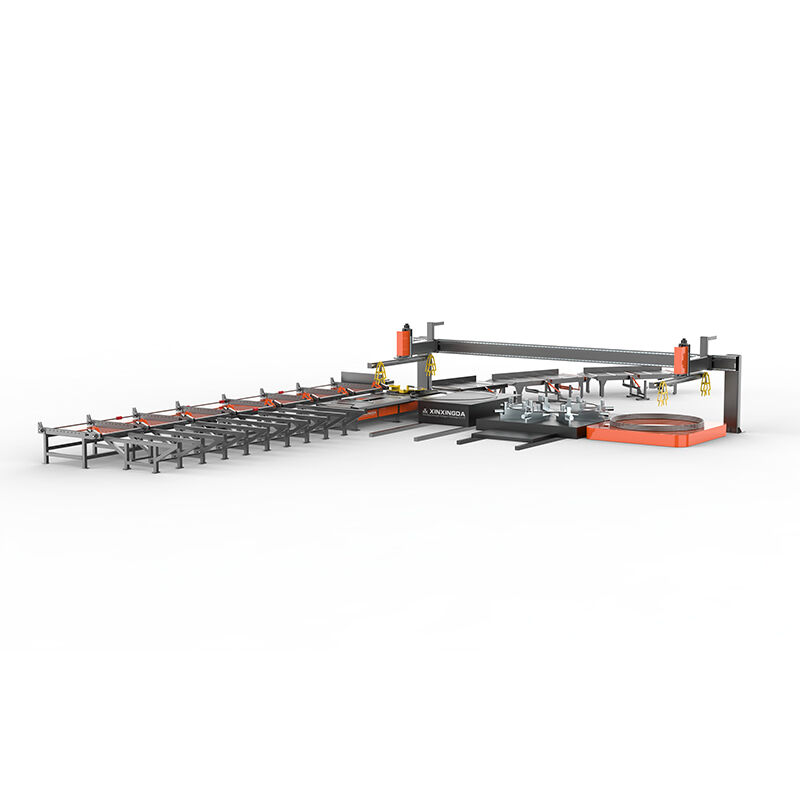
Selecting the right CNC steel bar bending machine for construction projects requires careful evaluation of multiple technical and operational factors. The decision directly impacts project efficiency, structural integrity, and long-term cost-effectiveness. Construction managers and engineers must balance automation capabilities, precision requirements, and production volume demands to identify the optimal equipment solution for their specific applications.
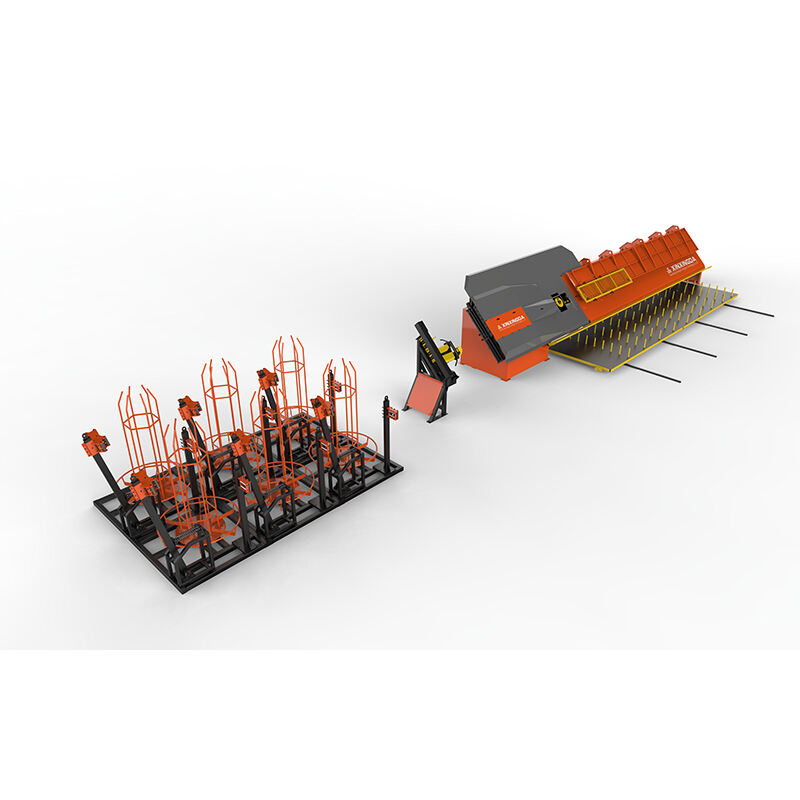
The complexity of modern construction projects demands precision-engineered reinforcement components that meet exact specifications consistently. A properly selected CNC steel bar bending machine transforms raw reinforcement materials into precisely shaped components, reducing manual labor requirements while improving quality control throughout the fabrication process.
Understanding CNC Steel Bar Bending Machine Capabilities
Core Automation Features
Modern CNC steel bar bending machines incorporate advanced servo-controlled systems that execute complex bending sequences automatically. These systems utilize programmable logic controllers to manage multiple axis movements simultaneously, enabling the creation of intricate reinforcement shapes without manual intervention. The automation capabilities extend beyond basic bending operations to include feeding, cutting, and positioning functions that streamline the entire fabrication workflow.
The precision of CNC steel bar bending machine operations depends on sophisticated feedback mechanisms that monitor bend angles, material positioning, and force application throughout each cycle. Advanced models feature real-time adjustment capabilities that compensate for material variations and ensure consistent output quality. This level of automation significantly reduces the skill requirements for operators while maintaining high-precision standards across production runs.
Production Capacity Considerations
Production capacity evaluation involves analyzing both theoretical maximum output and practical throughput under typical operating conditions. A well-specified CNC steel bar bending machine should accommodate the peak demand periods while maintaining efficiency during normal production volumes. Capacity planning must account for setup time, material changeovers, and maintenance requirements that affect overall productivity.
The relationship between machine capacity and project scheduling requires careful consideration of lead times and inventory management strategies. Higher-capacity CNC steel bar bending machine models enable just-in-time production approaches that minimize storage requirements while ensuring timely delivery of reinforcement components to construction sites.
Technical Specifications and Performance Requirements
Bending Force and Material Compatibility
The bending force capability of a CNC steel bar bending machine determines the maximum diameter and strength grade of reinforcement bars it can process effectively. Force requirements vary significantly based on material properties, with high-strength steel grades requiring proportionally higher bending forces. Proper force specification ensures clean bends without material deformation or cracking that could compromise structural integrity.
Material compatibility extends beyond diameter limitations to include consideration of steel grades, surface treatments, and alloy compositions commonly used in construction applications. A versatile CNC steel bar bending machine should accommodate standard reinforcement materials while providing flexibility for specialized applications requiring exotic alloys or coated bars.
Precision and Repeatability Standards
Precision requirements for reinforcement components typically demand angular accuracy within ±0.5 degrees and dimensional tolerances measured in millimeters. The CNC steel bar bending machine must maintain these precision standards across thousands of cycles without degradation. Repeatability becomes critical when producing large quantities of identical components for modular construction approaches.
Quality control systems integrated into advanced CNC steel bar bending machine designs provide continuous monitoring of dimensional accuracy and immediate feedback when tolerances exceed acceptable limits. These systems reduce waste generation while ensuring compliance with structural engineering specifications and building code requirements.
Operational Integration and Workflow Optimization
Software Compatibility and Programming Flexibility
The programming interface of a CNC steel bar bending machine significantly impacts operational efficiency and user adoption rates. Modern systems offer CAD integration capabilities that allow direct import of structural drawings and automatic generation of bending programs. This integration eliminates manual programming errors while reducing setup time for complex reinforcement configurations.
Software flexibility enables customization of bending sequences, material handling protocols, and quality control procedures to match specific project requirements. Advanced CNC steel bar bending machine controllers support multiple programming languages and provide extensive libraries of standard reinforcement shapes that accelerate program development.
Material Handling and Automation Integration
Efficient material handling systems complement CNC steel bar bending machine operations by automating the feeding, positioning, and removal of reinforcement components. Conveyor systems, robotic material handlers, and automated storage solutions create seamless production workflows that minimize manual intervention requirements.
Integration with upstream and downstream processes requires careful coordination of timing, material flow, and quality control checkpoints. A well-integrated CNC steel bar bending machine becomes part of a comprehensive fabrication system that optimizes overall production efficiency while maintaining quality standards.
Economic Evaluation and Return on Investment
Capital Cost Analysis
The initial capital investment for a CNC steel bar bending machine encompasses equipment purchase price, installation costs, training expenses, and facility modifications required for proper operation. Cost evaluation must consider the total cost of ownership over the equipment's expected service life, including maintenance, consumables, and potential upgrades.
Financing options and leasing arrangements can significantly impact the economic viability of CNC steel bar bending machine acquisition, particularly for smaller construction companies or those with limited capital availability. The selection process should evaluate multiple acquisition strategies to identify the most favorable financial structure.
Operating Cost Benefits
Operating cost advantages of CNC steel bar bending machine systems include reduced labor requirements, improved material utilization, and decreased waste generation. Labor cost savings result from automation of repetitive bending operations and reduction in skilled operator requirements. Material savings arise from precise cutting and bending that minimize scrap generation.
Quality improvements achieved through CNC steel bar bending machine implementation reduce costly rework and project delays associated with dimensional errors or structural defects. These indirect cost benefits often exceed the direct operating cost savings and contribute significantly to overall project profitability.
Selection Criteria and Decision Framework
Project-Specific Requirements Assessment
Each construction project presents unique requirements that influence CNC steel bar bending machine selection criteria. High-rise construction projects may prioritize precision and consistency for repetitive floor systems, while infrastructure projects might emphasize versatility and durability for varied reinforcement configurations. Understanding project-specific demands guides the evaluation of machine capabilities and features.
The selection framework should incorporate both current project requirements and anticipated future needs to maximize equipment utilization over its service life. A forward-looking approach to CNC steel bar bending machine selection considers market trends, technology evolution, and business growth projections that might influence equipment requirements.
Vendor Evaluation and Support Considerations
Vendor selection extends beyond equipment specifications to encompass service support, parts availability, and technical expertise. Reliable technical support becomes critical during equipment commissioning, operator training, and ongoing maintenance operations. The vendor's track record in the construction industry and references from similar applications provide valuable insights into long-term partnership potential.
Service infrastructure including local service technicians, parts distribution networks, and training facilities significantly impacts the total cost of ownership for CNC steel bar bending machine systems. Vendors with comprehensive support capabilities minimize downtime risks and ensure optimal equipment performance throughout its operational life.
FAQ
What factors determine the size and capacity requirements for a CNC steel bar bending machine in construction applications?
The size and capacity requirements depend on the maximum diameter of reinforcement bars used in your projects, typical production volumes, and the complexity of bending patterns required. Consider both current project demands and anticipated growth to ensure the selected CNC steel bar bending machine can accommodate future requirements without becoming a production bottleneck.
How important is software compatibility when selecting a CNC steel bar bending machine?
Software compatibility is crucial for operational efficiency and integration with existing design workflows. Modern CNC steel bar bending machine systems should offer CAD integration capabilities, user-friendly programming interfaces, and compatibility with common construction industry software platforms to minimize learning curves and maximize productivity.
What maintenance requirements should be considered when evaluating CNC steel bar bending machine options?
Maintenance requirements include routine servicing schedules, consumable part replacement intervals, and availability of technical support services. Evaluate the vendor's service network, parts availability, and training programs to ensure long-term operational reliability and minimize unexpected downtime costs.
How can I assess the return on investment for a CNC steel bar bending machine purchase?
ROI assessment should include direct cost savings from labor reduction and material optimization, plus indirect benefits from improved quality, reduced rework, and faster project completion times. Calculate the total cost of ownership over the equipment's expected service life and compare it against current manual processing costs and quality-related expenses.
Table of Contents
- Understanding CNC Steel Bar Bending Machine Capabilities
- Technical Specifications and Performance Requirements
- Operational Integration and Workflow Optimization
- Economic Evaluation and Return on Investment
- Selection Criteria and Decision Framework
-
FAQ
- What factors determine the size and capacity requirements for a CNC steel bar bending machine in construction applications?
- How important is software compatibility when selecting a CNC steel bar bending machine?
- What maintenance requirements should be considered when evaluating CNC steel bar bending machine options?
- How can I assess the return on investment for a CNC steel bar bending machine purchase?