
 EN
EN

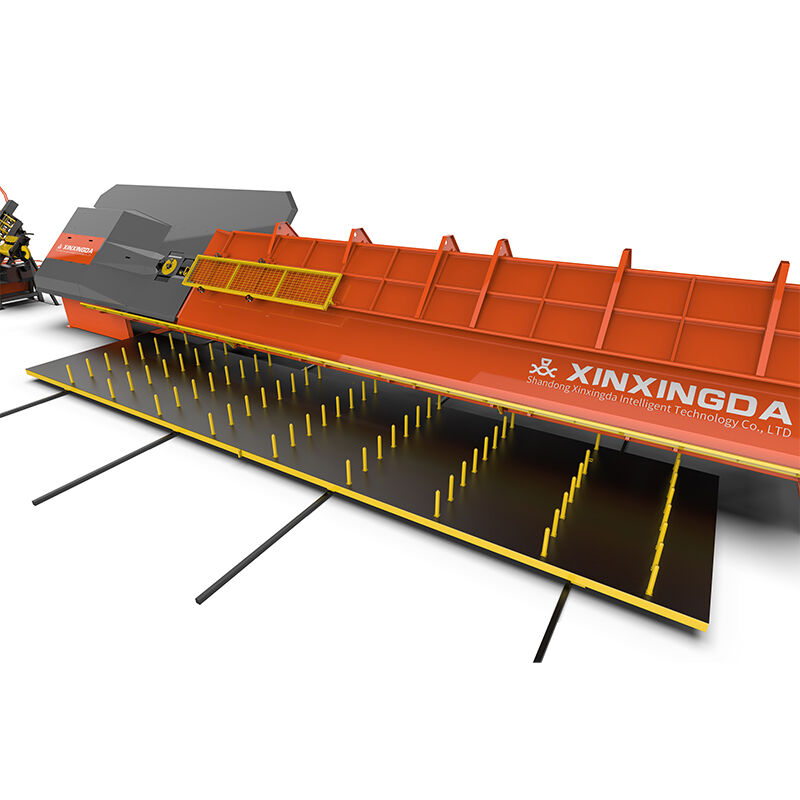
A CNC steel bar bending machine represents a revolutionary advancement in construction and manufacturing operations, delivering unprecedented precision and efficiency in steel bar manipulation. This sophisticated equipment has transformed how contractors, fabricators, and construction professionals approach reinforcement steel processing, offering distinct advantages that traditional manual methods simply cannot match.
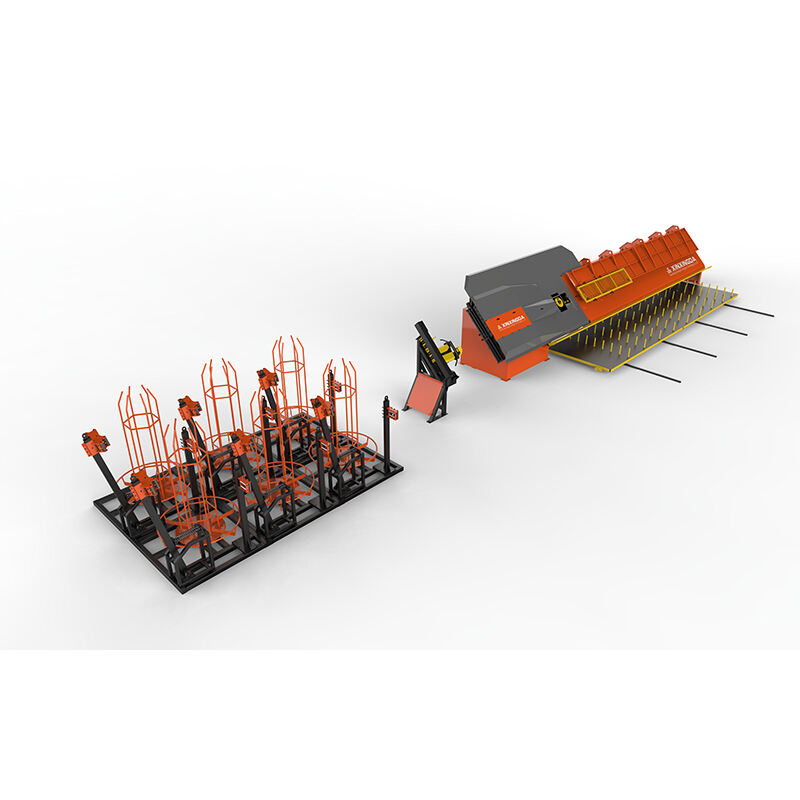
The advantages of implementing a CNC steel bar bending machine extend far beyond basic automation, encompassing improved accuracy, enhanced productivity, reduced material waste, and superior worker safety. Understanding these comprehensive benefits enables construction professionals to make informed decisions about equipment investments that can significantly impact project timelines, quality standards, and overall operational profitability.
Enhanced Precision and Accuracy Benefits
Computer-Controlled Bending Precision
The primary advantage of a CNC steel bar bending machine lies in its exceptional precision capabilities. Unlike manual bending methods that rely on operator skill and visual estimation, CNC technology ensures consistent angle accuracy within tolerances of ±0.1 degrees. This level of precision becomes crucial when working with complex reinforcement patterns where even minor deviations can compromise structural integrity.
Advanced servo motors and feedback systems in modern CNC steel bar bending machine units continuously monitor and adjust bending parameters in real-time. This closed-loop control system eliminates human error factors that commonly occur during manual operations, ensuring that each bent bar meets exact specifications regardless of operator experience levels.
The precision advantage becomes particularly valuable in high-rise construction projects where reinforcement consistency directly impacts building safety and compliance with engineering specifications. Construction teams report significant reductions in rework and material rejection rates when utilizing CNC bending technology.
Consistent Quality Standards
Quality consistency represents another fundamental advantage offered by CNC steel bar bending machine systems. Traditional manual bending often produces variations between operators and across different work shifts, leading to inconsistent reinforcement quality that may require additional inspection and correction procedures.
CNC automation eliminates these quality variations by executing identical bending sequences regardless of external factors like operator fatigue, environmental conditions, or production pressure. This consistency advantage proves essential for projects requiring strict quality certification and regulatory compliance.
The ability to store and recall precise bending programs ensures that subsequent production runs maintain identical quality standards, enabling contractors to confidently commit to tight tolerances and demanding quality specifications.
Productivity and Efficiency Improvements
Accelerated Production Speeds
Modern CNC steel bar bending machine systems deliver substantial productivity advantages through accelerated bending speeds and reduced setup times. Automated operations can complete complex bending sequences in fraction of the time required for manual methods, with typical speed improvements ranging from 300% to 500% depending on complexity levels.
The continuous operation capability of CNC systems enables extended production runs without performance degradation. Unlike manual operations that experience declining efficiency due to worker fatigue, CNC steel bar bending machine units maintain consistent speed and accuracy throughout entire shifts.
Rapid tool changeover features allow operators to switch between different bar diameters and bending configurations within minutes rather than hours, maximizing productive utilization and minimizing downtime between different project requirements.
Reduced Labor Requirements
Labor efficiency represents a significant operational advantage provided by CNC steel bar bending machine implementation. A single operator can manage multiple bending operations simultaneously, compared to traditional methods requiring dedicated workers for each bending station.
The reduced reliance on skilled manual labor helps contractors overcome workforce shortages while maintaining production capacity. CNC operation requires minimal training compared to developing manual bending expertise, enabling faster workforce development and reduced dependency on specialized craftsmen.
Automated feeding and positioning systems further reduce labor requirements by handling material movement and alignment tasks that traditionally required additional personnel support.
Material Waste Reduction and Cost Savings
Optimized Material Utilization
A CNC steel bar bending machine provides substantial material waste reduction advantages through optimized cutting and bending sequences. Advanced nesting algorithms calculate the most efficient material utilization patterns, minimizing scrap generation and maximizing yield from raw steel bar stock.
Precise bending accuracy eliminates the need for safety margins typically added to manual operations, allowing contractors to use exact material lengths specified in engineering drawings. This precision advantage can reduce material consumption by 8-15% compared to traditional bending methods.
The elimination of trial-and-error bending attempts further reduces waste generation, as CNC systems execute correct bends on the first attempt rather than requiring multiple attempts to achieve desired results.
Long-term Economic Benefits
The economic advantages of CNC steel bar bending machine ownership extend beyond immediate material savings to encompass reduced rework costs, decreased quality control expenses, and improved project scheduling reliability. These cumulative benefits typically result in payback periods ranging from 18 to 36 months depending on utilization levels.
Energy efficiency improvements contribute additional cost savings, as modern CNC systems consume significantly less power per bent bar compared to hydraulic manual bending equipment. Smart power management features automatically optimize energy consumption based on production requirements.
Maintenance cost advantages emerge from reduced wear on cutting tools and bending dies due to consistent loading and precise positioning, extending tool life and reducing replacement frequency.
Safety and Ergonomic Improvements
Enhanced Worker Safety
Safety improvements represent critical advantages provided by CNC steel bar bending machine systems. Automated operations eliminate direct worker contact with moving machinery during bending cycles, significantly reducing injury risks associated with manual steel manipulation.
Integrated safety systems including light curtains, emergency stops, and automatic material clamping prevent accidental contact with dangerous components. These safety features exceed traditional manual bending safety measures while maintaining high productivity levels.
The elimination of heavy lifting requirements reduces musculoskeletal injury risks that commonly affect workers in manual steel bending operations, contributing to improved workplace safety statistics and reduced workers compensation claims.
Improved Working Conditions
CNC steel bar bending machine implementation creates more comfortable working environments by reducing noise levels, eliminating repetitive manual motions, and providing climate-controlled operation areas. These improvements contribute to enhanced worker satisfaction and reduced turnover rates.
Ergonomic control interfaces allow operators to manage multiple machines from comfortable positions, reducing physical strain and enabling longer productive work periods without fatigue-related performance decline.
The reduced exposure to steel dust and metal particles improves respiratory health conditions for workers, creating safer long-term working environments compared to traditional manual bending operations.
FAQ
How much faster is a CNC steel bar bending machine compared to manual methods?
A CNC steel bar bending machine typically operates 3-5 times faster than manual bending methods, depending on the complexity of the bending sequence. Simple bends can be completed in seconds rather than minutes, while complex multi-angle bends that might take 10-15 minutes manually can be finished in 2-3 minutes with CNC automation.
What is the typical accuracy improvement with CNC steel bar bending machines?
CNC steel bar bending machine systems provide accuracy improvements of ±0.1 degrees compared to manual bending tolerances of ±2-3 degrees. This represents a 20-30 fold improvement in precision, which translates to significantly better fit-up during construction and reduced rework requirements for reinforcement installation.
Can a CNC steel bar bending machine handle different bar diameters and materials?
Modern CNC steel bar bending machine units accommodate multiple bar diameters typically ranging from 6mm to 50mm diameter, with quick-change tooling systems enabling rapid diameter transitions. Most machines handle various steel grades including standard reinforcement steel, high-strength alloys, and stainless steel with appropriate programming adjustments.
What maintenance requirements do CNC steel bar bending machines have?
CNC steel bar bending machine maintenance involves regular lubrication of moving components, periodic calibration checks, and replacement of wear items like bending dies and cutting blades. Preventive maintenance schedules typically require 2-4 hours weekly for routine servicing, with major overhauls needed every 2-3 years depending on usage intensity.
Table of Contents
- Enhanced Precision and Accuracy Benefits
- Productivity and Efficiency Improvements
- Material Waste Reduction and Cost Savings
- Safety and Ergonomic Improvements
-
FAQ
- How much faster is a CNC steel bar bending machine compared to manual methods?
- What is the typical accuracy improvement with CNC steel bar bending machines?
- Can a CNC steel bar bending machine handle different bar diameters and materials?
- What maintenance requirements do CNC steel bar bending machines have?