
 EN
EN
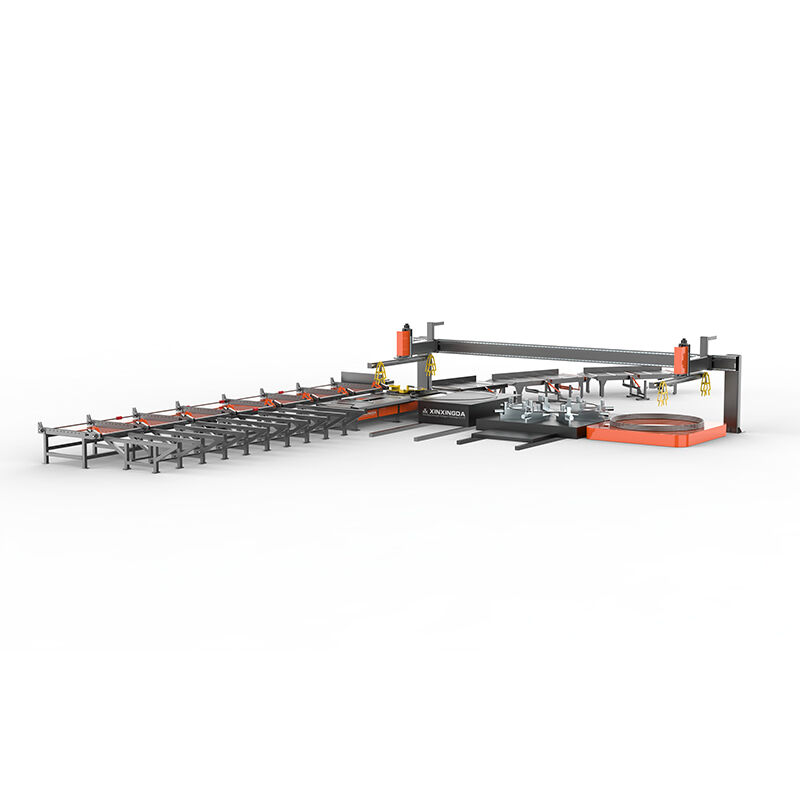
Choosing the right steel bar processing equipment is one of the most consequential decisions a fabrication facility or construction contractor can make. The wrong choice leads to wasted material, unreliable output dimensions, costly downtime, and safety risks that compound over time. With so many machines available across different configurations, capacities, and automation levels, identifying what truly separates high-quality equipment from mediocre alternatives requires a structured understanding of the features that matter most in real production environments.
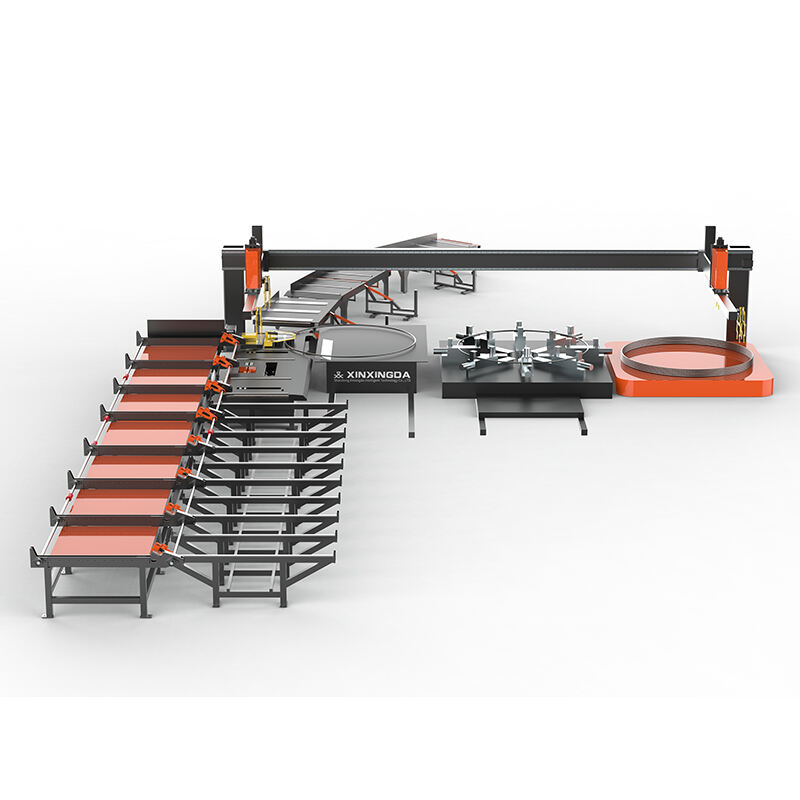
This article examines the defining features of high-quality steel bar processing equipment from a practical, engineering-informed perspective. Whether you are equipping a new rebar fabrication shop, upgrading an aging bending line, or evaluating an all-in-one solution for on-site use, understanding these criteria will sharpen your selection process and protect your investment over the long term.
Structural Integrity and Frame Design
Why Frame Rigidity Determines Long-Term Accuracy
The foundation of any high-quality steel bar processing equipment is its structural frame. A rigid, precision-welded frame absorbs the enormous mechanical stress generated during bending, cutting, and straightening operations without flexing or vibrating excessively. When a frame lacks sufficient rigidity, even minor deflections accumulate over thousands of cycles, causing progressive dimensional drift that makes output pieces non-conformant to engineering specifications.
High-quality machines use thick-section structural steel in their base frames, often reinforced with internal gussets and stress-relieved through controlled heat treatment. This approach prevents warping that could otherwise develop after repeated thermal and mechanical loading. The welding quality itself is a telling indicator — clean, continuous welds without porosity or undercut are signs of conscientious manufacturing rather than cost-cutting assembly.
Frame design also influences operator ergonomics and maintenance access. A well-designed steel bar processing equipment frame positions key components — motors, gearboxes, hydraulic units — in accessible locations without compromising structural performance. This balance between strength and serviceability is a hallmark of mature engineering design.
Bearing Assemblies and Mechanical Tolerances
Within the frame, the quality of bearing assemblies and machined tolerances directly governs how precisely the machine performs over time. High-load bearings with generous safety margins resist fatigue failure even when processing large-diameter bars close to the machine's rated capacity. Cheap bearings may perform adequately at first, but wear rates accelerate under continuous industrial use, introducing play into bending arms and drive shafts that degrades output quality.
Precision machined mating surfaces between rotating components and their housings ensure that the geometric relationship between the bending pin, central pin, and die remains exactly as designed. This geometric fidelity is what allows steel bar processing equipment to produce repeatable bend angles cycle after cycle without requiring frequent recalibration. Operators running tight-tolerance reinforcement cages for structural applications depend on this consistency throughout their production shifts.
Drive System Performance and Control Architecture
Electric Motor and Hydraulic System Quality
The drive system of steel bar processing equipment determines both throughput capacity and energy efficiency. High-quality machines employ industrial-grade electric motors with IP-rated enclosures that resist dust and moisture ingress common in construction and fabrication environments. Motor thermal protection, properly sized conductors, and correctly matched gearbox reduction ratios all contribute to sustained performance without overheating during extended operation.
For hydraulic-driven equipment, the quality of the pump, control valves, and cylinder seals is equally critical. High-grade hydraulic components maintain consistent pressure delivery across the full operating temperature range, ensuring that cutting and bending forces remain stable whether the machine has just started on a cold morning or has been running continuously for several hours. Pressure relief valves and filtration systems protect the hydraulic circuit from contamination-induced failures that are among the leading causes of unplanned downtime.
The pairing of a well-specified motor with a high-efficiency hydraulic circuit defines the energy consumption profile of the machine over its service life. For facilities operating multiple shifts, the operational cost difference between efficient and inefficient drive systems in steel bar processing equipment becomes substantial when calculated over years of production.
Programmable Control Systems and Automation Capability
Modern high-quality steel bar processing equipment integrates programmable logic controllers or dedicated CNC systems that allow operators to store, recall, and execute complex bending programs with minimal setup time. This capability transforms a machine from a manually intensive tool into a repeatable production asset. When a program is stored, every operator running that program produces identical results, eliminating the skill variability that plagues manually adjusted equipment.
Advanced control systems also provide real-time feedback on bend angle, force application, and cycle count. This data supports preventive maintenance scheduling and quality traceability — increasingly important for construction projects requiring documentation of reinforcement fabrication compliance. The human-machine interface should be intuitive, with clear parameter entry, error messaging, and diagnostic screens that reduce operator training time and minimize input errors during production.
The best steel bar processing equipment available today combines multi-function capability — bending, cutting, and sometimes straightening — within a single integrated platform controlled by a unified system. This all-in-one architecture reduces floor space requirements, simplifies operator training, and streamlines material flow through the production area.
Processing Range, Versatility, and Tooling Quality
Bar Diameter Range and Material Compatibility
A defining feature of high-quality steel bar processing equipment is its ability to process a broad diameter range without performance compromise at either extreme. Entry-level machines often handle a narrow band of bar sizes adequately but struggle with thicker bars or produce imprecise results on thinner ones. Quality equipment is engineered with sufficient motor torque reserves and tooling clearances to deliver consistent performance across the full advertised capacity range.
Material compatibility matters beyond just diameter. Rebar, plain round bar, deformed bar, and high-strength grades each have different yield characteristics that affect springback behavior during bending. High-quality steel bar processing equipment is designed with this variability in mind, offering adjustable bend angle compensation settings or material-specific programs that account for springback and ensure the finished piece meets the target geometry even when processing high-tensile steel grades.
Tooling interchangeability is another mark of quality. Machines that accept a range of bending pins, die sets, and cutting blades through a standardized mounting system give fabricators the flexibility to adapt to changing project requirements without major machine downtime or costly specialized retooling. Standardized tooling interfaces also simplify spare parts procurement and reduce inventory complexity.
Cutting Precision and Shear Blade Durability
For steel bar processing equipment that incorporates cutting functions, blade quality and cutting geometry are critical performance determinants. High-quality shear blades are manufactured from tool steel with appropriate hardness levels, allowing thousands of cuts before replacement becomes necessary. Poor-quality blades dull rapidly, increasing cutting force requirements, generating excessive heat, and producing deformed bar ends that create downstream fitment problems.
The cutting geometry — the clearance between upper and lower blades and the shear angle — must be precisely maintained to produce clean, square cuts without burring or end deformation. Quality machines allow blade gap adjustment as blades wear, extending service intervals and maintaining cut quality throughout the blade's usable life. This adjustability is a detail that separates thoughtfully engineered steel bar processing equipment from products built to a minimum cost specification.
Safety Architecture and Operator Protection Systems
Guarding, Emergency Stop, and Interlock Systems
Safety engineering is inseparable from quality in steel bar processing equipment. High-quality machines incorporate comprehensive physical guarding over all pinch points, rotating components, and cutting zones. These guards are not afterthoughts bolted on to meet minimum certification requirements but are integrated into the machine design from the outset, providing protection without obstructing the operator's working position or material handling efficiency.
Emergency stop systems must be large, clearly marked, and positioned at all operator stations. The stop circuit should be hardwired rather than relying solely on software logic, ensuring that a control system fault cannot prevent an emergency stop from taking effect. For machines with automatic feeding systems, interlocks that halt material movement when a guard is opened prevent the hazardous scenario of a bar advancing toward an operator's hands during a clearing operation.
High-quality steel bar processing equipment also incorporates overload protection on motors and hydraulic circuits, preventing equipment damage when a processing task exceeds capacity. This protection guards both the machine and the operator from the consequences of mechanical overload, which can include sudden part failures, projectile hazards, and loss of control over the workpiece.
Ergonomic Design and Fatigue Reduction
Operator ergonomics directly influences both safety and productivity. Quality steel bar processing equipment positions controls at natural heights, minimizes awkward body positions during loading and unloading, and reduces the physical effort required for setup adjustments. Over a full production shift, ergonomic design reduces operator fatigue, which is statistically linked to a higher incidence of errors and near-miss incidents.
Anti-vibration mounting of control panels and foot pedal positioning are small details that nonetheless accumulate into meaningful quality-of-work differences over time. Operators working on well-designed equipment maintain higher concentration levels and produce more consistent output than those working on machines that demand constant physical compensation for poor ergonomic design. This human factor dimension is a feature that experienced buyers evaluate carefully when assessing steel bar processing equipment.
Maintenance Design and Service Support Infrastructure
Accessibility for Routine Maintenance Tasks
How a machine is designed for maintenance is as important as how it performs in production. High-quality steel bar processing equipment provides easy access to lubrication points, filter elements, drive belts, and wear parts without requiring extensive disassembly. Centralized lubrication manifolds, clearly labeled service ports, and logical component layout allow trained technicians to complete scheduled maintenance quickly, minimizing production interruption.
Hydraulic fluid reservoirs with sight glass indicators, oil temperature sensors, and clogging indicators on filter housings give maintenance personnel real-time visibility into system condition without intrusive inspection procedures. Electrical panels that are logically organized with clearly labeled terminals and accessible circuit protection simplify fault-finding during troubleshooting. These features reflect a design philosophy that takes the total cost of ownership seriously, not just the purchase price of the steel bar processing equipment.
Spare Parts Availability and Manufacturer Support
Even the most reliable steel bar processing equipment requires occasional replacement of wear parts — cutting blades, bending pins, seals, and drive components. Manufacturers who maintain organized spare parts inventory, provide exploded view parts diagrams, and offer responsive technical support protect their customers from extended downtime when replacement is needed. This support infrastructure is a feature of the product in the broadest sense and should be assessed as seriously as any mechanical specification.
Documentation quality — operator manuals, maintenance schedules, wiring diagrams, and hydraulic schematics — is a further indicator of manufacturer seriousness. Clear, accurate technical documentation reduces training time, supports correct maintenance practices, and enables effective troubleshooting without requiring expensive field service calls for every issue. Buyers evaluating steel bar processing equipment should request documentation samples before purchase to assess the manufacturer's commitment to this aspect of quality.
FAQ
What is the most important structural feature to evaluate in steel bar processing equipment?
Frame rigidity is arguably the most fundamental structural feature in steel bar processing equipment. A rigid, precision-welded frame maintains dimensional accuracy across thousands of production cycles and prevents the progressive mechanical drift that occurs when frames flex under operating loads. Evaluating weld quality, steel section dimensions, and bearing specifications provides insight into whether a machine is built for sustained industrial performance.
How does control system quality affect the value of steel bar processing equipment?
A high-quality control system transforms steel bar processing equipment from a manually intensive tool into a repeatable production asset. Programmable systems allow operators to store complex bending programs, reducing setup time and eliminating skill-dependent variation in output. Advanced controls also provide diagnostic data that supports predictive maintenance and quality traceability documentation required on engineered construction projects.
Why is tooling interchangeability a sign of high-quality steel bar processing equipment?
Tooling interchangeability indicates that the manufacturer has designed steel bar processing equipment for flexible, long-term use across diverse project requirements. Standardized mounting systems allow fabricators to switch between bending pin sets, die configurations, and cutting blades without machine downtime, adapting quickly to different bar diameters and geometry requirements. It also simplifies spare parts management and reduces inventory carrying costs.
What role does safety engineering play in defining quality in steel bar processing equipment?
Safety engineering is integral to quality in steel bar processing equipment, not a separate category. Integrated guarding, hardwired emergency stop circuits, overload protection, and ergonomic operator station design all contribute to a safer working environment while also reducing the risk of equipment damage from operational errors. Buyers should view comprehensive safety architecture as evidence of responsible engineering rather than merely a regulatory compliance feature.
Table of Contents
- Structural Integrity and Frame Design
- Drive System Performance and Control Architecture
- Processing Range, Versatility, and Tooling Quality
- Safety Architecture and Operator Protection Systems
- Maintenance Design and Service Support Infrastructure
-
FAQ
- What is the most important structural feature to evaluate in steel bar processing equipment?
- How does control system quality affect the value of steel bar processing equipment?
- Why is tooling interchangeability a sign of high-quality steel bar processing equipment?
- What role does safety engineering play in defining quality in steel bar processing equipment?