ອຸປະກອນດັດແກນເຫຼັກແບບເຕັມຮູບແບບ CNC ທີ່ມີປະສິດທິພາບ
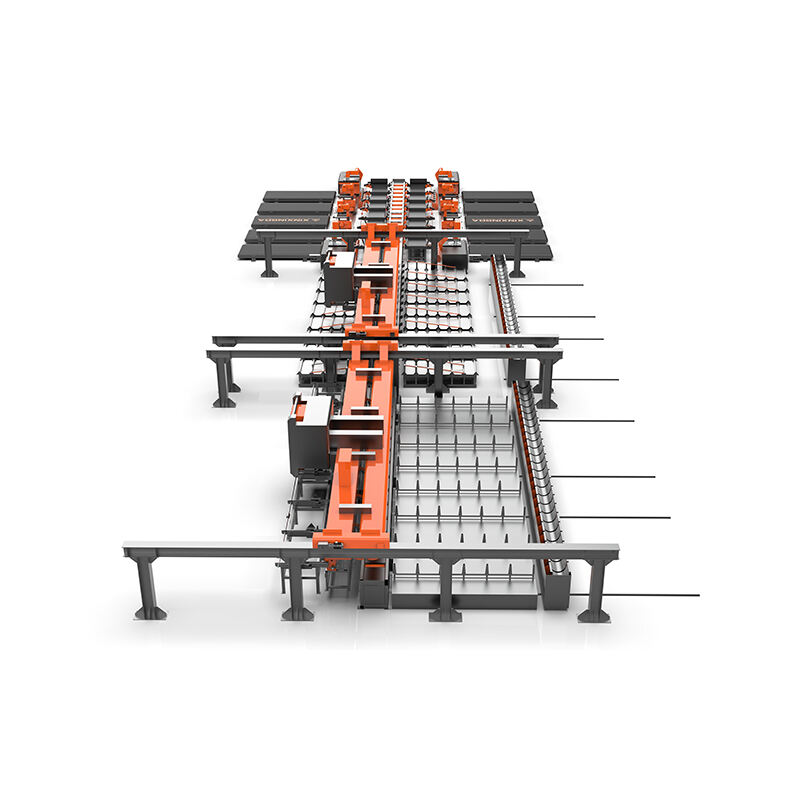
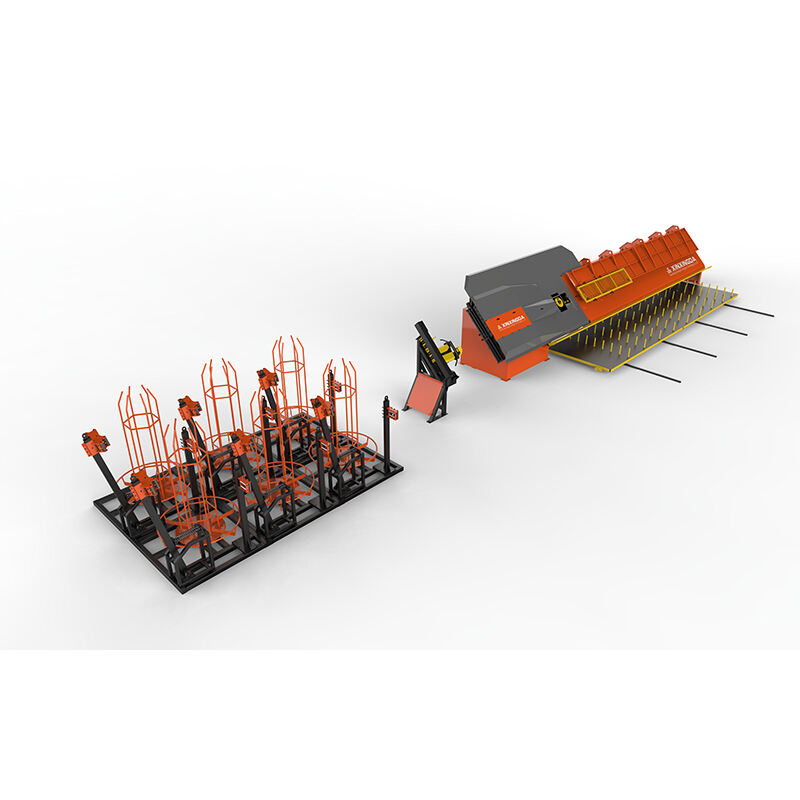
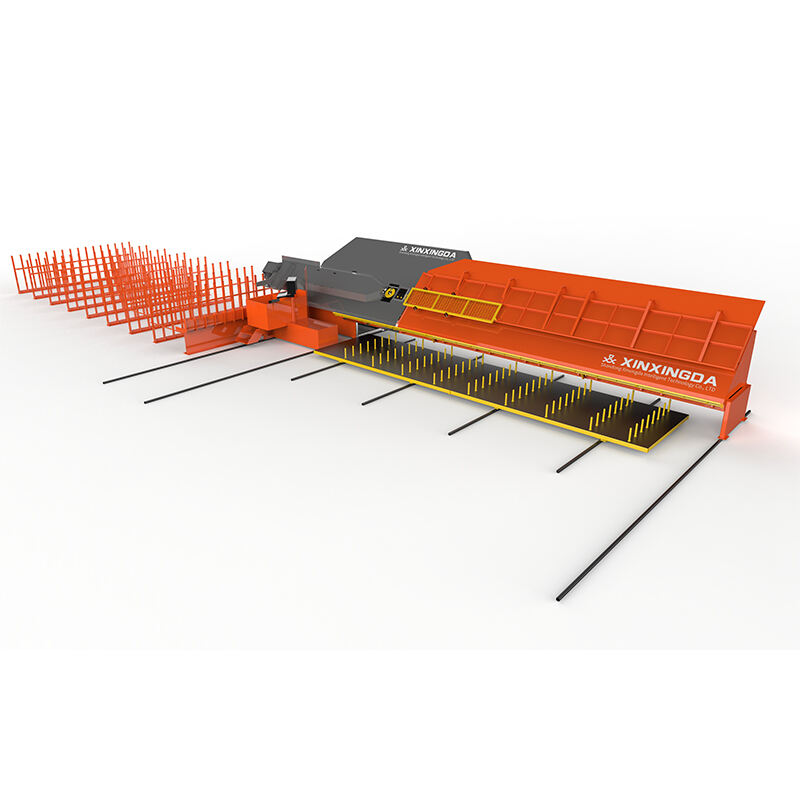
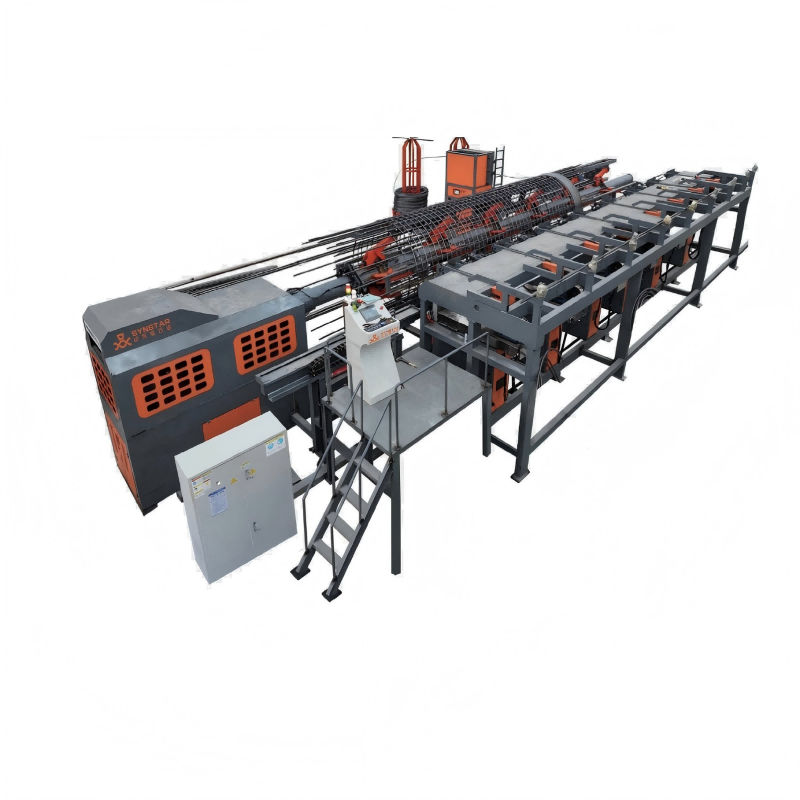
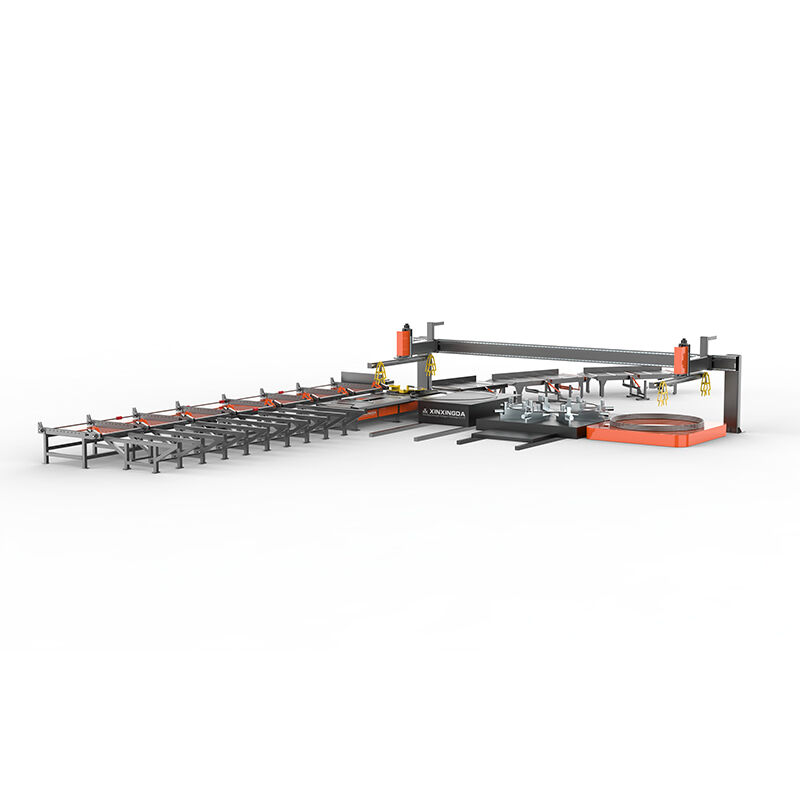
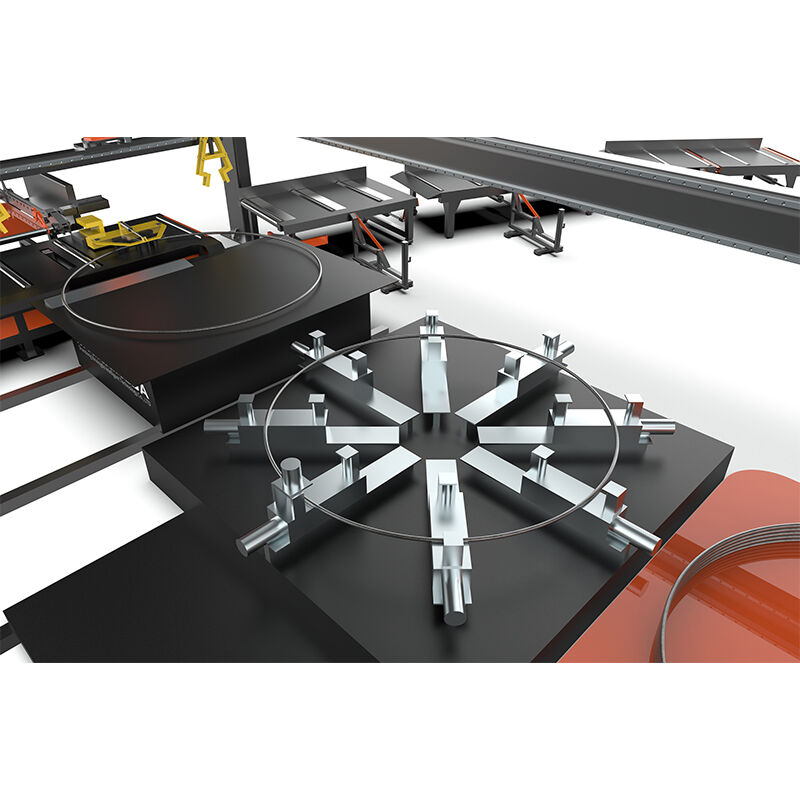
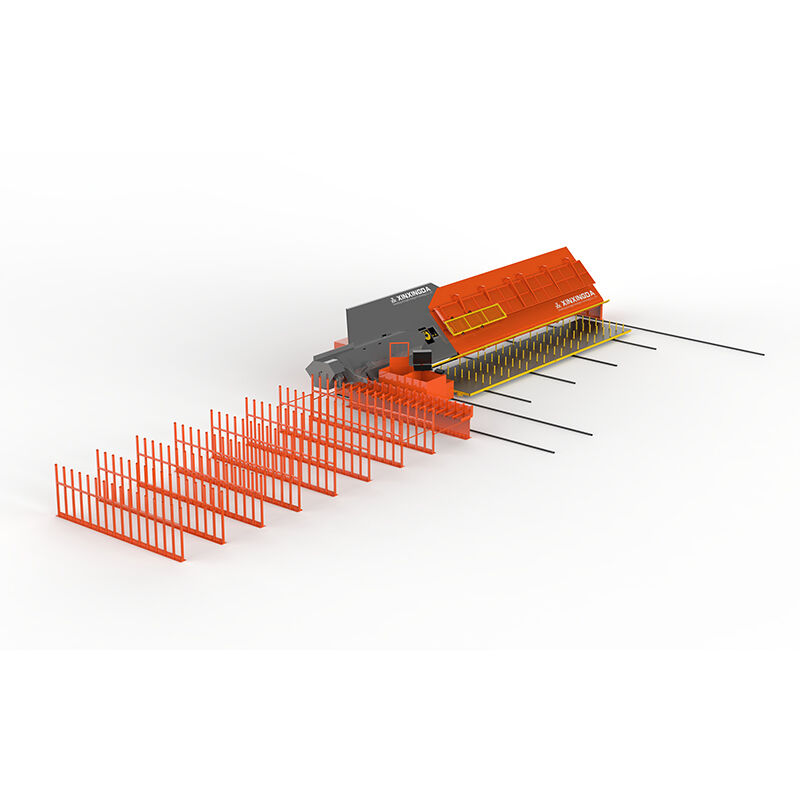
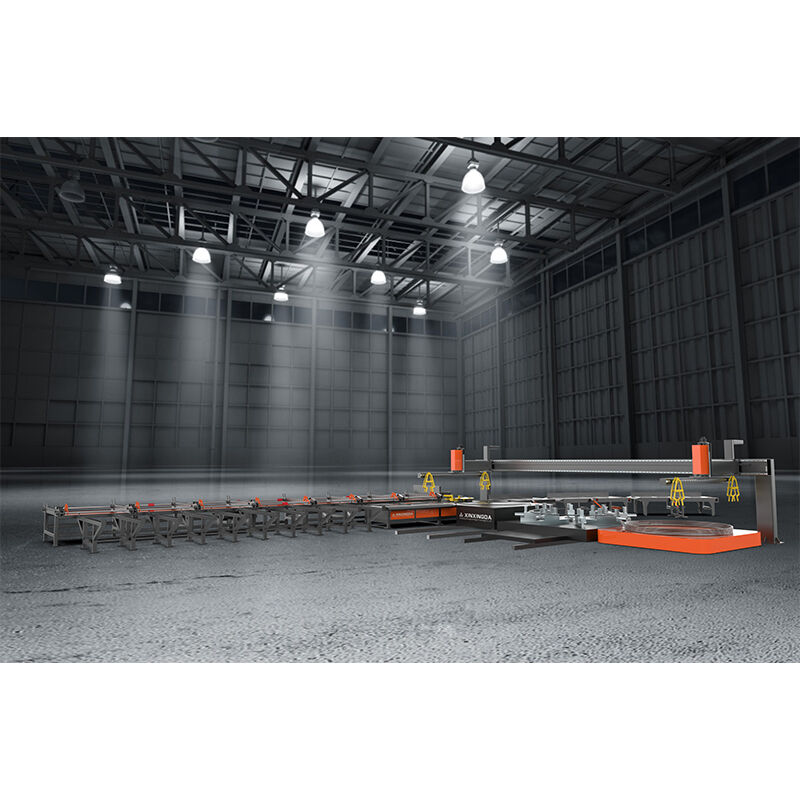
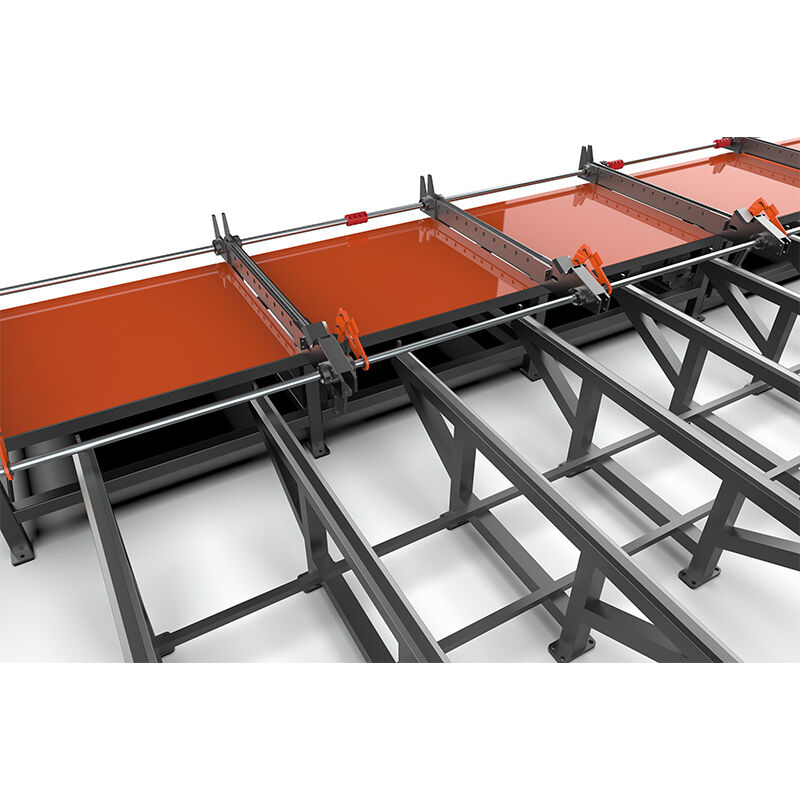
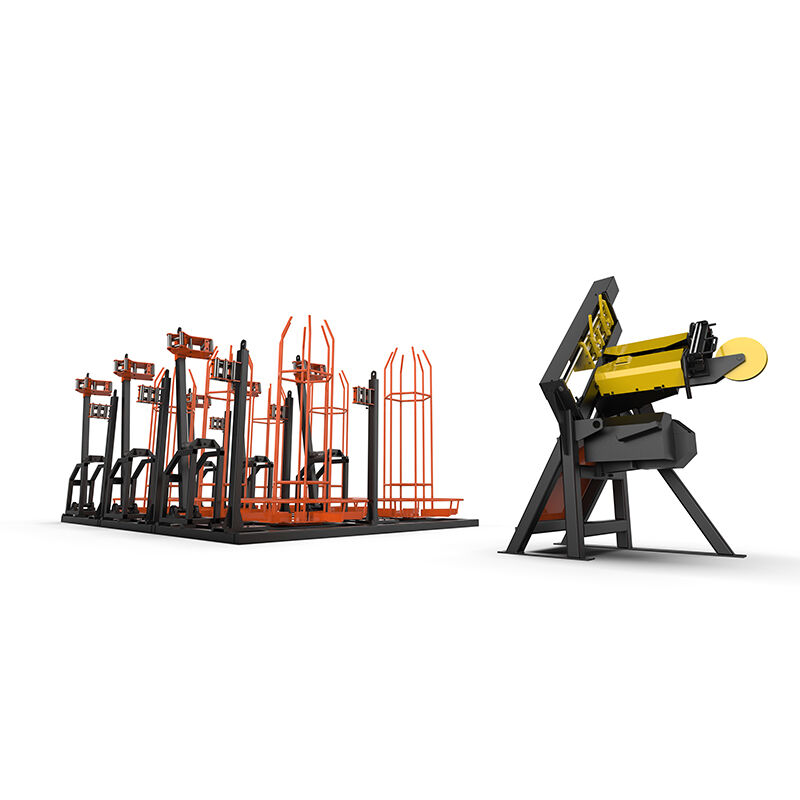
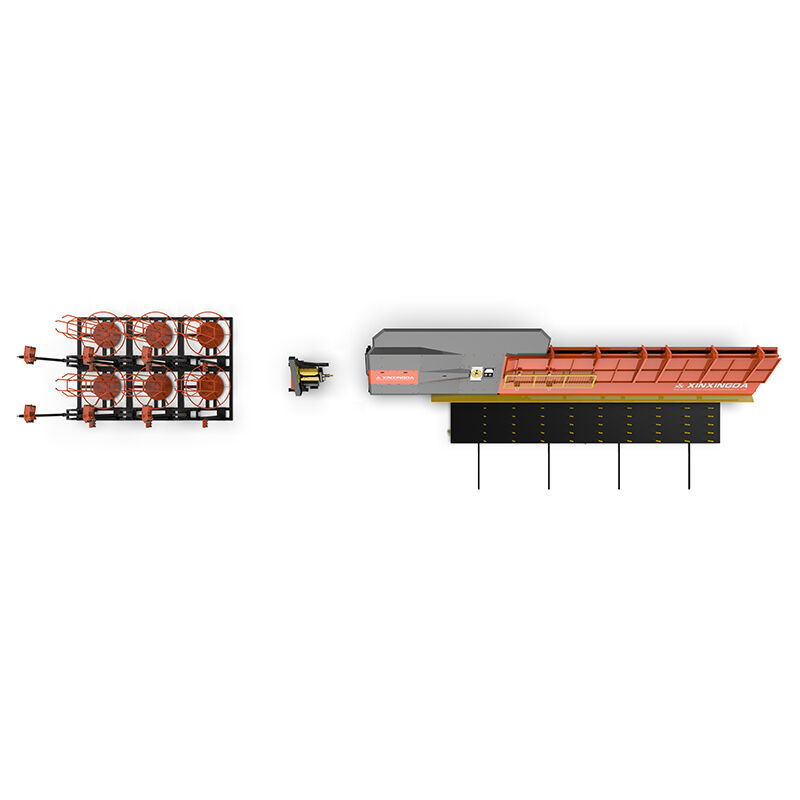
ອຸປະກອນງອດຫວຽນທີ່ຖືກບູລະນາການເຂົ້າກັບ CNC ທີ່ມີປະສິດທິພາບສະແດງໃຫ້ເຫັນເຖິງການພັດທະນາທີ່ປະຕິວັດຕົວໃນເທັກໂນໂລຊີການຂຶ້ນຮູບເຄື່ອງຈັກ, ເຊິ່ງຖືກອອກແບບມາເພື່ອເຮັດໃຫ້ຂະບວນການຜະລິດຊິ້ນສ່ວນເຄື່ອງຈັກທີ່ມີຮູບແບບກົມ ແລະ ເປັນເສັ້ນທີ່ຄ້ອງໃນອຸດສາຫະກຳຕ່າງໆມີຄວາມລຽບງ່າຍ. ເຄື່ອງຈັກທີ່ທັນສະໄໝນີ້ປະສົມປະສານຄວາມຖືກຕ້ອງຂອງການຄວບຄຸມດ້ວຍຄອມພິວເຕີ (CNC) ກັບຄວາມສາມາດໃນການງອດຢ່າງບູລະນາການເພື່ອໃຫ້ໄດ້ຜົນໄດ້ຮັບທີ່ມີຄວາມຖືກຕ້ອງ ແລະ ຄວາມສອດຄ່ອງສູງໃນຂະບວນການການຜະລິດຫວຽນ. ເຄື່ອງຈັກນີ້ມີລະບົບຂັບເຄື່ອນດ້ວຍ servo ທີ່ທັນສະໄໝ ເຊິ່ງຮັບປະກັນການຄວບຄຸມທີ່ຖືກຕ້ອງຕໍ່ມຸມງອດ, ຮັດສາເສັ້ນເວົ້າ (radius), ແລະ ການຈັດຕັ້ງວັດຖຸໃນທັງໝົດຂອງວຟຼິການ. ເຄື່ອງຈັກງອດຫວຽນທີ່ຖືກບູລະນາການເຂົ້າກັບ CNC ທີ່ທັນສະໄໝ ແລະ ມີປະສິດທິພາບ ປະກອບດ້ວຍລະບົບຄວບຄຸມຫຼາຍແກນ (multi-axis) ເຊິ່ງເຮັດໃຫ້ສາມາດປະຕິບັດການງອດທີ່ສັບສົນໄດ້ ໂດຍຍັງຮັກສາຄວາມຖືກຕ້ອງຂອງຂະໜາດ ແລະ ຄຸນນະພາບຂອງພື້ນໜ້າໄວ້ໄດ້ຢ່າງດີເລີດ. ໜ້າທີ່ຫຼັກຂອງເຄື່ອງຈັກນີ້ປະກອບດ້ວຍ: ການປ້ອນວັດຖຸອັດຕະໂນມັດ, ການວັດແທກມຸມທີ່ຖືກຕ້ອງ, ການຕິດຕາມຂະບວນການແບບ real-time, ແລະ ລະບົບຄວບຄຸມຄຸນນະພາບທີ່ຖືກບູລະນາການເຂົ້າກັບເຄື່ອງຈັກເຊິ່ງສາມາດກວດພົບຄວາມເປັນໄປໄດ້ຂອງຄວາມຜິດປົກກະຕິໃນຂະນະການຜະລິດ. ຄຸນສົມບັດດ້ານເທັກໂນໂລຊີປະກອບດ້ວຍ: ລະບົບຄວບຄຸມດ້ວຍເຄື່ອງຄຳນວນ (PLC), ຈໍສຳຜັດ (touchscreen interface), ຄວາມສາມາດໃນການປ່ຽນເຄື່ອງມືອັດຕະໂນມັດ, ແລະ ລະບົບອັລກົຣິດີມການງອດທີ່ສາມາດປັບຕົວໄດ້ (adaptive bending algorithms) ເຊິ່ງຊ່ວຍຊົດເຊີຍຄວາມແຕກຕ່າງຂອງວັດຖຸ ແລະ ຜົນກະທົບຂອງການດຶດຕົວຄືນ (spring-back). ເຄື່ອງຈັກນີ້ສາມາດໃຊ້ກັບວັດຖຸຫຼາຍຊະນິດ ເຊັ່ນ: ເຫຼັກ, ອາລູມີເນີ້ມ, ໂທງ, ແລະ ອາລ໌ລອຍທີ່ເປັນພິເສດ, ໂດຍມີຂອບເຂດຄວາມໜາທີ່ປົກກະຕິແຕ່ເລີ່ມຈາກແຜ່ນບາດທີ່ບາງຫຼາຍ ເຖິງຊິ້ນສ່ວນໂຄງສ້າງທີ່ໜັກ. ການນຳໃຊ້ເຄື່ອງຈັກນີ້ກວ້າງຂວາງໃນການຜະລິດອຸດສາຫະກຳລົດຍົນ, ການຜະລິດຊິ້ນສ່ວນອາວະກາດ, ງານເຫຼັກສຳລັບສິ່ງກໍ່ສ້າງ, ການຜະລິດລະບົບ HVAC, ແລະ ການຜະລິດອຸປະກອນອຸດສາຫະກຳທີ່ເປັນພິເສດ. ເຄື່ອງຈັກງອດຫວຽນທີ່ຖືກບູລະນາການເຂົ້າກັບ CNC ທີ່ມີປະສິດທິພາບສາມາດໃຫ້ຜົນໄດ້ຮັບທີ່ສອດຄ່ອງຢ່າງຕໍ່ເນື່ອງ ໂດຍຜ່ານລະບົບປ້ອນຂໍ້ມູນກັບຄືນ (feedback systems) ທີ່ທັນສະໄໝ ເຊິ່ງຕິດຕາມຄວາມແຂງແຮງໃນການງອດ, ການໄຫຼເຂົ້າຂອງວັດຖຸ, ແລະ ຄວາມຖືກຕ້ອງຂອງຂະໜາດຢ່າງຕໍ່ເນື່ອງ. ຄຸນສົມບັດດ້ານການບູລະນາການເຮັດໃຫ້ສາມາດເຊື່ອມຕໍ່ເຂົ້າກັບແຖວການຜະລິດທີ່ມີຢູ່, ລະບົບຈັດການສາງ, ແລະ ວິທີການຮັບປະກັນຄຸນນະພາບໄດ້ຢ່າງລຽບງ່າຍ. ການອອກແບບແບບປ່ຽນແປງໄດ້ (modular design) ຂອງເຄື່ອງຈັກນີ້ເຮັດໃຫ້ສາມາດປັບແຕ່ງໃຫ້ເໝາະສົມກັບຄວາມຕ້ອງການການຜະລິດທີ່ເປັນເອກະລັກ ໂດຍຍັງຮັກສາຂະບວນການດຳເນີນງານ ແລະ ວິທີການບຳລຸງຮັກສາທີ່ມາດຕະຖານໄວ້.

 EN
EN