
 EN
EN

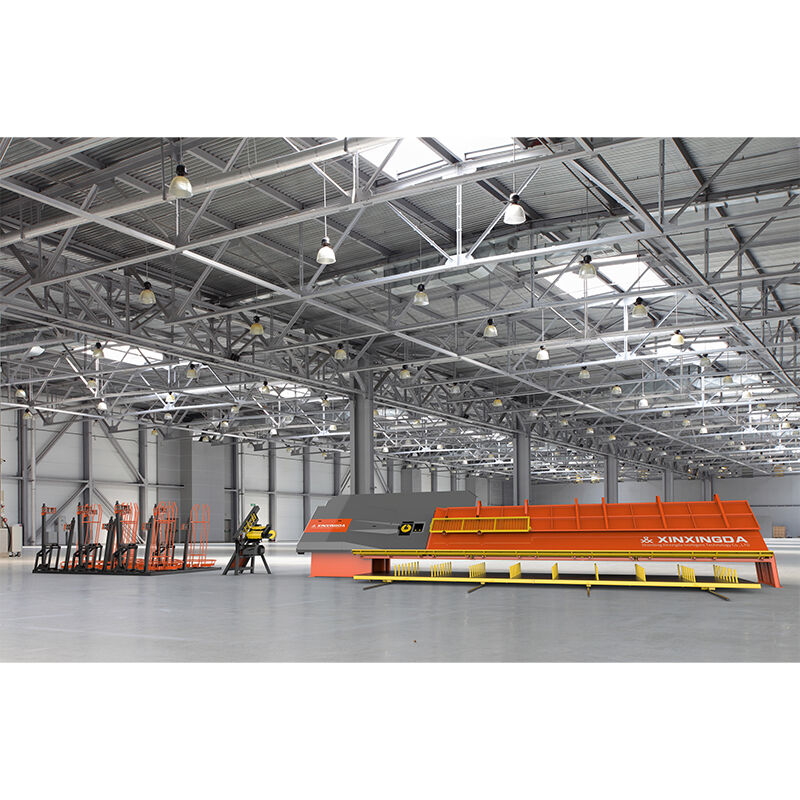
In modern construction processing, the accuracy and efficiency of reinforcement fabrication can directly determine the structural integrity of a finished build. A steel bar bending lathe is one of the most operationally significant machines in any rebar processing workflow. Whether applied on large-scale infrastructure projects or mid-size commercial builds, this type of equipment transforms raw steel bars into precisely shaped structural components that meet engineering specifications with consistent repeatability.
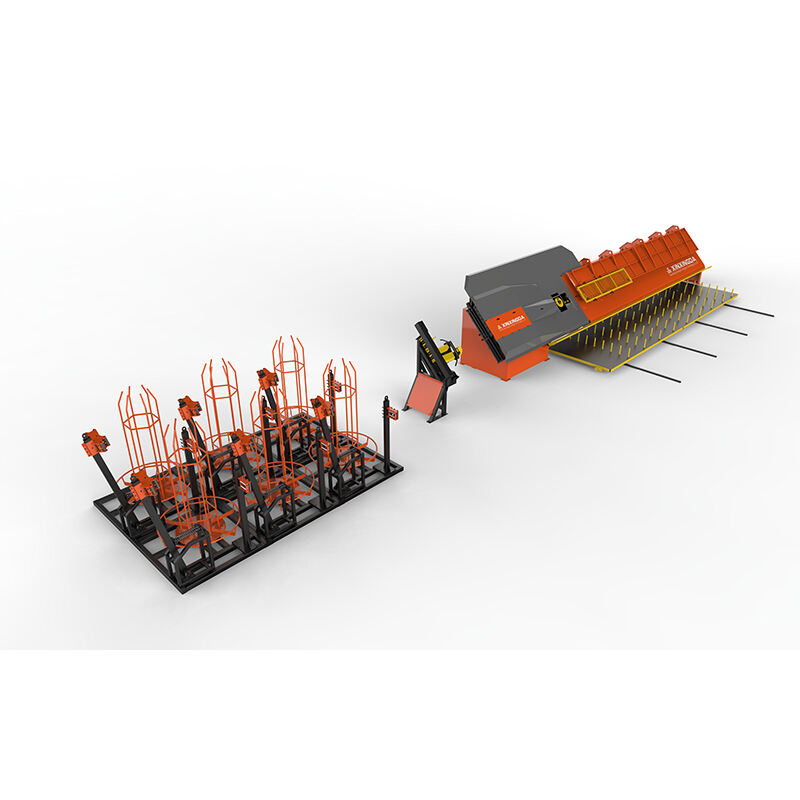
Understanding how a steel bar bending lathe supports construction processing requires looking beyond the machine itself. It means examining how it fits into the broader fabrication sequence, what operational advantages it delivers at key workflow stages, and how it helps construction teams manage quality, throughput, and resource efficiency. This article explores these dimensions in practical terms for engineers, project managers, and procurement teams involved in reinforcement work.
The Role of a Steel Bar Bending Lathe in Rebar Fabrication
Defining the Machine's Function in Construction Context
A steel bar bending lathe is designed specifically to bend reinforcing steel bars to precise angular and geometric configurations required by structural drawings. Unlike manual or simple hydraulic benders, a modern steel bar bending lathe incorporates programmable controls, calibrated bending discs, and automated feeding mechanisms that allow operators to produce complex shapes with minimal repositioning. This directly supports construction processing by enabling the rapid production of stirrups, hooks, spirals, and custom bends that form the backbone of reinforced concrete structures.
In a typical reinforcement processing yard, the steel bar bending lathe operates downstream from cutting equipment. Once bars are cut to length, they move to the bending lathe where angle, radius, and bend sequence are executed according to programmed parameters. This sequential role makes the machine a critical node in the processing chain, and any inefficiency at this stage has cascading effects on the overall project timeline.
The core contribution of a steel bar bending lathe to construction processing is its ability to reduce the gap between design intent and fabrication outcome. Structural engineers specify bends to tolerances that manual tools cannot consistently achieve. A lathe-style bending machine closes this tolerance gap by mechanizing the force, angle, and positioning parameters of each bending operation.
How It Integrates Into a Processing Line
When a steel bar bending lathe is integrated into a dedicated reinforcement processing line, the fabrication process becomes significantly more coordinated. Automated feeding allows bars of various diameters to be loaded, positioned, and bent in sequence without manual measurement between each piece. This integration reduces operator fatigue, limits measurement errors, and increases the number of units processed per shift.
In prefabrication facilities or large on-site processing centers, the steel bar bending lathe often works in tandem with straightening machines and automated cutting systems. This creates a continuous flow of processed steel components ready for assembly, reducing the idle time that typically accumulates when each stage operates independently. The result is a tighter, faster production cycle that aligns with the compressed delivery schedules common in contemporary construction projects.
Supporting Structural Precision Through Mechanical Bending
Achieving Dimensional Accuracy for Structural Elements
One of the most critical demands in construction processing is dimensional accuracy. Structural drawings specify bend angles, leg lengths, and inside bend radii that must be replicated across hundreds or thousands of identical components. A steel bar bending lathe meets this requirement through programmable angular settings and consistent mechanical force application, ensuring that each bent bar conforms to the same geometric standard as every other in the batch.
This level of accuracy is particularly important when fabricating stirrups for beams and columns, where inconsistent bend geometry can affect how the stirrup seats around longitudinal bars and how it transfers shear force within the structural element. A well-calibrated steel bar bending lathe eliminates the variability introduced by manual bending, producing stirrups that fit predictably and seat correctly during cage assembly.
For spiral reinforcement in piles and columns, a steel bar bending lathe with continuous bending capability can produce helical shapes at specified pitch and diameter over extended lengths. This is extremely difficult to achieve manually at the quality level required by structural codes, making the lathe an indispensable tool for projects involving significant spiral rebar work.
Managing Different Bar Diameters and Material Grades
Construction processing rarely involves a single bar size or steel grade. A reinforced concrete structure typically requires multiple rebar diameters, ranging from small-diameter stirrups to large-diameter main bars. A capable steel bar bending lathe accommodates this range through adjustable bending disc configurations, variable speed settings, and torque management systems that account for the increased resistance of higher-grade or larger-diameter bars.
When processing high-strength deformed bars, the bending lathe must apply controlled force curves to avoid cracking at the bend point while still achieving the required angle. Modern steel bar bending lathe models include programmable bend angle compensation that accounts for springback — the tendency of steel to partially recover its original position after bending force is released. This compensation feature is essential for achieving net compliance with design angles across different material grades.
The ability to handle multiple bar types without extensive retooling reduces setup time between batches and allows a single steel bar bending lathe to serve the full spectrum of fabrication needs on a given project. This flexibility supports the multi-phase nature of most construction projects, where different structural elements require different reinforcement configurations on overlapping timelines.
Enhancing Throughput and Operational Efficiency on Site
Reducing Manual Labor Demand in High-Volume Operations
Construction processing at scale demands machines that multiply the productive output of each operator. A steel bar bending lathe with automated bar feeding and programmable bending sequences allows a single operator to manage outputs that would otherwise require a small team of manual workers. This labor efficiency is economically meaningful on large projects where rebar volumes run into the hundreds of tons and processing timelines are measured in weeks rather than months.
Beyond raw output, the steel bar bending lathe reduces the physical strain of bending operations, which is significant for worker health and retention in processing facilities. Manual bending of heavy-gauge bars is physically demanding and prone to inconsistency as fatigue sets in. Mechanizing this work through a lathe-type machine maintains consistent output quality across a full shift, regardless of operator fatigue levels.
Reduced manual intervention also lowers the risk of handling injuries associated with bar manipulation. In a construction processing context where safety metrics are tightly monitored, reducing high-risk manual tasks is both a compliance benefit and a practical operational improvement that supports continuous operation.
Minimizing Waste Through Programmed Precision
Material waste in rebar processing comes from two main sources: cutting errors and bending errors. A steel bar bending lathe addresses the second category directly by eliminating the trial-and-error nature of manual bending. When bend parameters are programmed correctly and verified through a test piece, every subsequent bar in the batch is processed to the same specification, dramatically reducing the number of rejected or non-conforming pieces.
For construction projects working within tight material budgets, this waste reduction has a direct financial impact. Steel is one of the most significant material cost components in reinforced concrete construction, and even a small percentage reduction in waste across a large project translates into meaningful cost savings. A steel bar bending lathe supports this goal by making each processing step predictable and repeatable.
Programmed bending sequences can also be stored and recalled for repeat element types, enabling fast setup at the start of each new batch. This reduces the time spent on recalibration between jobs and ensures that operators are not manually re-entering bend parameters each time a familiar component type is required, further reducing the chance of input error.
Supporting Quality Control in Reinforcement Processing
Meeting Code Requirements for Bend Geometry
Construction processing is governed by structural codes and standards that specify minimum bend radii, bend angles, and hook configurations for different applications. A steel bar bending lathe provides the mechanical precision needed to meet these requirements consistently across entire production runs. This is not simply a matter of dimensional accuracy — it directly relates to the structural performance and durability of the finished concrete element.
Inspectors and quality control teams on construction sites verify bent bar dimensions as part of standard acceptance procedures. When bars are produced by a well-maintained and properly programmed steel bar bending lathe, they typically pass these inspections without rework, reducing the administrative and labor overhead associated with non-conformance management. Consistent compliance also supports the audit trail requirements of projects governed by third-party inspection regimes.
For projects that involve prefabricated reinforcement cages assembled off-site, the role of the steel bar bending lathe in quality assurance is even more prominent. Off-site fabrication must meet design specifications before the cages leave the factory, as correction after delivery and installation is costly and time-consuming. A reliable bending lathe is therefore a foundational quality control tool in the prefabrication workflow.
Traceability and Process Documentation
Modern steel bar bending lathe systems increasingly support digital data capture, recording bend parameters, operator inputs, and production quantities for each batch processed. This traceability capability supports the documentation requirements of large infrastructure and government-funded construction projects, where material processing records are maintained as part of project compliance files.
Process documentation generated by a steel bar bending lathe can be used to demonstrate that fabricated components were produced within specified tolerances, supporting both client acceptance and future maintenance or inspection activities. In sectors such as bridge construction, tunneling, and high-rise development, this kind of documentation adds significant professional and regulatory value to the processing operation.
FAQ
What types of construction elements benefit most from processing with a steel bar bending lathe?
Structural elements that require large volumes of geometrically consistent bent bars benefit most. These include beam and column stirrups, pile spiral reinforcement, foundation cages, and shear wall components. Any element where uniform bend geometry is critical to structural performance is well-suited to processing with a steel bar bending lathe.
Can a steel bar bending lathe handle both small and large diameter bars?
Yes. Most industrial-grade steel bar bending lathe models are designed to accommodate a range of diameters, typically from 6mm up to 40mm or more depending on the machine's rated capacity. Operators adjust bending disc configurations and torque settings based on the bar size being processed to ensure clean, accurate bends without material damage.
How does a steel bar bending lathe contribute to project schedule management?
By automating repetitive bending tasks and allowing programmable batch production, a steel bar bending lathe significantly increases the volume of fabricated components that can be produced per shift. This throughput advantage helps processing teams stay ahead of on-site installation demand, reducing the risk of reinforcement supply delays that can stall concrete pours and slow overall project progress.
Is a steel bar bending lathe suitable for use in prefabrication facilities as well as on-site yards?
A steel bar bending lathe is well-suited to both environments. In prefabrication facilities, it supports high-volume, repeatable production of standardized components. In on-site processing yards, it provides the flexibility to produce custom or project-specific elements on demand. The machine's ability to store and recall programs makes it adaptable across different production contexts without significant reconfiguration time.
Table of Contents
- The Role of a Steel Bar Bending Lathe in Rebar Fabrication
- Supporting Structural Precision Through Mechanical Bending
- Enhancing Throughput and Operational Efficiency on Site
- Supporting Quality Control in Reinforcement Processing
-
FAQ
- What types of construction elements benefit most from processing with a steel bar bending lathe?
- Can a steel bar bending lathe handle both small and large diameter bars?
- How does a steel bar bending lathe contribute to project schedule management?
- Is a steel bar bending lathe suitable for use in prefabrication facilities as well as on-site yards?