
 EN
EN

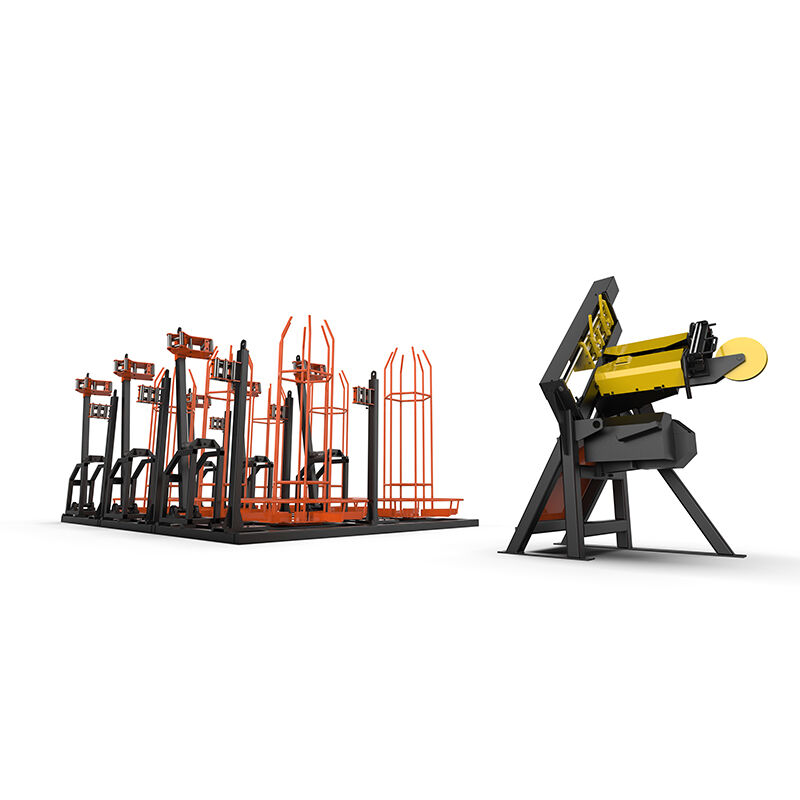
Material waste represents one of the most significant cost drains in steel fabrication and construction operations, directly impacting profitability and environmental sustainability. Steel bar bending lathes have emerged as precision-engineered solutions that fundamentally transform how reinforcement bars are processed, offering manufacturers and contractors a proven pathway to minimize scrap rates while maintaining strict dimensional accuracy. These advanced machines integrate computer-controlled positioning systems with hydraulic bending mechanisms, enabling operators to execute complex bending sequences with minimal trial-and-error adjustments that traditionally consume substantial raw material during setup phases.
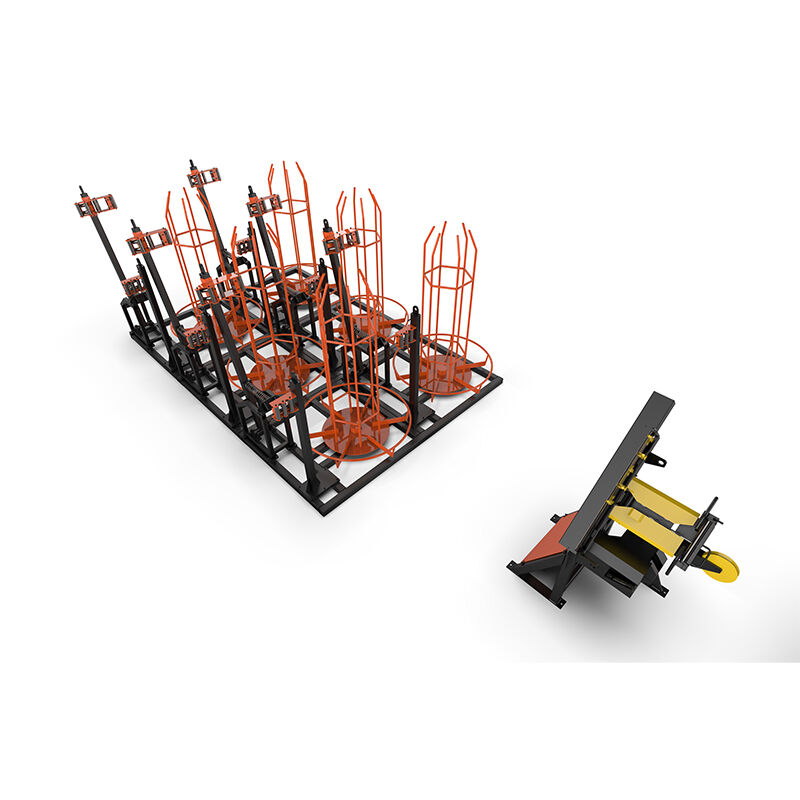
Understanding the mechanisms through which a steel bar bending lathe reduces waste requires examining both the technological capabilities of modern equipment and the operational inefficiencies inherent in manual or semi-automated bending processes. From precision measurement systems that eliminate human error to programmable bending sequences that optimize material utilization across production runs, these machines address waste generation at multiple intervention points throughout the fabrication workflow. This article explores the specific technical features, operational methodologies, and practical implementation strategies that enable steel bar bending lathes to deliver measurable reductions in material waste while simultaneously improving production throughput and consistency.
Precision Control Systems That Eliminate Setup Waste
Digital Measurement Integration for First-Time Accuracy
The digital measurement systems integrated into modern steel bar bending lathe equipment fundamentally change the relationship between design specifications and executed bends. Traditional manual bending methods rely on physical templates, operator judgment, and iterative adjustments that consume multiple test pieces before achieving the correct bend angle and radius. Each test piece represents pure material waste, often accounting for three to seven percent of total steel consumption in high-precision applications. Digital encoders and servo-controlled positioning systems eliminate this trial phase by translating CAD specifications directly into machine movements with repeatability tolerances within 0.5 degrees, ensuring the first production piece meets specifications without preliminary waste.
These precision control systems maintain consistent performance across extended production runs, preventing the gradual drift in bend accuracy that occurs with mechanical systems subject to wear and thermal expansion. When processing reinforcement bars for structural applications requiring strict compliance with engineering drawings, the steel bar bending lathe maintains dimensional integrity across thousands of consecutive operations without recalibration. This consistency prevents the rejection of out-of-specification pieces that would otherwise require scrapping or energy-intensive rework processes, both of which represent material waste in different forms.
Automated Length Calculation to Minimize Remnant Material
Advanced steel bar bending lathe systems incorporate optimization algorithms that calculate the most efficient cutting and bending sequences for production batches, significantly reducing the remnant pieces left after processing standard-length steel bars. When fabricating multiple component types from stock material, the machine's control software analyzes the required pieces and generates nesting patterns that maximize utilization of each input bar. This computational approach consistently achieves material utilization rates above ninety-two percent, compared to seventy-five to eighty-five percent typical of manual layout methods where operators make sequential cutting decisions without comprehensive batch optimization.
The economic impact of this optimization becomes particularly significant in projects requiring diverse bent configurations, where traditional approaches generate numerous short remnants too small for standard applications but too long to discard without cost implications. By preprocessing the entire production requirement and determining optimal sequencing, the steel bar bending lathe ensures remnants fall within predictable size ranges that can be systematically allocated to smaller components or consolidated for recycling at maximum scrap value. This systematic approach to material planning transforms what would be irregular waste into manageable byproduct streams with defined economic value.
Bending Process Mechanics That Prevent Material Degradation
Controlled Force Application to Avoid Over-Stressing
The hydraulic systems in professional-grade steel bar bending lathe equipment apply bending forces through precisely calibrated pressure profiles that match the material properties of the specific steel grade being processed. This controlled force application prevents the micro-cracking and structural weakening that occurs when bars are bent too rapidly or with excessive force concentration at the bend point. When steel experiences stress beyond its elastic limit without proper force modulation, internal fissures develop that may not be immediately visible but compromise the structural integrity of the finished component, ultimately requiring rejection and replacement.
By monitoring real-time force feedback and adjusting hydraulic pressure throughout the bending arc, modern machines ensure the steel undergoes plastic deformation within safe parameters that preserve its load-bearing capacity. This process control is particularly critical when working with high-strength reinforcement grades where the margin between successful forming and material failure narrows considerably. The steel bar bending lathe prevents the catastrophic waste scenario where bent components pass initial visual inspection but fail under load testing or in-service conditions, requiring complete replacement of installed materials along with associated labor and schedule costs.
Temperature-Aware Bending to Maintain Material Properties
Some advanced steel bar bending lathe systems incorporate thermal monitoring capabilities that track material temperature during high-volume production runs, adjusting bending parameters when friction-induced heating reaches levels that could affect steel properties. Rapid repetitive bending generates localized heat at contact points between the bar and forming tools, potentially reaching temperatures that alter the microstructure of certain steel alloys. This thermal effect can reduce ductility and create brittleness that leads to premature failure, necessitating component replacement and representing complete material waste.
Temperature-compensated bending protocols implemented in sophisticated machines prevent this degradation by introducing brief cooling intervals or reducing cycle speeds when sensors detect excessive heat accumulation. This preventive approach maintains consistent material properties throughout production runs, ensuring every bent component retains the strength characteristics specified in engineering calculations. The slight reduction in instantaneous production speed is more than offset by elimination of rejected pieces and the avoidance of field failures that would require emergency material procurement and installation under time-pressure conditions that typically increase waste rates.
Programming Capabilities That Optimize Complex Bending Sequences
Multi-Bend Sequence Optimization for Single-Piece Efficiency
When fabricating stirrups, hoops, and other components requiring multiple bends in specific sequences, the steel bar bending lathe executes programmed routines that minimize material handling and repositioning. Each time an operator must manually reposition a partially bent bar, the risk increases for measurement errors, dropped pieces, and positioning mistakes that result in out-of-specification components requiring scrapping. Automated multi-bend sequences eliminate these intermediate handling steps, processing bars from straight stock to finished configuration without human intervention beyond initial loading and final removal.
The programming interface allows operators to define complex bend sequences involving varying angles, radii, and spacing parameters, which the machine then executes with consistent accuracy across entire production batches. This capability proves especially valuable when producing components with asymmetric bend patterns or varying leg lengths, where manual methods require constant reference to drawings and frequent verification measurements. By encoding the complete specification into the machine's memory, the steel bar bending lathe eliminates the cumulative measurement errors that propagate through manual processes, where each dimension is measured relative to the previous feature rather than absolute reference points.
Batch Production Memory for Repeat Orders
Project-based construction and fabrication operations frequently encounter repeat orders for identical bent components across multiple phases or similar structures. Modern steel bar bending lathe systems store proven production programs in permanent memory, allowing instant recall for subsequent production runs without repeating the setup and verification process. This capability eliminates the setup waste that occurs each time operators must re-establish bending parameters for familiar components, particularly in job-shop environments where production schedules alternate between different component types.
The economic benefit extends beyond immediate material savings to encompass reduced engineering time, faster production startup, and elimination of version control errors where operators might reference outdated specifications. When producing components for modular construction systems or standardized structural elements, the ability to reliably reproduce proven bending programs ensures consistency across production batches separated by weeks or months. This consistency prevents the mixed-specification scenarios where components from different production runs exhibit slight dimensional variations that create assembly difficulties and potential rejection of entire batches due to incompatibility.
Quality Assurance Integration That Prevents Downstream Waste
In-Process Measurement Verification Systems
Advanced steel bar bending lathe configurations incorporate inline measurement systems that verify critical dimensions immediately after each bending operation, detecting deviations before the component proceeds to subsequent manufacturing steps or shipment. This real-time quality verification prevents the compounding waste that occurs when out-of-specification bent bars are incorporated into cage assemblies, concrete pours, or prefabricated modules. Discovering dimensional errors after installation or integration requires not only replacement of the defective bent bar but also disassembly of surrounding work, representing exponential waste multiplication compared to catching errors at the point of origin.
The measurement feedback loop also enables predictive maintenance by identifying gradual shifts in machine performance before they produce rejected parts. When the steel bar bending lathe begins showing systematic deviation trends—such as consistently undershooting target angles by increasing amounts—the control system alerts operators to perform calibration or component replacement during planned downtime rather than discovering the problem through accumulation of scrap pieces. This predictive approach transforms quality control from a reactive rejection process into a proactive waste prevention system.
Traceability Documentation for Accountability and Improvement
Modern steel bar bending lathe systems generate production logs that document every component manufactured, including time stamps, program parameters, and quality verification results. This traceability capability enables systematic analysis of waste patterns, identifying specific components, material grades, or operational conditions associated with elevated scrap rates. By correlating waste incidents with production variables, facility managers can implement targeted improvements that address root causes rather than symptoms, driving continuous reduction in material consumption.
The documentation system also supports accountability frameworks where material utilization becomes a measurable performance metric tied to operator training, maintenance schedules, and process optimization initiatives. When waste generation data is transparent and attributable to specific production runs, organizations can implement improvement incentives and identify best practices that can be systematically replicated across shifts and facilities. This data-driven approach to waste reduction leverages the steel bar bending lathe as an information system rather than merely a forming tool, extracting operational intelligence that informs broader efficiency initiatives.
Operational Strategies That Maximize Waste Reduction Benefits
Material Planning Integration with Production Scheduling
Realizing the full waste reduction potential of steel bar bending lathe technology requires integrating the machine's capabilities into upstream material planning and procurement processes. When purchasing decisions account for the specific cut lengths and bending sequences the machine will execute, organizations can specify stock material dimensions that align with production requirements rather than accepting standard mill lengths that generate predictable waste percentages. This procurement optimization might involve requesting slightly longer or shorter base lengths that better accommodate the component mix for specific projects.
Production scheduling practices that batch similar components together enable the steel bar bending lathe to execute longer runs of identical or similar configurations, reducing the frequency of program changes and setup transitions that introduce waste through calibration verification and test pieces. When fabrication schedules are organized around material efficiency rather than arbitrary order sequences, the cumulative waste reduction across a fiscal year can reach significant tonnage figures with corresponding cost savings and environmental benefits.
Cross-Training and Skill Development for Optimal Machine Utilization
The sophisticated capabilities of modern steel bar bending lathe equipment deliver maximum waste reduction only when operators possess the training to fully utilize programming features, optimization algorithms, and quality verification systems. Organizations that invest in comprehensive operator training programs report substantially lower material waste rates compared to facilities where operators use advanced machines with basic manual-mode approaches that fail to leverage automation capabilities. The training investment pays dividends through reduced scrap generation, faster setup times, and proactive identification of process improvements.
Cross-training initiatives that develop multiple operators proficient with steel bar bending lathe systems also prevent the knowledge concentration risk where critical programming expertise resides with single individuals. When production efficiency depends on specific personnel, their absence due to vacation, illness, or turnover creates situations where less experienced operators generate elevated waste rates or avoid complex jobs that would benefit from the machine's advanced capabilities. Broad skill distribution ensures consistent waste performance regardless of shift assignments or personnel changes.
FAQ
What percentage of material waste reduction can be expected when switching from manual bending to a steel bar bending lathe?
Organizations transitioning from manual bending methods to computer-controlled steel bar bending lathe systems typically report material waste reductions between twelve and twenty-eight percent, with actual results depending on the complexity of bent configurations, production volume characteristics, and operator proficiency levels. Projects involving repetitive standard shapes at high volumes generally achieve results at the upper end of this range, while custom fabrication operations with frequent specification changes see more modest but still significant improvements. The waste reduction stems from multiple factors including elimination of setup test pieces, improved cutting optimization, reduced rejection rates, and prevention of rework scenarios.
How does a steel bar bending lathe handle varying steel grades without generating waste from incorrect bending parameters?
Modern steel bar bending lathe systems incorporate material property databases that store optimal bending parameters for common reinforcement steel grades, allowing operators to select the appropriate material profile before beginning production. The machine then automatically adjusts hydraulic pressure, bending speed, and back-spring compensation factors to match the specific yield strength and ductility characteristics of the selected grade. This material-aware processing prevents the under-bending or over-stressing that occurs when applying identical parameters across steel types with different mechanical properties, eliminating waste from pieces that fail to meet angular specifications or develop stress cracks during forming.
Can smaller fabrication shops justify the investment in steel bar bending lathe technology based solely on waste reduction benefits?
The economic justification for steel bar bending lathe acquisition in smaller operations depends on material costs, production volumes, and current waste rates rather than absolute facility size. Shops processing fifteen tons or more of reinforcement steel monthly with existing waste rates above eight percent typically achieve payback periods under thirty months from waste reduction alone, before accounting for labor savings and throughput improvements. The calculation becomes more favorable in regions with high steel costs or stringent environmental regulations that impose disposal fees on scrap material. Smaller fabricators should conduct waste audits quantifying current scrap generation in both tonnage and dollar terms, then model the projected reduction based on equipment specifications and vendor performance data.
What maintenance practices are essential for preserving the waste reduction performance of a steel bar bending lathe over time?
Maintaining optimal waste reduction performance requires systematic attention to calibration verification, hydraulic system maintenance, and bending tool condition monitoring. Monthly calibration checks using precision angle gauges ensure the machine continues delivering specified bend angles without drift, while quarterly hydraulic fluid analysis detects contamination or degradation that could affect force control precision. Bending pins and forming tools should be inspected for wear patterns and replaced when surface irregularities develop, as worn tooling increases the risk of surface defects and dimensional inconsistencies that lead to component rejection. Preventive maintenance schedules provided by the steel bar bending lathe manufacturer should be followed rigorously, as deferred maintenance inevitably manifests as elevated scrap rates before progressing to catastrophic equipment failures.
Table of Contents
- Precision Control Systems That Eliminate Setup Waste
- Bending Process Mechanics That Prevent Material Degradation
- Programming Capabilities That Optimize Complex Bending Sequences
- Quality Assurance Integration That Prevents Downstream Waste
- Operational Strategies That Maximize Waste Reduction Benefits
-
FAQ
- What percentage of material waste reduction can be expected when switching from manual bending to a steel bar bending lathe?
- How does a steel bar bending lathe handle varying steel grades without generating waste from incorrect bending parameters?
- Can smaller fabrication shops justify the investment in steel bar bending lathe technology based solely on waste reduction benefits?
- What maintenance practices are essential for preserving the waste reduction performance of a steel bar bending lathe over time?