
 EN
EN

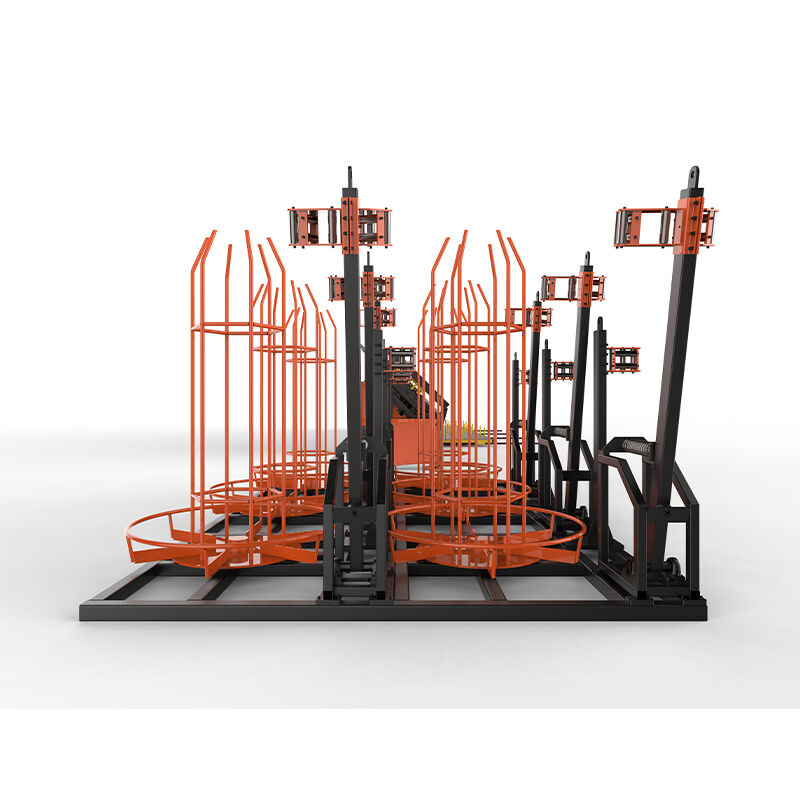
Construction projects across the globe rely heavily on reinforced concrete structures that require precise and efficient steel reinforcement preparation. The rebar stirrup bender has emerged as an essential piece of equipment that transforms how construction teams handle steel bar fabrication on project sites. This specialized machinery addresses the growing demand for speed, accuracy, and consistency in creating stirrups and various bent steel configurations that form the backbone of modern construction projects.
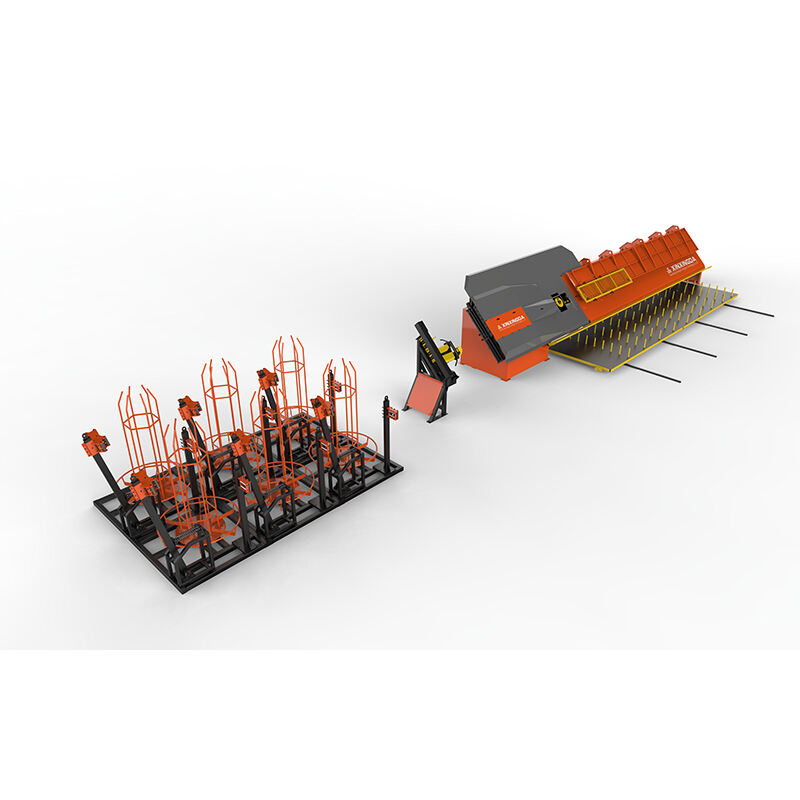
Traditional manual bending methods often create bottlenecks in construction workflows, leading to delays and inconsistent quality outcomes. Modern construction demands require sophisticated solutions that can keep pace with tight project schedules while maintaining the highest standards of structural integrity. The integration of automated bending technology represents a significant leap forward in construction efficiency and quality control.
Enhanced Productivity and Speed Benefits
Accelerated Processing Times
A professional rebar stirrup bender can process steel bars at remarkable speeds compared to manual bending operations. These machines typically handle multiple bars simultaneously, reducing processing time from hours to minutes for large quantities of stirrups. The automated feeding and bending mechanisms eliminate the need for workers to manually position each bar, allowing continuous operation with minimal supervision.
Advanced models incorporate programmable controls that remember specific bending patterns, enabling rapid switching between different stirrup configurations without lengthy setup procedures. This capability proves invaluable when projects require multiple stirrup sizes and shapes throughout different construction phases. The consistent processing speed helps maintain project momentum and prevents delays that often occur with traditional bending methods.
Reduced Labor Requirements
Operating a rebar stirrup bender requires significantly fewer workers than manual bending operations, allowing construction teams to allocate human resources more effectively across project sites. A single operator can manage the entire bending process while other team members focus on installation and other critical tasks. This optimization of labor distribution contributes to overall project efficiency and cost management.
The reduced physical demands on workers also translate to lower fatigue levels and decreased risk of repetitive strain injuries commonly associated with manual steel bending. Construction companies benefit from improved worker satisfaction and reduced workers' compensation claims, creating a safer and more productive work environment.
Precision and Quality Consistency
Accurate Dimensional Control
Modern rebar stirrup bender machines deliver exceptional precision in creating consistent bend angles and dimensions across all produced stirrups. Digital controls and servo motors ensure that each stirrup meets exact specifications, eliminating the variations that naturally occur with manual bending techniques. This precision directly impacts the structural integrity and load-bearing capacity of reinforced concrete elements.
Quality consistency becomes particularly critical in large-scale projects where thousands of stirrups must maintain identical specifications. The machine's ability to reproduce exact measurements repeatedly ensures that all reinforcement elements fit properly during installation, reducing waste and rework costs associated with improperly bent components.
Standardized Production Quality
Automated bending processes eliminate human error factors that can compromise stirrup quality and dimensional accuracy. The rebar stirrup bender maintains consistent bending speeds and pressures, preventing issues such as over-bending, under-bending, or surface damage that can weaken the steel reinforcement. This standardization ensures that all produced stirrups meet or exceed engineering specifications.
Quality consistency also extends to the surface finish of bent stirrups, as machine bending typically produces smoother curves without the sharp edges or stress concentrations that can occur with manual bending tools. These improved surface characteristics contribute to better concrete bonding and enhanced structural performance in the final construction.
Cost Efficiency and Economic Benefits
Material Waste Reduction
A rebar stirrup bender significantly reduces material waste through precise cutting and bending operations that maximize steel bar utilization. Advanced programming capabilities allow operators to optimize cutting patterns, minimizing off-cuts and ensuring that material usage remains as efficient as possible. This optimization directly impacts project budgets by reducing steel procurement costs.
The machine's ability to produce accurate stirrups on the first attempt eliminates the need to discard improperly bent pieces, further contributing to material conservation. Construction projects often see waste reduction rates of up to thirty percent when transitioning from manual to automated bending processes, representing substantial cost savings on large-scale developments.
Long-term Investment Returns
While the initial investment in a rebar stirrup bender may seem substantial, the long-term economic benefits typically justify the expenditure within the first few major projects. Reduced labor costs, improved productivity, and material savings combine to create significant return on investment for construction companies that regularly handle reinforcement work.
The durability and reliability of modern bending machines ensure years of consistent performance with minimal maintenance requirements. This longevity, combined with the competitive advantages gained through improved efficiency and quality, makes the rebar stirrup bender an essential asset for forward-thinking construction operations.
Safety and Ergonomic Improvements
Enhanced Workplace Safety
Traditional manual bending of steel reinforcement bars poses significant safety risks, including back injuries, hand lacerations, and muscle strain from handling heavy materials. A rebar stirrup bender eliminates most of these hazards by automating the bending process and incorporating safety features such as emergency stops, protective guards, and controlled material handling systems.
The enclosed operating environment of modern bending machines protects operators from flying debris and reduces exposure to repetitive motion injuries. Safety interlocks prevent operation when protective covers are open, ensuring that workers remain protected throughout the bending process. These safety improvements contribute to better overall site safety records and reduced insurance costs.
Ergonomic Design Benefits
Modern rebar stirrup bender designs prioritize operator comfort and ergonomic efficiency through features such as adjustable working heights, intuitive control interfaces, and reduced physical handling requirements. Operators can maintain comfortable working positions while monitoring the bending process, reducing fatigue and improving overall job satisfaction.
The automated material feeding and discharge systems minimize the need for workers to lift and position heavy steel bars manually. This ergonomic improvement not only enhances safety but also allows operators to maintain consistent performance throughout extended work periods without experiencing the physical exhaustion associated with manual bending operations.
Versatility and Adaptability Features
Multiple Configuration Capabilities
A versatile rebar stirrup bender can accommodate various steel bar diameters and create multiple stirrup configurations to meet diverse project requirements. Programmable controls allow operators to store and recall different bending patterns, making it easy to switch between rectangular, square, circular, and custom-shaped stirrups as needed throughout construction phases.
This adaptability proves particularly valuable for construction companies that work on diverse project types, from residential buildings to industrial facilities. The ability to handle different stirrup requirements with a single machine eliminates the need for multiple specialized tools and reduces equipment storage and maintenance costs.
Integration with Project Workflows
Modern rebar stirrup bender systems integrate seamlessly with existing construction workflows and can be synchronized with project scheduling software to optimize production timing. This integration ensures that stirrup production aligns with installation schedules, reducing storage requirements and minimizing material handling operations on crowded project sites.
The compact design of many bending machines allows for easy relocation within project sites as construction progresses, ensuring that stirrup production can remain close to installation areas. This mobility reduces transportation time and effort while maintaining efficient material flow throughout the construction process.
FAQ
What types of steel bars can a rebar stirrup bender process
Most modern rebar stirrup bender machines can process steel bars ranging from 6mm to 32mm in diameter, accommodating the most common reinforcement sizes used in construction projects. The machines typically handle both smooth and deformed steel bars, with some models capable of processing different steel grades and alloy compositions. Advanced machines may also handle composite reinforcement materials and specialized steel types used in specific construction applications.
How does automated bending compare to manual methods in terms of accuracy
Automated rebar stirrup bender systems achieve significantly higher accuracy than manual bending methods, typically maintaining tolerances within plus or minus one degree for bend angles and within millimeters for dimensional specifications. Manual bending often results in variations of several degrees and centimeters due to human factors, tool limitations, and material handling inconsistencies. The precision of automated systems ensures better fit during installation and improved structural performance.
What maintenance requirements do rebar stirrup bender machines have
Regular maintenance for a rebar stirrup bender typically includes daily cleaning and lubrication of moving parts, weekly inspection of safety systems and controls, and monthly calibration of bending mechanisms. Most manufacturers provide comprehensive maintenance schedules and training programs to ensure optimal performance. Proper maintenance can extend machine life to fifteen years or more while maintaining consistent bending accuracy and reliability.
Can rebar stirrup bender machines handle custom stirrup designs
Yes, programmable rebar stirrup bender machines can create custom stirrup designs by allowing operators to input specific dimensions, angles, and bending sequences through digital control interfaces. Many systems include software that can import CAD drawings or accept manual programming for unique configurations. This flexibility enables construction teams to produce specialized stirrups for complex structural requirements without requiring additional equipment or extensive setup procedures.