
 EN
EN
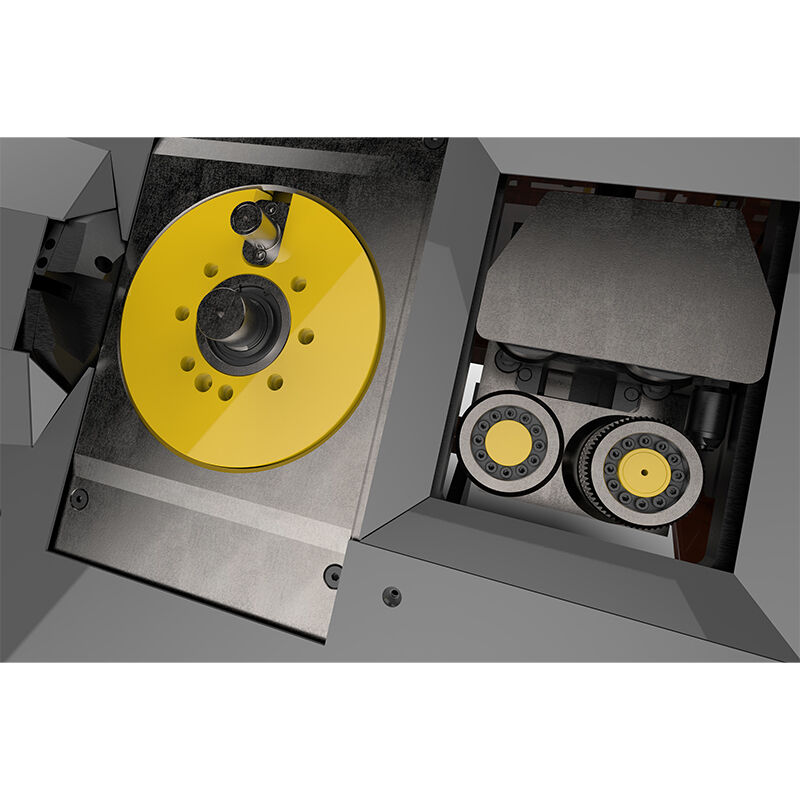
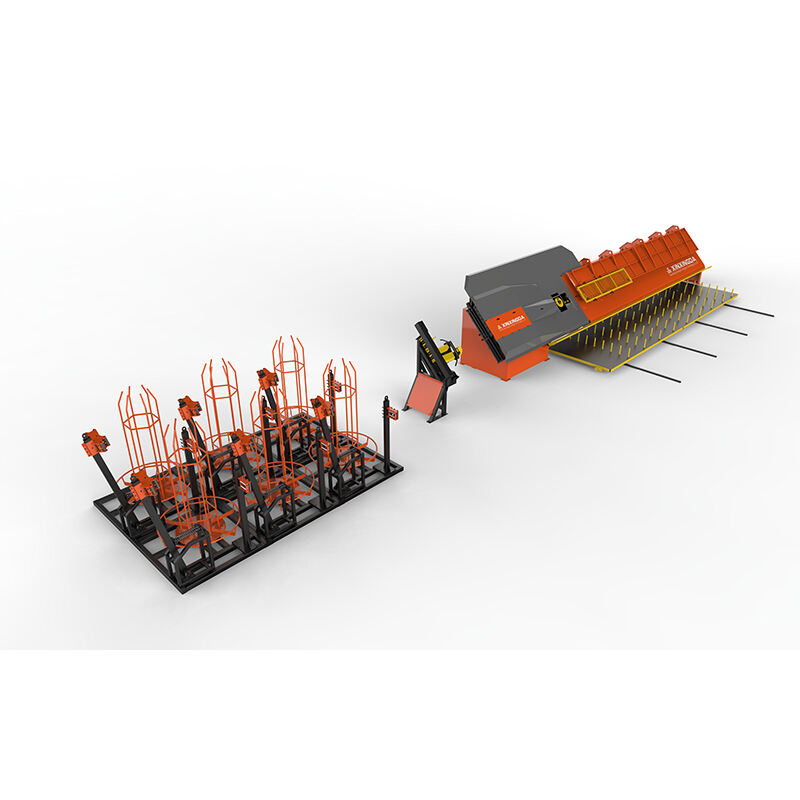
Construction professionals seeking efficient reinforcement fabrication solutions must carefully evaluate equipment specifications when investing in automated bending machinery. Modern rebar stirrup bender technology has revolutionized how contractors approach repetitive stirrup production, offering precise angles and consistent quality that manual methods cannot match. Understanding which features provide the greatest return on investment requires examining both immediate operational benefits and long-term durability considerations. Professional fabricators who select the appropriate bending equipment typically experience significant improvements in project timelines while maintaining strict quality standards throughout their operations.
Essential Bending Capacity and Performance Specifications
Maximum Diameter Capabilities
The diameter range that a rebar stirrup bender can accommodate directly impacts its versatility across different construction applications. Professional-grade machines typically handle reinforcement bars from 6mm to 32mm diameter, though some specialized units extend this range to 40mm or beyond. Construction companies working on diverse projects benefit from equipment capable of processing multiple bar sizes without requiring frequent machine changes or manual adjustments.
Torque output specifications determine how effectively the equipment processes larger diameter reinforcement materials under consistent load conditions. Higher torque ratings ensure smooth operation when bending thicker bars, preventing motor strain that could lead to premature equipment failure. Contractors should verify that their selected rebar stirrup bender maintains consistent bending speeds across its entire diameter range rather than experiencing significant slowdowns with larger materials.
Bending Speed and Production Efficiency
Production rates measured in pieces per minute directly correlate with project profitability and schedule adherence. Advanced rebar stirrup bender models achieve speeds exceeding 15 pieces per minute while maintaining precise dimensional accuracy throughout extended operation periods. These enhanced production capabilities become particularly valuable on large-scale projects where thousands of identical stirrups must be fabricated within tight timeframes.
Cycle time consistency ensures predictable workflow planning and accurate project cost estimation. Professional fabricators require equipment that delivers uniform performance regardless of ambient temperature conditions or continuous operation duration. Variable speed controls allow operators to optimize production rates based on specific reinforcement specifications and quality requirements while preventing material waste through excessive bending forces.
Precision Control Systems and Programming Features
Programmable Angle Settings
Modern CNC-controlled rebar stirrup bender systems offer programmable angle settings that eliminate measurement errors and ensure consistent results across entire production runs. Digital interfaces allow operators to input precise angle specifications and store multiple program configurations for different stirrup designs. This programmability reduces setup time between different stirrup types while maintaining exacting dimensional tolerances required for structural applications.
Memory storage capacity enables fabricators to maintain libraries of commonly used stirrup configurations, streamlining repeat orders and reducing programming time. Advanced control systems feature user-friendly touchscreen interfaces that simplify program selection and modification without requiring extensive technical training. The ability to quickly switch between stored programs significantly improves operational efficiency during projects requiring multiple stirrup variations.
Dimensional Accuracy and Repeatability
Precision manufacturing tolerances directly impact the structural integrity and fit-up quality of reinforcement assemblies in concrete construction. Professional-grade rebar stirrup bender equipment maintains angular accuracy within ±1 degree across thousands of production cycles, ensuring consistent performance that meets engineering specifications. This level of precision becomes critical when fabricating stirrups for precast concrete elements where dimensional variations can cause assembly difficulties.
Repeatability specifications indicate how consistently the equipment reproduces identical bends over extended production periods. Superior machines demonstrate minimal dimensional drift even after processing thousands of stirrups, maintaining quality standards without frequent recalibration. Consistent repeatability reduces material waste and eliminates the need for post-production sorting or quality corrections that can significantly impact project schedules.
Construction Durability and Maintenance Requirements
Frame Design and Structural Integrity
Heavy-duty frame construction ensures that a rebar stirrup bender withstands the substantial forces generated during high-volume production operations. Welded steel frame designs provide superior rigidity compared to bolted assemblies, minimizing vibration and maintaining precise alignment throughout the equipment's service life. Robust construction becomes particularly important for contractors who operate equipment in demanding jobsite environments where portability and durability must coexist.
Component accessibility affects both routine maintenance efficiency and repair cost considerations. Well-designed machines feature removable covers and strategically positioned service points that allow technicians to perform preventive maintenance without extensive disassembly procedures. This accessibility reduces downtime during scheduled maintenance intervals while enabling quick troubleshooting when operational issues arise during critical production periods.
Wear Component Longevity
Bending die materials and hardening treatments directly influence operational costs through their impact on replacement frequency and dimensional accuracy retention. High-quality rebar stirrup bender units utilize hardened steel dies with specialized coatings that resist wear while maintaining smooth surface finishes. These premium components typically process tens of thousands of stirrups before requiring replacement, significantly reducing per-piece operating costs.
Lubrication system design affects both component longevity and maintenance interval requirements. Automatic lubrication systems ensure consistent protection for moving parts while reducing manual maintenance tasks that could be overlooked during busy production periods. Proper lubrication extends bearing life, reduces friction-related heat generation, and maintains smooth operation throughout extended production runs.
Safety Features and Operator Protection
Emergency Stop Systems
Comprehensive safety systems protect operators from injury while ensuring compliance with workplace safety regulations. Modern rebar stirrup bender designs incorporate multiple emergency stop mechanisms positioned within easy reach of the operator station. These systems immediately halt all machine movement when activated, preventing accidents during material loading, jam clearing, or routine maintenance activities.
Light curtain technology and pressure-sensitive safety mats provide additional protection by automatically stopping equipment operation when operators enter designated danger zones. These advanced safety features allow efficient material handling while maintaining constant protection against inadvertent contact with moving components. Integration with the machine control system ensures that safety devices cannot be easily bypassed or disabled during normal operation.
Material Handling Safeguards
Proper material clamping and support systems prevent reinforcement bars from shifting during the bending process, reducing both safety risks and dimensional accuracy problems. Professional rebar stirrup bender models feature adjustable clamping mechanisms that accommodate various bar sizes while maintaining secure material retention throughout the entire bending cycle. These systems prevent projectile hazards that could occur if materials become loose during high-speed operation.
Chip and debris management systems protect operators from metal particles generated during the bending process while maintaining clean work environments. Integrated collection systems capture debris at the source, preventing accumulation around the operator station and reducing slip hazards. Regular debris removal also prevents material buildup that could interfere with precision components or create maintenance complications.
Power Requirements and Installation Considerations
Electrical System Compatibility
Power supply requirements significantly impact installation costs and operational flexibility for rebar stirrup bender equipment. Most professional-grade machines require three-phase electrical service with specific voltage and amperage characteristics that must be matched to facility capabilities. Understanding these requirements during the selection process prevents costly electrical upgrades or performance limitations that could affect production capacity.
Motor specifications should align with available power infrastructure while providing adequate performance margins for challenging bending applications. Variable frequency drives offer improved energy efficiency and enhanced control capabilities, though they may require additional electrical considerations during installation. Proper electrical planning ensures optimal equipment performance while minimizing long-term operating costs through efficient power utilization.
Space Requirements and Layout Planning
Floor space allocation must accommodate both the rebar stirrup bender footprint and adequate material handling areas surrounding the equipment. Professional installations require sufficient clearance for loading raw materials, removing finished products, and performing routine maintenance activities. Proper spatial planning prevents workflow bottlenecks while ensuring compliance with safety regulations regarding equipment access and egress requirements.
Foundation requirements vary based on equipment weight and vibration characteristics, with heavier machines potentially requiring reinforced concrete pads for optimal stability. Proper foundation preparation prevents alignment issues that could affect bending accuracy while reducing noise transmission to adjacent work areas. Installation planning should also consider utility connections, ventilation requirements, and future equipment expansion possibilities.
Cost Analysis and Return on Investment
Initial Investment Considerations
Equipment pricing for professional rebar stirrup bender systems varies significantly based on automation level, production capacity, and precision specifications. Entry-level machines suitable for smaller fabrication operations typically require investments ranging from moderate to substantial amounts, while high-capacity automated systems command premium pricing reflecting their advanced capabilities and higher production rates.
Financing options and lease arrangements provide alternative acquisition methods that can improve cash flow management while enabling access to advanced equipment capabilities. Many manufacturers offer comprehensive service packages that include training, warranty coverage, and ongoing technical support as part of the initial investment. These value-added services often justify higher initial costs through reduced operational risks and faster productivity improvements.
Operating Cost Evaluation
Long-term operating expenses include energy consumption, replacement parts, and routine maintenance requirements that accumulate throughout the equipment's service life. Efficient rebar stirrup bender designs minimize these ongoing costs through optimized power management, durable component construction, and simplified maintenance procedures. Accurate cost projections require evaluation of these factors over typical equipment service lives measured in decades rather than years.
Labor savings represent the most significant return on investment factor for most fabrication operations transitioning from manual to automated stirrup production. Automated equipment typically reduces direct labor requirements while improving consistency and reducing material waste. These operational improvements often generate payback periods measured in months rather than years, particularly for operations processing large volumes of standardized stirrup configurations.
FAQ
What maintenance schedule should be followed for optimal rebar stirrup bender performance
Professional rebar stirrup bender equipment requires daily lubrication of moving components, weekly inspection of wear parts, and monthly comprehensive system checks including electrical connections and safety devices. Monthly maintenance should include cleaning debris accumulation, verifying dimensional accuracy, and replacing any worn components showing signs of deterioration. Annual professional servicing ensures optimal performance and identifies potential issues before they cause production interruptions.
How does bar size affect bending speed and quality on automated equipment
Larger diameter reinforcement bars require slower bending speeds to maintain dimensional accuracy and prevent material stress that could affect structural properties. Professional rebar stirrup bender systems automatically adjust bending parameters based on material size, ensuring optimal results across the entire diameter range. Quality remains consistent regardless of bar size when equipment operates within manufacturer specifications and proper bending sequences are followed.
What training is required for operators using automated stirrup bending equipment
Effective rebar stirrup bender operation requires comprehensive training covering machine setup, programming procedures, safety protocols, and routine maintenance tasks. Most manufacturers provide initial operator training as part of equipment delivery, with additional advanced training available for complex programming applications. Ongoing safety refresher training ensures compliance with workplace regulations while maintaining optimal production efficiency throughout equipment service life.
How do environmental conditions affect rebar stirrup bender performance and longevity
Temperature extremes, humidity levels, and dust exposure significantly impact equipment performance and component longevity. Professional rebar stirrup bender installations benefit from climate-controlled environments that maintain consistent operating conditions throughout production periods. Proper environmental protection extends component life, maintains dimensional accuracy, and reduces maintenance requirements while ensuring consistent production quality regardless of seasonal variations.
Table of Contents
- Essential Bending Capacity and Performance Specifications
- Precision Control Systems and Programming Features
- Construction Durability and Maintenance Requirements
- Safety Features and Operator Protection
- Power Requirements and Installation Considerations
- Cost Analysis and Return on Investment
-
FAQ
- What maintenance schedule should be followed for optimal rebar stirrup bender performance
- How does bar size affect bending speed and quality on automated equipment
- What training is required for operators using automated stirrup bending equipment
- How do environmental conditions affect rebar stirrup bender performance and longevity