
 EN
EN

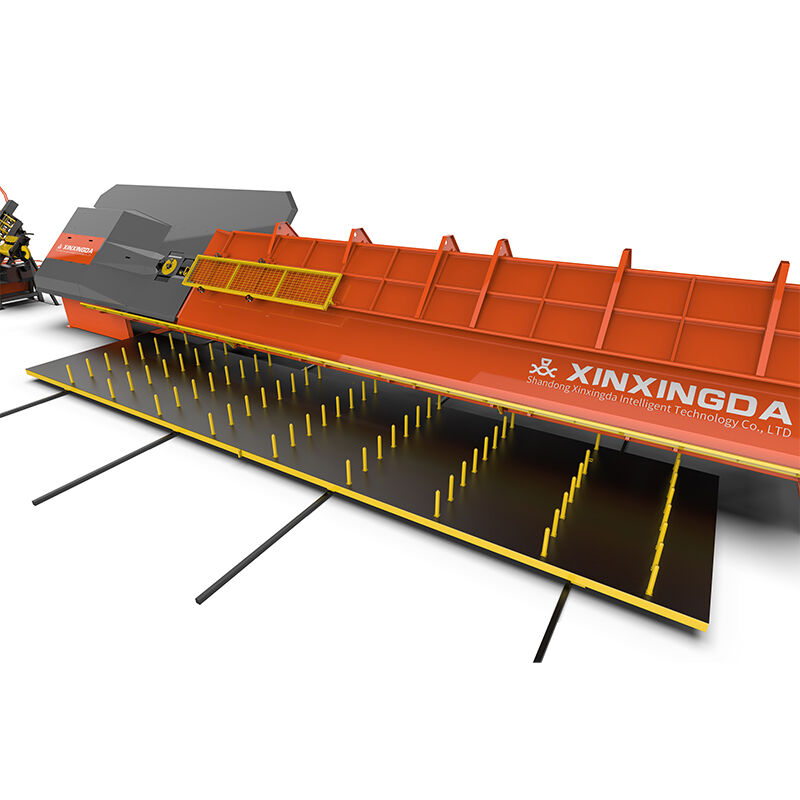
Construction sites today demand unprecedented levels of efficiency and precision when it comes to reinforcement work. The traditional methods of manually shaping reinforcement bars have given way to advanced mechanical solutions that dramatically improve productivity. Among these innovations, the rebar stirrup bender has emerged as an indispensable tool that transforms how construction teams approach reinforcement preparation. This sophisticated equipment not only accelerates the bending process but ensures consistent quality across all stirrup configurations.
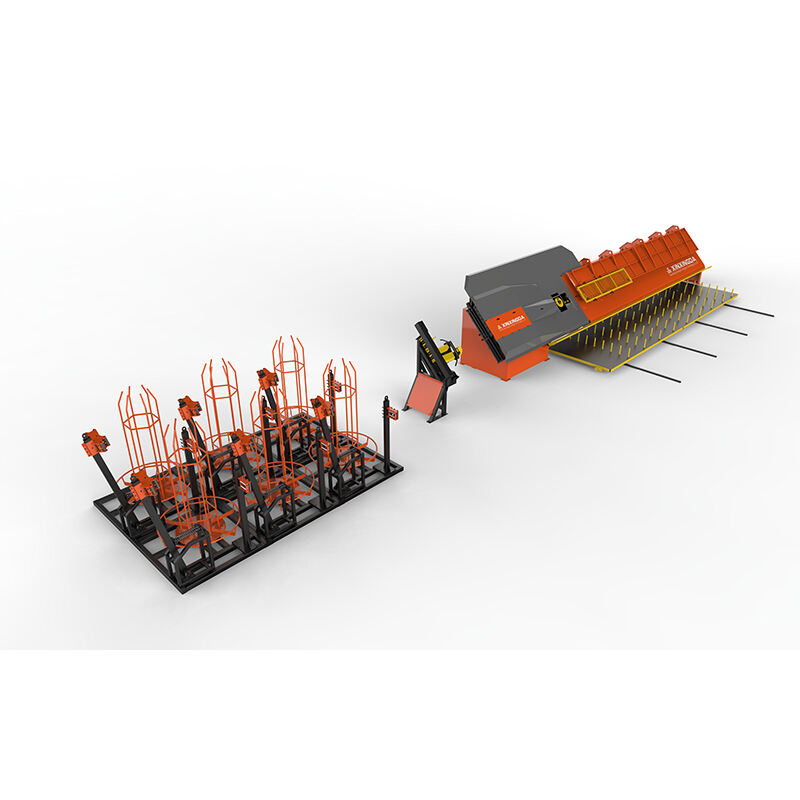
Modern construction projects face increasing pressure to meet tight deadlines while maintaining structural integrity standards. The complexity of contemporary building designs requires precise reinforcement placement, making the role of a rebar stirrup bender more critical than ever. These machines have revolutionized the way contractors approach reinforcement work, offering capabilities that manual methods simply cannot match in terms of speed, accuracy, and repeatability.
Understanding Rebar Stirrup Bender Technology
Core Mechanical Principles
The fundamental operation of a rebar stirrup bender relies on controlled mechanical force applied at specific angles and positions along the reinforcement bar. Advanced hydraulic systems generate the necessary pressure to bend various grades of steel reinforcement without compromising the material's structural properties. The precision engineering behind these machines ensures that each bend maintains the required angle tolerance while preserving the bar's tensile strength characteristics.
Modern rebar stirrup bender units incorporate servo-controlled positioning systems that enable precise placement of bending points. These systems utilize feedback mechanisms to monitor the actual bend angle against programmed specifications, automatically adjusting the applied force to achieve perfect results. The integration of digital controls has transformed these machines from simple mechanical tools into sophisticated manufacturing equipment capable of producing complex stirrup configurations.
Automated Control Systems
Contemporary rebar stirrup bender models feature advanced programmable controllers that store multiple bend sequences for different stirrup designs. Operators can input specific dimensions and angles through intuitive touchscreen interfaces, allowing the machine to execute complex bending patterns automatically. This automation eliminates human error while significantly reducing the time required to produce large quantities of stirrups for major construction projects.
The control systems also incorporate safety protocols that prevent operation outside safe parameters, protecting both the equipment and operators from potential hazards. Smart diagnostic features continuously monitor machine performance, alerting maintenance teams to potential issues before they result in costly downtime. These intelligent systems have made the rebar stirrup bender an essential component of modern automated reinforcement fabrication operations.
Operational Advantages in Construction Workflows
Production Efficiency Enhancement
The implementation of a rebar stirrup bender in construction operations typically results in production increases of 300-500% compared to manual bending methods. This dramatic improvement stems from the machine's ability to complete complex bending sequences in seconds rather than minutes. Large construction projects that previously required weeks of manual stirrup preparation can now complete the same work in days, enabling faster project progression and improved resource allocation.
Labor cost reductions represent another significant advantage, as a single operator can manage the output equivalent to multiple manual workers. The consistent production rate of a rebar stirrup bender allows project managers to accurately predict reinforcement preparation timelines, facilitating better scheduling coordination with other construction activities. This predictability is essential for maintaining project momentum and avoiding costly delays in concrete placement operations.
Quality Consistency Benefits
Manual bending operations inevitably introduce variations in stirrup dimensions and angles, potentially compromising structural performance. A professional rebar stirrup bender eliminates these inconsistencies by maintaining precise control over every aspect of the bending process. Each stirrup produced meets exact specifications, ensuring uniform spacing and proper concrete cover throughout the reinforcement system.
The repeatability of machine-bent stirrups also facilitates quality control inspections, as inspectors can verify conformance to specifications more efficiently when all components are identical. This consistency becomes particularly important in seismic zones where reinforcement performance directly impacts structural safety. The ability to produce perfectly formed stirrups consistently makes the rebar stirrup bender indispensable for projects with stringent quality requirements.
Technical Specifications and Capabilities
Bending Capacity Range
Modern rebar stirrup bender machines accommodate reinforcement bars ranging from small diameter ties to heavy structural reinforcement. Typical capacity ranges span from 6mm to 32mm diameter bars, with some heavy-duty models handling up to 40mm reinforcement. The bending force requirements vary significantly with bar diameter and steel grade, necessitating hydraulic systems capable of generating substantial pressures while maintaining precise control.
The versatility of contemporary rebar stirrup bender designs allows operators to work with various steel grades and specifications commonly used in construction. High-strength reinforcement requires greater bending forces and more precise control to avoid material failure during the forming process. Advanced machines incorporate material recognition systems that automatically adjust operating parameters based on the reinforcement grade being processed.
Precision and Accuracy Standards
Industrial-grade rebar stirrup bender equipment typically maintains bending accuracy within ±1 degree for angle tolerances and ±2mm for dimensional measurements. This level of precision exceeds the requirements of most construction specifications while providing the consistency necessary for automated assembly operations. The mechanical components responsible for this accuracy include precision-machined bending dies, high-resolution positioning encoders, and rigid machine frames that resist deflection under load.
Calibration procedures ensure that rebar stirrup bender machines maintain their accuracy over extended operating periods. Regular verification of bend angles and dimensions using certified measurement tools helps identify any drift in machine performance before it affects production quality. Proper maintenance of the precision components is essential for sustaining the high accuracy standards that modern construction projects demand.
Integration with Modern Construction Practices
Prefabrication Workshop Applications
Off-site prefabrication has become increasingly common in modern construction, with dedicated facilities producing reinforcement assemblies for delivery to job sites. The rebar stirrup bender serves as a cornerstone of these operations, enabling the mass production of standardized stirrup components that can be efficiently transported and installed. Prefabrication workshops utilize multiple machines operating in parallel to meet the high-volume demands of large construction projects.
The integration of rebar stirrup bender operations with computerized cutting and sorting systems creates highly efficient production lines. Bar stock enters the facility and emerges as complete stirrup assemblies ready for installation, with minimal manual handling required throughout the process. This level of automation has made prefabricated reinforcement increasingly cost-effective compared to traditional on-site fabrication methods.
On-Site Fabrication Solutions
Mobile rebar stirrup bender units bring automated bending capabilities directly to construction sites, eliminating transportation costs and delivery scheduling constraints. These compact machines provide the same precision and speed as workshop equipment while occupying minimal space within the construction zone. Site-based fabrication is particularly advantageous for projects in remote locations where transportation costs make prefabricated components economically unfeasible.
The flexibility of on-site rebar stirrup bender operations allows contractors to respond quickly to design changes or unexpected field conditions. Rather than waiting for revised prefabricated components to be manufactured and delivered, construction teams can produce the necessary stirrups immediately. This responsiveness is crucial for maintaining project schedules when modifications become necessary during construction.
Economic Impact and Return on Investment
Cost Analysis Considerations
The initial investment in a quality rebar stirrup bender typically ranges from moderate to substantial depending on the machine's capabilities and automation level. However, the economic benefits realized through increased productivity and labor savings generally result in payback periods of 12-18 months for actively utilized equipment. Large construction companies often see even shorter payback periods due to their high volume of reinforcement work.
Operating costs for rebar stirrup bender equipment remain relatively low, consisting primarily of electrical power consumption and routine maintenance expenses. The elimination of manual labor costs for stirrup production more than offsets these operational expenses. Additionally, the reduction in material waste achieved through precise machine bending contributes to ongoing cost savings throughout the equipment's service life.
Productivity Enhancement Metrics
Quantitative measurements of rebar stirrup bender performance demonstrate substantial improvements in key productivity indicators. Production rates for standard stirrup configurations often exceed 200 pieces per hour, compared to 20-30 pieces per hour for skilled manual workers. This ten-fold increase in output capability enables construction teams to complete reinforcement preparation in a fraction of the time previously required.
The consistent production rate of a rebar stirrup bender also improves project predictability, allowing more accurate scheduling and resource planning. Construction managers can reliably estimate reinforcement preparation timelines, facilitating better coordination with concrete placement operations and other critical activities. This scheduling reliability often proves more valuable than the raw production speed improvements.
Maintenance and Operational Longevity
Preventive Maintenance Protocols
Proper maintenance of rebar stirrup bender equipment is essential for sustained performance and longevity. Daily inspection routines should include verification of hydraulic fluid levels, lubrication of moving components, and visual examination of bending dies for wear. Regular cleaning of the work area and machine surfaces prevents the accumulation of metal debris that could interfere with precision operations.
Weekly maintenance procedures typically involve more detailed inspections of hydraulic connections, electrical systems, and mechanical components. Calibration verification should be performed regularly to ensure the rebar stirrup bender continues to meet accuracy specifications. Maintaining detailed maintenance logs helps identify patterns that may indicate developing problems before they result in equipment failure.
Component Replacement Strategies
Wear components such as bending dies and cutting blades require periodic replacement to maintain optimal rebar stirrup bender performance. Establishing relationships with reliable parts suppliers ensures that replacement components are readily available when needed. Keeping critical spare parts in inventory minimizes downtime when replacement becomes necessary.
The modular design of modern rebar stirrup bender machines facilitates component replacement without extensive machine disassembly. This design philosophy reduces maintenance time and associated labor costs while extending overall equipment life. Regular component replacement based on manufacturer recommendations helps prevent unexpected failures that could disrupt production schedules.
FAQ
What factors should be considered when selecting a rebar stirrup bender for construction operations
The selection process should evaluate production volume requirements, maximum reinforcement diameter capacity, available space constraints, and integration needs with existing equipment. Consider the range of stirrup configurations required for typical projects, as some machines offer greater versatility in handling complex bend sequences. Power requirements and utility availability at the installation location also influence machine selection decisions.
How does a rebar stirrup bender improve construction site safety compared to manual bending methods
Automated bending eliminates the physical strain associated with manual reinforcement forming, reducing the risk of repetitive stress injuries among workers. The controlled environment of machine operations also minimizes exposure to hazards such as sharp bar ends and awkward lifting positions. Modern safety systems prevent operation when safety guards are not properly positioned, further protecting operators from potential injuries.
What training is required for operators to effectively use rebar stirrup bender equipment
Basic operator training typically requires one to two days of instruction covering machine setup, programming procedures, and safety protocols. More advanced training on troubleshooting and routine maintenance may require additional time depending on the complexity of the specific equipment. Many manufacturers provide comprehensive training programs that include both classroom instruction and hands-on practice sessions.
Can a rebar stirrup bender handle different grades and types of reinforcement steel
Most professional-grade machines are designed to process various reinforcement grades including standard mild steel, high-strength steel, and epoxy-coated bars. The machine's control system typically allows adjustment of bending parameters to accommodate different material properties. However, exotic materials or extremely high-strength grades may require specialized equipment or modified operating procedures to achieve acceptable results.
Table of Contents
- Understanding Rebar Stirrup Bender Technology
- Operational Advantages in Construction Workflows
- Technical Specifications and Capabilities
- Integration with Modern Construction Practices
- Economic Impact and Return on Investment
- Maintenance and Operational Longevity
-
FAQ
- What factors should be considered when selecting a rebar stirrup bender for construction operations
- How does a rebar stirrup bender improve construction site safety compared to manual bending methods
- What training is required for operators to effectively use rebar stirrup bender equipment
- Can a rebar stirrup bender handle different grades and types of reinforcement steel