
 EN
EN

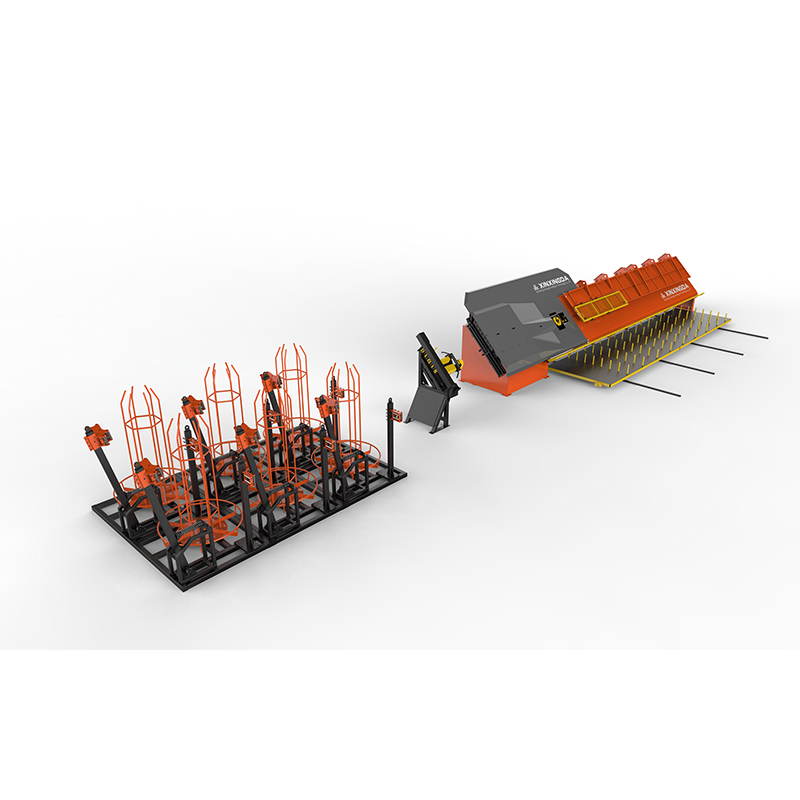
Proper maintenance of steel bar processing equipment is one of the most important investments a construction or fabrication operation can make. When steel bar processing equipment is well maintained, it delivers consistent output quality, reduces unplanned downtime, and extends the working life of every machine in your facility. Neglecting routine care, on the other hand, leads to accelerated component wear, increased repair costs, and production interruptions that can delay entire project timelines.
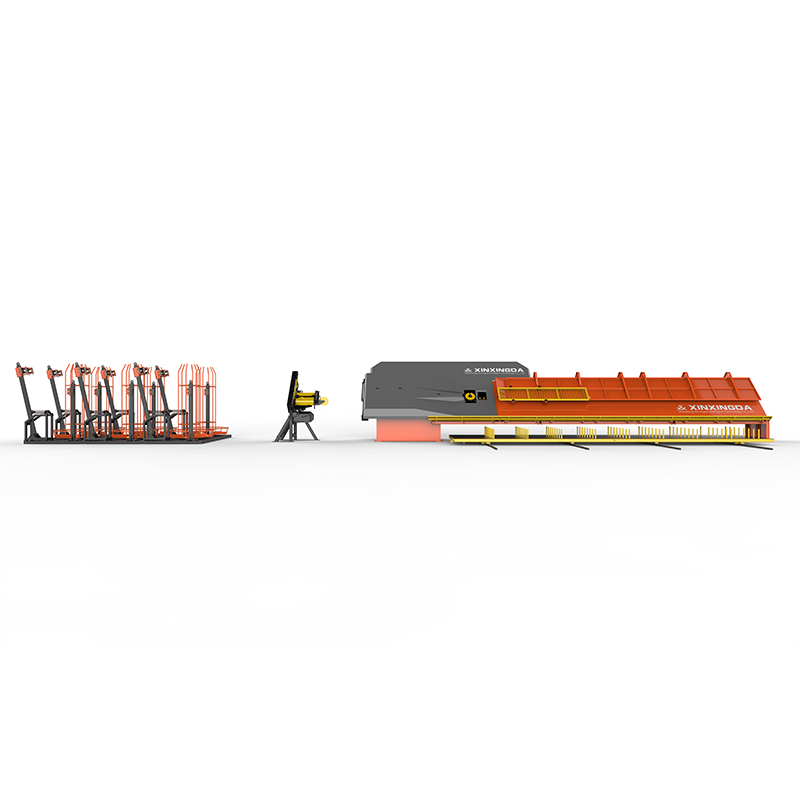
This guide focuses on practical, proven maintenance approaches for steel bar processing equipment used in long-term commercial and industrial environments. Whether you operate a single CNC bending unit or an entire line of steel bar processing equipment, the principles here apply across configurations and workload levels. Understanding what to inspect, when to lubricate, and how to calibrate will help any team keep their steel bar processing equipment performing at full capacity for years.
Routine Inspection Practices for Bar Equipment
Daily and Weekly Visual Checks
Every operator working with steel bar processing equipment should conduct a brief visual inspection at the start of each shift. These checks focus on identifying obvious signs of wear, loose fasteners, hydraulic leaks, or abnormal noise during startup. Steel bar processing equipment that is inspected daily is far less likely to develop hidden faults that escalate into costly failures. A quick walkthrough of the machine frame, bending head, feed rollers, and control panel takes only minutes but can prevent hours of downtime.
Weekly inspections go deeper, covering the mechanical components that are not visible during normal operation. Technicians should examine the drive belts, gear assemblies, bearing housings, and any exposed wiring on steel bar processing equipment. Documenting each inspection in a maintenance log allows teams to spot trends, such as a bearing that consistently runs hot or a belt that shows early signs of fraying. This record-keeping discipline is a cornerstone of any long-term maintenance program for steel bar processing equipment.
Monitoring Electrical and Control Systems
The control systems of modern steel bar processing equipment are sophisticated and sensitive to voltage fluctuations, dust accumulation, and humidity. Operators should regularly verify that control panels are clean, that cooling fans inside electrical enclosures are working, and that all cable connections are secure. Steel bar processing equipment that experiences intermittent electronic faults often traces the problem back to poor electrical maintenance rather than mechanical failure. Protecting the electronic brain of each machine is just as important as caring for its physical components.
Lubrication and Component Replacement Schedules
Understanding Lubrication Requirements
Lubrication is the single most impactful routine task for maintaining steel bar processing equipment. Every machine includes specific lubrication points, and each point requires the correct type of grease or oil applied at the correct interval. Applying the wrong lubricant to steel bar processing equipment can be just as damaging as applying none at all, since incompatible materials can break down rapidly under load and heat. Always consult the equipment manual and follow manufacturer specifications for lubricant type, quantity, and frequency.
High-load areas such as bending pins, feed guide channels, and gearbox shafts on steel bar processing equipment need more frequent attention than low-stress components. In high-volume production settings, lubrication intervals may need to be shortened compared to the standard schedule. Teams that track machine utilization hours will be better positioned to align lubrication of their steel bar processing equipment with actual usage rather than calendar time alone. This usage-based approach minimizes over-lubrication waste and under-lubrication risk simultaneously.
Scheduling Component Replacements Proactively
Reactive replacement — waiting until a part fails before changing it — is a costly strategy for anyone relying on steel bar processing equipment in continuous production. Proactive replacement schedules, based on manufacturer guidelines and observed wear patterns, keep steel bar processing equipment operational without sudden interruptions. Common wear items include cutting blades, bending dies, hydraulic seals, and feed rollers. Tracking the service hours of each component on steel bar processing equipment allows teams to replace parts just before failure rather than after it.
Maintaining a small inventory of critical spare parts for your steel bar processing equipment reduces the lead time for repairs when components do reach the end of their service life. Spare bending pins, hydraulic seals, and motor brushes are examples of low-cost items that can prevent multi-day shutdowns. Planning the parts inventory for steel bar processing equipment should be part of the annual maintenance budget, not an afterthought addressed only when something breaks.
Calibration and Long-Term Performance Standards
Regular Geometric and Dimensional Calibration
Steel bar processing equipment must produce output within precise dimensional tolerances to meet construction and fabrication specifications. Over time, mechanical wear and thermal cycling can cause gradual shifts in bending angles, cutting lengths, and feed accuracy. Scheduling periodic calibration checks for steel bar processing equipment ensures that these drifts are caught and corrected before they result in rejected work or structural non-compliance. Calibration should be performed by a qualified technician using certified measurement tools and documented with before-and-after readings.
Most steel bar processing equipment includes built-in calibration routines through the control interface. Operators should understand how to run these routines and recognize when machine output suggests that recalibration is needed. A bending machine that consistently produces angles two degrees off target, or a cutting unit that falls short by five millimeters, is signaling that the steel bar processing equipment requires immediate attention. Responding quickly to these signals prevents waste and protects product quality.
Environmental and Housekeeping Considerations
The operating environment has a direct effect on the long-term condition of steel bar processing equipment. Dust, scale particles, and metal shavings accumulate around moving parts and can accelerate abrasive wear if not cleaned regularly. Establishing a housekeeping routine that includes clearing debris from around steel bar processing equipment after each production run prevents buildup from becoming a maintenance problem. Protecting the equipment from direct moisture exposure and extreme temperature swings also contributes significantly to machine longevity.
FAQ
How often should steel bar processing equipment be fully serviced?
A full service for steel bar processing equipment is typically recommended every six to twelve months, depending on production volume and operating conditions. High-utilization environments may require more frequent comprehensive servicing to maintain optimal performance and catch wear before it causes failures.
What are the most common maintenance failures on steel bar processing equipment?
The most common maintenance failures on steel bar processing equipment include inadequate lubrication of bending and feed components, delayed replacement of worn cutting dies, and neglected electrical panel cleaning. Each of these failures is preventable with a consistent, documented maintenance schedule.
Can operators perform all maintenance on steel bar processing equipment themselves?
Operators can handle daily inspections, cleaning, and basic lubrication of steel bar processing equipment independently. However, tasks such as hydraulic system servicing, geometric calibration, and electrical fault diagnosis typically require a trained technician to ensure the work is performed safely and to the required standard.