
 EN
EN

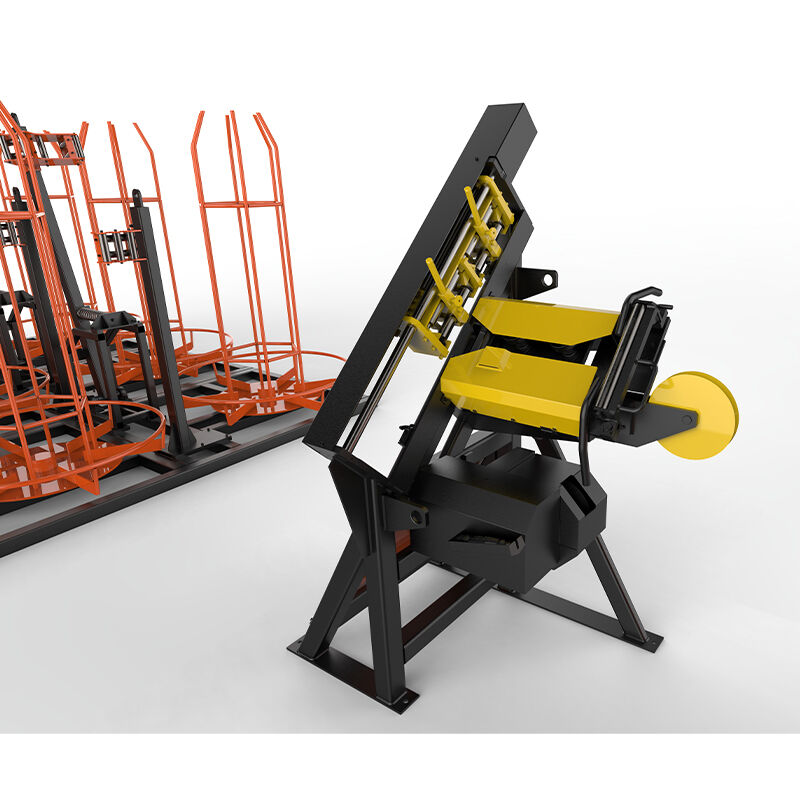
Selecting the right CNC steel bar bending machine requires careful evaluation of specific features that determine operational reliability, production efficiency, and long-term performance. Modern construction and manufacturing projects demand equipment that can consistently produce accurate bends while maintaining durability under continuous operation. The distinction between a reliable CNC steel bar bending machine and a substandard unit often lies in critical engineering features that directly impact productivity and maintenance requirements.
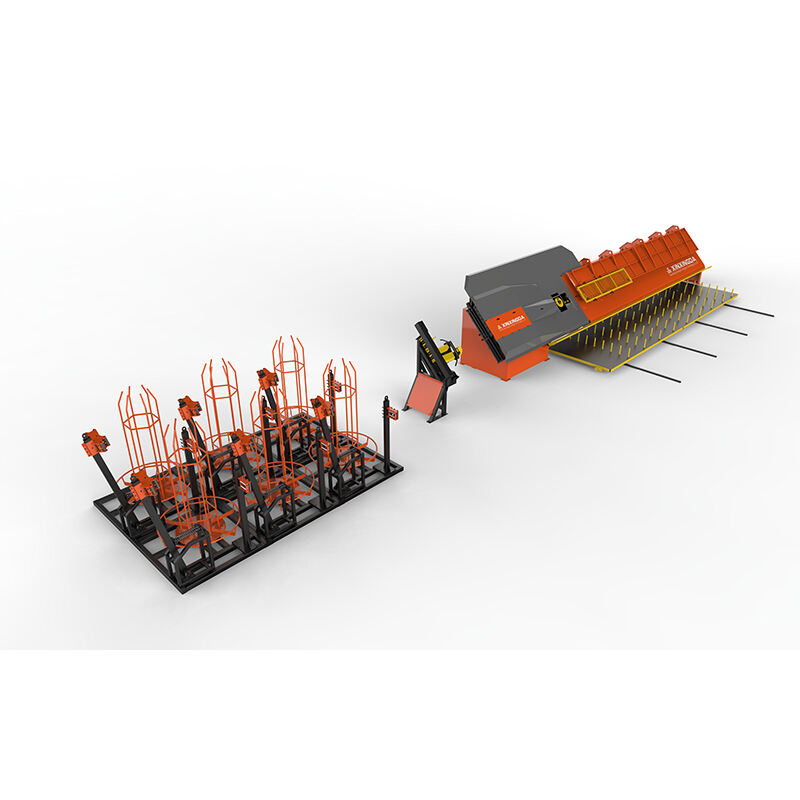
Understanding which features truly define reliability helps buyers make informed decisions that align with their specific operational needs. A reliable CNC steel bar bending machine must integrate robust mechanical components, advanced control systems, and precision engineering to deliver consistent results across varying steel bar specifications and production volumes. These machines serve as critical assets in construction, reinforcement fabrication, and structural steelwork where accuracy and dependability cannot be compromised.
Control System Precision and Programming Capabilities
Advanced CNC Programming Interface
The control system forms the intelligence backbone of any reliable CNC steel bar bending machine, determining how accurately and efficiently the equipment executes complex bending sequences. Modern machines feature intuitive programming interfaces that allow operators to input precise dimensional specifications, angle requirements, and multi-step bending patterns. The programming capability should support both manual input and automated file import from CAD systems, enabling seamless integration with existing design workflows.
A sophisticated control system includes memory storage for frequently used bending patterns, reducing setup time and minimizing human error during repetitive operations. The interface should provide real-time feedback on bending progress, material positioning, and operational status through clear visual displays. Advanced CNC steel bar bending machine models incorporate touchscreen controls with graphical representations of bending sequences, making programming more intuitive for operators at various skill levels.
Precision Positioning Technology
Accurate positioning mechanisms ensure that each bend occurs at precisely the specified location along the steel bar, maintaining dimensional consistency across production runs. Reliable machines employ high-resolution encoders and servo-controlled positioning systems that can achieve repeatability within tight tolerances. The positioning accuracy directly affects the final product quality and determines whether the bent reinforcement bars will meet structural engineering specifications.
The positioning system must accommodate various steel bar diameters while maintaining accuracy across the entire working range. Quality CNC steel bar bending machine designs integrate automatic material detection sensors that verify bar position before initiating bending operations. This feature prevents costly material waste and ensures that each bend aligns correctly with the programmed dimensions, regardless of slight variations in material feeding.
Mechanical Structure and Build Quality
Frame Rigidity and Structural Integrity
The machine frame serves as the foundation for all bending operations, and its structural integrity directly impacts bending accuracy and long-term reliability. A robust CNC steel bar bending machine features heavy-duty steel construction with reinforced joints and adequate cross-bracing to resist deflection under maximum bending loads. The frame design must distribute operational stresses evenly to prevent localized wear and maintain dimensional stability throughout the machine's service life.
High-quality frames incorporate precision-machined mounting surfaces for critical components, ensuring proper alignment and smooth operation of moving parts. The structural design should account for thermal expansion and contraction to maintain accuracy across varying operating temperatures. Welded joints require proper stress relief treatment, while bolt connections need adequate tensioning and regular inspection provisions to maintain structural integrity over extended periods.
Bending Head Design and Construction
The bending head contains the primary mechanism responsible for forming accurate angles in steel reinforcement bars, making its design crucial for reliable operation. Quality machines feature hardened steel bending pins and dies that resist wear while maintaining smooth surface finishes to prevent material marking. The bending head must generate sufficient torque to handle maximum specified bar diameters while providing precise angle control throughout the bending range.
Modular bending head designs allow for quick tooling changes to accommodate different bar diameters and bending radius requirements. The mechanism should include automatic tool position verification to ensure proper setup before operation commences. Advanced CNC steel bar bending machine models incorporate multiple bending stations or quick-change tooling systems that minimize downtime during production changeovers while maintaining consistent bending quality.
Material Handling and Feed Systems
Automatic Bar Feeding Mechanisms
Efficient material handling systems distinguish reliable CNC steel bar bending machine models from basic manual-feed alternatives, significantly improving productivity and operator safety. Automated feeding mechanisms must grip steel bars securely while providing smooth, consistent advancement through the bending sequence. The feed system should accommodate the full range of bar diameters specified for the machine while maintaining precise positioning accuracy.
Quality feed systems incorporate variable-speed drives that adjust advancement rates based on material characteristics and bending complexity. The gripping mechanism must apply adequate holding force without damaging the steel bar surface or creating dimensional variations. Reliable machines include automatic bar length measurement capabilities that ensure accurate cut-off positioning and prevent material waste during production runs.
Length Measurement and Cutting Integration
Integrated length measurement systems enable precise control over finished product dimensions while optimizing material utilization. These systems typically employ high-resolution measuring wheels or linear encoders that track bar advancement with exceptional accuracy. The measurement capability must function reliably across various steel bar surface conditions and maintain calibration stability over extended operating periods.
Many CNC steel bar bending machine configurations include integrated cutting mechanisms that automatically shear bars to specified lengths after completing bending operations. The cutting system should produce clean, square cuts without creating burrs or dimensional variations that could affect subsequent assembly operations. Proper integration between measuring, bending, and cutting functions ensures consistent product dimensions while minimizing handling requirements.
Performance Specifications and Operational Capacity
Bending Force and Speed Capabilities
The bending force capacity determines the maximum steel bar diameter and grade that the machine can process reliably, while bending speed affects overall production throughput. Reliable machines provide adequate force margins above stated specifications to ensure consistent operation without overloading mechanical components. The force delivery system should maintain smooth, controlled bending motion throughout the entire angle range to prevent material stress concentrations or dimensional variations.
Variable bending speed control allows operators to optimize cycle times based on material properties and accuracy requirements. Harder steel grades may require slower bending speeds to prevent cracking or surface defects, while softer materials can be processed more rapidly. Quality CNC steel bar bending machine designs incorporate force feedback systems that automatically adjust bending parameters to maintain consistent results across varying material conditions.
Production Rate and Cycle Time Optimization
Production efficiency depends on minimizing non-productive time during material handling, setup, and positioning operations. Reliable machines feature rapid traverse rates for positioning movements and optimized acceleration profiles that reduce overall cycle times without compromising accuracy. The control system should coordinate all machine functions to eliminate unnecessary delays and maximize productive bending time.
Advanced machines include predictive cycle time calculations that help operators plan production schedules and material requirements accurately. The system should account for varying bending complexity and material characteristics when estimating completion times. Efficient CNC steel bar bending machine operations depend on seamless integration between all subsystems to achieve maximum throughput while maintaining quality standards.
Safety Systems and Operational Protection
Operator Safety Features and Guards
Comprehensive safety systems protect operators from mechanical hazards while ensuring compliance with industrial safety regulations. Reliable machines incorporate physical guards around moving components, emergency stop systems, and light curtains or pressure-sensitive mats that halt operation when safety zones are breached. The safety system design must not impede normal operation while providing complete protection during all phases of the bending cycle.
Two-hand operation controls prevent accidental activation while ensuring that operators maintain safe distances from bending mechanisms during operation. Safety interlocks should verify proper guard positioning and tooling installation before permitting machine startup. Quality CNC steel bar bending machine installations include clear visual and audible warning systems that alert personnel to operational status and potential hazards.
Material Containment and Handling Safety
Proper material containment systems prevent steel bars from creating hazards during feeding, bending, and discharge operations. Reliable machines feature adjustable support systems that accommodate varying bar lengths while maintaining stable positioning throughout the bending process. The material path must be clearly defined and protected to prevent inadvertent contact with moving bars during operation.
Automatic material discharge systems should deposit finished products in designated collection areas without creating handling hazards or requiring manual intervention during normal operation. The discharge mechanism must handle bent shapes safely while preventing damage to completed parts. Emergency material release capabilities allow rapid clearing of the machine in case of jam conditions or operational emergencies.
FAQ
What bar diameter range should a reliable CNC steel bar bending machine handle?
A reliable CNC steel bar bending machine typically handles steel bars ranging from 6mm to 32mm diameter, though specific capacity depends on the machine model and intended application. The machine should maintain consistent bending accuracy across this entire range while accommodating both mild steel and higher-strength reinforcement grades. Some heavy-duty models can process bars up to 40mm or larger, but the bending force requirements increase significantly with diameter.
How important is the control system brand and programming interface?
The control system significantly impacts operational efficiency and long-term reliability, with established CNC controller brands offering better support and upgrade paths. A user-friendly programming interface reduces training time and minimizes operational errors, while advanced features like graphical programming and simulation capabilities enhance productivity. The control system should support industry-standard programming formats and provide reliable data storage for production programs and setup parameters.
What maintenance requirements define a reliable machine design?
Reliable CNC steel bar bending machine designs minimize maintenance requirements through quality component selection and accessible service points. Regular maintenance should primarily involve lubrication, basic adjustments, and periodic inspection of wear components. Machines requiring frequent hydraulic system service, complex calibration procedures, or difficult access to critical components typically indicate design deficiencies that affect long-term reliability and operating costs.
How does bending accuracy affect finished product quality?
Bending accuracy directly determines whether finished reinforcement bars meet structural engineering tolerances and assembly requirements. Reliable machines should maintain angle accuracy within ±1 degree and length tolerances within ±2mm across normal production runs. Consistent accuracy reduces material waste, eliminates rework requirements, and ensures that bent bars fit properly during construction assembly, preventing costly delays and quality issues in structural applications.