price of bar processing equipment
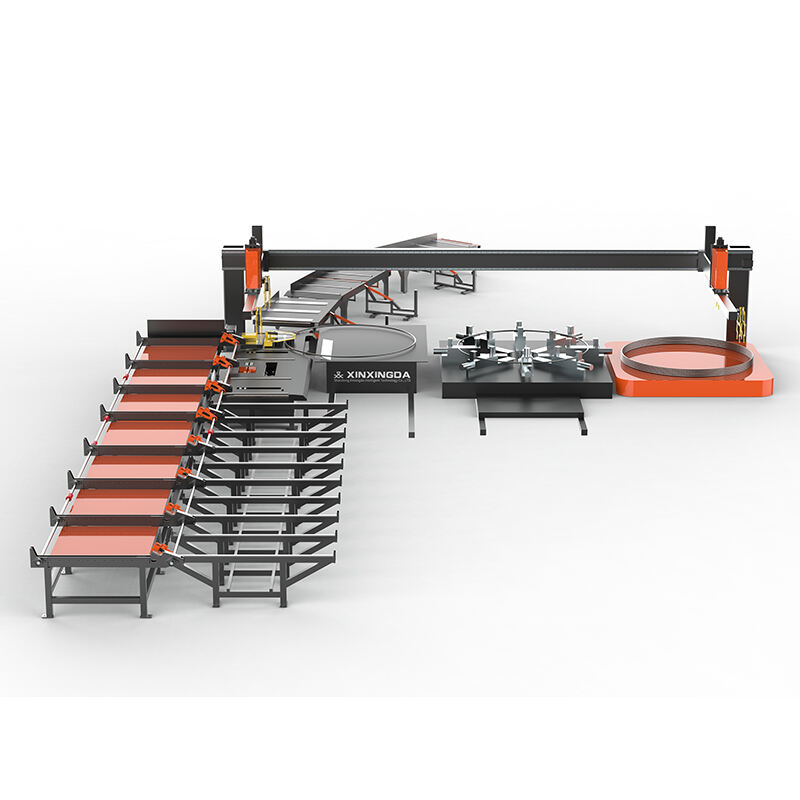
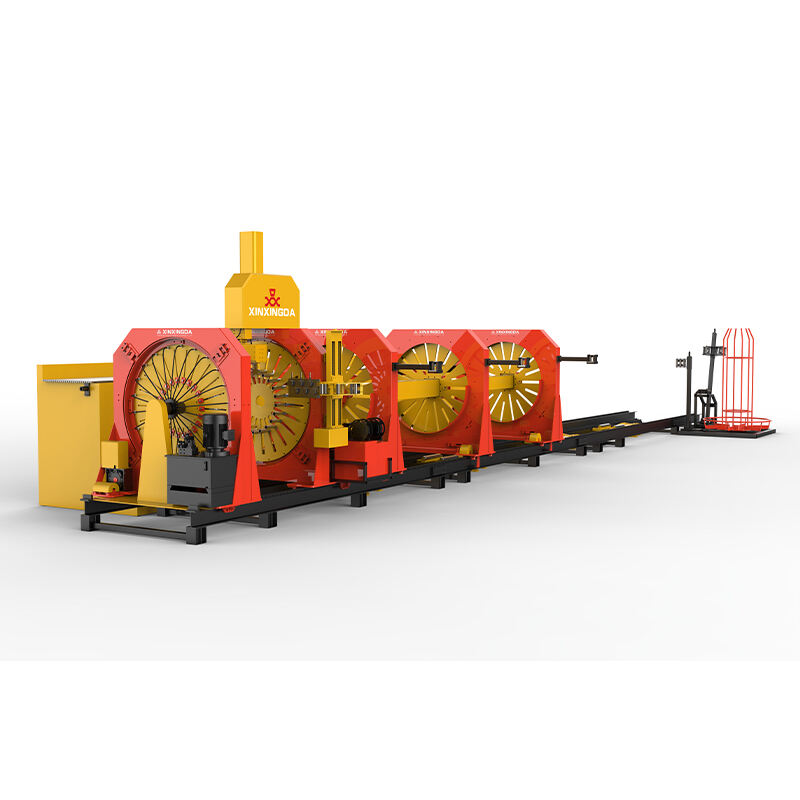
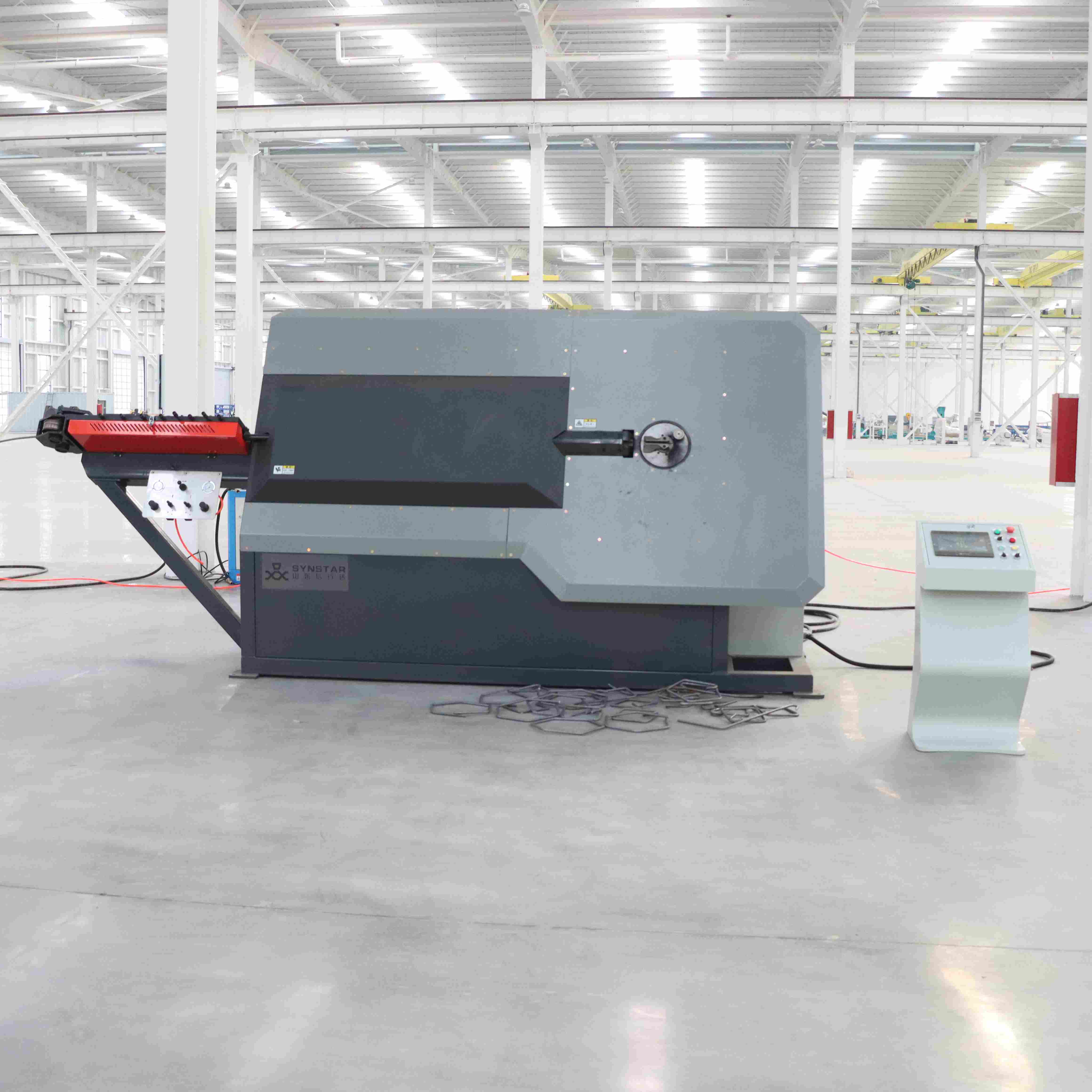
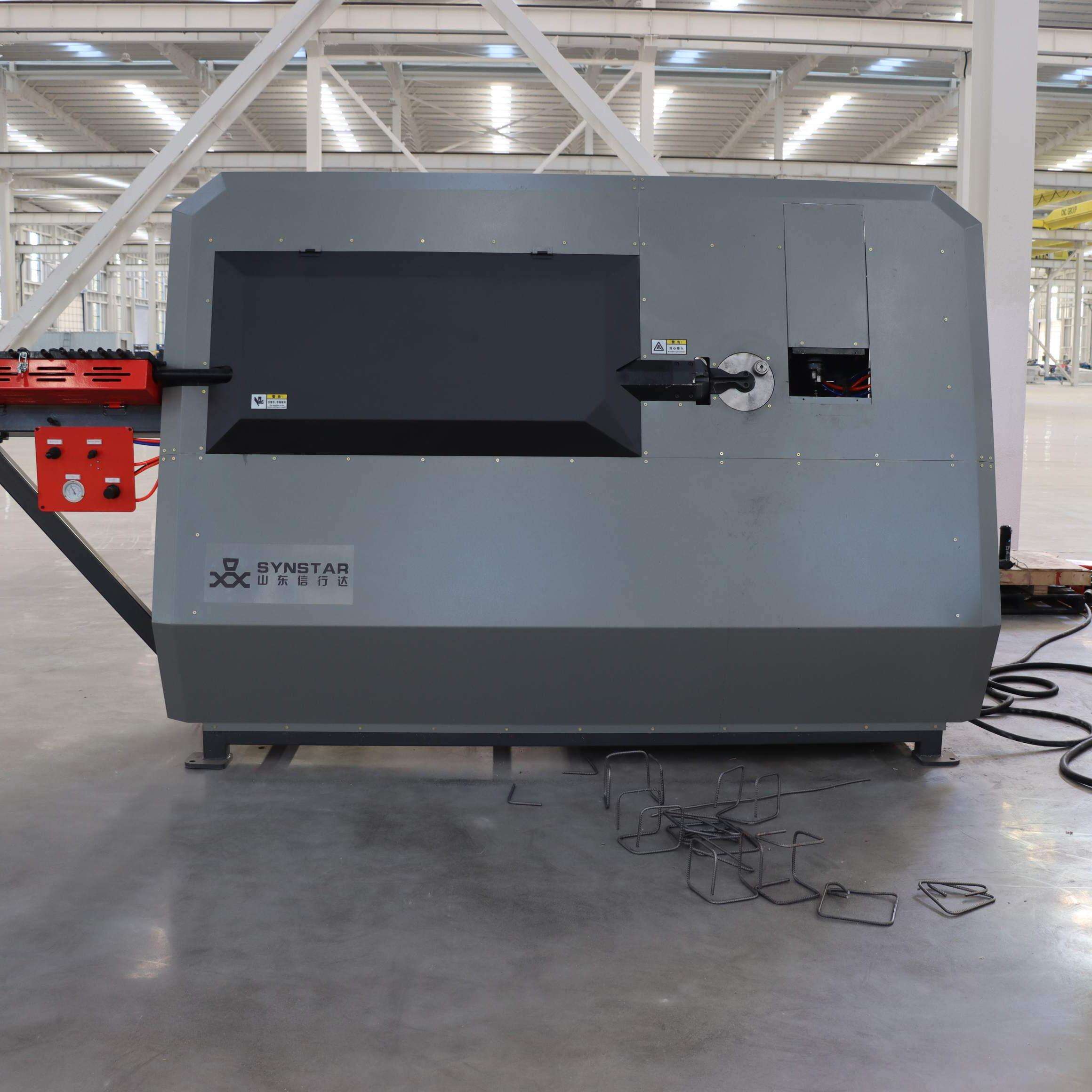
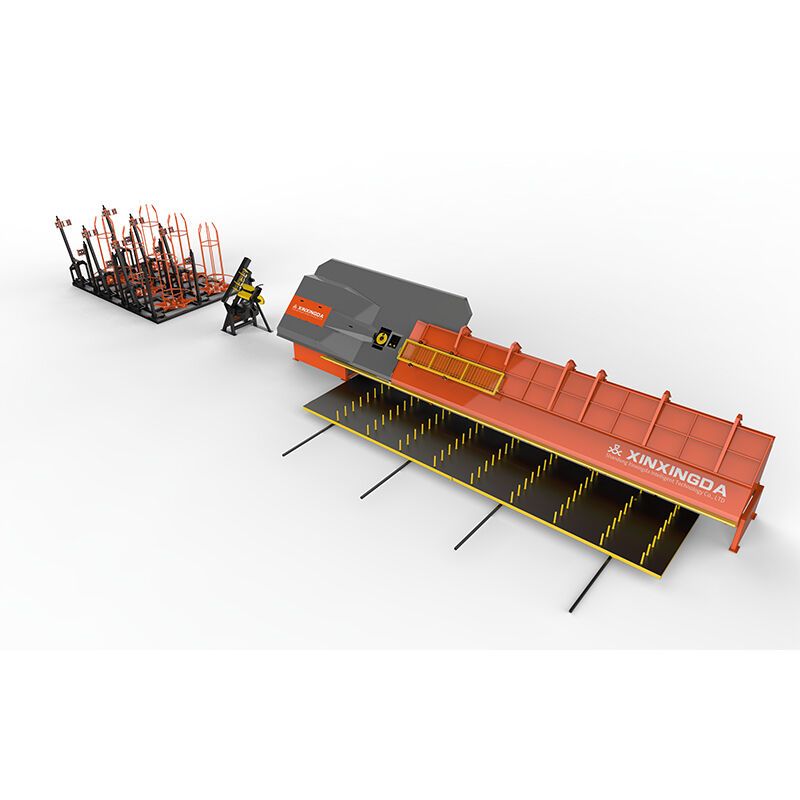
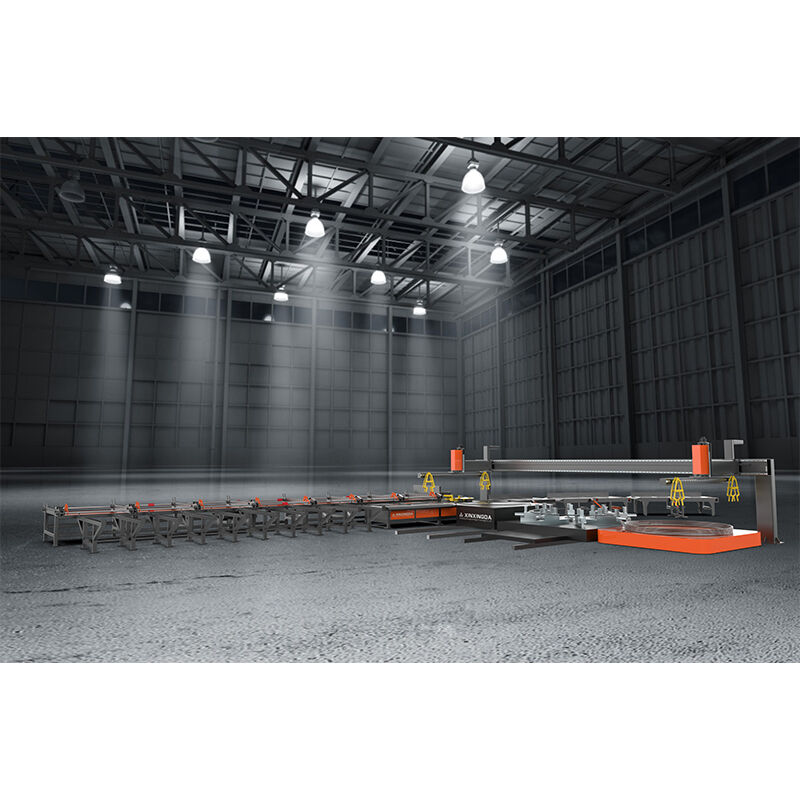
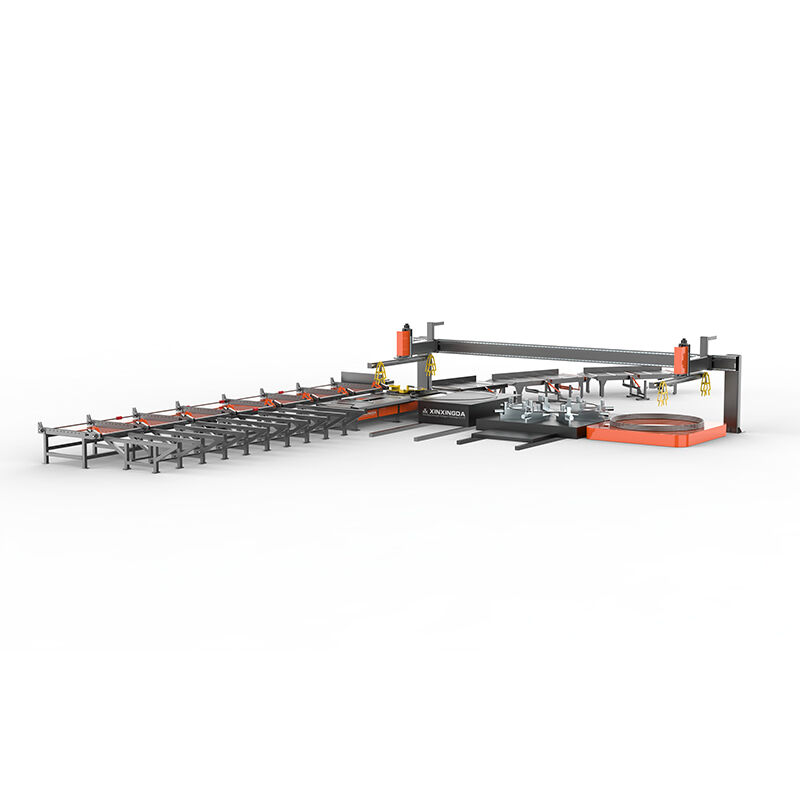
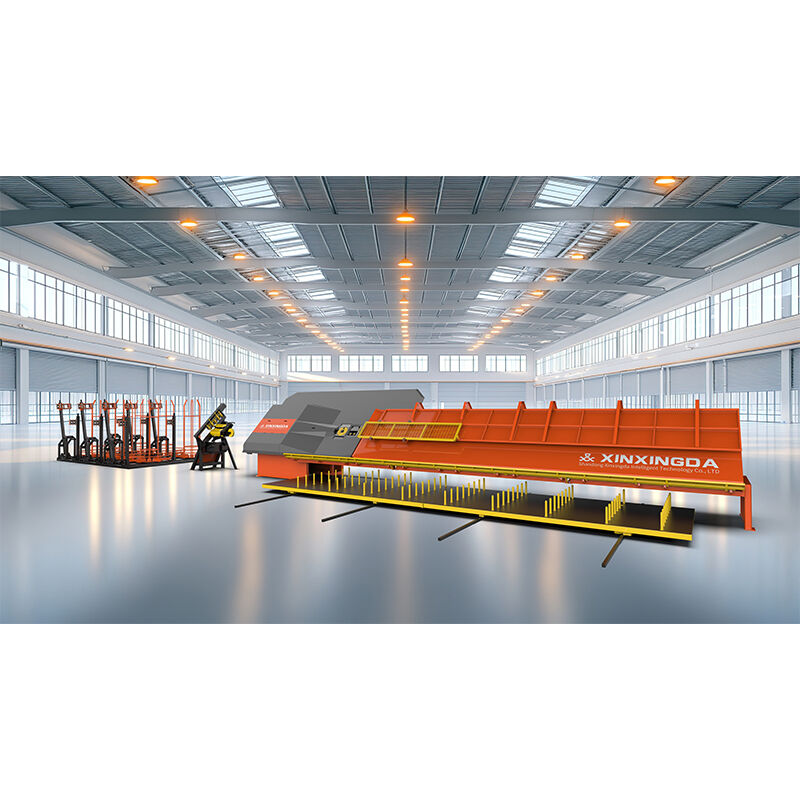
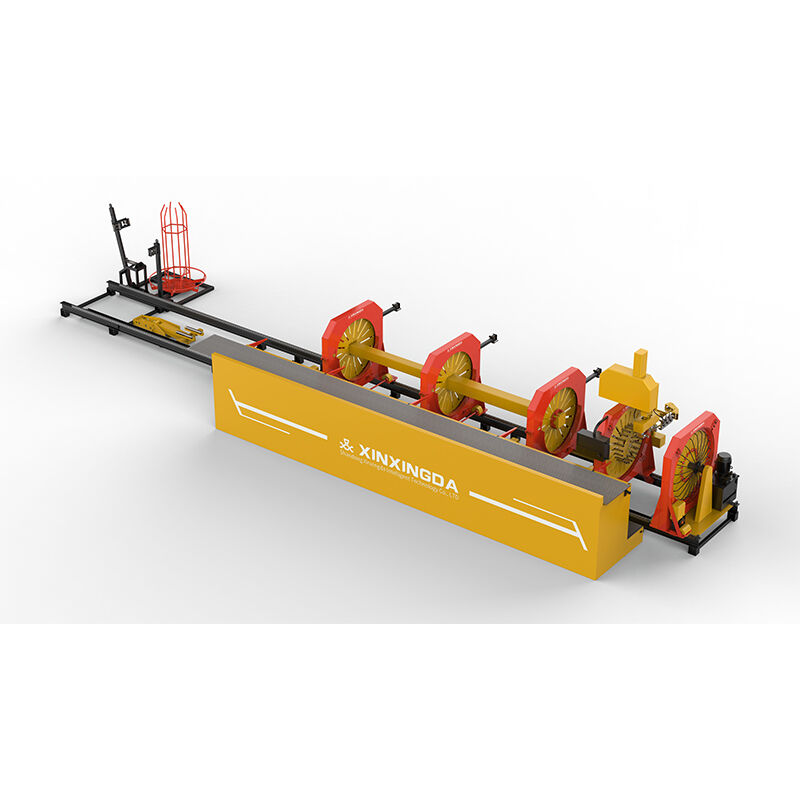
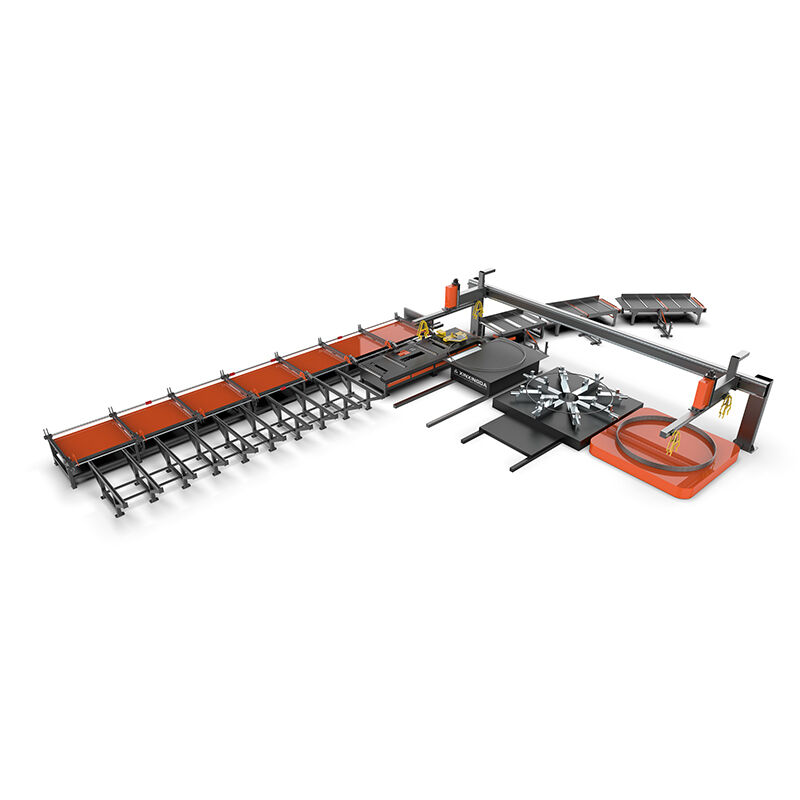
The price of bar processing equipment varies significantly based on technological specifications, manufacturing capabilities, and operational requirements. Modern bar processing machinery represents a substantial investment ranging from compact desktop units starting at approximately $15,000 to industrial-scale systems exceeding $500,000. These sophisticated machines serve multiple critical functions in metalworking operations, including cutting, bending, threading, turning, and surface finishing of various bar materials such as steel, aluminum, brass, and titanium. Advanced CNC-controlled systems integrate computer numerical control technology, enabling precise automated operations with minimal human intervention. Key technological features include servo-driven motors for enhanced accuracy, programmable logic controllers for operational flexibility, and integrated safety systems meeting international manufacturing standards. The price of bar processing equipment reflects sophisticated engineering incorporating high-speed spindles, multi-axis positioning systems, and advanced tooling capabilities. Contemporary machines feature touchscreen interfaces, real-time monitoring systems, and predictive maintenance algorithms that optimize performance while reducing operational costs. Applications span diverse industries including automotive manufacturing, aerospace components, construction materials, furniture hardware, and precision instrumentation. Manufacturing facilities utilize these systems for producing threaded rods, structural bars, decorative elements, and specialized components requiring tight tolerances. The price of bar processing equipment correlates directly with production capacity, with high-volume systems offering faster cycle times and enhanced throughput. Energy-efficient designs incorporate variable frequency drives and optimized hydraulic systems, reducing operational expenses while maintaining peak performance. Quality assurance features include integrated measurement systems, automated inspection capabilities, and statistical process control integration. Investment considerations encompass initial purchase costs, installation requirements, operator training, and ongoing maintenance expenses that influence total cost of ownership calculations.

 EN
EN