Versatile Material Handling and Application Range
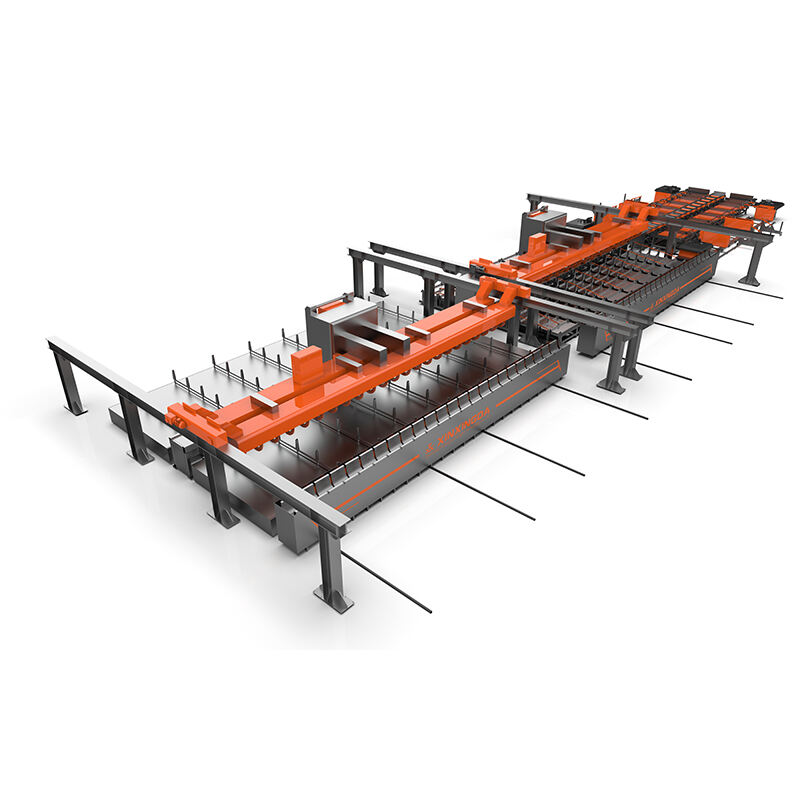
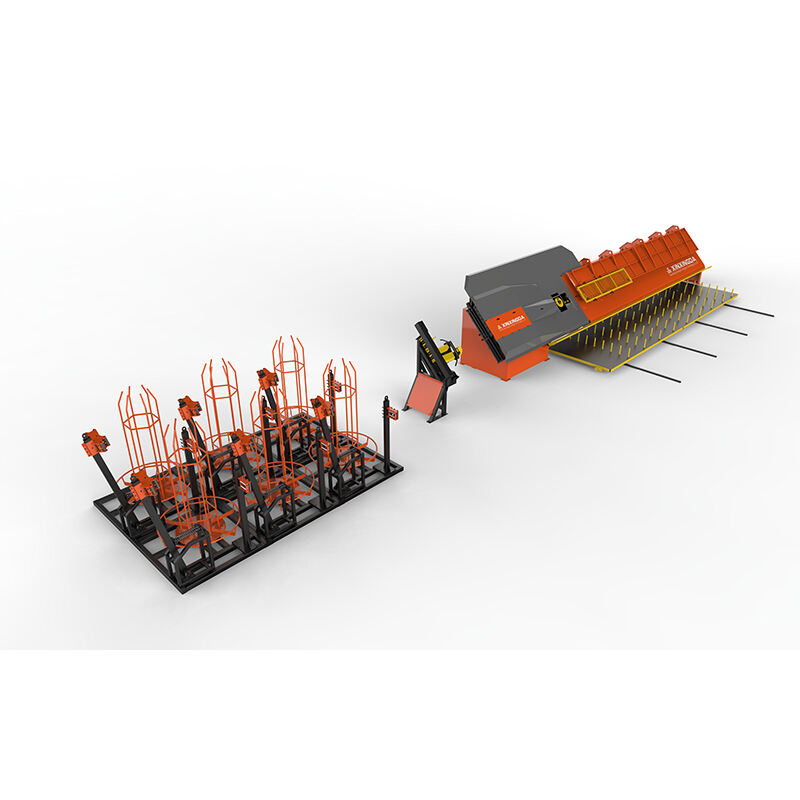
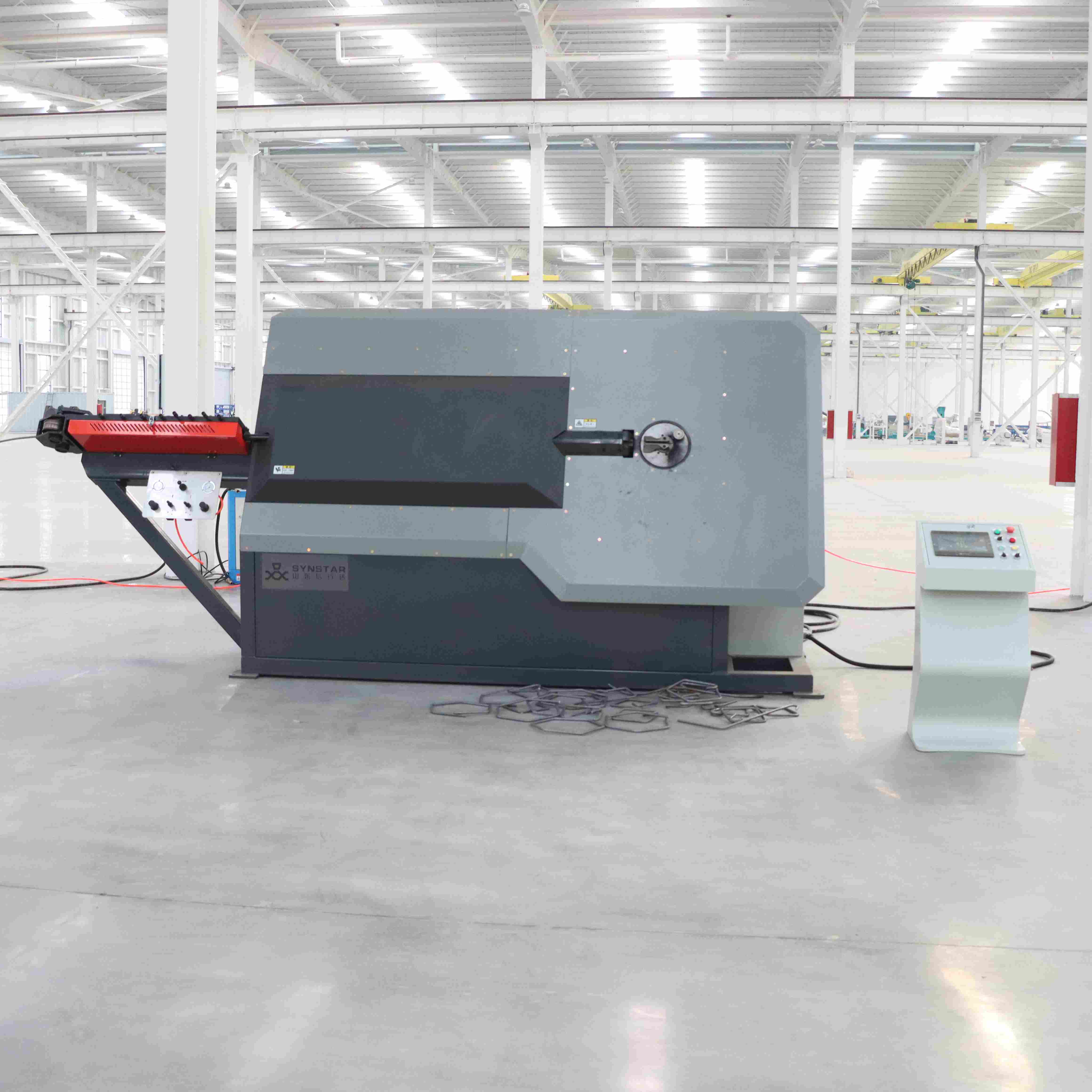
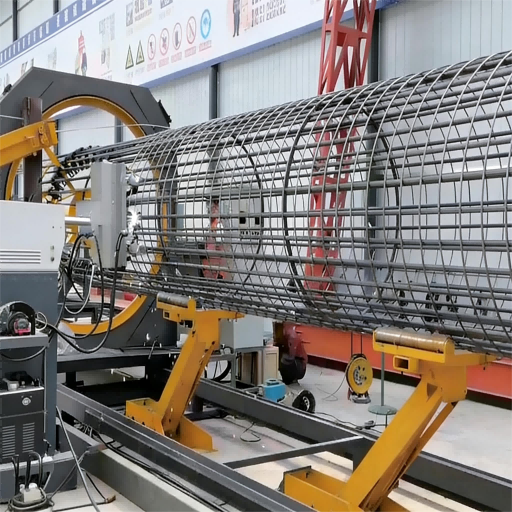
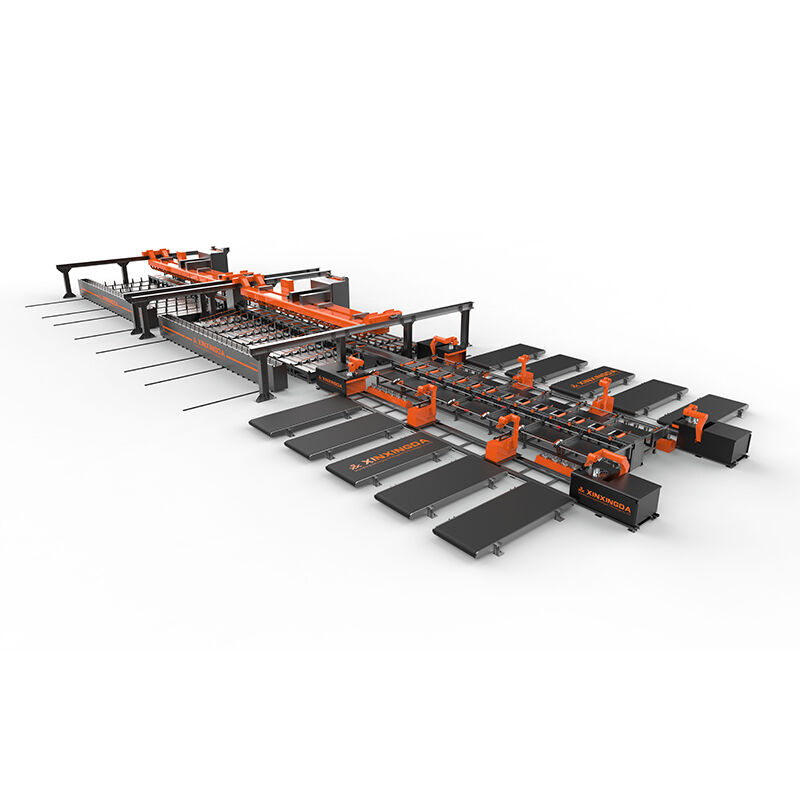
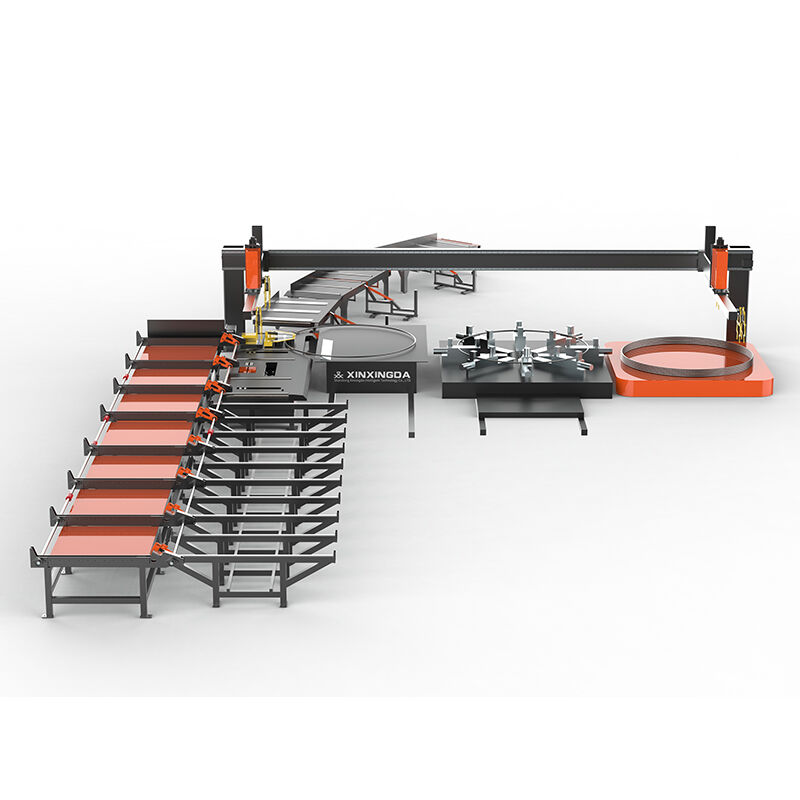
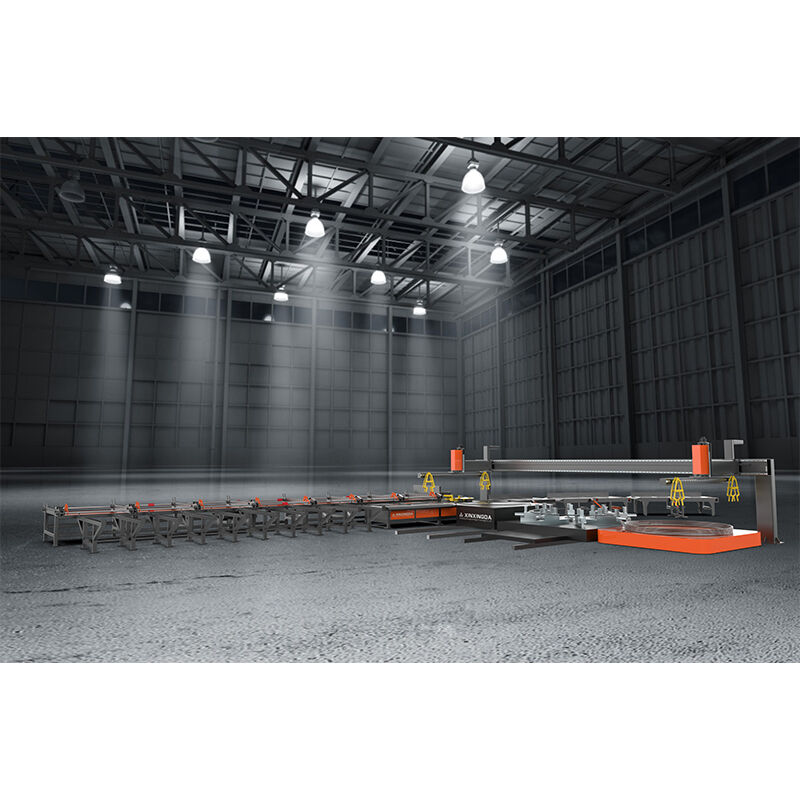
The discount arc bending machine demonstrates exceptional versatility in material handling capabilities, accommodating an extensive range of metals, alloys, and dimensions that make it suitable for diverse industrial applications across multiple sectors. Advanced roller configurations and adjustable guide systems enable the machine to process materials from thin gauge sheets to substantial structural components, providing flexibility that eliminates the need for multiple specialized machines in most fabrication environments. Material compatibility extends across ferrous and non-ferrous metals including carbon steel, stainless steel, aluminum, brass, copper, and specialized alloys used in aerospace and marine applications. The machine handles varying material thicknesses within its design parameters, automatically adjusting bending forces and speeds to optimize results for each specific material type and gauge combination. Surface protection features prevent marking or scratching during the bending process, maintaining material finish quality essential for architectural and decorative applications where appearance matters as much as dimensional accuracy. The discount arc bending machine excels in creating components for construction projects including curved handrails, decorative panels, and structural elements that enhance building aesthetics while meeting engineering requirements. Automotive applications benefit from the machine's ability to produce precise curved exhaust components, frame elements, and body panels that meet strict industry quality standards. HVAC fabrication represents another significant application area, where the machine creates curved ductwork sections that optimize airflow characteristics while fitting complex building layouts. Artistic and decorative metalwork projects utilize the machine's precision to create sculptural elements, furniture components, and architectural details that require smooth, flowing curves impossible to achieve through manual methods. Agricultural equipment manufacturing benefits from the machine's ability to form curved components for implements and machinery that must withstand harsh operating conditions while maintaining structural integrity. The adaptability extends to prototype development and custom fabrication work where unique specifications require flexible processing capabilities not available through standard production methods.

 EN
EN