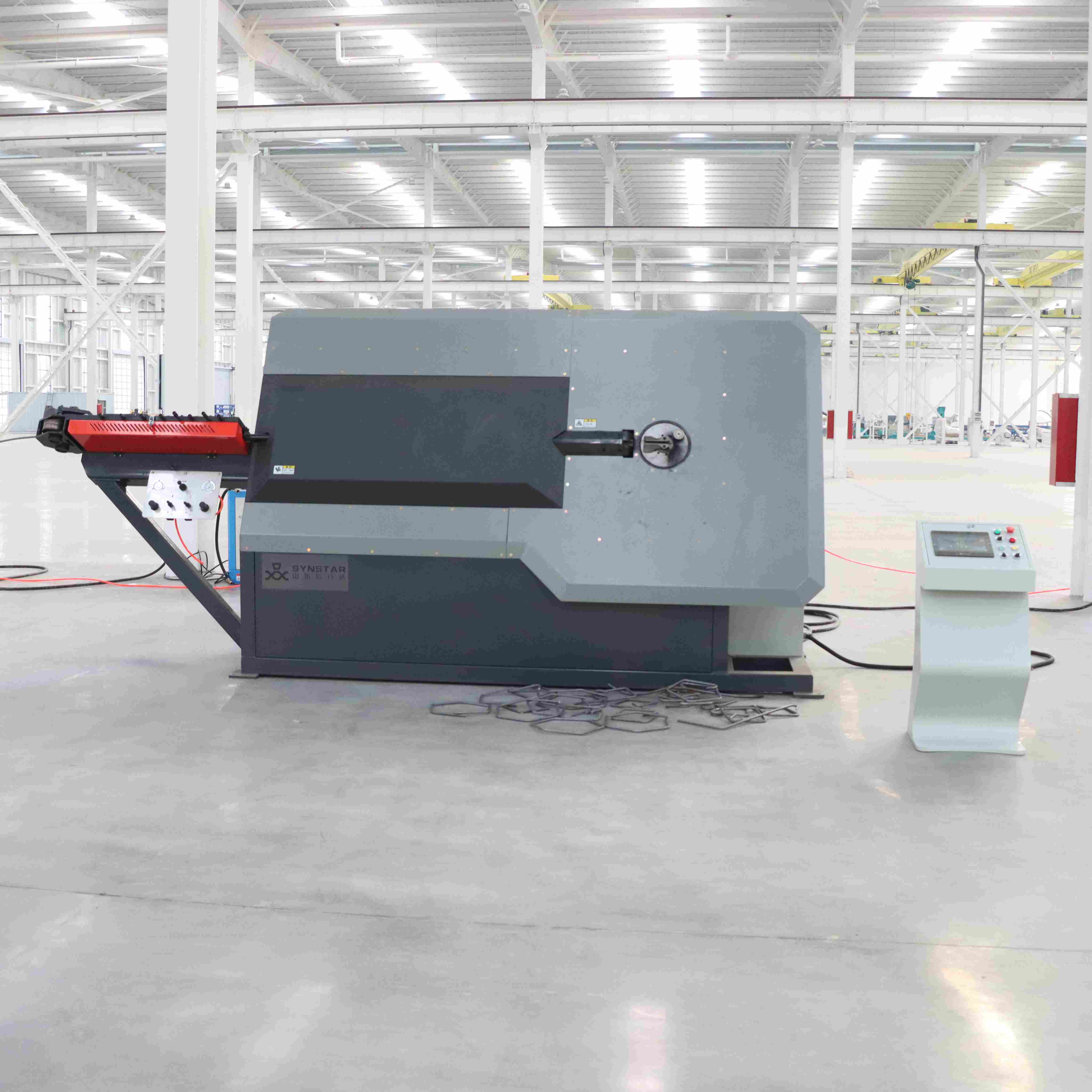
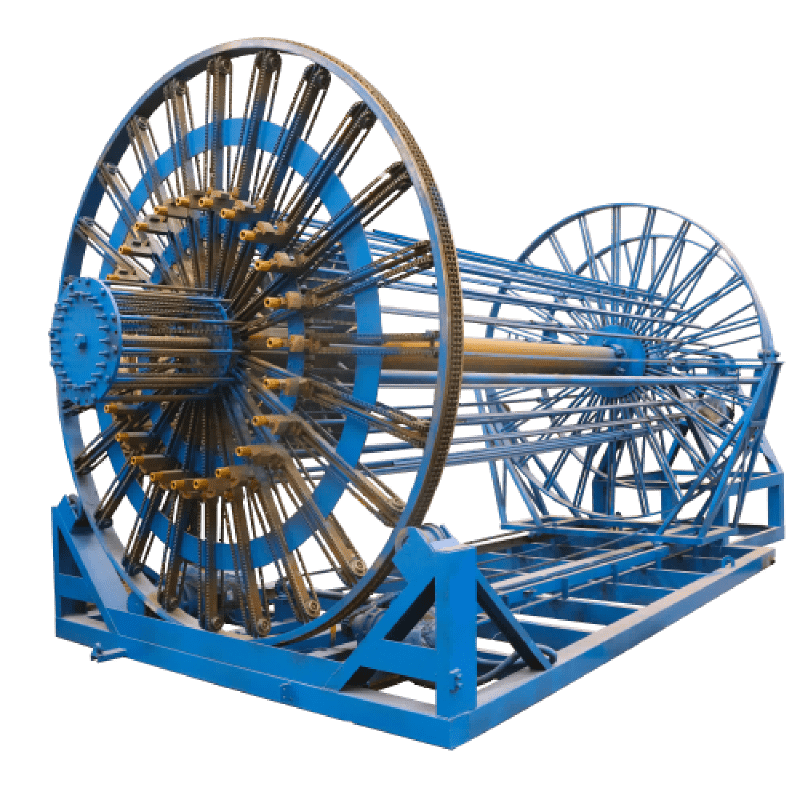
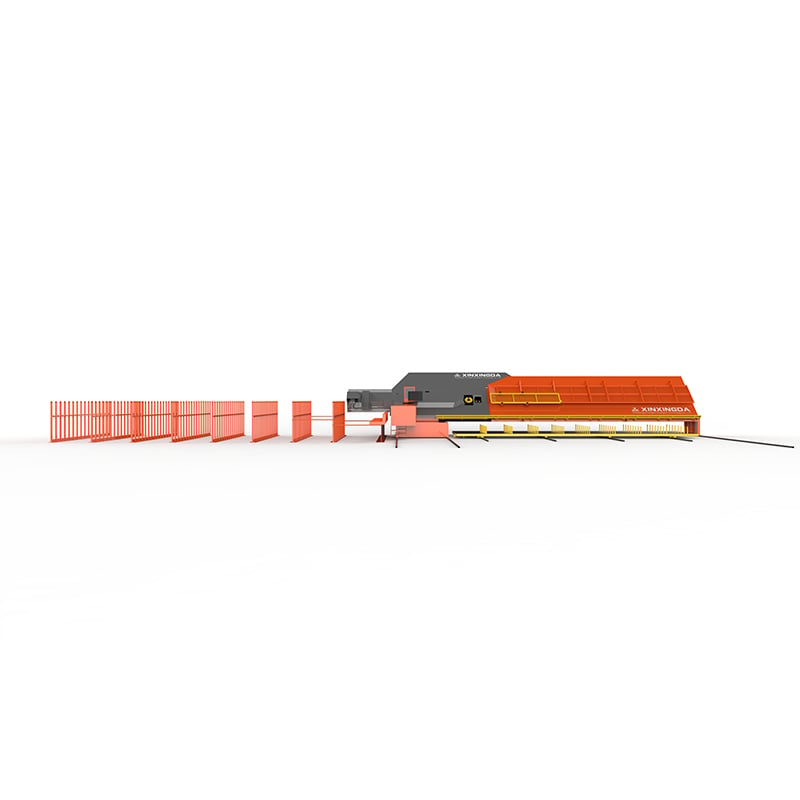
ခေတ်မှီအဆောက်အဦးလုပုံစံနေရာများတွင် သံမှုန်မွေးထားသော ကွန်ကရစ်ဖြင့် တည်ဆောက်ထားသော အဆောက်အဦးများကို များစွာတွေ့ရပါသည်။ အများအားဖော်ပေးထားသော အဆောက်အဦးများအနက် ရှုပ်ထွေးမှုမရှိသော သို့သော်လည်း အထေးအနက်အရေးပါသော အစိတ်အပိုင်းတစ်ခုမှာ သံချေးပုံစံဖော်များ (stirrups) ဖြစ်ပါသည်။ သူတို့သည် အဓိကသံချေးများကို တင်းကြပ်စွာ ဝိုင်းရံထားသော အားကောင်းသော "သံချေးပုံစံဖော်များ" ကဲ့သို့ဖြစ်ပြီး အဆောက်အဦး၏ အလုပ်လုပ်မှုအား အားကောင်းစေရန်နှင့် ငလျင်ဒဏ်ကို ခံနိုင်ရည်ရှိစေရန်အတွက် အသုံးပြုကြပါသည်။ ထိုသံချေးပုံစံဖော်များများကို အများအားဖော်ပေးထားသော ပုံစံများနှင့် တိကျသော အရွယ်အစားများဖြင့် ထုတ်လုပ်ရန်အတွက် ယနေ့နေ့တွင် မိမိတို့မှ မိတ်ဆက်ပေးမည့် အဓိကစက်မှုလုပ်ငန်းဖြစ်သော သံချေးပုံစံဖော်များ ကွေးချေးပုံစံဖော်ရှိုးစက်ကို အသုံးပြုကြပါသည်။
က. အဓိပ္ပာယ်ဖွင့်ဆီခြင်းနှင့် ဖွံ့ဖေါ်ရေး- လက်ဖျားနှင့် လုပ်ဆောင်သည့် စက်မှ အထိန်းချုပ်မှုစနစ်ပါသည့် စက်သို့ ခုန်ပေါက်ခြင်း။ သံချေးမှုန်းနှင့် ကွေးခြင်းစက်သည် အခြေခံအားဖြင့် သံချေးမှုန်းများကို ကြိတ်ခြင်း၊ စတုရန်း၊ စတုဂံ၊ စိတ်ကြိုက်ပုံစံများ (ဥပမါ- စတုရန်း၊ စတုဂံ၊ ရှေးရှေးပုံစံများ သို့မဟုတ် ပုံစံမှန်မှန်များ) အဖြစ် ကွေးပေးရန်အတွက် အထူးပြုထားသည့် စက်ဖြစ်သည်။ ဤစက်သည် သံချေးမှုန်းများကို အသုံးပြုသည့် စက်မှုလုပ်ငန်းတွင် အသုံးပြုသည့် စက်များအနက် တစ်မျှော်တည်းဖြစ်ပြီး လက်ရှိရှိသည့် သံချေးမှုန်းကွေးစက်များ၏ ဖွဲ့စည်းပုံအရ မော်ဒယ်အသစ်ဖြစ်ပြီး လုပ်ဆောင်ချက်များကို မော်ဒယ်အသစ်ဖြင့် မော်ဒ်ဖြောင်းပေးထားခြင်းဖြစ်သည်။
တရုတ်နိုင်ငံ၏ အထူးသဖြင့် အလေးချိန်များသော စက်မှုလုပ်ငန်းများ မြန်မြန်ဆန်ဆန် ဖွံ့ဖြိုးတိုးတက်လာခြင်းနှင့်အတူ တည်ဆောက်ရေးလုပ်ငန်းတွင် သံချောင်းများအတွက် ဝယ်လုံးများ မြင့်မားလာခြင်းနှင့် ၎င်းတို့၏ ပုံစံများ မျှော်လင့်ချက်များ ပိုမိုမျှော်လင့်ချက်များ မြင့်မားလာခြင်းတို့ ဖြစ်ပါသည်။ ရှေးရိုးစွဲ လက်ဖျားဖြင့် ကွေးချောင်းချောင်းများ လုပ်ခြင်းသည် ထိရောက်မှုနည်းပါသည်။ ထို့အပြင် တိကျမှုကို အာမခံနိုင်ခြင်းမရှိပါ။ သံချောင်းကွေးချောင်းနှင့် ကွေးချောင်းများကို ကွေးချောင်းများ ဖွဲ့စည်းခြင်း စက်များ ပေါ်ပေါက်လာခြင်းဖြင့် ဤအခြေအနေကို ပြောင်းလဲပေးခဲ့ပါသည်။ ဤစက်များသည် သံချောင်းများကို ဂျီဩမေတြီ ပုံစံများစွာသို့ ကွေးနိုင်ပါသည်။ ထို့ကြောင့် စက်မှုလုပ်ငန်းများ ထုတ်လုပ်မှုလုပ်ငန်းများ၏ လိုအပ်ချက်များကို အဓိကအားဖြင့် ဖြည့်ဆည်းပေးနိုင်ပါသည်။ ယနေ့ခေတ်တွင် အဆင့်မြင့်ဆုံး အလိုအလျောက် CNC သံချောင်းကွေးချောင်းနှင့် ကွေးချောင်းများ ဖွဲ့စည်းခြင်း စက်များသည် ဖောင်းပေါက်ခြင်း၊ ဖြတ်ခြင်း၊ ကွေးချောင်းခြင်းနှင့် ဖြတ်ခြင်း စသည့် လုပ်ငန်းစဉ်များကို ပေါင်းစပ်ထည့်သွင်းထားပါသည်။ ထို့ကြောင့် သံချောင်းထုတ်လုပ်မှုစက်ရုံများနှင့် တည်ဆောက်ရေးနေရာများတွင် အဓိက စက်ကိရိယာများ ဖြစ်လာပါသည်။
၂။ အရေးကြီးသော ဖွဲ့စည်းပုံများနှင့် အလုပ်လုပ်ပုံများ - ဤစက်များသည် မည်သို့အလုပ်လုပ်သနည်း။ သံချောင်းကွေးချောင်းနှင့် ကွေးချောင်းများ ဖွဲ့စည်းခြင်း စက်များသည် ပုံမှန်အားဖြင့် အစိတ်အပိုင်းနှစ်များဖြင့် ဖွဲ့စည်းထားပါသည်။ အောက်ပါအတိုင်း ဖွဲ့စည်းထားပါသည်။ စက်မှုအစိတ်အပိုင်းများနှင့် ထိန်းချုပ်မှုအစိတ်အပိုင်းများ
၁။ မေကနိုင်ကယ်အစိတ်အပိုင်းများ - ဤအစိတ်အပိုင်းများသည် စက်၏ လုပ်ဆောင်မှုအစိတ်အပိုင်းများဖြစ်ပြီး အဓိကအားဖြင့် အစိတ်အပိုင်း (၃) ခုဖွဲ့စည်းထားပါသည်။
သံချောင်းများ ပေးပို့ခြင်းနှင့် ဖောက်ထုတ်ခြင်းစနစ် - သံချောင်းများသည် ပထမဦးစွဲအားဖြင့် စက်ပစ္စည်းထဲသို့ ဝင်ရောက်ပြီး အလျားလိုက်နှင့် အနံလိုက် ဦးတည်ချက်နှစ်ခုစလုံးတွင် ချိန်ညှိနိုင်သော ဖောက်ထုတ်ခြင်းဘီး (၂) စုံဖြင့် အတင်းအကျပ်ဖောက်ထုတ်ခြင်းခံရပါသည်။ ထိုသို့ဖောက်ထုတ်ခြင်းဖြင့် သုတ်လိမ်းရန် အခြေခံပစ္စည်းများ၏ မျက်နှာပုံ ပုံသဏ္ဍာန်ကို ညီညာစေပါသည်။ ထို့နောက် ဆာဗိုမော်တာမှ ထိန်းချုပ်သော ဆွဲဆောင်ရှိုးဘီးများသည် သံချောင်းများကို အားကောင်းစွာဖိစိပ်ပေးပြီး သံချောင်းများအား ရှေ့သို့ ရွေ့လျားနေစေရန် အားပေးပါသည်။
ခေါက်ခွင့်စနစ် - ဤသည်မှာ သံခေါင်းခေါက်စက်၏ အရေးကြီးသော အစိတ်အပိုင်းဖြစ်သည်။ ယင်းသည် အများအားဖြင့် အတားအဆီးတိုင်များပါဝင်သော ဘီလ်ဒစ်ခ် (wheel disc) တစ်ခုဖြင့် ဖွဲ့စည်းထားသည်။ သံခေါင်းကို သတ်မှတ်ထားသော နေရာသို့ ပို့လေ့ရှိပါက ခေါက်ခွင့်လုပ်ငန်းစဉ်သည် ဖြဧ့ဖြဧ့ခေါက်ခွင့်စတင်ပြီး ဘီလ်ဒစ်ကို လှည့်ပေးသည်။ ဘီလ်ဒစ်အတွင်းရှိ အတားအဆီးတိုင်များသည် သံခေါင်းကို အတားအဆီးဖော်ပေးကာ ထိစပ်မှုများပေါ်တွင် ပလပ်စတစ်ပုံသော ပုံပေါ်မှု (plastic deformation) ဖြစ်ပေါ်စေပြီး သံခေါင်းကို ခေါက်ခွင့်ပေးသည်။ အလိုအလျောက်မော်ဒယ်များတွင် မန်ဒရယ် (mandrel) ၏ အလျော်အလံနှင့် အစားထိုးမှုကို လွတ်လပ်စွာ ထိန်းချုပ်နိုင်ပြီး နှစ်ကြိမ် ခေါက်ခွင့်လုပ်ငန်းကို ပြီးမော်ပါသည်။
ပစ္စည်းဖြတ်ခြင်း - သံခေါင်းများကို ကောင်းမွန်သော စတာပ်ရပ် (stirrups) များအဖြစ် တစ်ကြိမ် (သို့မဟုတ်) အများအားဖြင့် နှစ်ကြိမ်ခေါက်ခွင့်ပြီးနောက် ဟိုက်ဒရောလစ်ထိန်းချုပ်မှုဖြင့် ဖွဲ့စည်းထားသော ဖြတ်စက်သည် ချက်ချင်းရပ်ပြီး ရှည်လျားသော ပစ္စည်းမှ ပုံပေါ်မှုပြီးစီးသော ထုတ်ကုန်ကို ဖြတ်ထုတ်ပေးသည်။
၂။ ထိန်းချုပ်ရေးအပိုင်း ဤအပိုင်းသည် စက်၏ "ဦးနောက်" လည်းဖြစ်ပါသည်။ ခေတ်မှီသံမဏိချောင်းများကို ကွေးချိုးခြင်းနှင့် ကွေးချုပ်ခြင်းစက်များတွင် ယေဘုယျအားဖြင့် PLC (ပရိုဂရမ်ရေးသားနိုင်သော တွေးခေါ်မှုထိန်းချုပ်စနစ်) သို့မဟုတ် အထူးပြုထားသော CNC စနစ်ဆော့ဖ်ဝဲလ်များကို ထိန်းချုပ်ရေးအတွက် အသုံးပြုကြပါသည်။ လုပ်သမ်းသည် ထိန်းချုပ်စက်များပေါ်ရှိ ထိပ်တို့ထိပ်ပေါ်တွင် ကွေးချုပ်ရမည့် သံမဏိချောင်းများ၏ လိုအပ်သော အရွယ်အစားများနှင့် စုစုပေါင်း ထောင်လေးထောင်များကို ထည့်သွင်းပေးရုံသာဖြစ်ပြီး PLC သည် မော်တာတစ်ခုချင်းစီ၏ အမြန်နှုန်း၊ လှည့်နှုန်းနှင့် စတပ်/ရပ်နှုန်းကို တိကျစွာ ထိန်းချုပ်ပေးပါသည်။ စက်ချိန်ညှိမှုအတွက် အသုံးပြုသော စနှူဆာများသည် သံမဏိချောင်းများ၏ နေရာနှင့် အခြေအနေကို အချိန်နှင့်တစ်ပါက် စောင်းကြည့်ပြီး ဒေတာအချက်အလက်များကို အလိုအလျောက်ထိန်းချုပ်စနစ်သို့ ပို့ဆောင်ပေးပါသည်။ ထိုသို့ဖြင့် အထူးကောင်းမွန်သော ပိတ်ထောင်းထိန်းချုပ်စနစ် (closed-loop control system) တစ်ခု ဖွဲ့စည်းပေးပါသည်။
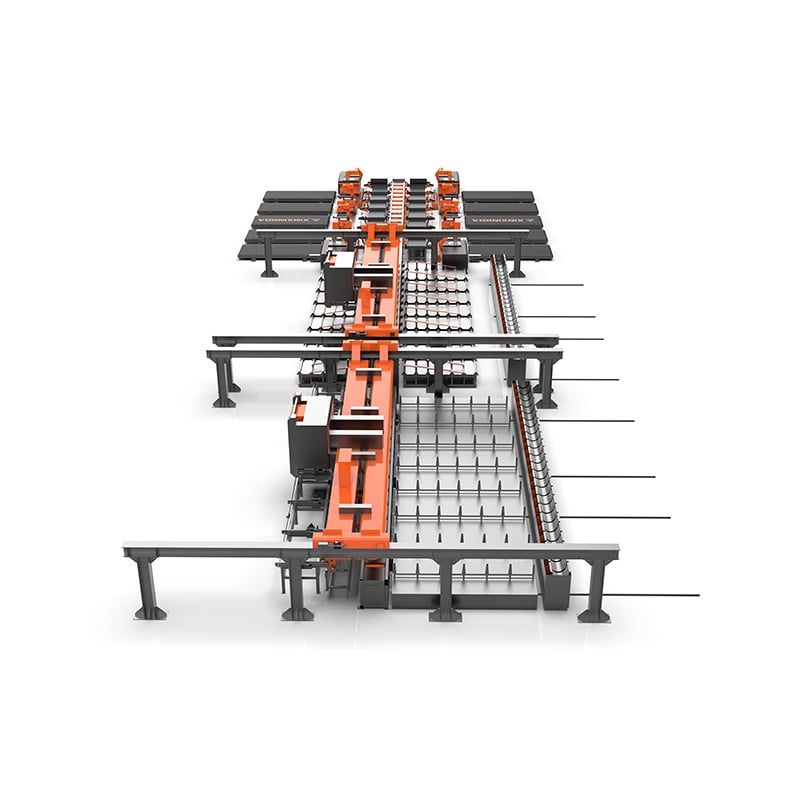
ရှင်းလင်းစွာပြောရလျှင် သံချေးမှုန်းနှင့် ကွေးချုပ်ရေးစက်၏ အလုပ်လုပ်ပုံသည် "သံကို ပြောင်းလဲခြင်း" အတွက် အလွန်အဆင်ပေးထားသော ထုတ်လုပ်မှုလိုင်းတစ်ခုနှင့် တူပါသည်။ သံချေးမှုန်းများကို ထည့်သွင်းခြင်း → ဖောင်းထောင်ခြင်း → အကွာအဝေးအတိုင်း ပိုက်များဖြင့် သယ်ဆောင်ခြင်း → ပုံစံအတိုင်း ကွေးချုပ်ခြင်း → သတ်မှတ်ထားသော အရှည်အတိုင်း ဖြတ်ခြင်း → အဆုံးသတ်ထုတ်ကုန်များကို စုစည်းခြင်း။ ဤလုပ်ငန်းစဉ်တစ်ခုလုံးကို တစ်ကြိမ်တည်းဖြင့် ပြီးမော်နိုင်ပြီး ပုံမှန်အားဖြင့် လုပ်သမ်းတစ်ဦးသာ လုပ်ကိုင်ရန် လိုအပ်ပါသည်။
III. အမျိုးမျိုးသော အမျိုးအစားများ – လိုအပ်ချက်များအရ အကောင်းဆုံးရွေးချယ်မှုနည်းလမ်း
အလိုအလျောက်လုပ်ဆောင်မှုအဆင့်နှင့် ဖွဲ့စည်းပုံအလိုက် သံချေးတုံးများကို ကွေးချိုးခြင်းနှင့် ကွေးချုပ်ခြင်းစက်များကို အဓိကအားဖြင့် အောက်ပါအတိုင်း အမျိုးအစားခွဲထားပါသည်။
ခြေထောက်ဖြင့် လုပ်ဆောင်သော စက်နှင့် CNC စက်ကိရိယာအမျိုးအစား – အစောပိုင်းခေတ်တွင် ခြေထောက်ဖြင့် လုပ်ဆောင်သော သံချေးတုံးများကို ကွေးချိုးခြင်းနှင့် ကွေးချုပ်ခြင်းစက်များသည် ပိုမိုများပါသည်။ သို့သော် ၎င်းတို့ကို ညှိရန် ရှုပ်ထွေးမှုရှိပါသည်။ ခေတ်မှီ CNC စက်ကိရိယာအမျိုးအစား သံချေးတုံးများကို ကွေးချိုးခြင်းနှင့် ကွေးချုပ်ခြင်းစက်များသည် ဆာဗိုမော်တာများဖြင့် ထိန်းချုပ်ထားပြီး တုံ့ပြန်မှုမြန်ဆန်ခြင်း၊ တိကျမှုမြင့်မားခြင်း (±၁မီလီမီတာအထိ) နှင့် ပုံစံအများအပြားကို သိမ်းဆောင်ထားနိုင်ခြင်း (ပုံစံ ၅၀၀ ကျော်ကို ကြိုတင်သိမ်းဆောင်ထားနိုင်ခြင်း) စသည့် အင်္ဂါရပ်များရှိပါသည်။ ထိုစက်များသည် ဈေးကွက်တွင် အဓိကအားဖြင့် အသုံးများလာပါသည်။
အထွေထွေသုံးနှင့် ထူသောအမျိုးအစားများ - အထွေထွေသုံးအမျိုးအစားသည် အရွယ်အစားအမျိုးမျိုးရှိသော ကြေးနီချောင်းများ (stirrups) ထုတ်လုပ်ခြင်းနှင့် အသုံးပြုခြင်းအတွက် သင့်လျော်ပါသည်။ အခြားတစ်ဖက်တွင် အလျားလေးသော ချောင်းများအတွက် အသုံးပြုနိုင်သည့် အလျားလေးသော ချောင်းများအတွက် ပြန်လည်ထည့်သွင်းပေးသည့် ကိရိယာ (return device) ပါရှိသည့် အမျိုးအစားဖြစ်ပါသည်။ ထို့ကြောင့် ချောင်းများနှင့် အလျားတူသည့် ပစ္စည်းများကို ထုတ်လုပ်ခြင်းနှင့် အသုံးပြုခြင်းအတွက် လိုအပ်ချက်များကို ဖော်ဆောင်ပေးနိုင်ပါသည်။
သုံးမျောင်းထောင် CNC ချောင်းကွေးစက် - ဤသည်မှာ နောက်ပိုင်းနှစ်များတွင် ပေါ်ပေါက်လာသည့် စက်သစ်အမျိုးအစားဖြစ်ပါသည်။ ဤစက်သည် သုံးမျောင်းထောင် သံချောင်းထုတ်ကုန်များ (ဥပမါ - ချောင်းကွေးပုံစံ စက်ရုပ်များနှင့် သုံးမျောင်းထောင် ရှစ်ပုံစံချောင်းများ) ကို ထုတ်လုပ်နိုင်ပါသည်။ ထို့ကြောင့် ရှုပ်ထွေးပြီး ပုံစံမှန်မှုမရှိသည့် အစိတ်အပိုင်းများကို တည်ဆောက်ရာတွင် လွယ်ကူသည့် ဖြေရှင်းနည်းကို ပေးစေပါသည်။
IV. လုံခြုံရေးနှင့် လက်တွေ့အသုံးပြုမှု - စည်းမျဉ်းများသည် စတုရန်းနှင့် ဝိုင်းပုံစံများကို ဖန်တီးပေးပါသည်။
သံချောင်းကွေးခြင်းနှင့် ကွေးခြင်းစက်သည် ထုတ်လုပ်မှုစွမ်းဆောင်ရည်ကို အများအားဖြင့် မြှင့်တင်ပေးနိုင်သော်လည်း ဤစက်သည် စွမ်းအင်မြင့်မားသည့် စက်မှုကိရိယာဖြစ်ပါသည်။ စက်လုပ်ဆောင်နေစဉ် လုံခြုံရေးအတွက် လိုက်နာရမည့် စည်းမျဉ်းများကို တင်းကြပ်စွာ လိုက်နာရပါမည်။
စတင်အဆင့် - စက်ပစ္စည်း၏ ရုပ်ပိုင်းဆိုင်ရာ စွမ်းဆောင်ရည်ကို စစ်ဆေးပြီး စက်ပစ္စည်း၏ အလုပ်ပေါ်ပေါက်မှုသည် အနေအထားမှန်ကန်ကြောင်း သေချာစေရန်။ သံချေးမှုန်များ၏ အချင်းအတိုင်းအတာအရ သင့်လျော်သော မန်ဒရယ်များကို တပ်ဆင်ရမည်။ မန်ဒရယ်၏ အချင်းသည် သံချေးမှုန်၏ အချင်း၏ ၂.၅ ဆ ခန့် ဖြစ်ရန် အခြေခံမှုဖြစ်သည်။
အလုပ်လုပ်သည့် လုပ်ထုံးလုပ်နည်း - စက်ပစ္စည်း အလုပ်လုပ်နေစဉ်တွင် မန်ဒရယ်ကို အစားထိုးခြင်း၊ မြင်ကွင်းထောင်မှု ထောင်မှုထောင်မှုကို ပြောင်းလဲခြင်း သို့မဟုတ် သုတ်လိမ်းခြင်းနှင့် သန့်ရှင်းရေးလုပ်ခြင်းတို့ကို တင်းကြပ်စွာ တားမြစ်ထားသည်။ စက်ပစ္စည်း အလုပ်လုပ်နေစဉ်တွင် လူသား၏ ခန္တာကိုယ်၏ အစိတ်အပိုင်းများကို သံချေးမှုန်ကွေးခြင်း လုပ်ဆောင်မှု၏ အကွင်းအတွင်းသို့ ဝင်ရောက်ခွင့် မပေးပါ။
ထိန်းသိမ်းရေးအဆင့် - အလုပ်ပြီးစေပြီးနောက် နေရာကို အမျှင်မှန်စွာ သန့်ရှင်းရမည်။ စက်ပစ္စည်းများကို ထိန်းသိမ်းပြီး ပုံမှန်ပြုပြင်ထိန်းသိမ်းရမည်။ လျှပ်စစ်ဓားပေါက်ကို ပိတ်ပြီး လျှပ်စစ်ဘောက်စ်ကို သော့ခတ်ရမည်။
၅။ နိဂုံးချုပ် သံမဏိအက်စင်းများကို ကွေးချိုးခြင်းနှင့် ပုံဖော်ခြင်းစက်များ အထူးသဖြင့် အလိုအလျောက် CNC စက်များ၏ တိုးတက်မှုသည် အဆောက်အဦးလုပ်ငန်းတွင် ရှေးရိုးစွဲ အသုံးပြုသည့် နည်းလမ်းများမှ တိကျမှု၊ ခေတ်မီမှုနှင့် ဉာဏ်ရည်မြင့်မှုတွင် အရှိန်အဟောင်းကို အများကြီး ပြောင်းလဲစေခဲ့ပါသည်။ ဤစက်များသည် လက်ဖျားဖြင့် လုပ်ဆောင်သည့် ရှေးရိုးစွဲနည်းလမ်းများတွင် ကွေးချိုးမှုနှုန်းနှေးကွေးခြင်း၊ တိကျမှုနိမ့်ပါးခြင်းနှင့် အသုံးစရိတ်များခြင်းတို့ကို ထိရောက်စွာ ဖြေရှင်းပေးနိုင်ပါသည်။ ထို့ကြောင့် အဆောက်အဦးမြင့်များ၊ အကွာအဝေးကြီးသည့် တံတားများနှင့် ရှုပ်ထွေးသည့် အက်စင်းဖွဲ့စည်းမှုများကို တည်ဆောက်ရာတွင် အထောက်အကူဖြစ်စေပါသည်။
သံမဏိအက်စင်းများကို ခေတ်မီသည့် အရိုးစွယ်များဟု ပြောလျှင် သံမဏိအက်စင်းကွေးချိုးစက်များသည် ဤအရိုးစွယ်များကို တည်ဆောက်ပေးသည့် "အထူးတိကျမှုရှိသည့် ကျွမ်းကျင်သည့် အနုပညာရှင်" ဖြစ်ပါသည်။ ဤစက်များသည် အောက်ခြေထပ်နှင့် အောက်ခြေတိုင်များအတွင်းတွင် တိတ်ဆိတ်စွာ အလုပ်လုပ်ကြိုးစားပါသည်။ ထို့ကြောင့် မြို့ပြပတ်ဝန်းကျင်အတွင်း လုံခြုံမှုနှင့် မီးဘေးကာကွယ်ရေးအတွက် ခိုင်မာသည့် နံရံများကို တိကျစွာ ကွေးချိုးမှုများဖြင့် ဖန်တီးပေးနိုင်ပါသည်။
 အရေးကြီးသော သတင်းများ
2026-05-27
2026-05-18
2026-05-12
2026-05-08
2026-05-01
2026-04-27
မူပိုင်ခွင့် © ၂၀၂၆ Shandong synstar Intelligent Technology Co., Ltd.၊ မူပိုင်ခွင့်ရှိသည်။ - လျှို့ဝှက်မှုမူဝါဒ
 EN
EN