In modern construction and precast component factories, the rumbling sound of rebar processing equipment has become the background noise of industrial society. Among these, rebar bending machines and horizontal bending centers, as two major types of rebar processing equipment, are often discussed together, yet they still exhibit profound differences in technological paths, production capacity, and market roles. This phenomenon is not simply a matter of "superior" versus "inferior," but rather an external economic landscape revealing the main trends in the transformation and development of the construction industry.
I. Functional Differentiation
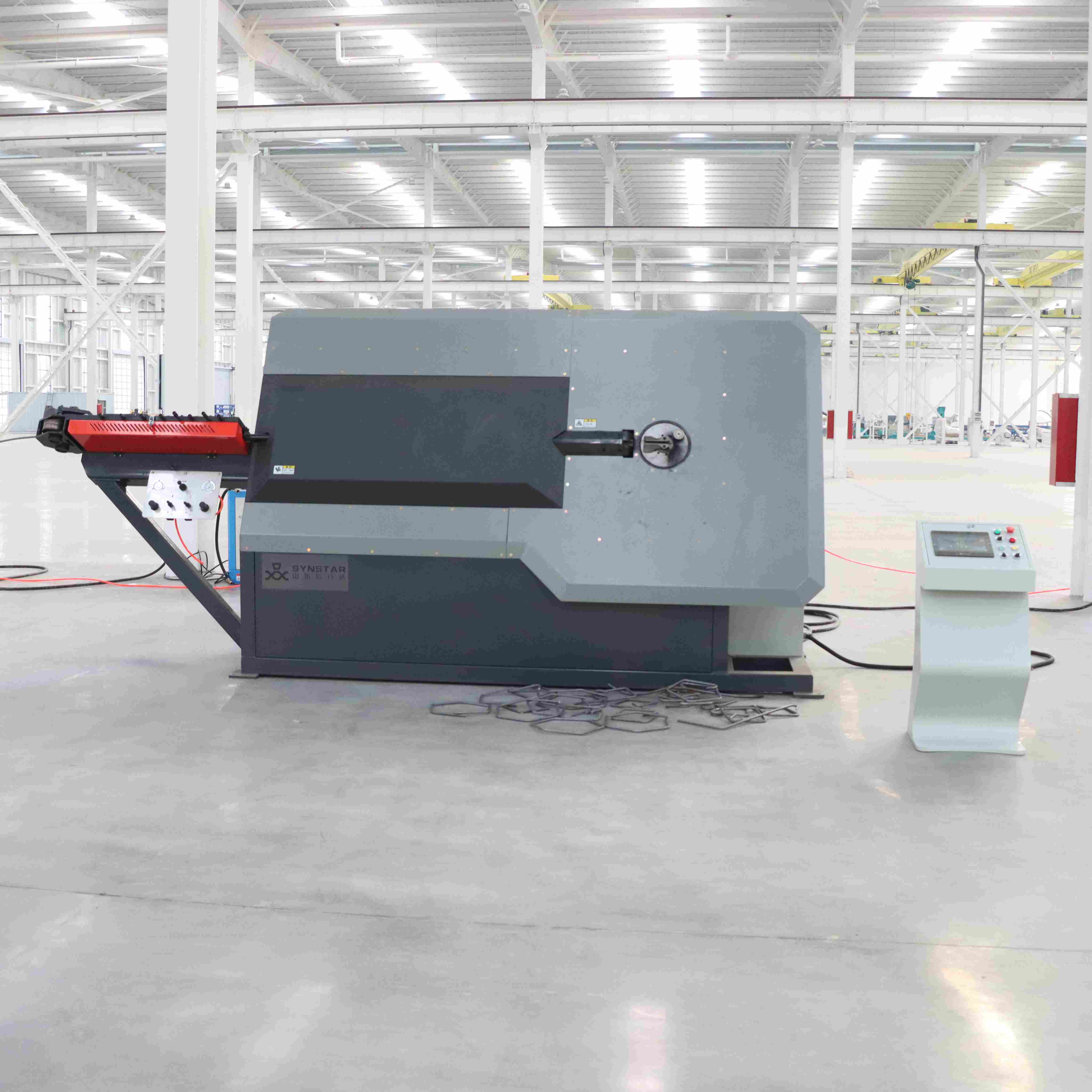
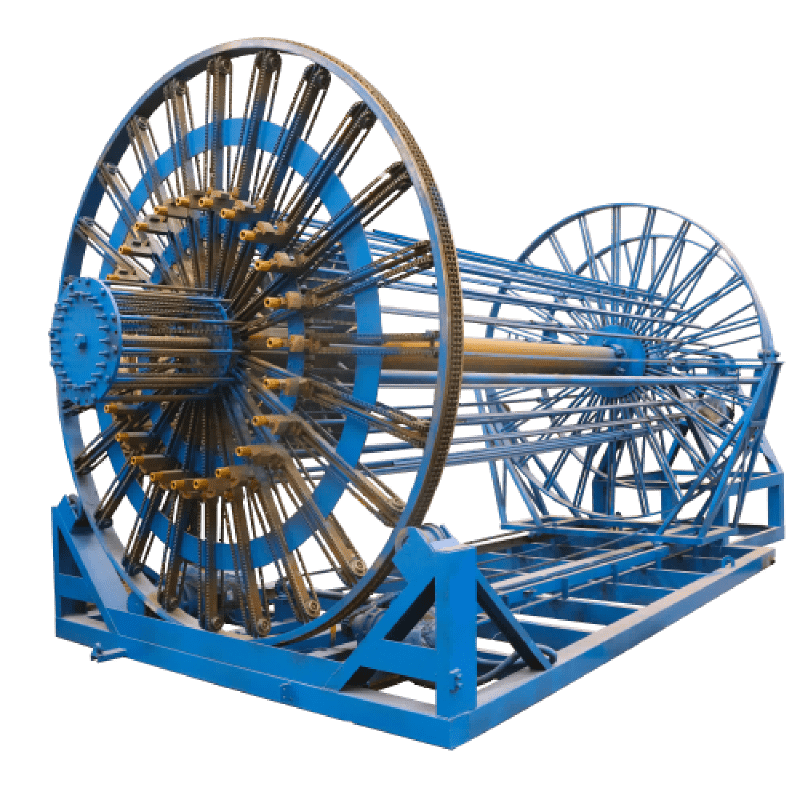
Rebar bending machines, as the name suggests, are machines specifically designed to bend coiled or straight rebar into specific specifications. Their function is highly focused, like a highly skilled "specialist." They mainly produce square, irregular, and other shaped rebar efficiently and precisely through the coordinated actions of feeding, bending, and cutting mechanisms, suitable for scenarios with a fixed market demand for large quantities of standardized rebar. Their advantages lie in their relatively simple structure, convenient operation, and outstanding cost-effectiveness for specific tasks.
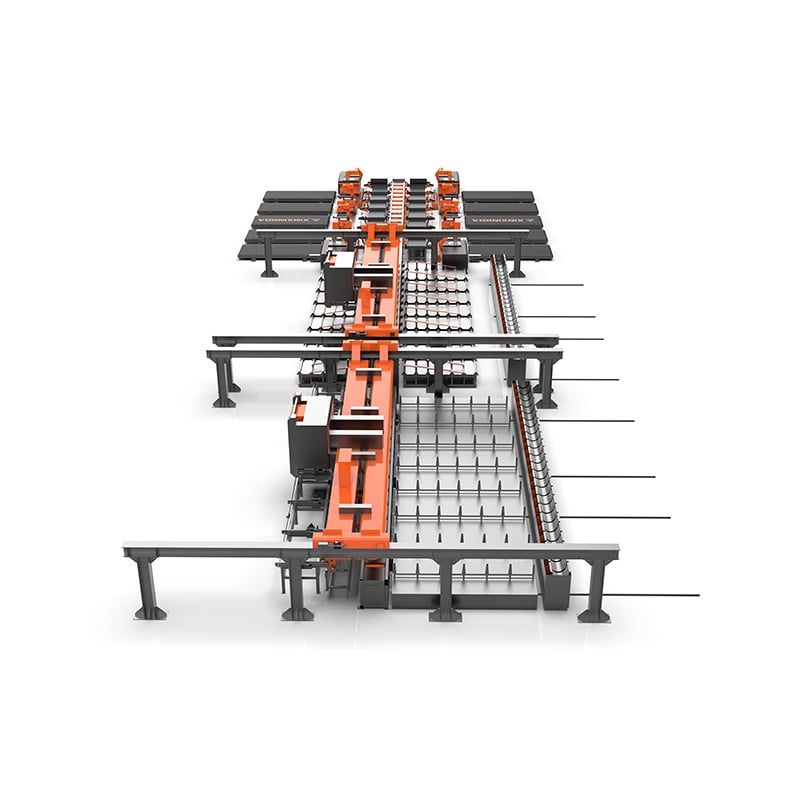
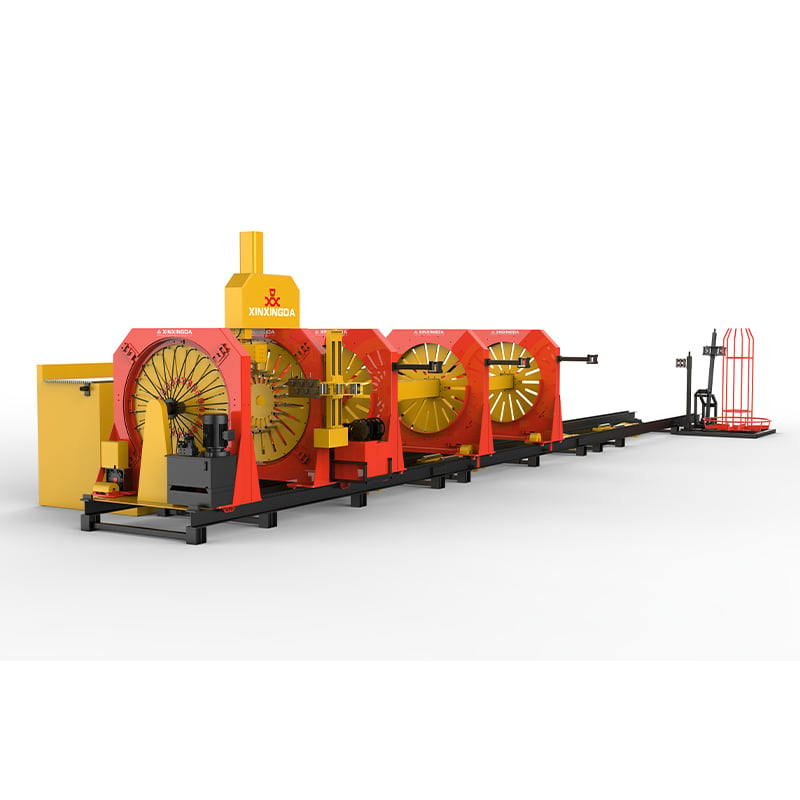
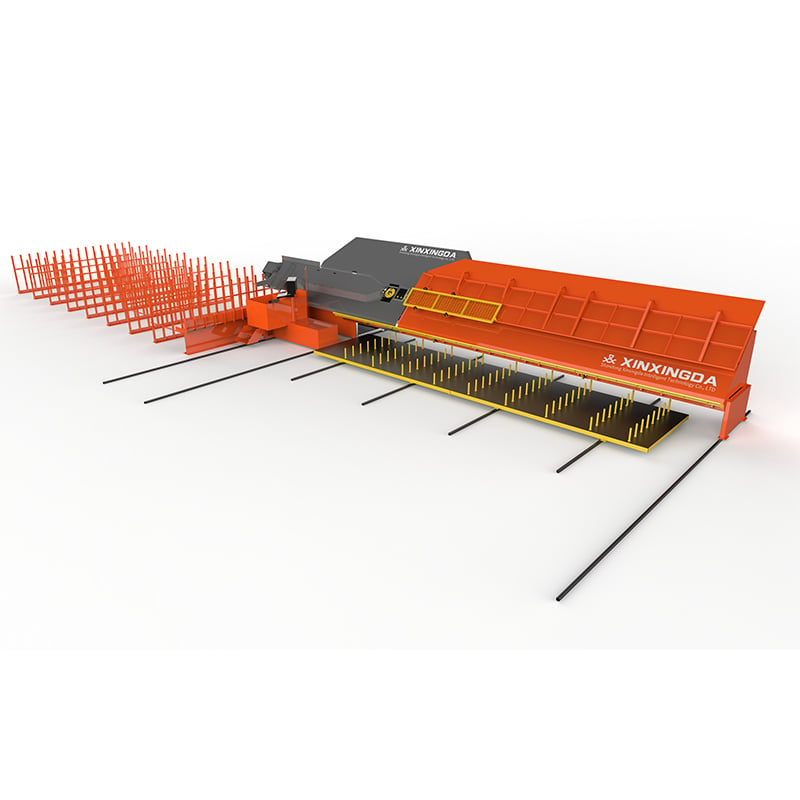
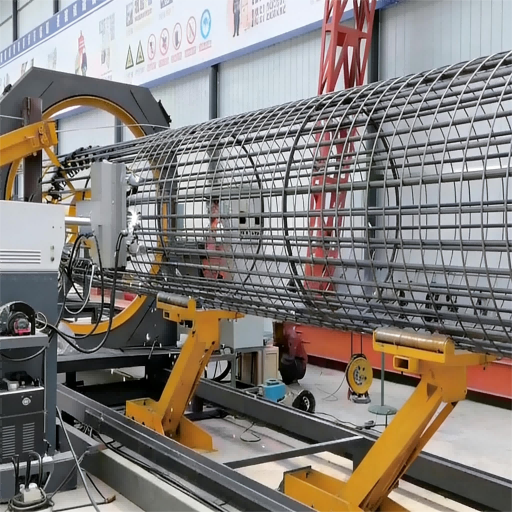
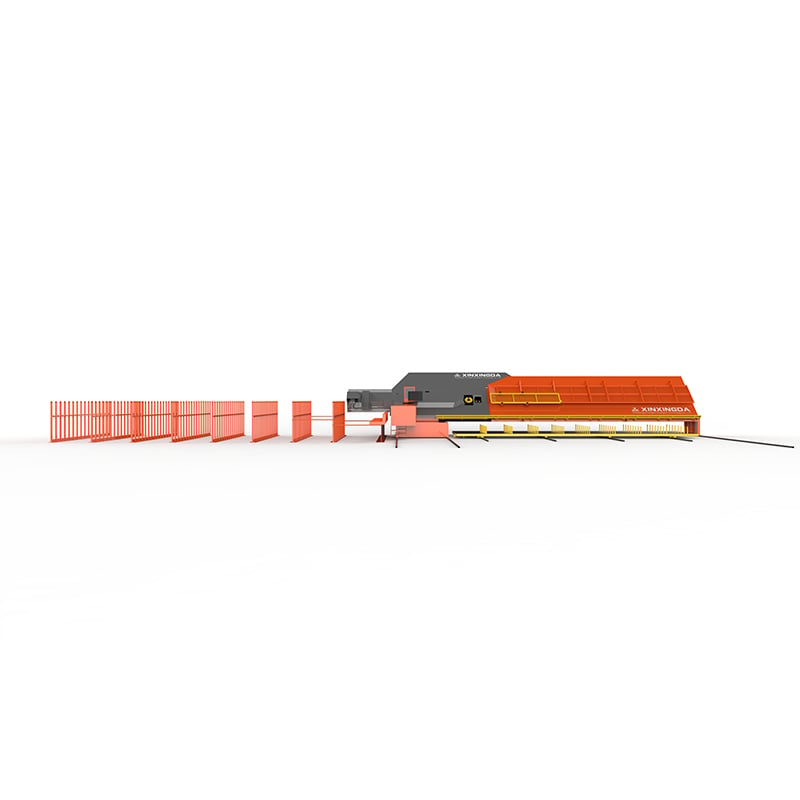
Horizontal bending centers, on the other hand, represent the advanced form of automation and integration in rebar processing machinery, acting as a meticulous "commander." They typically integrate several functions such as rebar straightening, distance cutting, bidirectional bending, and robotic arm transportation. Using a computer numerical control (CNC) system, they perform all stages of processing from raw materials to complex spatial shapes (such as beam and column longitudinal reinforcement, irregular slab reinforcement, and 3D cage components) at a single workstation. Their positioning is no longer a single process, but rather the core of a small-scale flexible production line.
II. Rationality and Application Scenarios
Rebar bending machines: These are the "economical" choice for medium- and large-scale construction projects, rebar processing plants, and companies specializing in standardized precast components. They offer significant cost advantages for specific large-volume tasks and have a quick return on investment. Horizontal bending centers are ideal for large and medium-sized infrastructure projects (such as high-speed trains and nuclear power plants), systematic prefabricated component processing plants (PC prefabricated components, tunnel segments), and large steel structure companies that prioritize efficiency and precision. They primarily achieve this by reducing labor costs, minimizing defect rates, improving overall cycle time, and handling complex orders, demonstrating superior life-cycle cost advantages in the international market and in the production of high-value-added products.
 Hot News
2026-05-27
2026-05-18
2026-05-12
2026-05-08
2026-05-01
2026-04-27
Copyright © 2026 Shandong synstar Intelligent Technology Co., Ltd. All rights reserved. - Privacy Policy
 EN
EN