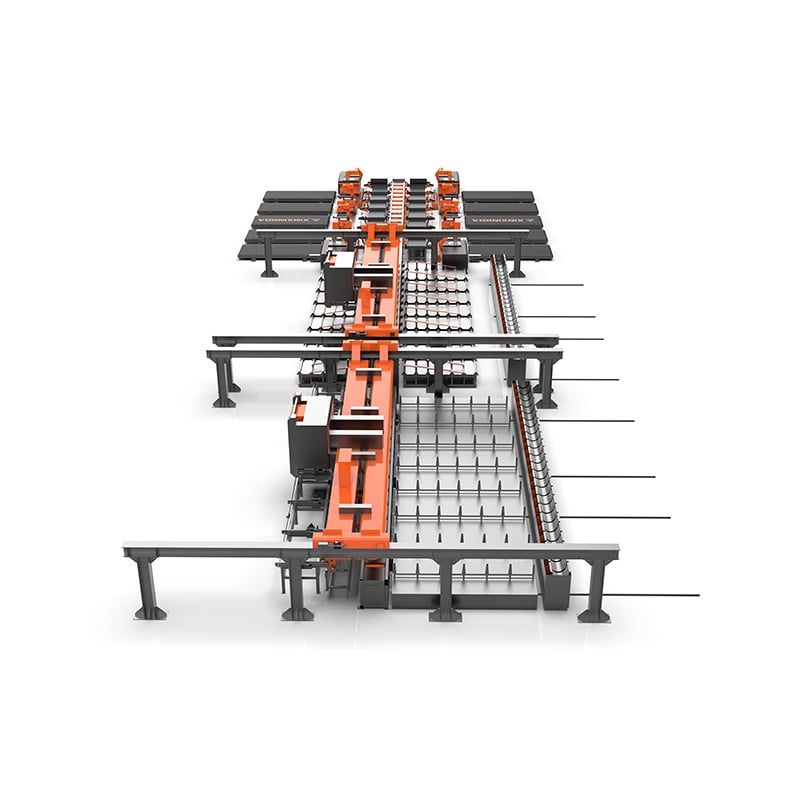
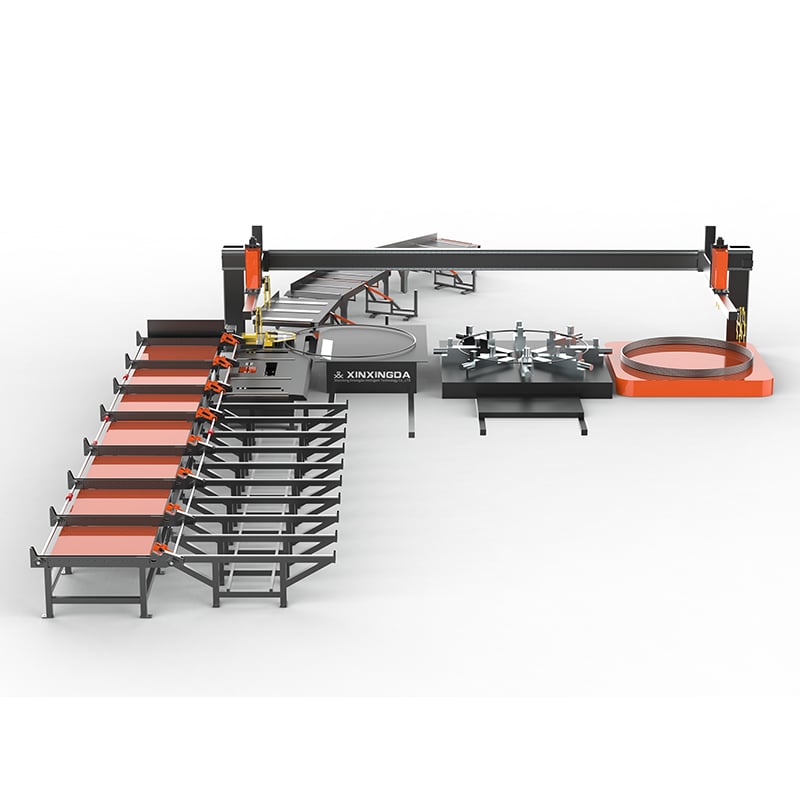
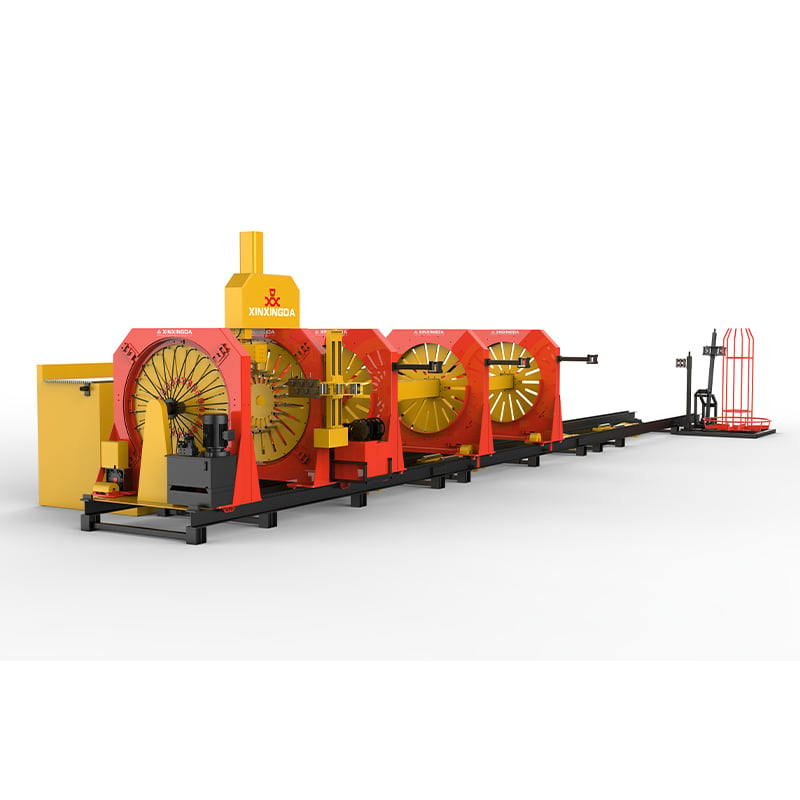
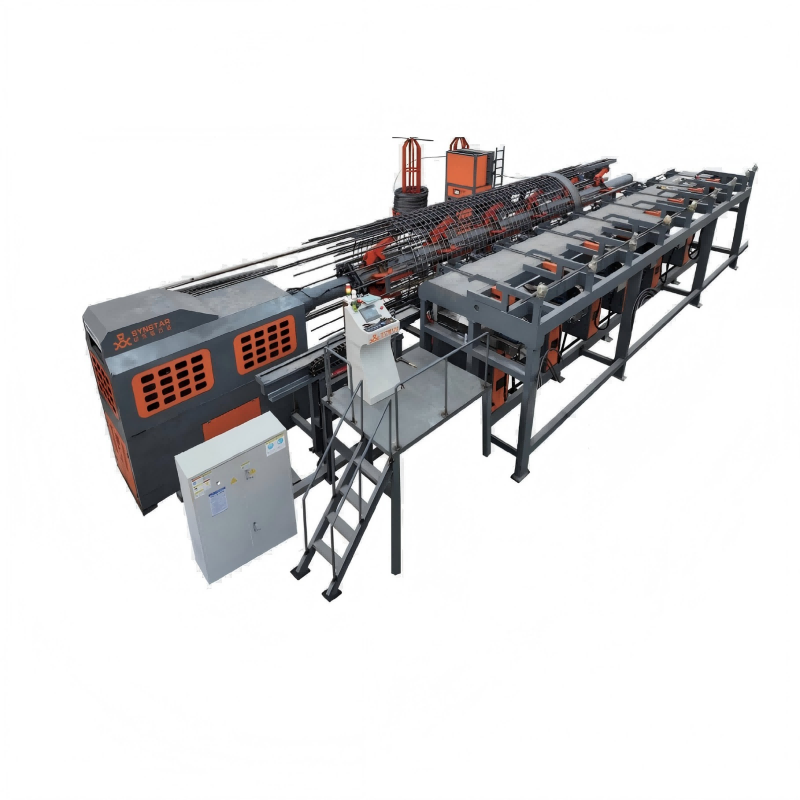
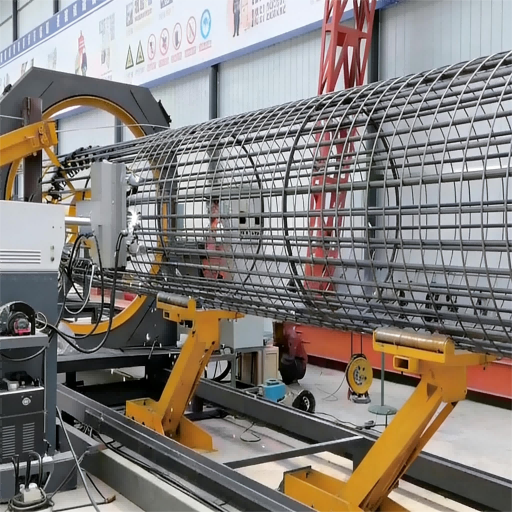
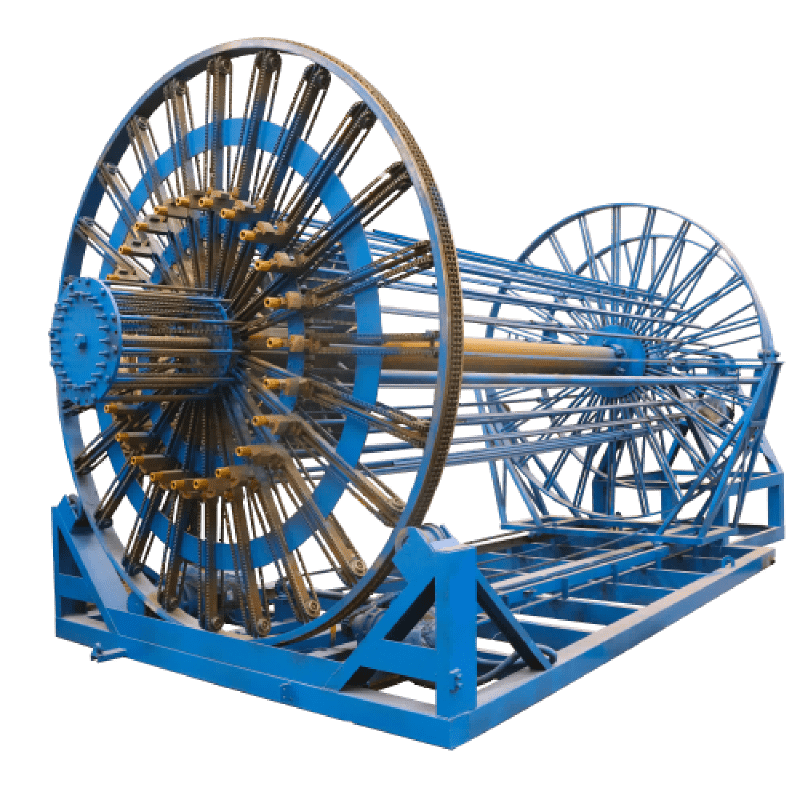
As dawn breaks and the first rays of sunlight haven't yet fully dispelled the night's darkness, the traditional rebar construction area is already a scene of intense effort and time-consuming work. Workers crouch amidst a dense network of rebar, wielding tying hooks, repeatedly performing thousands, even tens of thousands, of motions: bending down, aligning the ends, wrapping, and twisting. Sweat soaks their backs, calluses form on their fingertips, all in pursuit of creating a superior product—the rebar cage framework. This is a scene repeated for decades across thousands of construction sites, the most direct and primitive interaction between human labor and steel. However, behind this seemingly indomitable traditional method lie bottlenecks in efficiency, variations in quality, soaring costs, and persistent safety issues.
Choosing a rebar cage welding machine is not simply a matter of purchasing equipment. It represents a rejection of outdated production processes, an objective pursuit of the collaborative goals of "speed, quality, safety, and economic efficiency," and a crucial step in the construction industry's transition from "labor-intensive" to "technology-driven." When the rhythm of machines replaces the labored breathing of human workers, and precise data defines product requirements, what we build is no longer limited to cold concrete structures, but rather a stepping stone for industry growth and a more solid commitment to the future of construction.
Therefore, when someone asks, "Why did you choose a rebar cage welding machine?", the answer is: we chose a more reliable precision, a controllable efficiency, and a deeper respect for project value and personalized service. This is the answer that modern builders are giving to the times.
 Hot News
2026-05-27
2026-05-18
2026-05-12
2026-05-08
2026-05-01
2026-04-27
Copyright © 2026 Shandong synstar Intelligent Technology Co., Ltd. All rights reserved. - Privacy Policy
 EN
EN