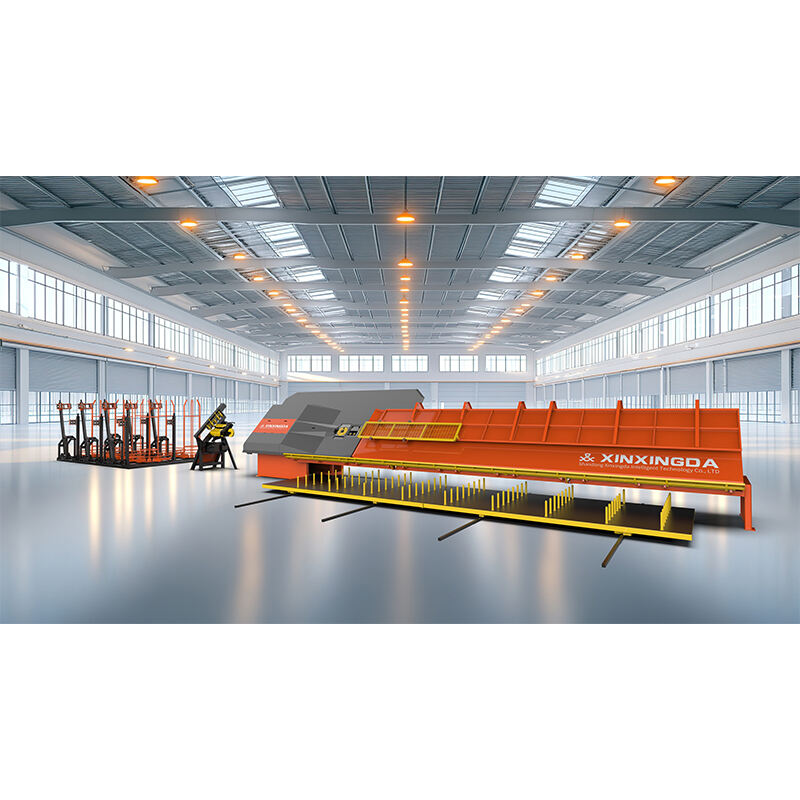
advanced steel cage roll welding machine
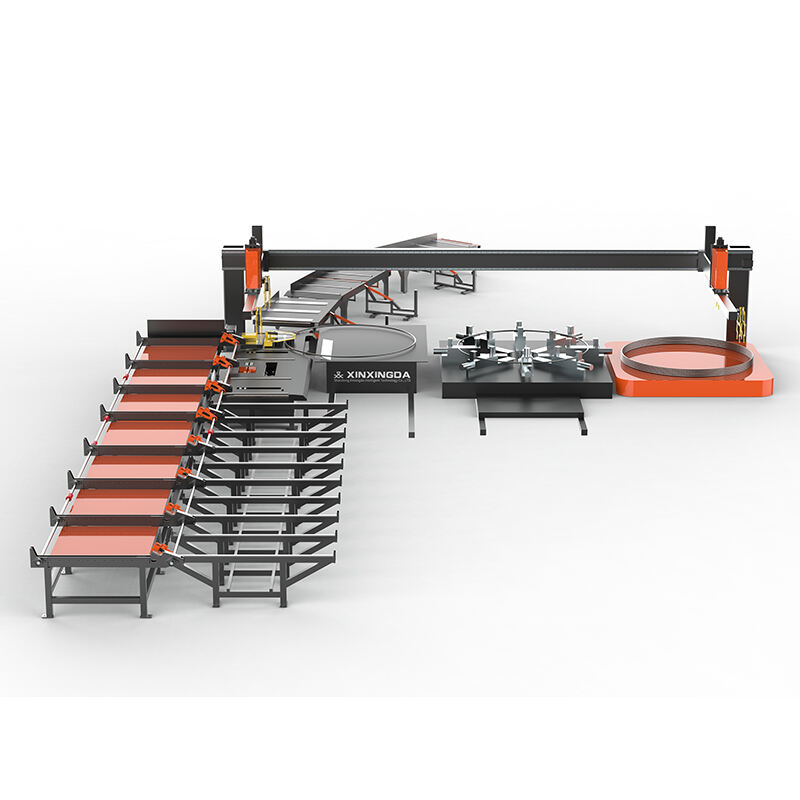
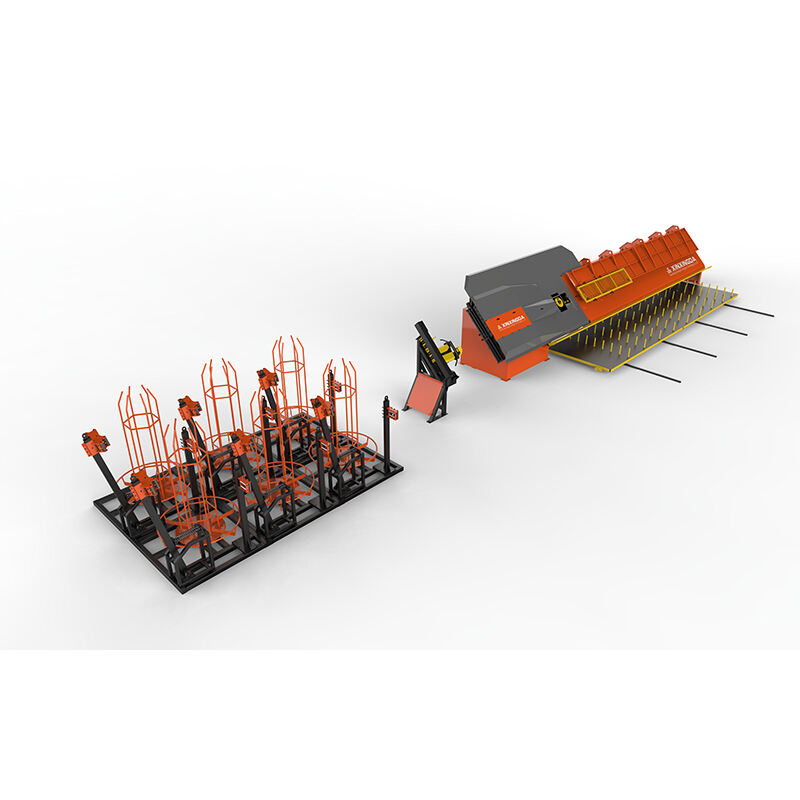
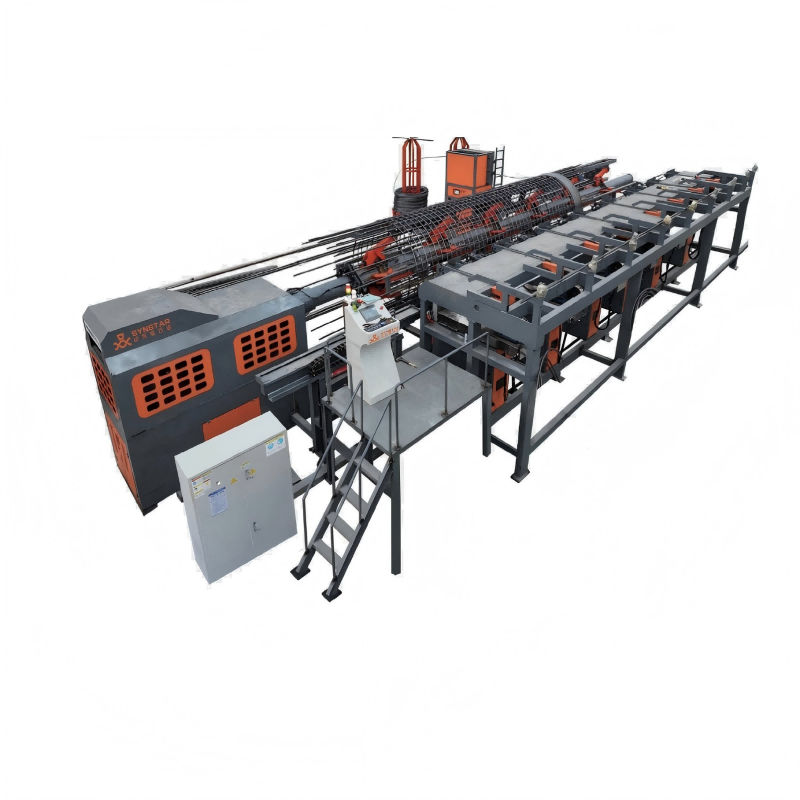
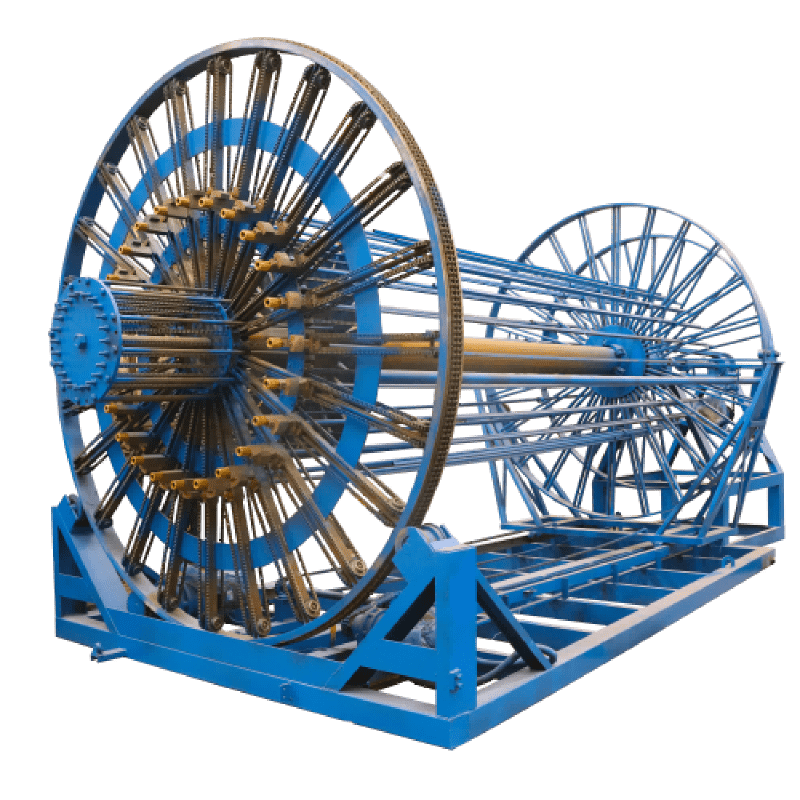
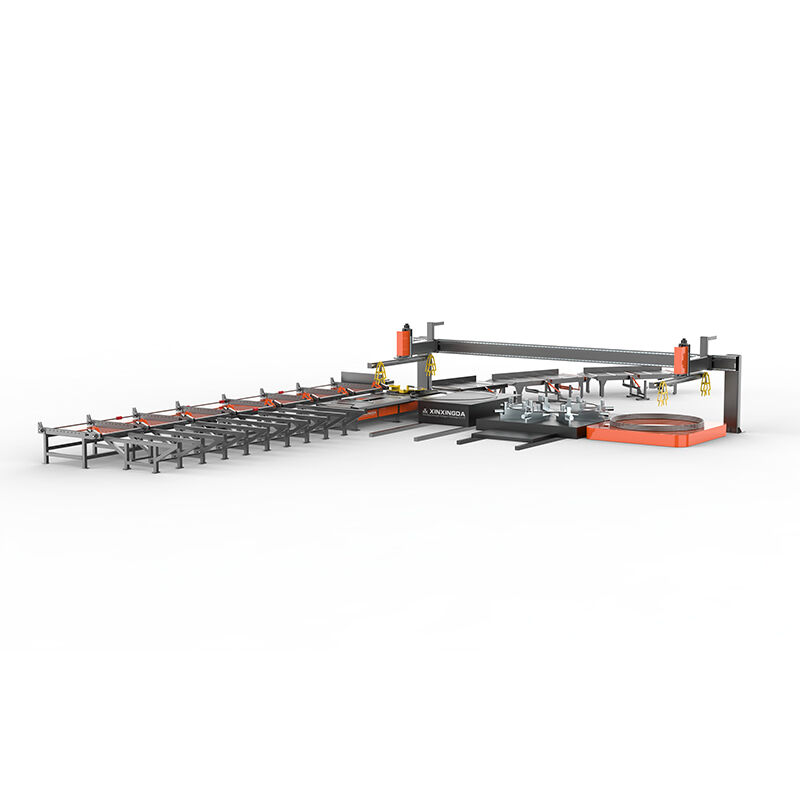
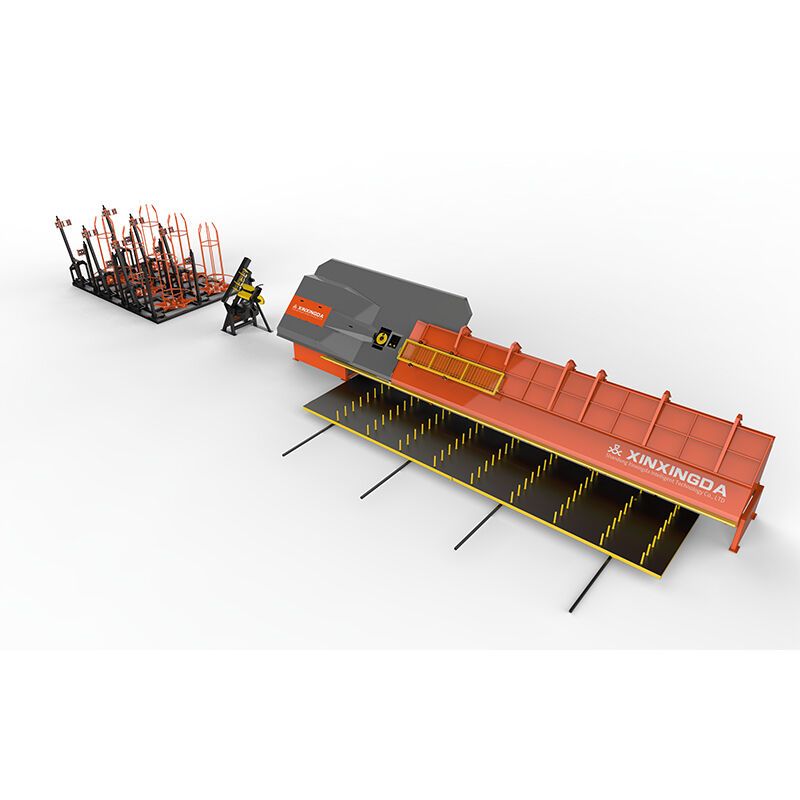
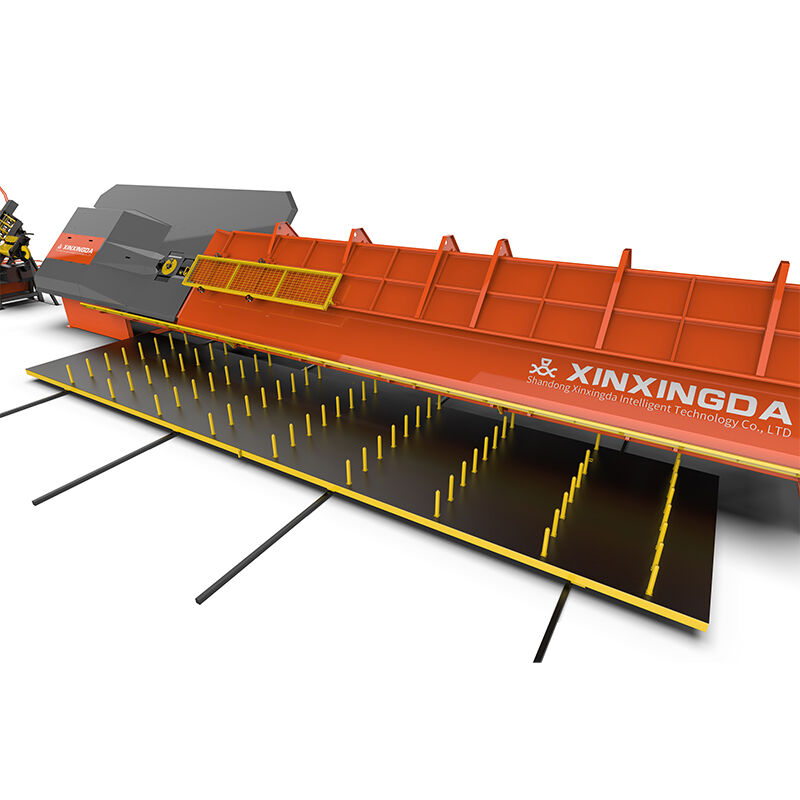
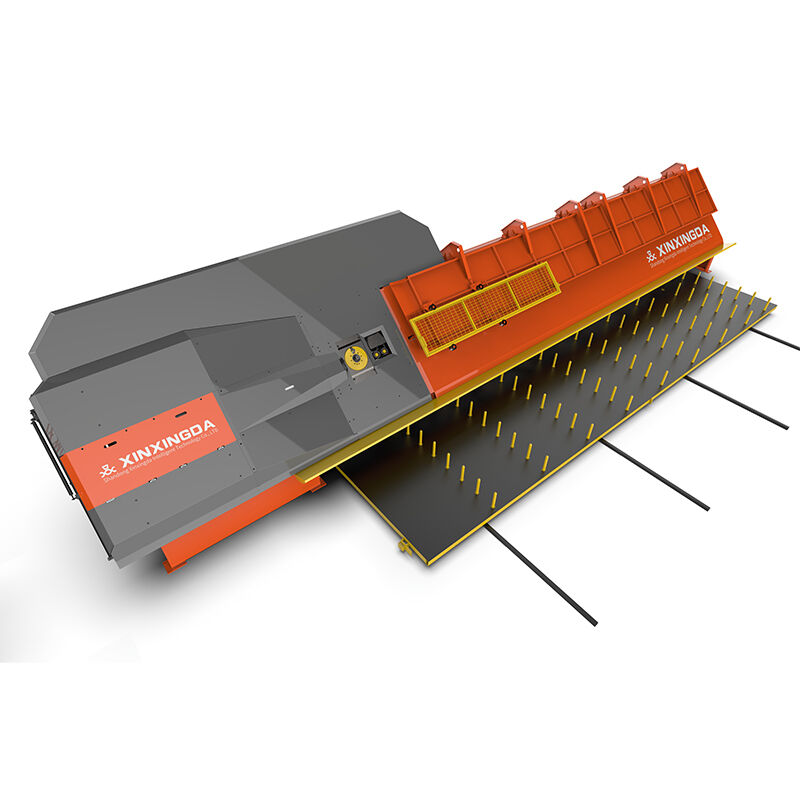
The advanced steel cage roll welding machine represents a revolutionary advancement in construction reinforcement manufacturing technology. This sophisticated equipment automates the production of steel reinforcement cages used in concrete structures, bridges, tunnels, and various infrastructure projects. The machine operates through a continuous roll welding process that creates uniform, high-quality steel cages with exceptional precision and speed. Its primary function centers on welding longitudinal and transverse steel bars into cylindrical cage structures that serve as the backbone of reinforced concrete elements. The technological foundation of the advanced steel cage roll welding machine incorporates state-of-the-art welding systems, computerized control mechanisms, and precision feeding apparatus. The equipment utilizes advanced resistance welding technology that ensures consistent weld quality across all connection points. Its automated feeding system manages multiple steel wire diameters simultaneously, ranging from 4mm to 12mm, accommodating diverse project specifications. The machine features programmable logic controllers that enable operators to customize cage dimensions, wire spacing, and welding parameters according to specific engineering requirements. Temperature monitoring systems maintain optimal welding conditions throughout operation, while integrated quality control sensors verify weld integrity in real-time. Applications for this equipment span across residential construction, commercial building projects, infrastructure development, and specialized engineering applications. Construction companies utilize these machines for producing reinforcement cages for columns, piles, precast elements, and foundation structures. The versatility of the advanced steel cage roll welding machine makes it indispensable for projects requiring standardized reinforcement components with consistent quality. Its capability to handle various steel grades and diameters ensures compatibility with international construction standards and local building codes, making it suitable for global deployment across different markets and construction methodologies.

 EN
EN