All Categories

Get a Free Quote

Our representative will contact you soon.
Email
Name
Company Name
Mobile / WhatsApp
Message
0/1000
bar deep processing center types-1

Home > 

bar deep processing center types

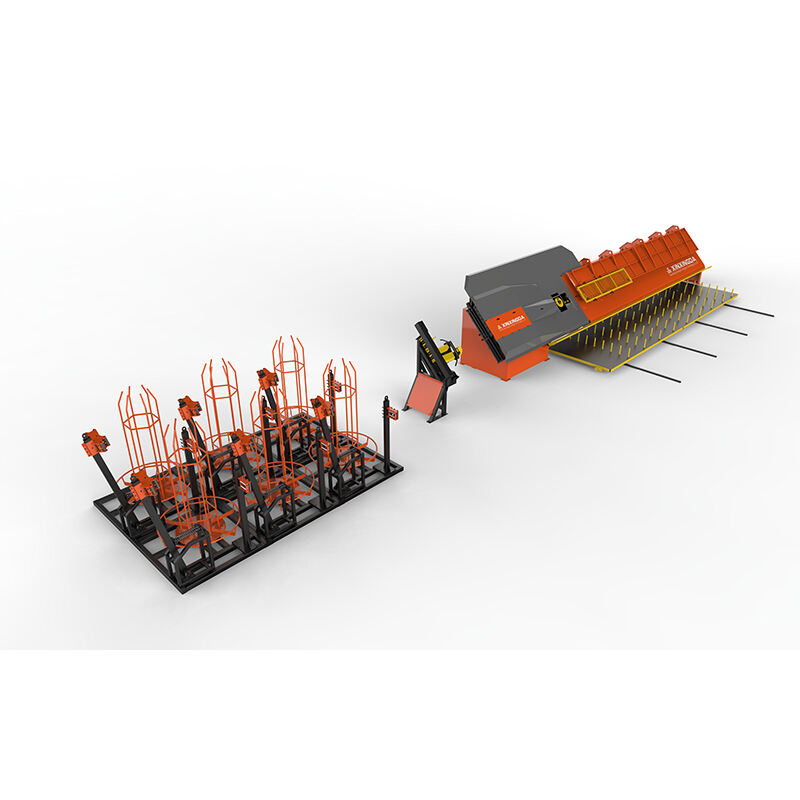
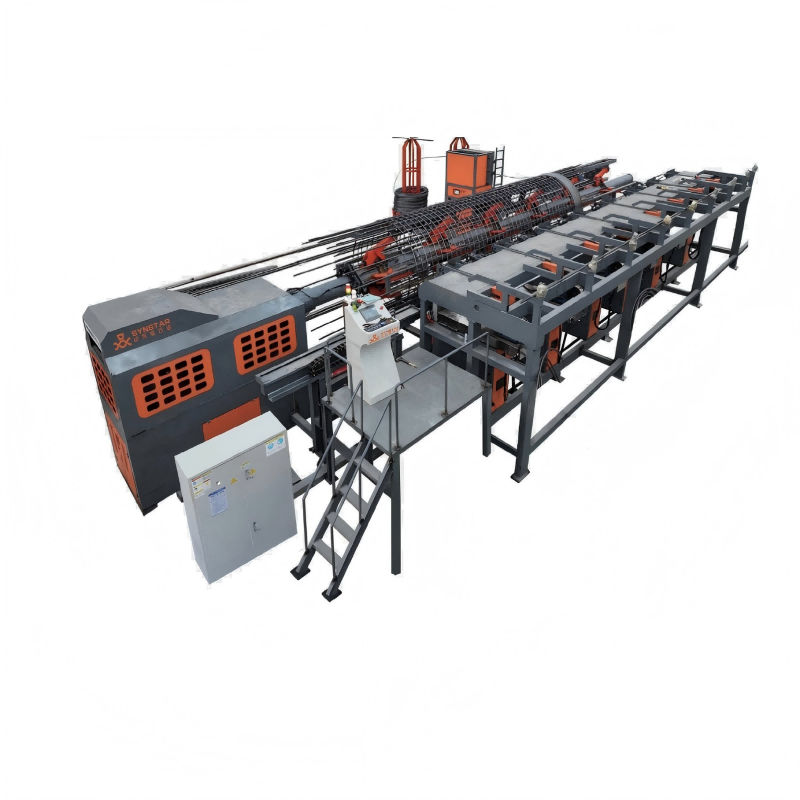
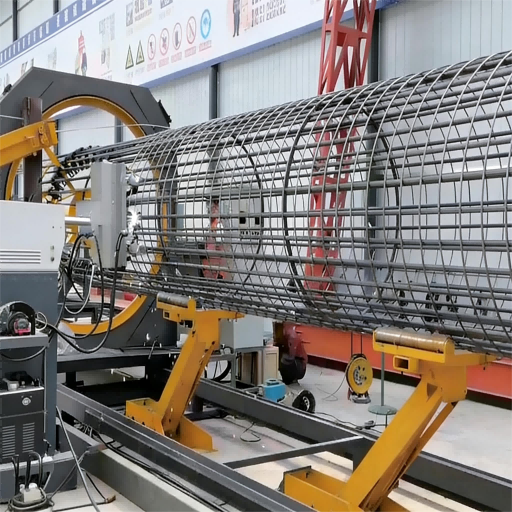
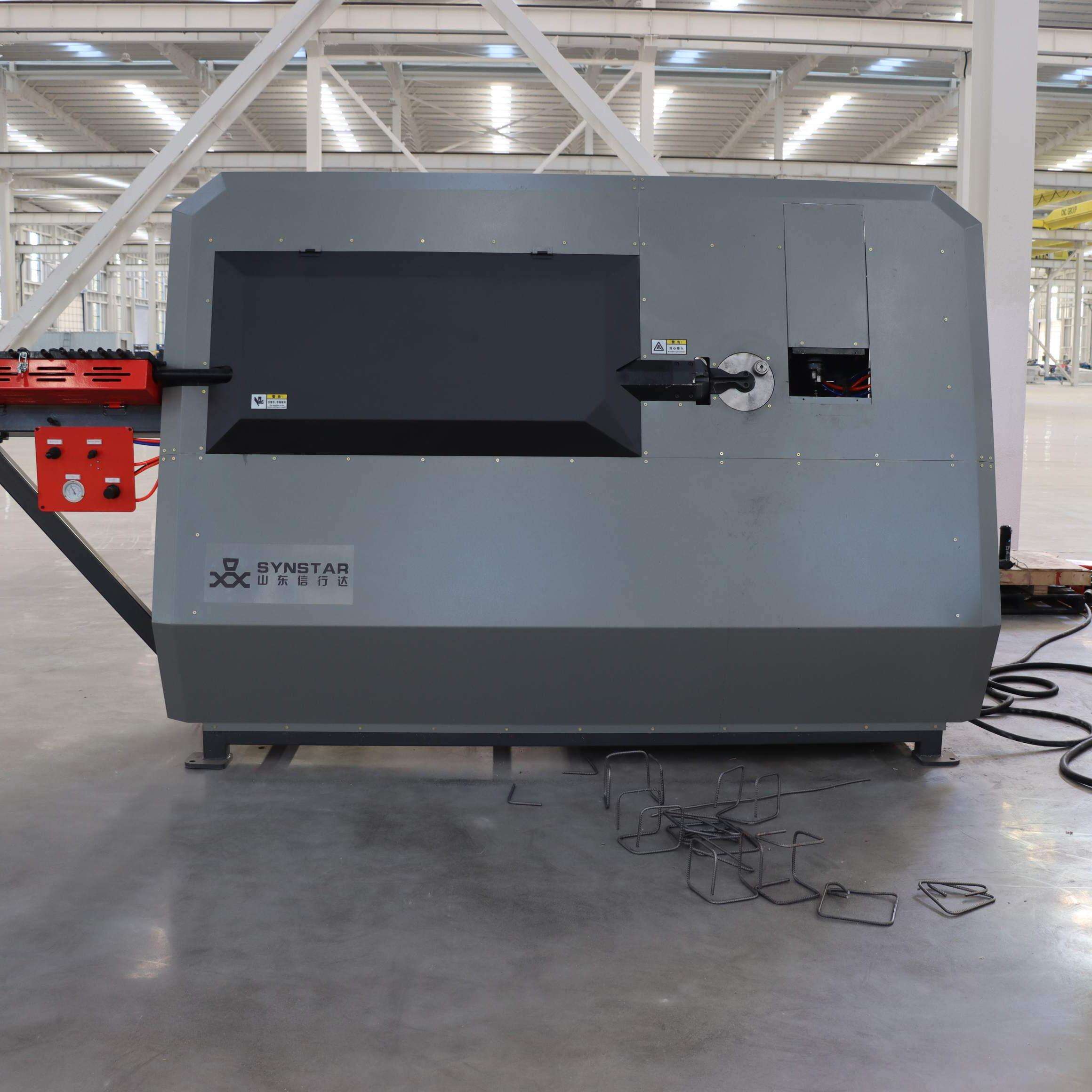
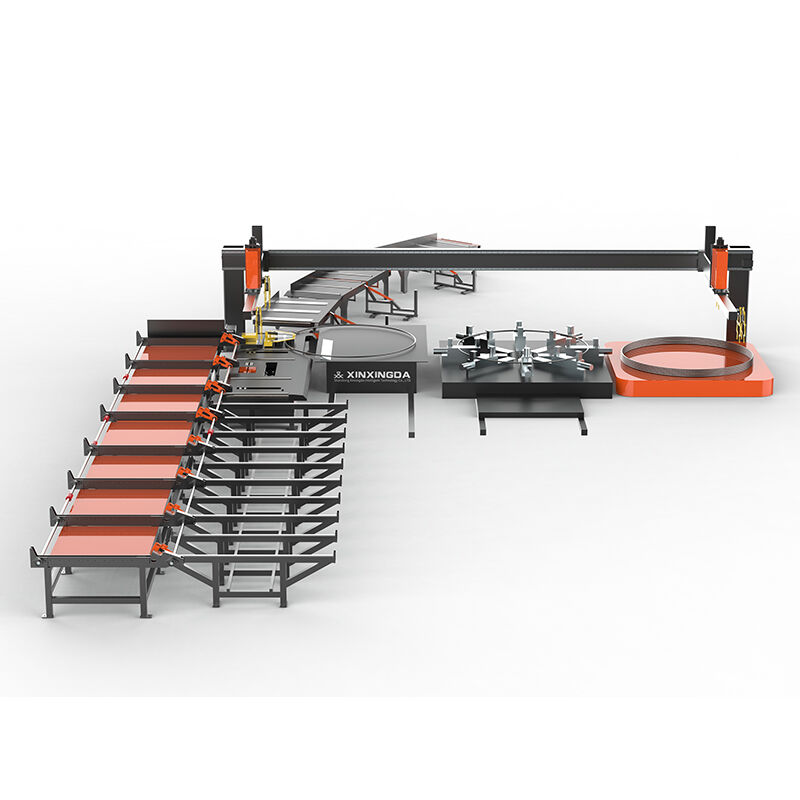
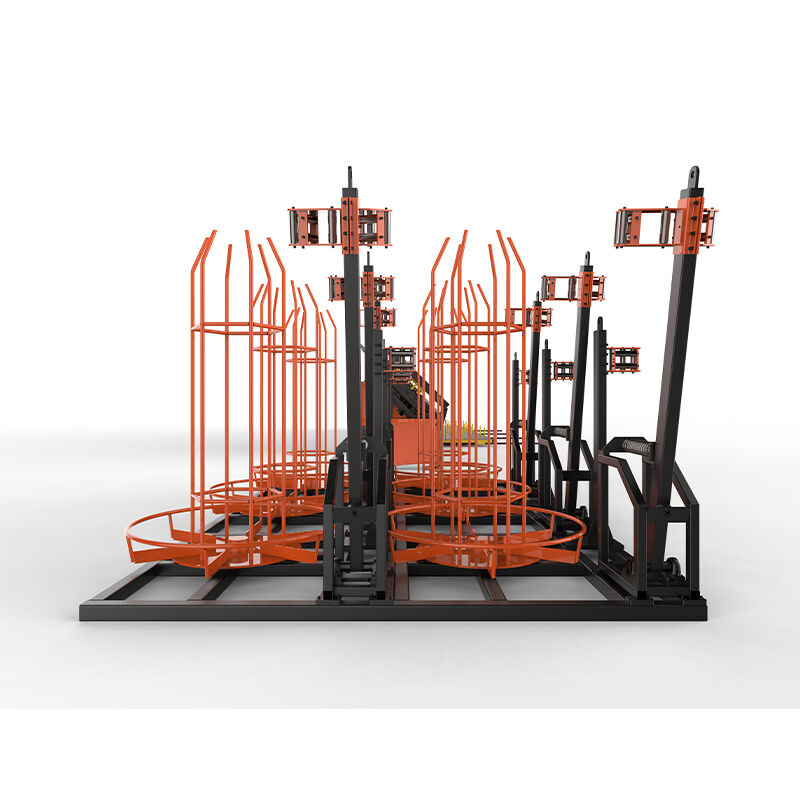
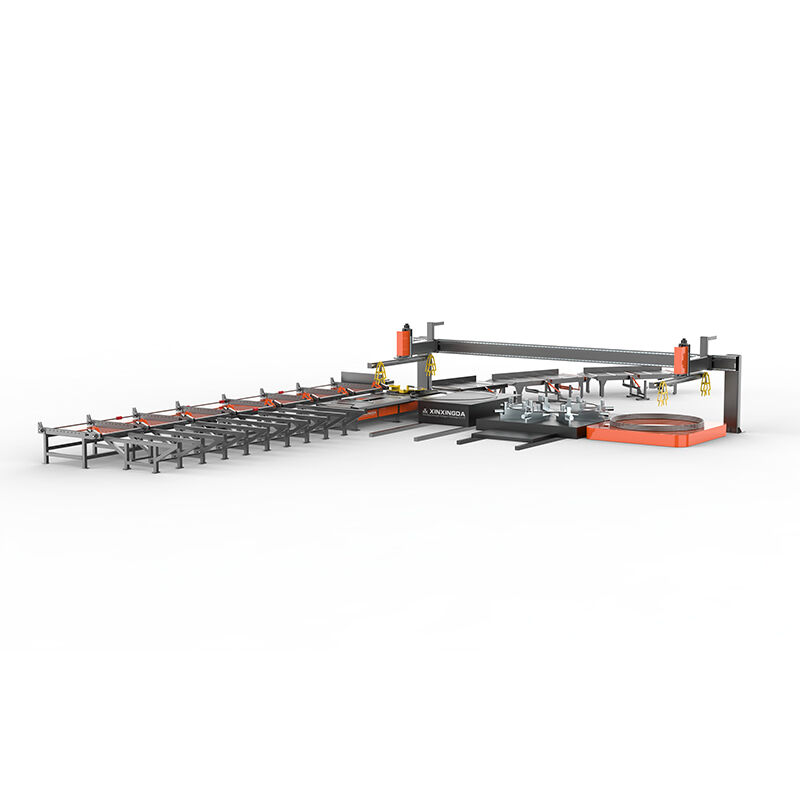
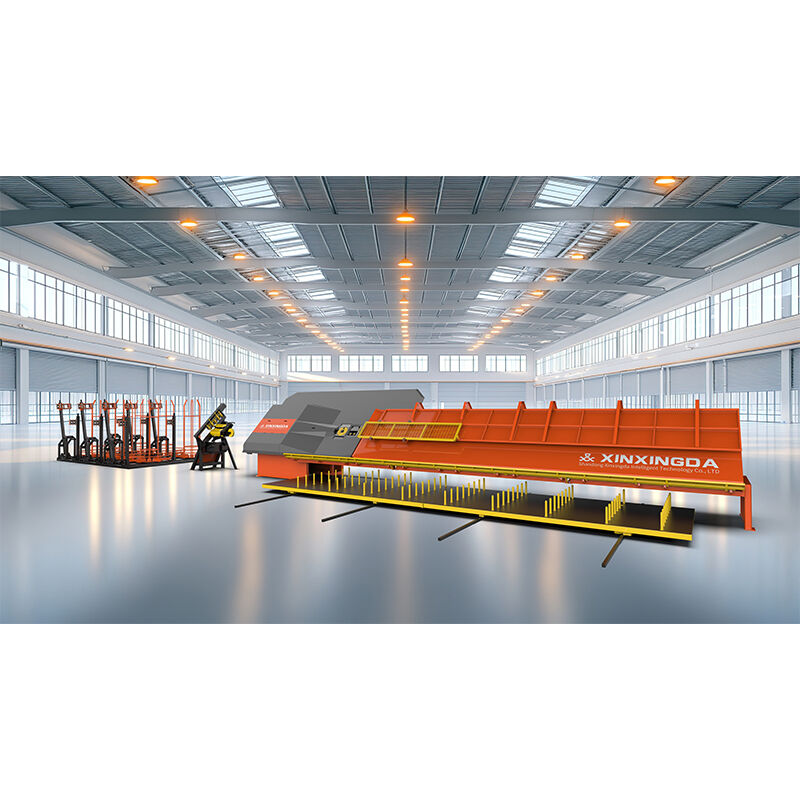
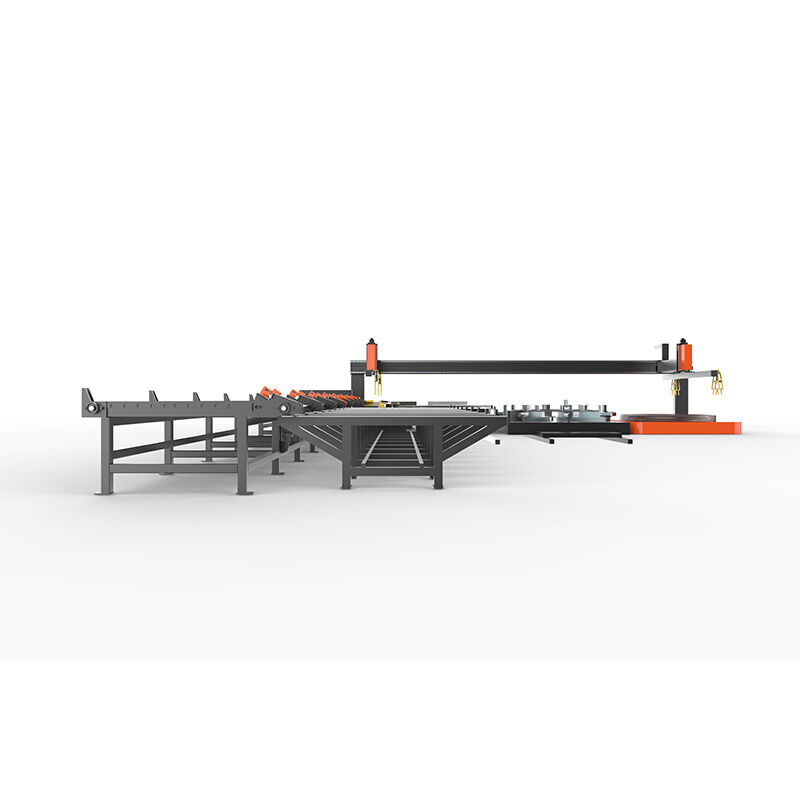
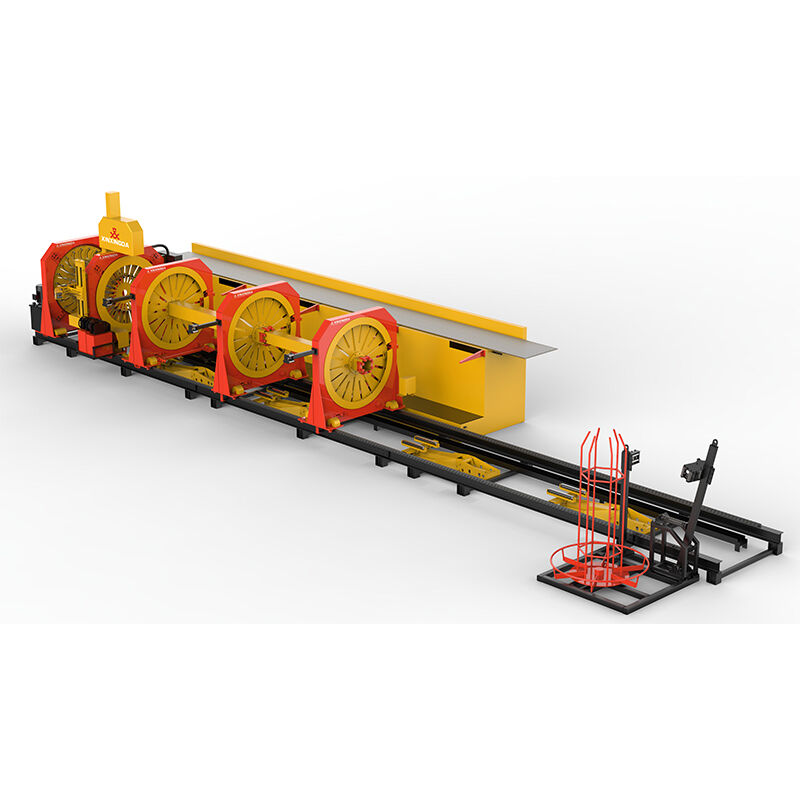
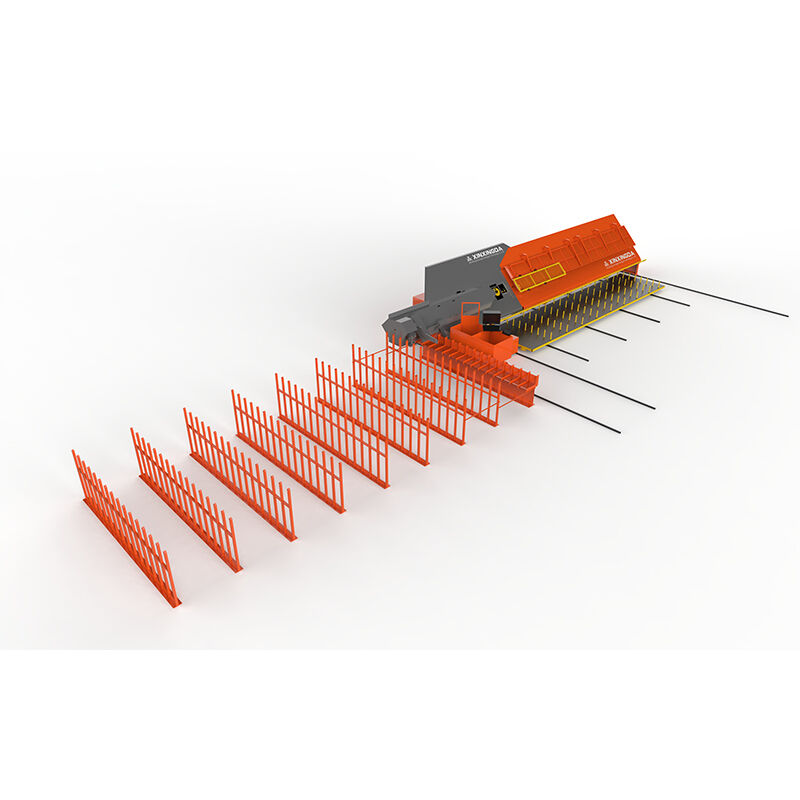
Bar deep processing center types represent sophisticated manufacturing solutions designed to handle comprehensive metalworking operations for cylindrical and rod-shaped materials. These advanced machining systems integrate multiple cutting, turning, drilling, and finishing processes within a single automated platform. Modern bar deep processing center types incorporate state-of-the-art CNC technology, enabling precise control over complex geometries and tight tolerances required in today's demanding manufacturing environments. The primary functions of these systems include automated bar feeding, multi-axis turning operations, live tooling capabilities, and integrated quality control measures. Bar deep processing center types utilize advanced spindle configurations that accommodate various bar diameters and lengths, while sophisticated tool changers enable seamless transitions between different machining operations. The technological features of these systems encompass high-speed spindles capable of achieving optimal surface finishes, programmable tailstock support for enhanced rigidity, and intelligent chip management systems that maintain clean working environments. Contemporary bar deep processing center types incorporate real-time monitoring systems that track tool wear, dimensional accuracy, and production metrics to ensure consistent output quality. These machines excel in applications across automotive component manufacturing, aerospace precision parts production, medical device fabrication, and general industrial component creation. The versatility of bar deep processing center types allows manufacturers to produce complex geometries including threaded components, grooved shafts, stepped diameters, and intricate surface patterns in a single setup. Advanced workholding systems within these machines ensure secure gripping of materials while minimizing deformation risks. The integration of CAD/CAM software packages enables seamless programming and simulation capabilities, reducing setup times and minimizing production errors. Bar deep processing center types demonstrate exceptional capability in handling various materials including steel alloys, aluminum, brass, titanium, and exotic metals commonly used in specialized applications.


Popular Products

Bar deep processing center types deliver substantial productivity improvements that directly translate into enhanced profitability for manufacturing operations. These systems eliminate the need for multiple machine setups by combining various operations within a single platform, significantly reducing labor costs and production time. Manufacturers experience dramatic reductions in handling requirements since parts remain securely positioned throughout the entire machining cycle, eliminating potential positioning errors and improving dimensional consistency. The automated nature of bar deep processing center types enables continuous operation with minimal operator intervention, allowing skilled technicians to focus on higher-value activities while machines operate efficiently during extended shifts. Quality control becomes inherently superior with these systems because parts undergo all necessary operations without repositioning, eliminating cumulative tolerancing errors that typically occur in traditional multi-machine processes. Bar deep processing center types provide exceptional material utilization efficiency through optimized cutting strategies and minimal waste generation, directly contributing to reduced raw material costs. The precision capabilities of these machines enable manufacturers to achieve tighter tolerances consistently, reducing scrap rates and rework requirements that plague conventional machining approaches. Flexibility represents another significant advantage as bar deep processing center types accommodate rapid changeovers between different part configurations, enabling cost-effective small-batch production and custom manufacturing capabilities. Energy efficiency improvements occur through optimized cutting parameters and intelligent power management systems that reduce operational costs while supporting environmental sustainability goals. The integrated nature of bar deep processing center types simplifies maintenance requirements by consolidating service needs into a single system rather than managing multiple individual machines. Training requirements become streamlined since operators develop expertise on comprehensive systems rather than learning multiple different machine interfaces and procedures. Production scheduling becomes more predictable and manageable because bar deep processing center types provide reliable cycle times and consistent output quality. These systems support lean manufacturing principles by reducing work-in-process inventory, minimizing floor space requirements, and eliminating transportation time between different machining stations. Quality documentation and traceability improve significantly through integrated monitoring systems that automatically record process parameters and dimensional measurements throughout production cycles.

Tips And Tricks

How to Maintain a Circle and Arc Bending Machine for Consistent Output

04

Jan

How to Maintain a Circle and Arc Bending Machine for Consistent Output

Modern manufacturing facilities rely heavily on specialized equipment to achieve precision forming operations, and the circle and arc bending machine stands as a cornerstone tool for creating consistent curved profiles in metal fabrication. These sop...
View More
What Advantages Does a Rebar Stirrup Bender Offer in Project Sites

28

Feb

What Advantages Does a Rebar Stirrup Bender Offer in Project Sites

Construction projects across the globe rely heavily on reinforced concrete structures that require precise and efficient steel reinforcement preparation. The rebar stirrup bender has emerged as an essential piece of equipment that transforms how cons...
View More
How to Select a CNC Steel Bar Bending Machine for Construction Projects

30

Mar

How to Select a CNC Steel Bar Bending Machine for Construction Projects

Selecting the right CNC steel bar bending machine for construction projects requires careful evaluation of multiple technical and operational factors. The decision directly impacts project efficiency, structural integrity, and long-term cost-effectiv...
View More
What Applications Benefit Most from CNC Steel Bar Bending Machine

30

Mar

What Applications Benefit Most from CNC Steel Bar Bending Machine

Understanding which applications benefit most from CNC steel bar bending machine technology is crucial for construction companies and manufacturers seeking to optimize their operations. These automated systems offer precision, speed, and consistency ...
View More

Get a Free Quote

Our representative will contact you soon.
Email
Name
Company Name
Mobile / WhatsApp
Message
0/1000

bar deep processing center types

Advanced Multi-Axis Machining Capabilities

Advanced Multi-Axis Machining Capabilities

Bar deep processing center types feature sophisticated multi-axis machining capabilities that revolutionize how manufacturers approach complex component production. These systems typically incorporate up to twelve axes of simultaneous motion, enabling the creation of intricate geometries that would be impossible or extremely challenging using conventional machining methods. The multi-axis configuration includes primary spindle rotation, secondary spindle operation for complete part transfer, live tooling stations that provide powered cutting tools at various angles, and programmable tool positioning systems that optimize cutting approaches for each specific operation. This comprehensive axis integration allows bar deep processing center types to perform turning, milling, drilling, tapping, and grinding operations without requiring part repositioning or transfer to secondary machines. The technological sophistication extends to interpolated axis movements that create smooth surface finishes on complex contours while maintaining exceptional dimensional accuracy throughout the machining process. Manufacturers benefit from reduced cycle times because multiple operations occur simultaneously rather than sequentially, dramatically improving overall productivity. The precision control systems within bar deep processing center types ensure that each axis operates with micro-level accuracy, enabling the production of components with tolerances measured in thousandths of an inch. Advanced programming capabilities allow operators to optimize tool paths across all axes, minimizing air cutting time and maximizing material removal rates while preserving tool life. The multi-axis functionality proves particularly valuable in aerospace applications where complex internal passages, angled holes, and precisely oriented features must be machined to exacting specifications. Medical device manufacturing also benefits significantly from these capabilities, as intricate surgical instruments and implant components require complex geometries that challenge traditional machining approaches. The flexibility of multi-axis bar deep processing center types enables manufacturers to adapt quickly to design changes and custom requirements without investing in additional specialized equipment or extensive retooling procedures.
Integrated Automation and Smart Manufacturing

Integrated Automation and Smart Manufacturing

Bar deep processing center types incorporate comprehensive automation systems that transform traditional manufacturing approaches into smart, connected production environments. These systems feature automated bar feeding mechanisms that continuously supply raw material without operator intervention, enabling lights-out manufacturing operations that maximize equipment utilization and production output. The integration includes sophisticated part handling systems that automatically transfer completed components from primary spindles to secondary operations, ensuring seamless workflow throughout the entire machining cycle. Advanced robotics integration allows bar deep processing center types to interface with external automation systems, creating fully automated manufacturing cells that require minimal human oversight while maintaining consistent quality standards. The smart manufacturing capabilities encompass real-time data collection systems that monitor machine performance, tool conditions, and production metrics continuously. This data integration enables predictive maintenance strategies that prevent unexpected downtime and optimize maintenance schedules based on actual usage patterns rather than arbitrary time intervals. Bar deep processing center types utilize artificial intelligence algorithms that learn from production data to optimize cutting parameters, tool selection, and process sequences automatically. The connectivity features enable remote monitoring and control capabilities, allowing production managers to oversee operations and make adjustments from any location with internet access. Quality assurance becomes automated through integrated measurement systems that verify dimensional accuracy and surface finish requirements without removing parts from the machine, providing immediate feedback and enabling real-time process corrections. The automation extends to inventory management through integration with enterprise resource planning systems that track material consumption, production schedules, and delivery requirements automatically. Operators benefit from intuitive touchscreen interfaces that provide comprehensive machine status information, production progress updates, and troubleshooting guidance when issues arise. The smart manufacturing integration supports Industry 4.0 initiatives by providing the data transparency and process optimization capabilities that modern manufacturers require to remain competitive in global markets.
Superior Material Versatility and Processing Range

Superior Material Versatility and Processing Range

Bar deep processing center types demonstrate exceptional versatility in handling diverse material types and processing requirements, making them invaluable assets for manufacturers serving multiple industries and applications. These systems accommodate an extensive range of bar stock materials including various steel grades from mild carbon steels to high-strength tool steels, aluminum alloys ranging from soft commercial grades to aerospace-specification materials, brass and bronze alloys used in decorative and functional applications, and exotic materials such as titanium, Inconel, and other superalloys required in demanding environments. The material handling capabilities extend beyond standard round bars to include hexagonal, square, and custom profile shapes that require specialized workholding and machining strategies. Bar deep processing center types feature adaptive cutting parameter systems that automatically adjust spindle speeds, feed rates, and cutting depths based on material properties, ensuring optimal machining conditions regardless of the workpiece material. The processing range encompasses diameter capabilities from small precision components measuring fractions of an inch to large industrial shafts several inches in diameter, providing flexibility to serve diverse market segments within a single manufacturing operation. Temperature-resistant materials benefit from specialized coolant systems and cutting tool selections that maintain dimensional stability throughout the machining process, while work-hardening materials receive optimized cutting strategies that prevent surface damage and tool wear. The versatility extends to surface treatment capabilities, as bar deep processing center types can integrate grinding, polishing, and coating preparation operations that eliminate secondary processing requirements. Manufacturers appreciate the ability to process both prototype quantities and high-volume production runs using the same equipment configuration, reducing capital investment requirements while maintaining operational flexibility. The material versatility proves particularly valuable in contract manufacturing environments where processors must accommodate diverse customer requirements and material specifications without maintaining extensive equipment inventories. Quality control systems adapt automatically to different material characteristics, ensuring consistent results regardless of the specific alloy or grade being processed, while integrated inspection capabilities verify material properties and dimensional compliance throughout production cycles.

Get a Free Quote

Our representative will contact you soon.
Email
Name
Company Name
Mobile / WhatsApp
Message
0/1000