Multi-Material Processing Versatility
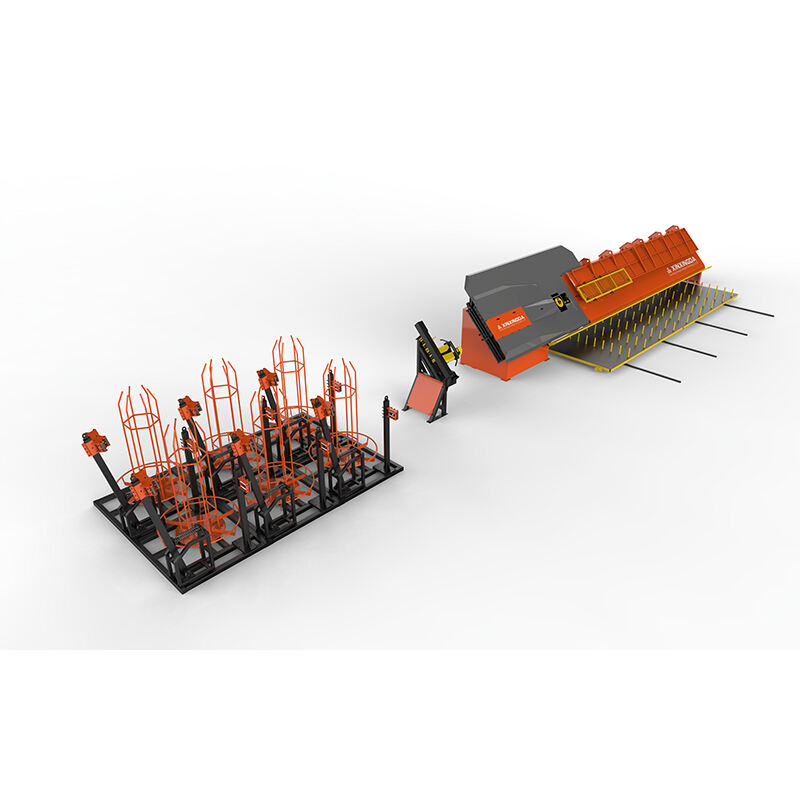
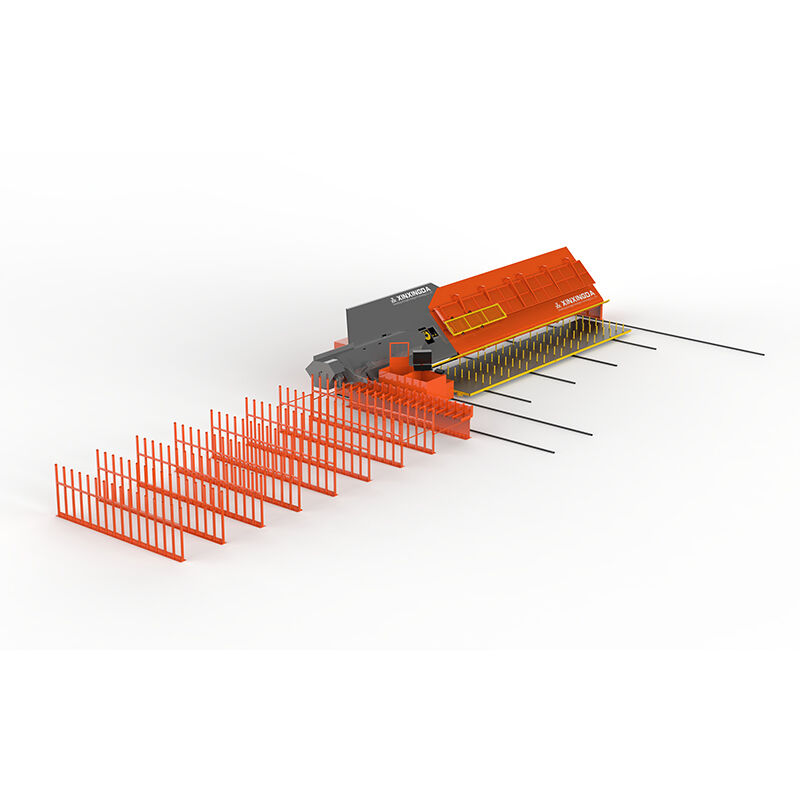
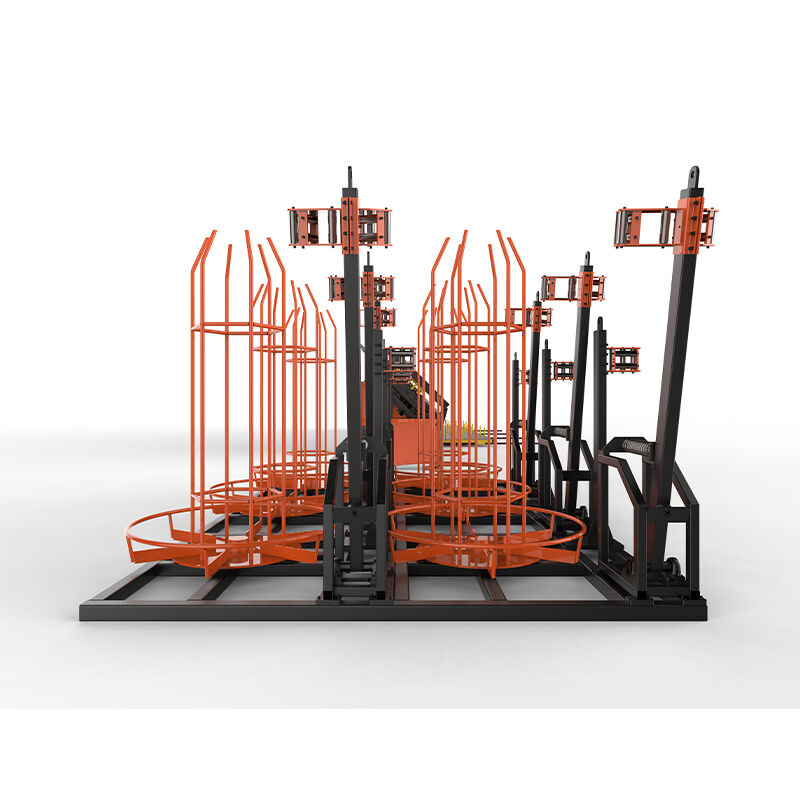
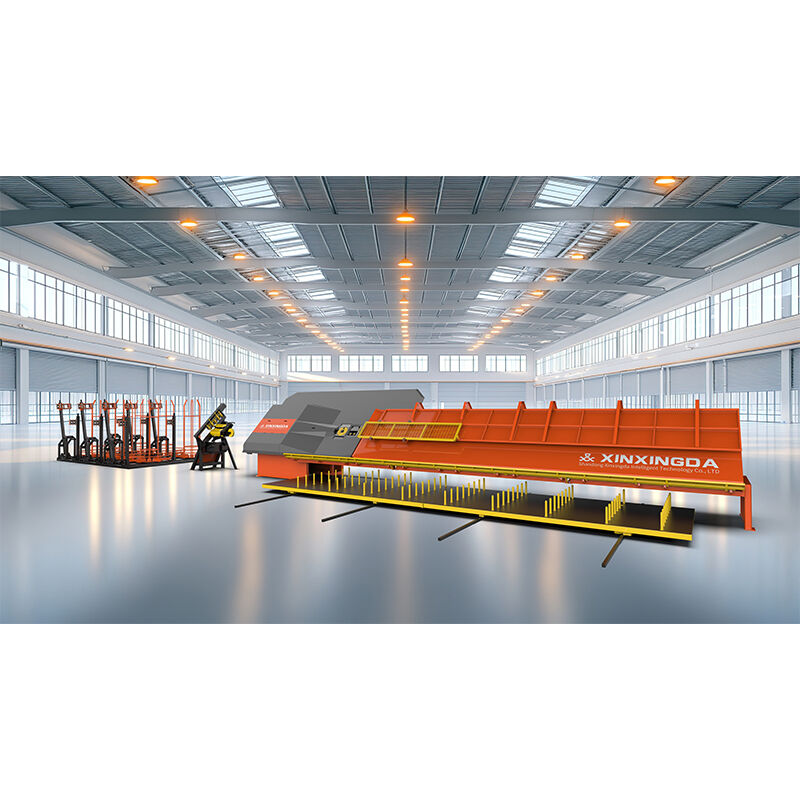
The exceptional multi-material processing versatility of bar processing equipment enables manufacturers to handle an extensive range of materials with superior results, eliminating the need for multiple specialized machines and reducing capital equipment investments. This versatility stems from sophisticated material handling systems and adaptive processing parameters that automatically adjust to accommodate different material properties including hardness, density, thermal characteristics, and structural composition. Steel processing capabilities include carbon steel, stainless steel, tool steel, and specialty alloy steels, with each material type processed using optimized cutting speeds, feed rates, and cooling systems that preserve material integrity while achieving precise dimensional accuracy. Aluminum processing features specialized techniques that prevent material deformation and surface damage while maintaining tight tolerances essential for aerospace and automotive applications where weight reduction and strength requirements are critical. Non-ferrous metals including copper, brass, bronze, and titanium receive appropriate processing treatments that account for their unique characteristics such as thermal conductivity, corrosion resistance, and machining requirements. The equipment automatically selects appropriate tooling configurations and processing parameters based on material identification systems that recognize different alloy compositions and recommend optimal processing strategies. Surface treatment capabilities ensure processed bars maintain appropriate finish quality regardless of base material, with options including deburring, polishing, and protective coating applications that enhance corrosion resistance and aesthetic appearance. The versatility extends to bar dimensions, accommodating various diameters, lengths, and cross-sectional shapes including round, square, rectangular, and hexagonal profiles that serve different structural and functional requirements. Quick-change tooling systems enable rapid transitions between material types without extensive setup procedures, maximizing production efficiency and reducing downtime associated with changeover operations. Quality monitoring systems adapt their inspection criteria based on material specifications and customer requirements, ensuring each processed bar meets appropriate standards regardless of material composition. This comprehensive versatility enables manufacturers to serve diverse markets with a single equipment investment while maintaining the flexibility to respond to evolving customer needs and emerging material technologies that continue advancing industrial applications.

 EN
EN