Automated Quality Assurance Integration for Consistent Excellence
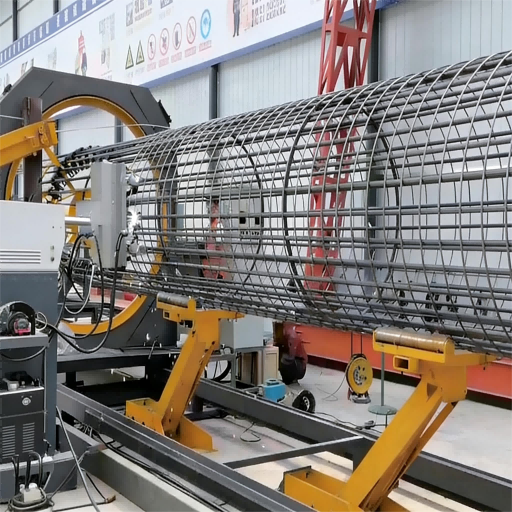
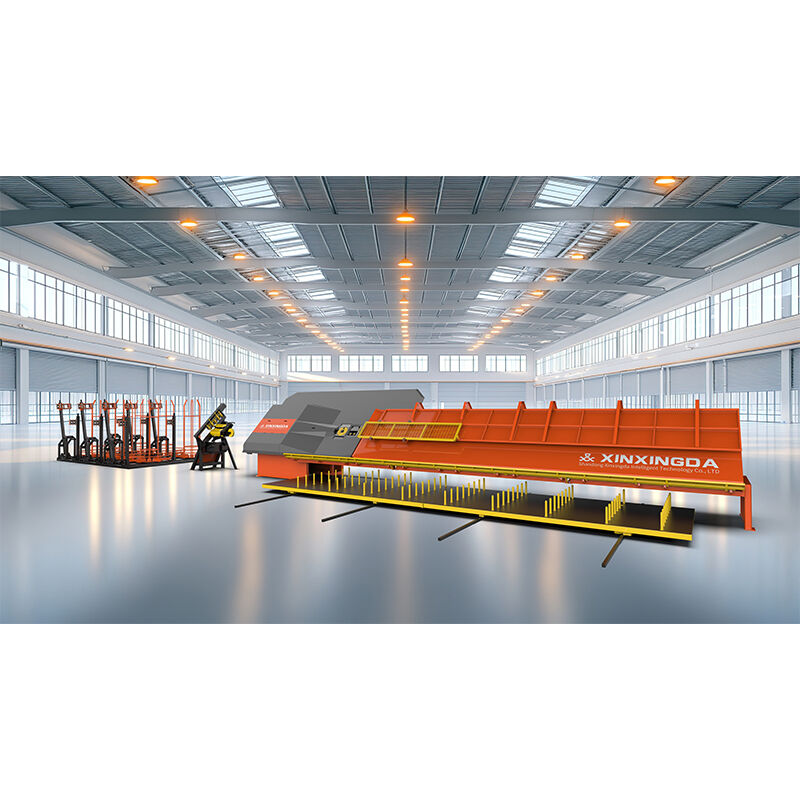
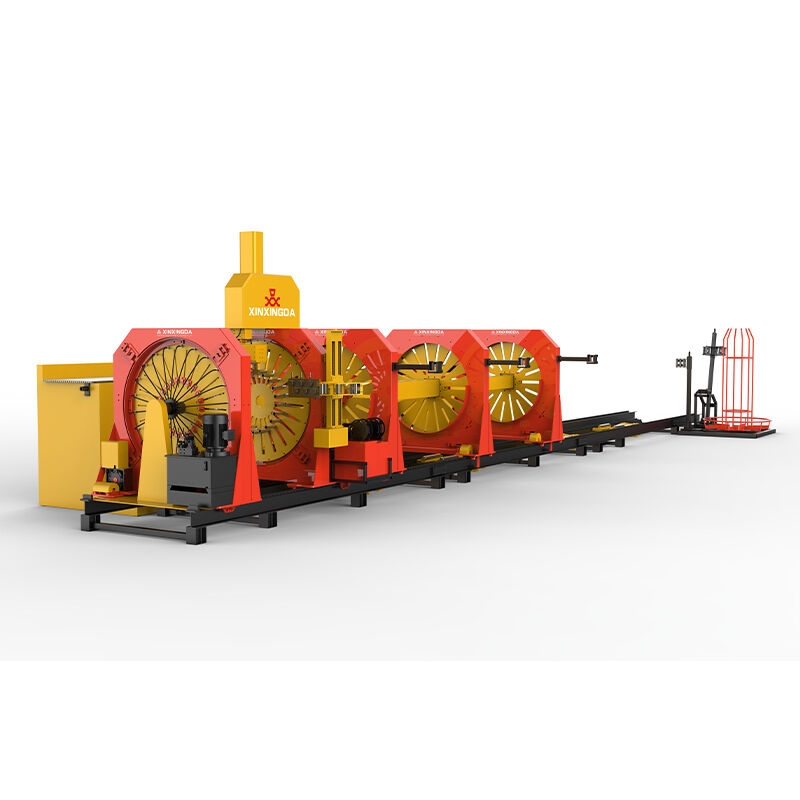
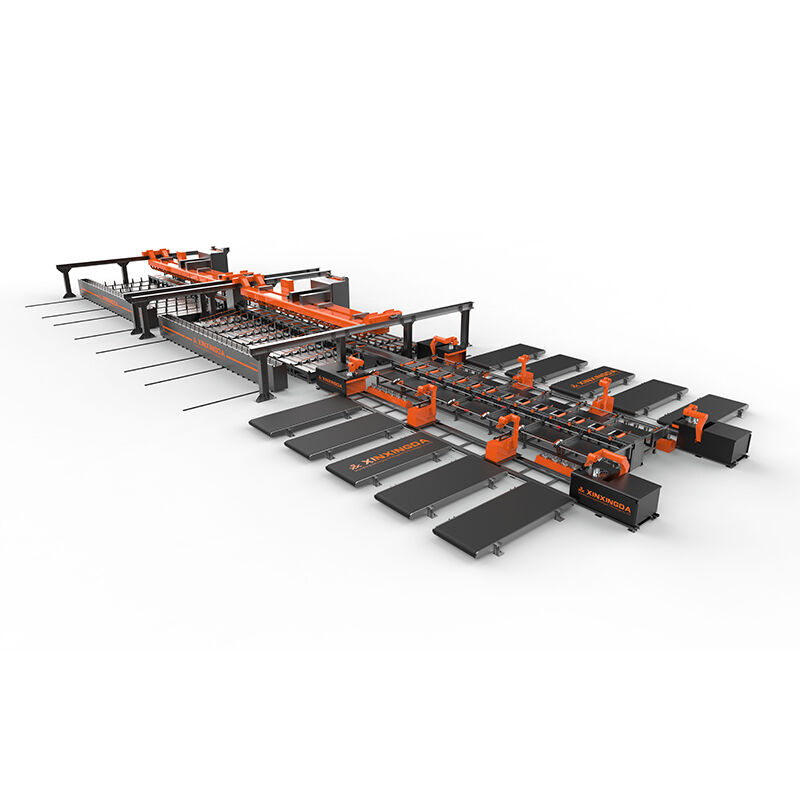
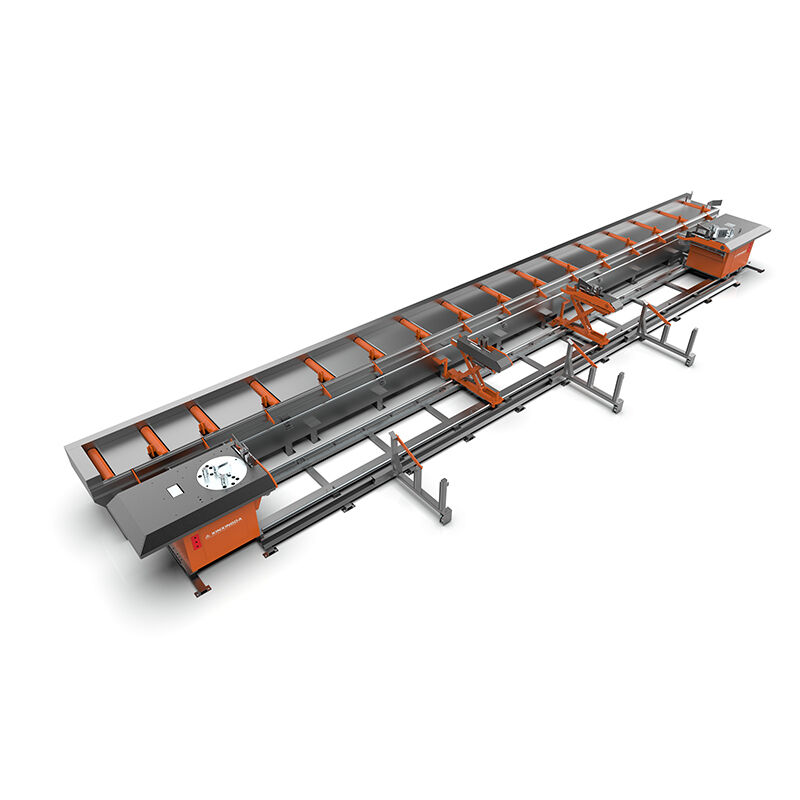
The automated quality assurance integration within the best steel cage rolling welding machine establishes new benchmarks for product consistency and reliability through comprehensive inspection systems that monitor every aspect of the fabrication process in real-time. This sophisticated quality control architecture combines multiple sensing technologies including laser measurement systems, ultrasonic testing capabilities, and thermal imaging to create a complete quality profile for each produced cage without interrupting production flow. The dimensional inspection system employs high-precision laser scanners that continuously measure cage diameter, bar spacing, and overall geometric conformance against programmed specifications, automatically flagging any variations that exceed tolerance limits and enabling immediate corrective action. Weld quality assessment utilizes advanced ultrasonic testing technology that evaluates joint integrity, penetration depth, and fusion zone characteristics without destructive testing requirements, providing immediate feedback on structural performance capabilities. The thermal monitoring component tracks temperature distributions throughout the welding process, ensuring optimal heat input for metallurgical bonding while preventing excessive temperatures that could compromise material properties or dimensional stability. Data logging capabilities create comprehensive quality records for each produced cage, including dimensional measurements, weld parameters, material traceability information, and environmental conditions during fabrication, supporting quality certification requirements and providing valuable documentation for construction project compliance. Statistical process control functions analyze production trends and identify patterns that might indicate emerging quality issues, enabling proactive maintenance scheduling and parameter optimization before defects occur. The integration automatically adjusts machine parameters when quality measurements indicate drift from optimal conditions, maintaining consistent output without operator intervention and reducing scrap generation through early detection of potential problems. Rejection handling systems automatically segregate non-conforming products while maintaining production flow, preventing defective units from advancing to subsequent operations and ensuring that only specification-compliant cages reach final inspection. Quality reporting functions generate detailed production summaries including yield rates, defect analysis, and performance metrics that support continuous improvement initiatives and customer quality requirements. This comprehensive quality assurance integration not only ensures consistent product excellence but also provides the documentation and traceability demanded by modern construction standards and regulatory compliance requirements, giving users confidence in their ability to meet the most stringent project specifications while maintaining competitive production rates and cost structures.

 EN
EN