Versatile Material Processing Capabilities
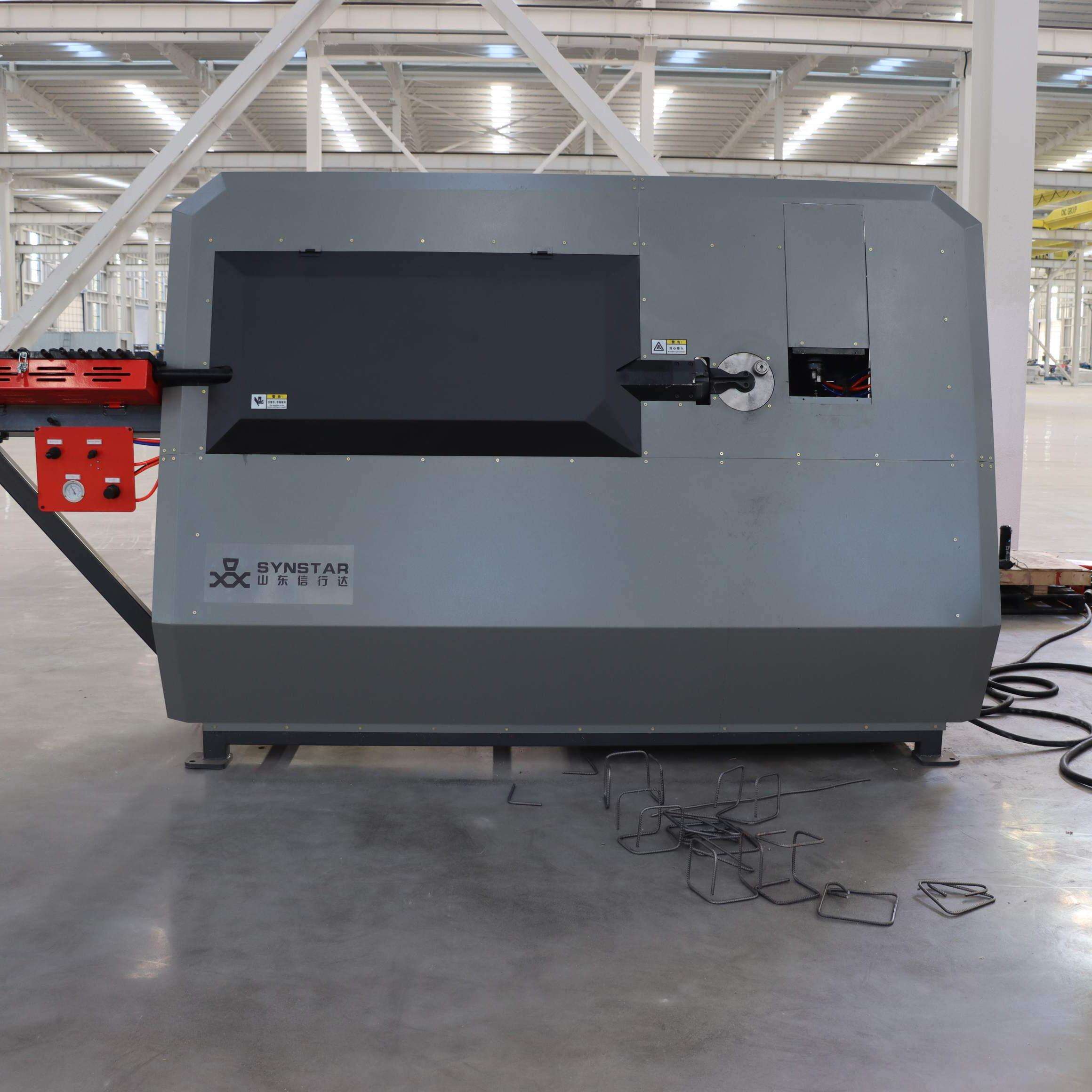
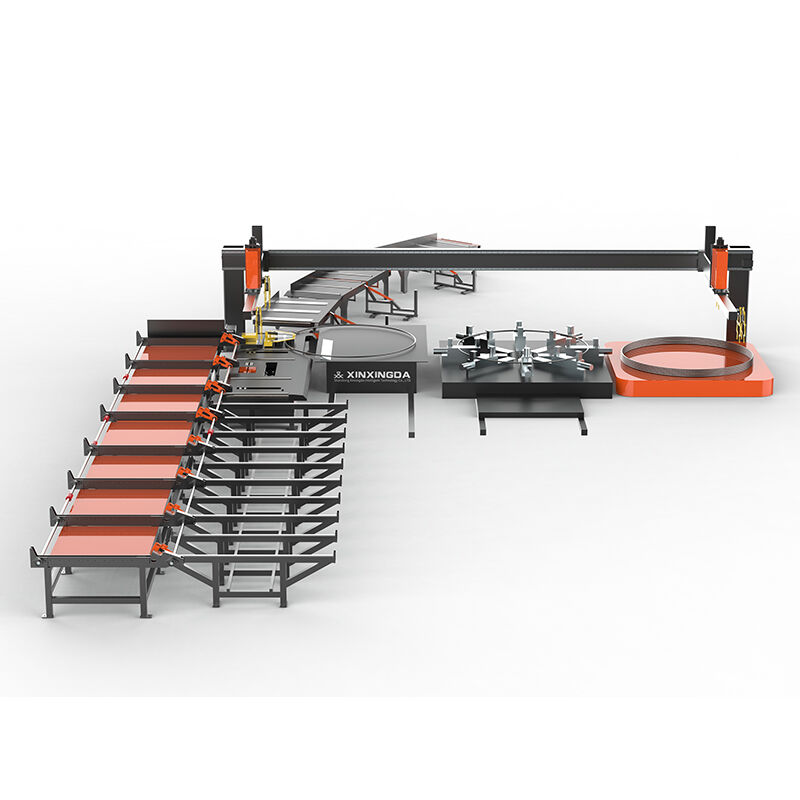
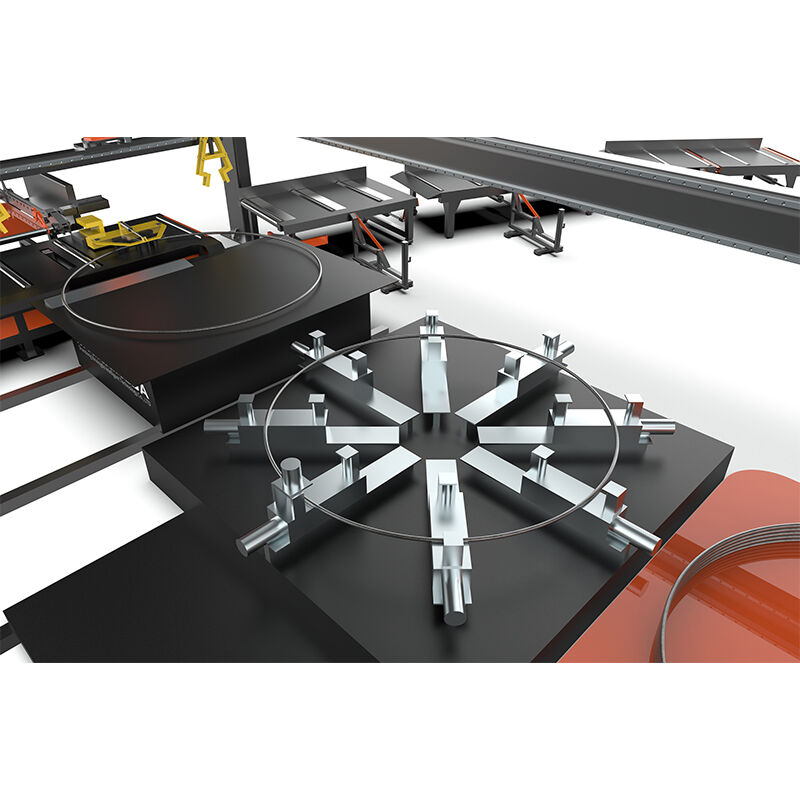
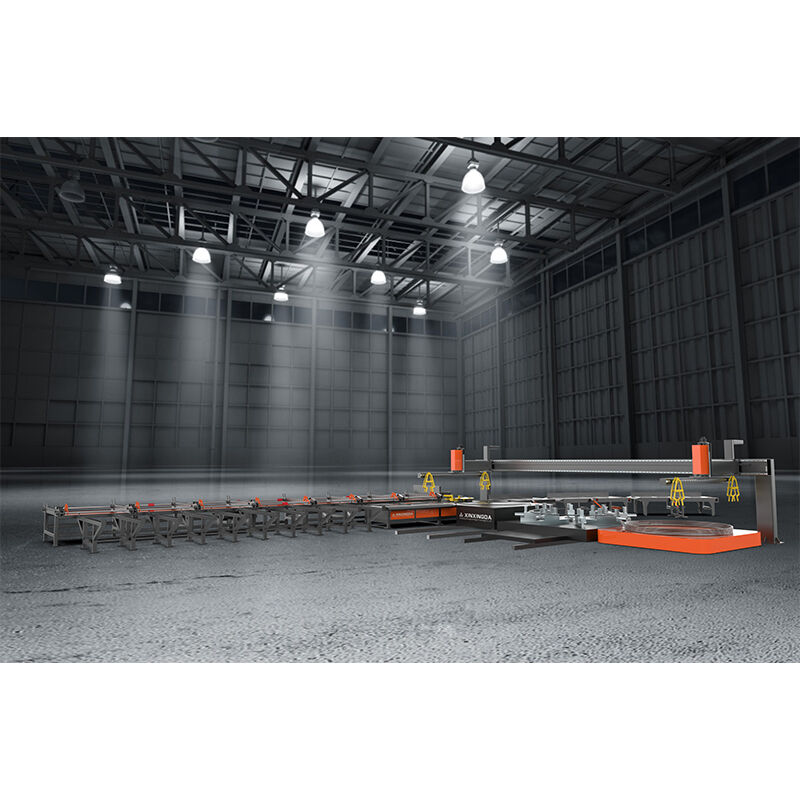
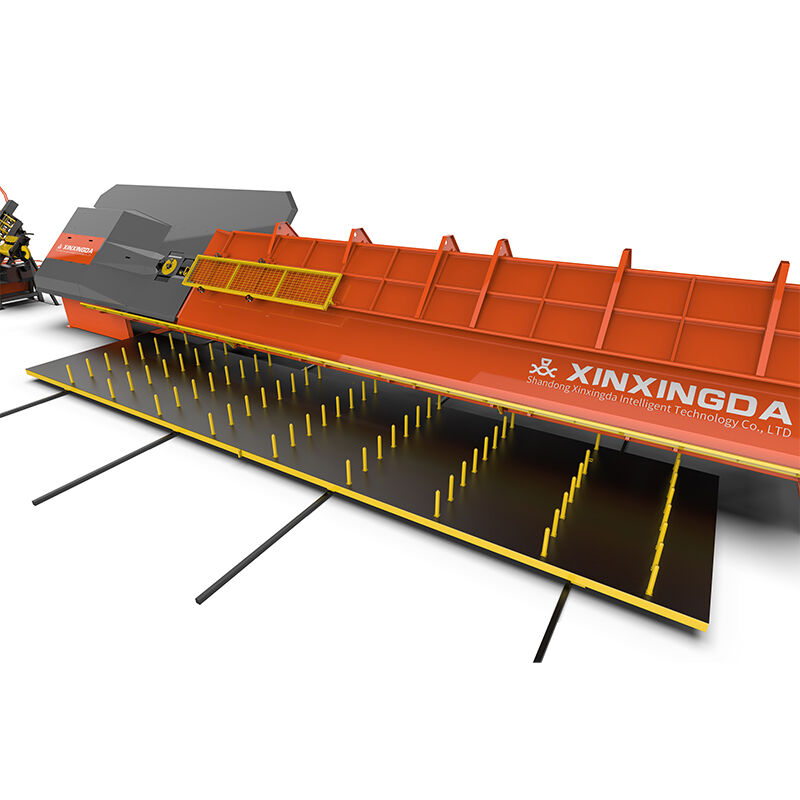
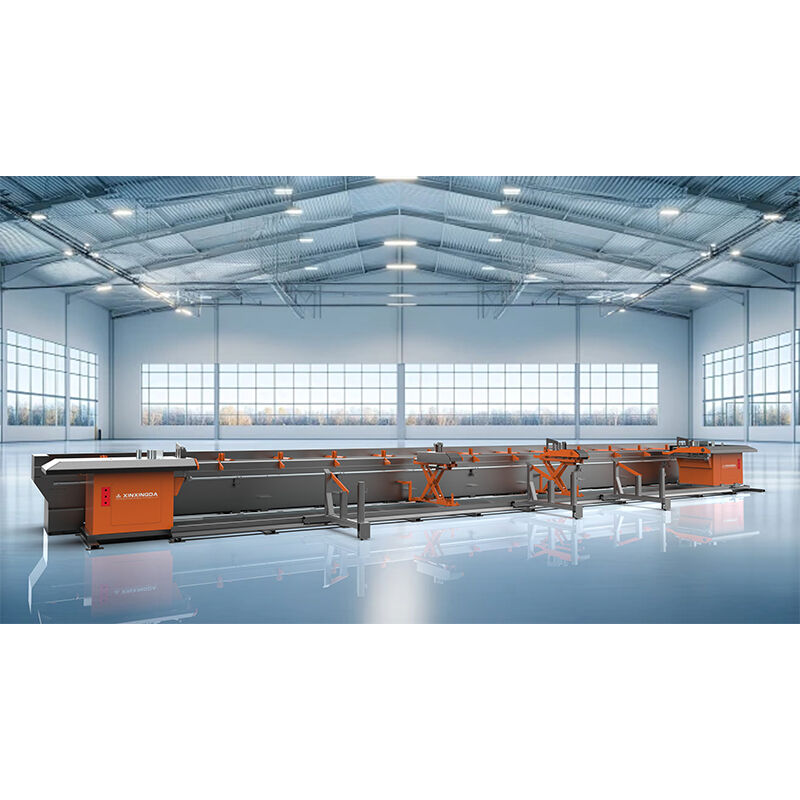
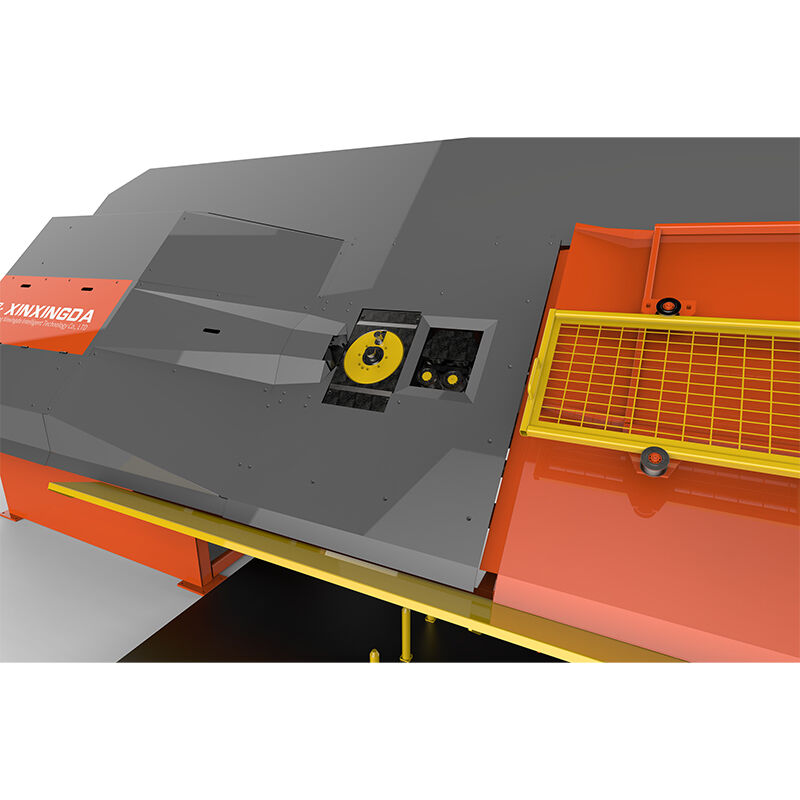
The versatile material processing capabilities of CNC bar cutting machines enable manufacturers to handle diverse cutting requirements with a single equipment investment, supporting multiple material types, dimensions, and cutting specifications through adaptable machine configurations. These machines accommodate materials ranging from soft aluminum alloys to hardened tool steels, adjusting cutting parameters automatically to optimize performance for each specific material composition and hardness level. The material diameter capacity typically spans from small precision rods to large structural bars, with quick-change fixtures that accommodate different sizes without requiring extensive setup procedures. Cutting length capabilities extend from short precision components to long structural members, with programmable stops and measuring systems that ensure accurate length control regardless of cutting requirements. The machines handle both solid and hollow bar materials, including tubes, pipes, and complex cross-sectional shapes that require specialized gripping and cutting approaches. Material surface conditions, including scaled, painted, or coated surfaces, are accommodated through appropriate cutting blade selection and parameter optimization. The versatility extends to cutting angle capabilities, with many machines offering compound angle cutting for specialized applications such as frame construction and architectural components. Bundle cutting capabilities allow multiple smaller bars to be processed simultaneously, dramatically improving productivity for high-volume production requirements. The material handling systems adapt to various material weights and lengths, incorporating safety features that ensure secure material positioning throughout cutting operations. Special material requirements, including exotic alloys and composite materials, are supported through customizable cutting parameters and specialized tooling options. The processing capabilities include chamfering and deburring functions that can be integrated into cutting cycles, eliminating secondary operations and improving part finish quality. Quality control features verify material properties and dimensions before cutting begins, preventing processing errors and material waste. The flexibility of these systems supports both production and prototype manufacturing requirements, enabling rapid transitions between different projects without significant downtime or reconfiguration efforts.

 EN
EN