All Categories

Get a Free Quote

Our representative will contact you soon.
Email
Name
Company Name
Mobile / WhatsApp
Message
0/1000
steel bar processing equipment bulk purchase-1

Home > 

steel bar processing equipment bulk purchase

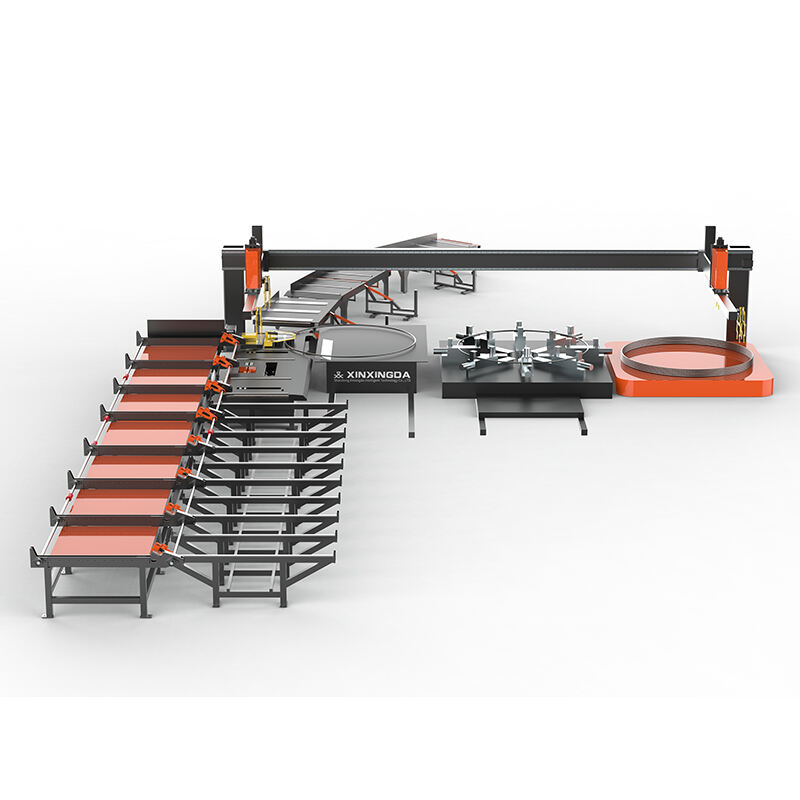
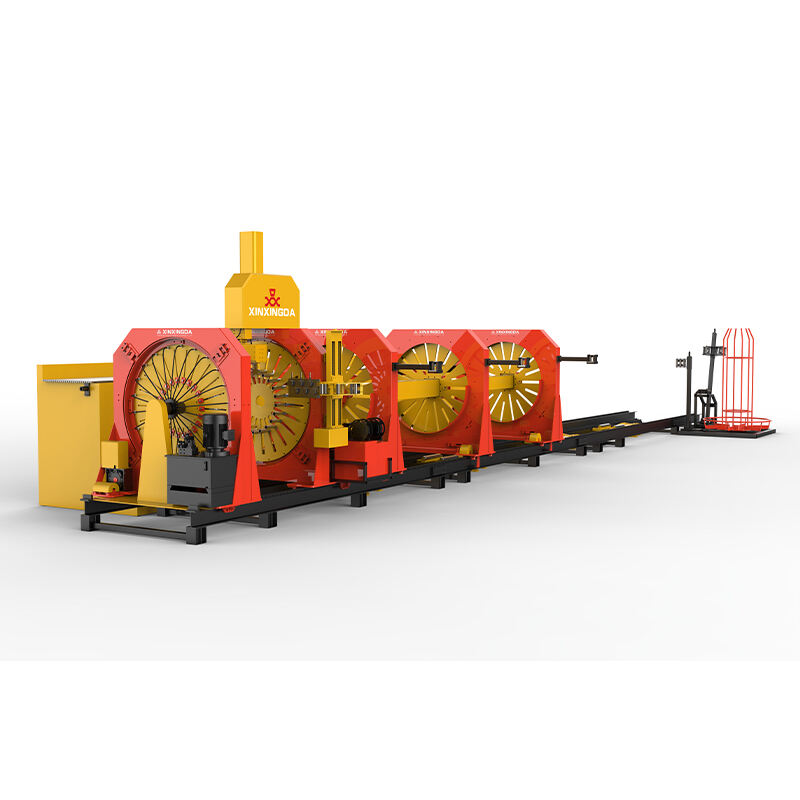
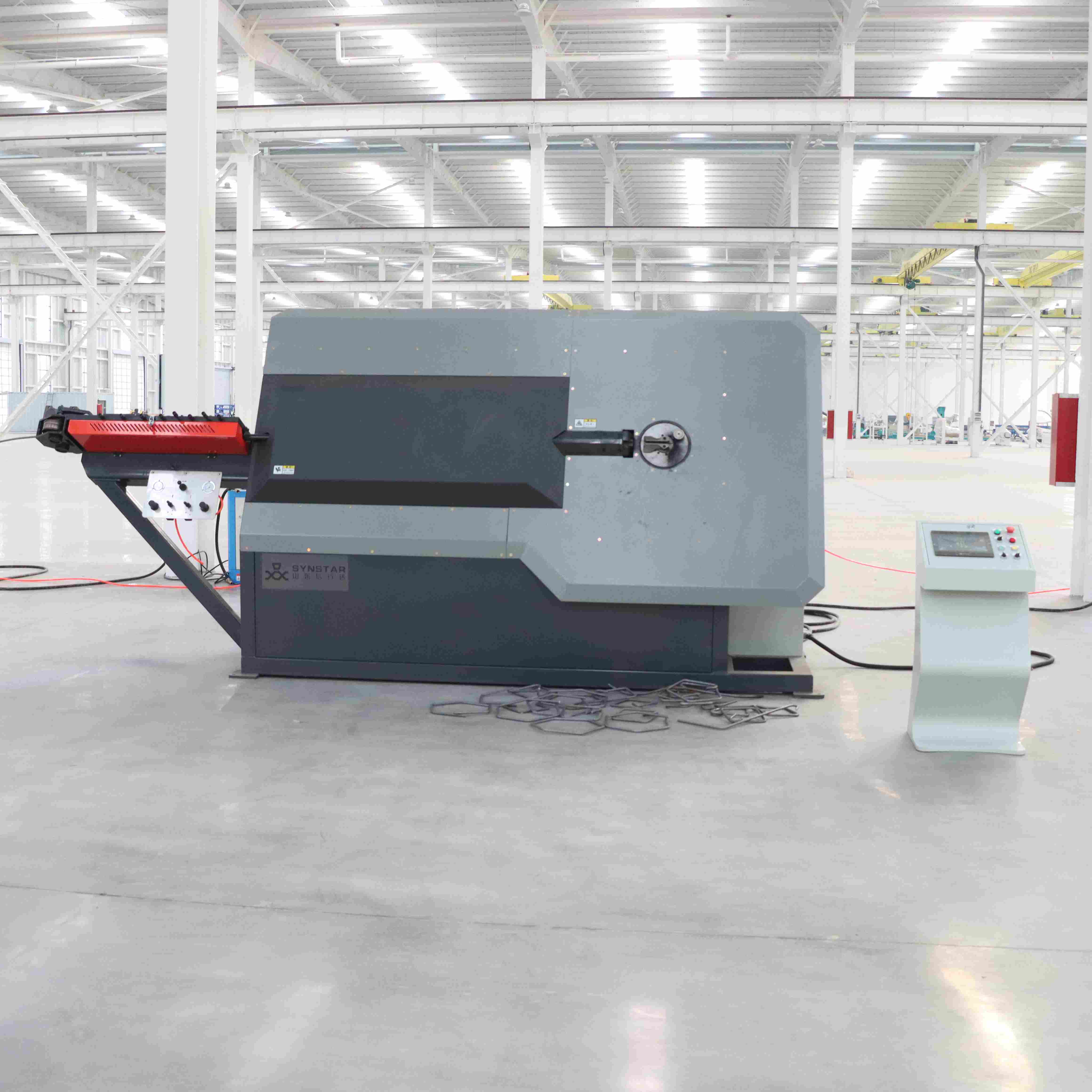
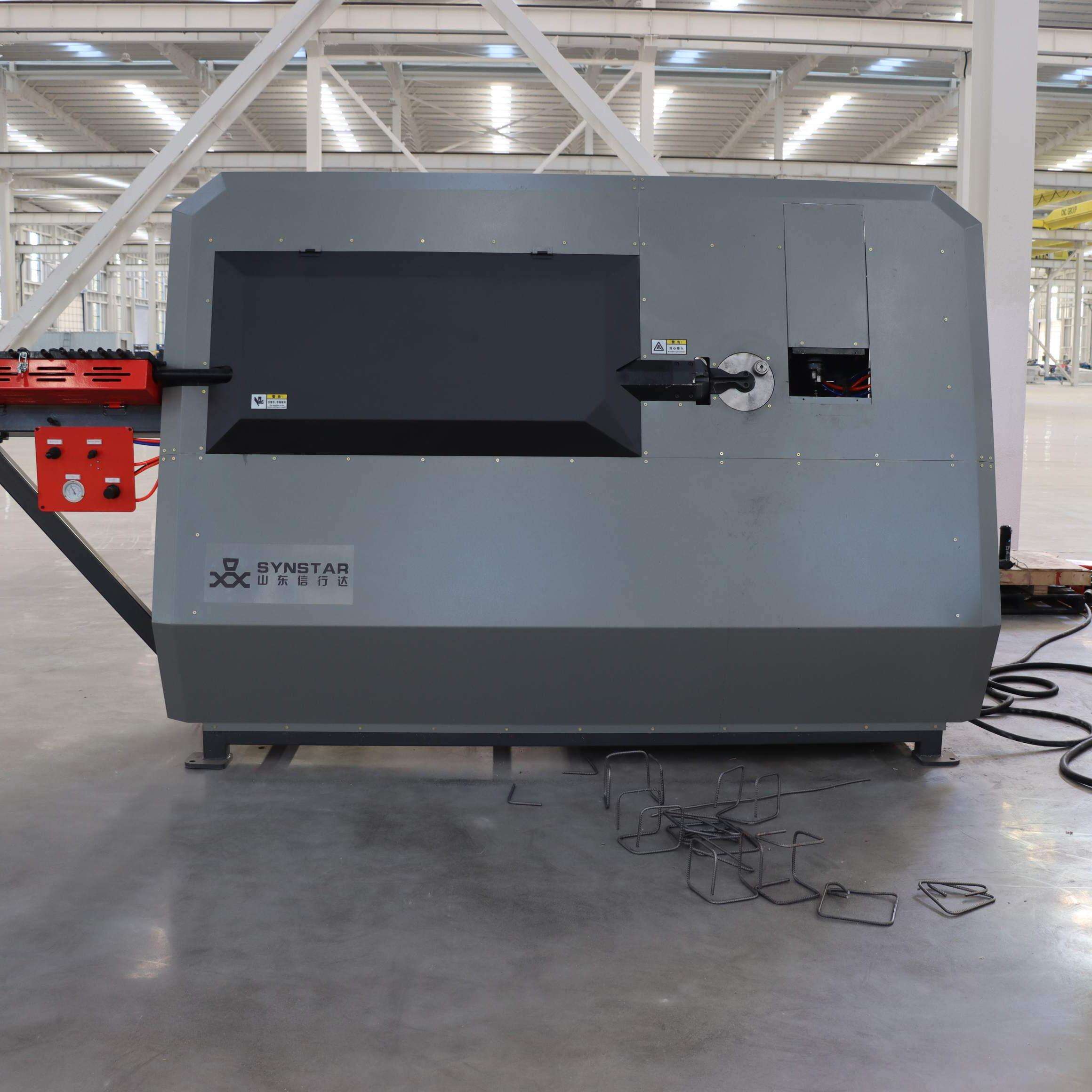
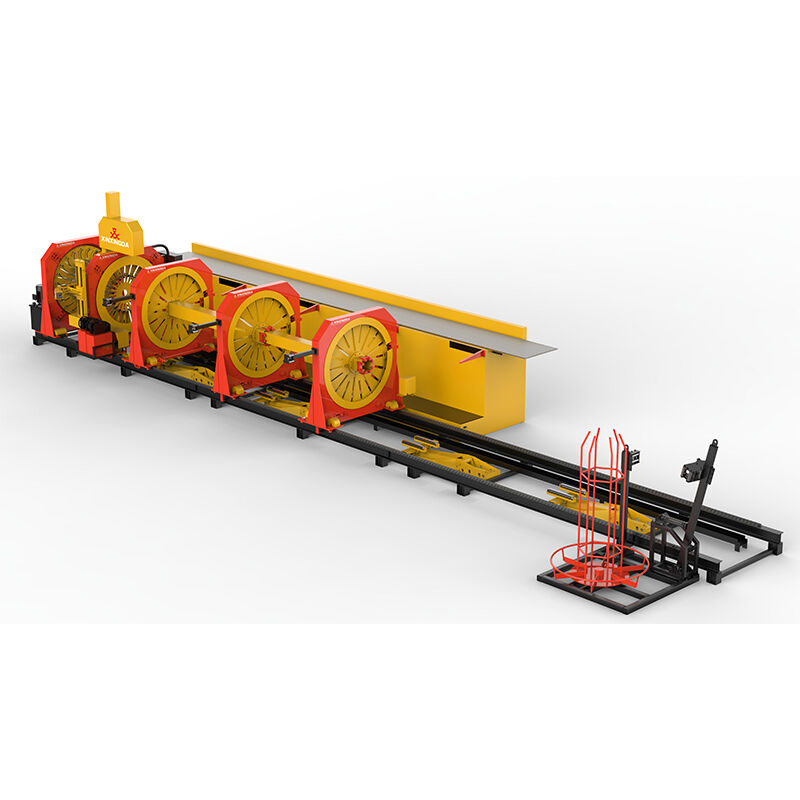
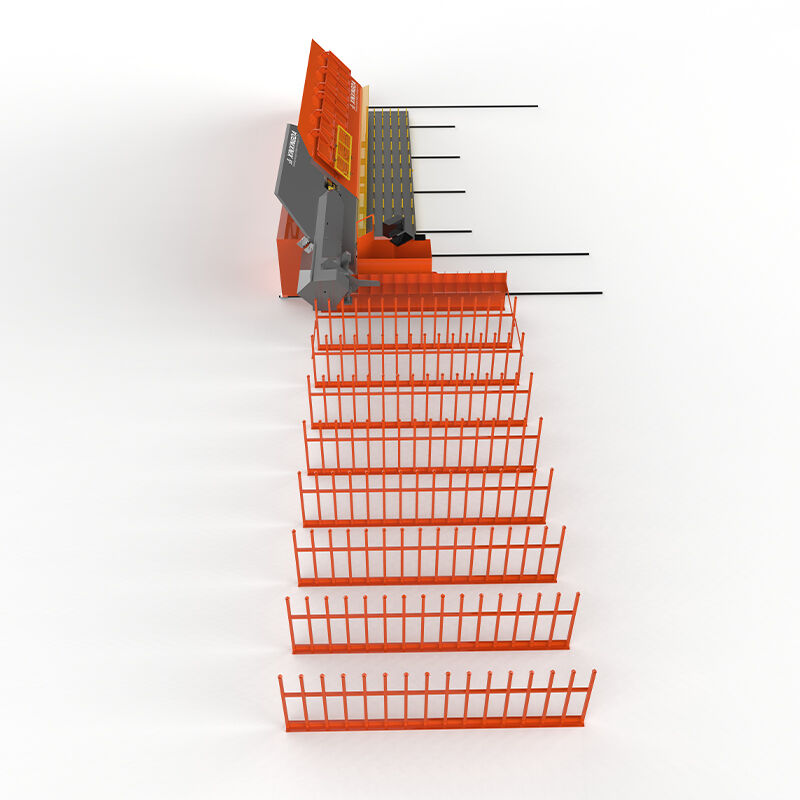
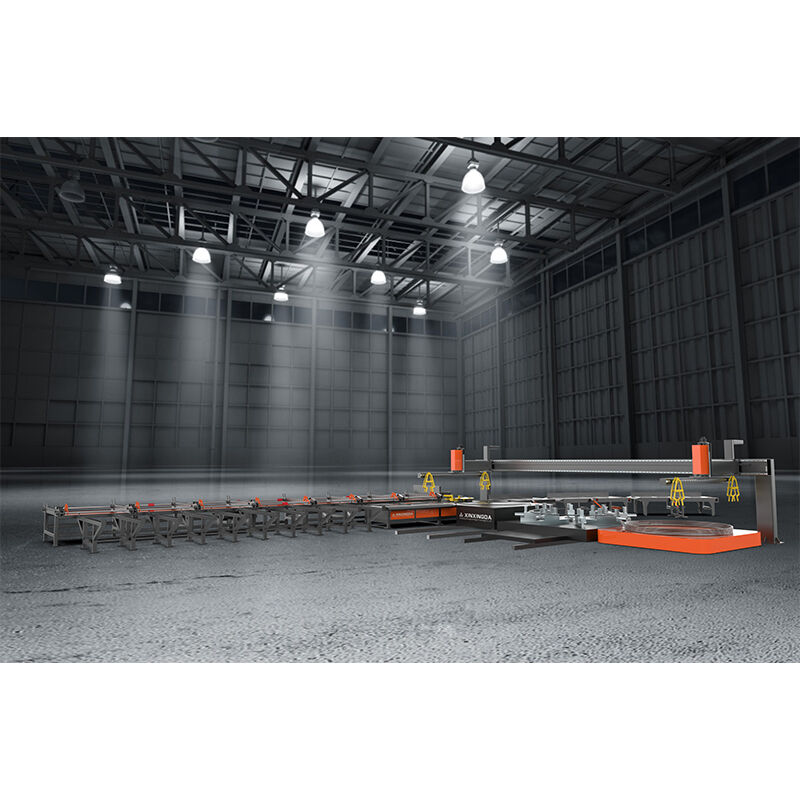
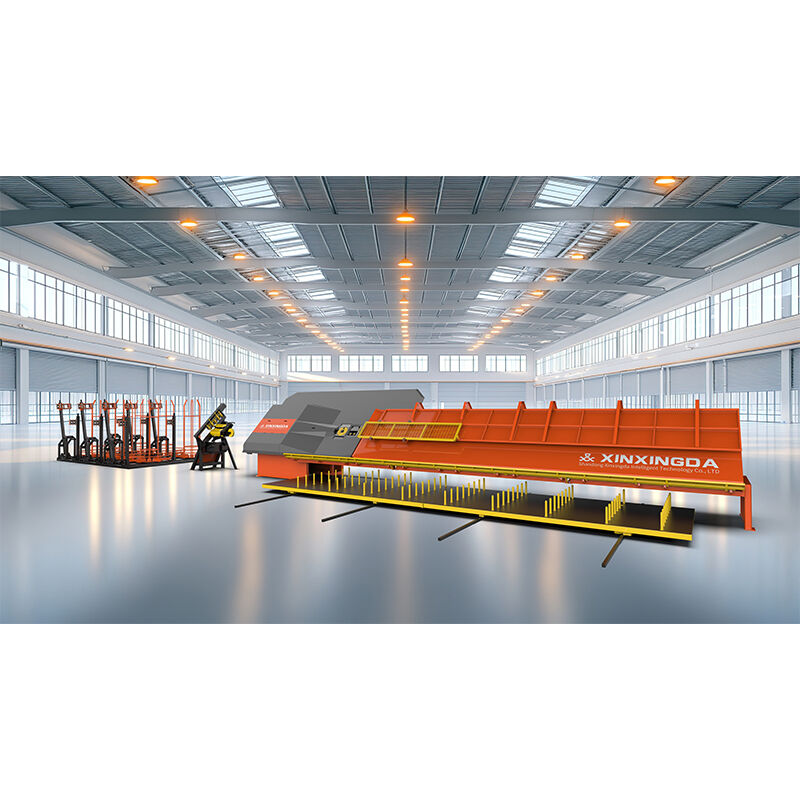
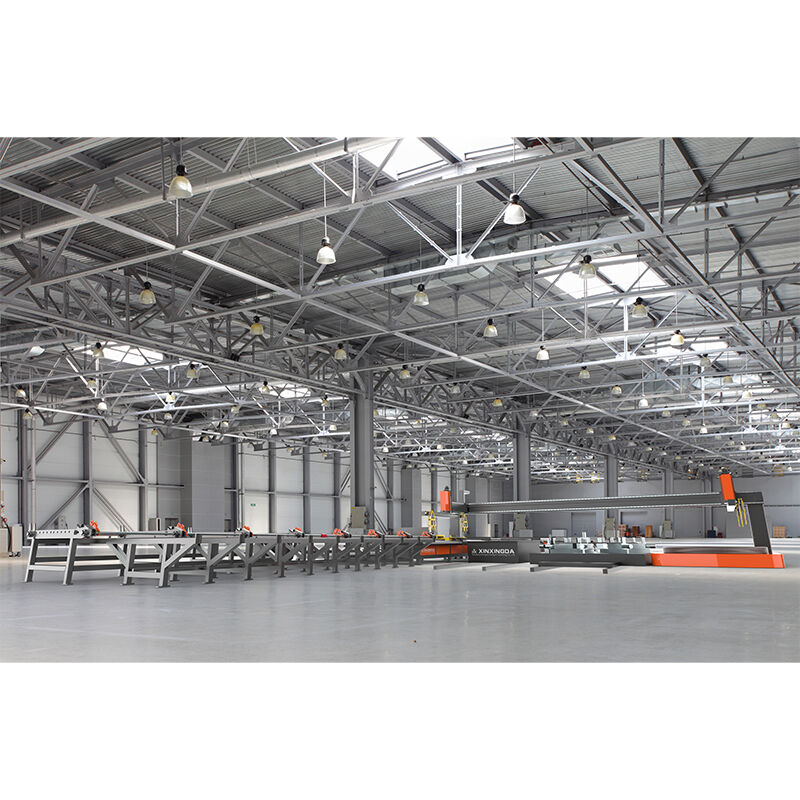
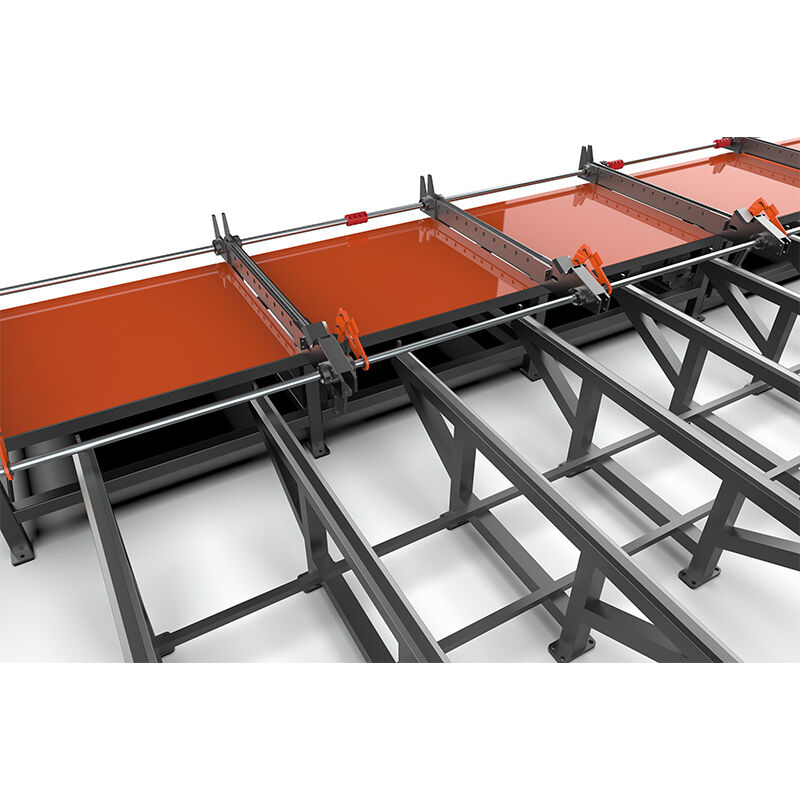
Steel bar processing equipment bulk purchase represents a comprehensive solution for construction companies, steel fabricators, and manufacturing facilities seeking to optimize their production capabilities while achieving significant cost savings. This strategic procurement approach encompasses a wide range of specialized machinery designed to handle various steel reinforcement bar operations, including cutting, bending, threading, and shaping processes. The steel bar processing equipment bulk purchase typically includes rebar cutters, hydraulic bending machines, thread rolling equipment, straightening devices, and automated feeding systems that work together to create an integrated production line. Modern steel bar processing equipment incorporates advanced technological features such as computerized numerical control systems, programmable logic controllers, and precision servo motors that ensure accurate measurements and consistent output quality. These machines utilize high-strength alloy components and hardened cutting blades capable of processing steel bars ranging from 6mm to 50mm in diameter. The technological sophistication extends to user-friendly touchscreen interfaces, automatic material feeding mechanisms, and safety interlocks that protect operators during operation. Applications for steel bar processing equipment span across residential construction projects, commercial building developments, infrastructure works including bridges and highways, and precast concrete manufacturing facilities. The versatility of these machines allows contractors to handle diverse project requirements, from small-scale residential foundations to large industrial complexes. Quality control features integrated into modern steel bar processing equipment include length measurement sensors, bend angle verification systems, and automatic reject mechanisms for defective pieces. The bulk purchasing strategy enables organizations to establish complete production workflows while benefiting from volume discounts, standardized training programs, and comprehensive maintenance support packages from manufacturers.


Popular Products

Steel bar processing equipment bulk purchase delivers substantial financial benefits through volume pricing negotiations that can reduce individual machine costs by 15-25 percent compared to single-unit purchases. Companies achieve immediate cost savings on shipping and logistics expenses when equipment arrives together, eliminating multiple delivery charges and reducing installation timeframes. The bulk procurement strategy allows businesses to establish standardized operating procedures across all equipment, creating consistency in training programs and reducing the learning curve for operators transitioning between different machines. Maintenance becomes significantly more efficient with bulk purchases since organizations can stock common replacement parts, establish relationships with single-source suppliers, and negotiate favorable service agreements covering the entire equipment fleet. Production efficiency increases dramatically when steel bar processing equipment operates as an integrated system, allowing seamless material flow from cutting stations through bending operations to final quality inspection. The coordinated equipment setup reduces handling time, minimizes material waste, and enables continuous production cycles that maximize output capacity. Bulk purchase arrangements often include comprehensive training packages where manufacturers provide on-site instruction for multiple operators simultaneously, reducing training costs and ensuring consistent skill development across the workforce. Technical support benefits multiply with bulk purchases as manufacturers typically assign dedicated service representatives who develop intimate knowledge of the specific equipment configuration and operational requirements. Quality assurance improves through standardized calibration procedures and consistent maintenance protocols applied across all machines in the steel bar processing equipment fleet. The bulk purchase approach provides better negotiating power for extended warranty terms, often securing three to five-year coverage periods that protect against unexpected repair costs. Financing options become more attractive with larger purchase volumes, as equipment suppliers offer favorable payment terms, leasing arrangements, or equipment financing packages designed for substantial investments. The coordinated installation process reduces facility downtime and allows for systematic equipment commissioning that ensures optimal performance from day one of operation.

Latest News

How to Choose Steel Bar Processing Equipment for Engineering Projects

05

Dec

How to Choose Steel Bar Processing Equipment for Engineering Projects

Selecting the right steel bar processing equipment is crucial for the success of any engineering project, whether you're working on commercial construction, infrastructure development, or industrial fabrication. The choice of equipment directly impac...
View More
What Advantages Does Construction Processing Equipment Offer Builders

05

Dec

What Advantages Does Construction Processing Equipment Offer Builders

Modern construction projects demand precision, efficiency, and reliability at every stage of development. Today's builders face increasing pressure to deliver high-quality structures within tight deadlines while maintaining cost-effectiveness and saf...
View More
What Applications Require a Reliable Rebar Stirrup Bender

28

Feb

What Applications Require a Reliable Rebar Stirrup Bender

Construction projects across various industries depend on precise reinforcement fabrication, making the rebar stirrup bender an essential piece of equipment for contractors, fabricators, and construction companies. These specialized machines transfor...
View More
What Applications Benefit Most from CNC Steel Bar Bending Machine

30

Mar

What Applications Benefit Most from CNC Steel Bar Bending Machine

Understanding which applications benefit most from CNC steel bar bending machine technology is crucial for construction companies and manufacturers seeking to optimize their operations. These automated systems offer precision, speed, and consistency ...
View More

Get a Free Quote

Our representative will contact you soon.
Email
Name
Company Name
Mobile / WhatsApp
Message
0/1000

steel bar processing equipment bulk purchase

Advanced Automation Technology Integration

Advanced Automation Technology Integration

The steel bar processing equipment bulk purchase provides access to cutting-edge automation technologies that revolutionize traditional steel fabrication processes through intelligent control systems and precision engineering. Modern equipment packages include sophisticated programmable logic controllers that manage multiple processing stations simultaneously, coordinating material flow and optimizing production sequences to maximize efficiency. The automation integration features servo-driven positioning systems that achieve accuracy levels within 0.5mm tolerances, ensuring consistent quality across thousands of processed steel bars. Advanced sensor networks continuously monitor material dimensions, detect potential defects, and automatically adjust processing parameters to maintain optimal output quality. The bulk purchase advantage becomes apparent through standardized automation platforms that allow seamless communication between different machines, creating an intelligent production ecosystem where data flows freely between cutting, bending, and quality control stations. Operators benefit from centralized control interfaces that provide real-time monitoring of entire production lines, enabling rapid response to operational changes and predictive maintenance scheduling. The integrated automation systems include material tracking capabilities that maintain detailed records of each processed steel bar, supporting quality audits and traceability requirements essential for construction project compliance. Machine learning algorithms embedded within the control systems analyze production patterns and automatically optimize processing speeds, tool selection, and material handling sequences to improve overall efficiency. The automation technology extends to inventory management systems that track raw material consumption, predict reorder points, and generate procurement reports that support supply chain optimization. Safety systems integrated throughout the automated steel bar processing equipment include emergency stop mechanisms, operator presence detection, and automated lockout procedures that protect personnel during maintenance operations. The sophisticated automation package reduces labor requirements while improving output consistency, allowing skilled operators to focus on quality oversight and system optimization rather than manual material handling tasks.
Comprehensive Quality Control Systems

Comprehensive Quality Control Systems

Steel bar processing equipment bulk purchase incorporates advanced quality control systems that ensure every processed reinforcement bar meets stringent construction industry standards and project specifications. The integrated quality assurance framework begins with incoming material inspection systems that verify steel grade, dimensional accuracy, and surface condition before processing begins. Precision measurement devices embedded throughout the production line continuously monitor critical parameters including cut length accuracy, bend angles, thread pitch specifications, and surface finish quality. The quality control systems utilize high-resolution cameras and laser measurement technologies that capture detailed dimensional data for each processed steel bar, automatically comparing results against programmed specifications and flagging any deviations for operator attention. Statistical process control software analyzes production data in real-time, identifying trends that might indicate tool wear, calibration drift, or material quality variations before they impact final product quality. The bulk purchase advantage extends to standardized calibration procedures across all equipment, ensuring consistent quality standards regardless of which machine processes specific steel bars. Automated rejection systems remove non-conforming products from the production line, preventing defective materials from reaching construction sites where costly rework would be required. The quality control framework includes comprehensive documentation systems that generate detailed reports for each production batch, supporting quality audits and providing evidence of compliance with construction specifications. Traceability systems track individual steel bars from raw material receipt through final processing, enabling rapid identification and isolation of any quality issues that emerge during construction activities. The integrated quality management system interfaces with project management software, automatically updating progress reports and quality metrics that support construction scheduling and contractor payment processes. Advanced statistical analysis tools identify optimal processing parameters for different steel grades and applications, continuously improving quality performance through data-driven optimization. The quality control systems extend to preventive maintenance scheduling, monitoring equipment performance indicators and automatically generating maintenance work orders when components approach service limits, ensuring consistent quality output throughout equipment lifecycles.
Scalable Production Capacity Management

Scalable Production Capacity Management

The steel bar processing equipment bulk purchase delivers exceptional scalability advantages that allow construction companies and steel fabricators to adapt production capacity dynamically based on project demands and market conditions. This flexible approach enables organizations to configure processing lines for small residential projects requiring limited daily output or large infrastructure developments demanding high-volume production capabilities. The modular equipment design allows operators to activate specific machines as needed, conserving energy costs and reducing wear on unused equipment during periods of lower demand. Production scheduling software coordinates multiple machines to optimize throughput while maintaining quality standards, automatically adjusting processing speeds and sequences based on order priorities and delivery requirements. The bulk purchase strategy provides redundancy benefits where backup equipment ensures continuous production even when individual machines require maintenance or repair services. Scalability extends to material handling systems that accommodate varying steel bar lengths, diameters, and quantities without requiring extensive reconfiguration or additional operator training. The integrated production management system tracks real-time capacity utilization across all equipment, providing managers with detailed insights into bottlenecks, efficiency opportunities, and optimal resource allocation strategies. During peak demand periods, the steel bar processing equipment can operate in coordinated high-output modes where multiple machines work simultaneously on large orders, significantly reducing project completion timelines. The scalable approach supports diverse product mix requirements, allowing rapid transitions between different steel bar specifications, processing requirements, and quality standards without extensive downtime or setup procedures. Advanced production planning tools analyze historical demand patterns and automatically recommend optimal equipment configurations for anticipated workloads, supporting strategic capacity planning and investment decisions. The flexibility inherent in bulk equipment purchases enables organizations to expand processing capabilities gradually, adding specialized machines or upgraded components as business growth justifies additional investment. Remote monitoring capabilities allow supervisors to manage production capacity across multiple shifts and locations, optimizing equipment utilization and maintaining consistent output quality regardless of operational complexity. The scalable production framework supports lean manufacturing principles by minimizing inventory requirements, reducing waste generation, and optimizing material flow through coordinated equipment operations that adapt automatically to changing production demands.

Get a Free Quote

Our representative will contact you soon.
Email
Name
Company Name
Mobile / WhatsApp
Message
0/1000