All Categories

Get a Free Quote

Our representative will contact you soon.
Email
Name
Company Name
Mobile / WhatsApp
Message
0/1000
steel cage roll welding machine types-1

Home > 

steel cage roll welding machine types

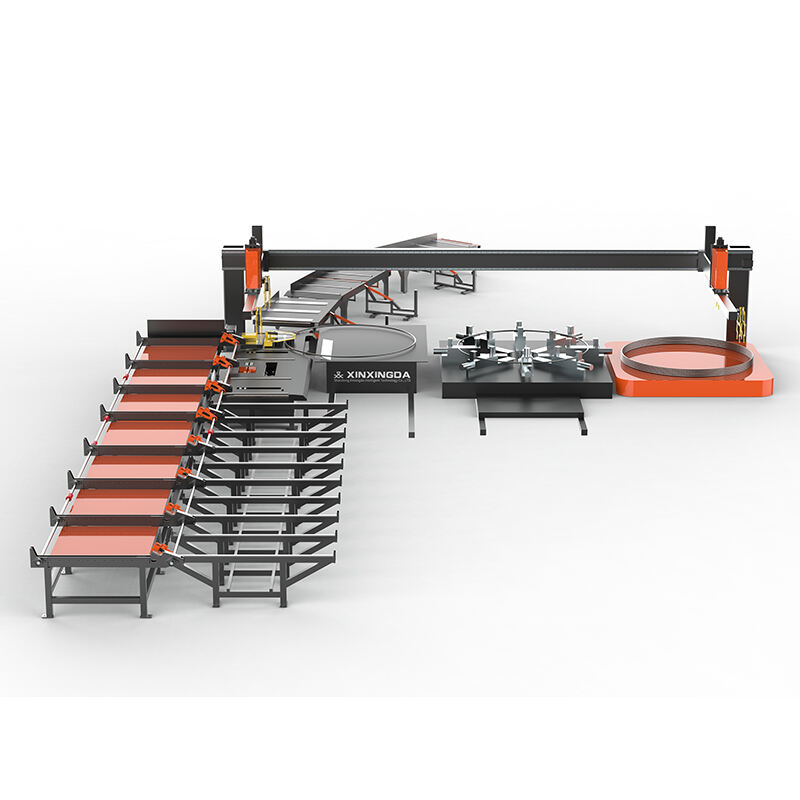
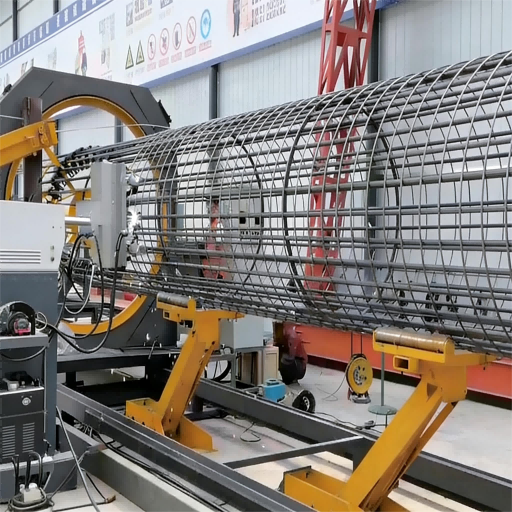
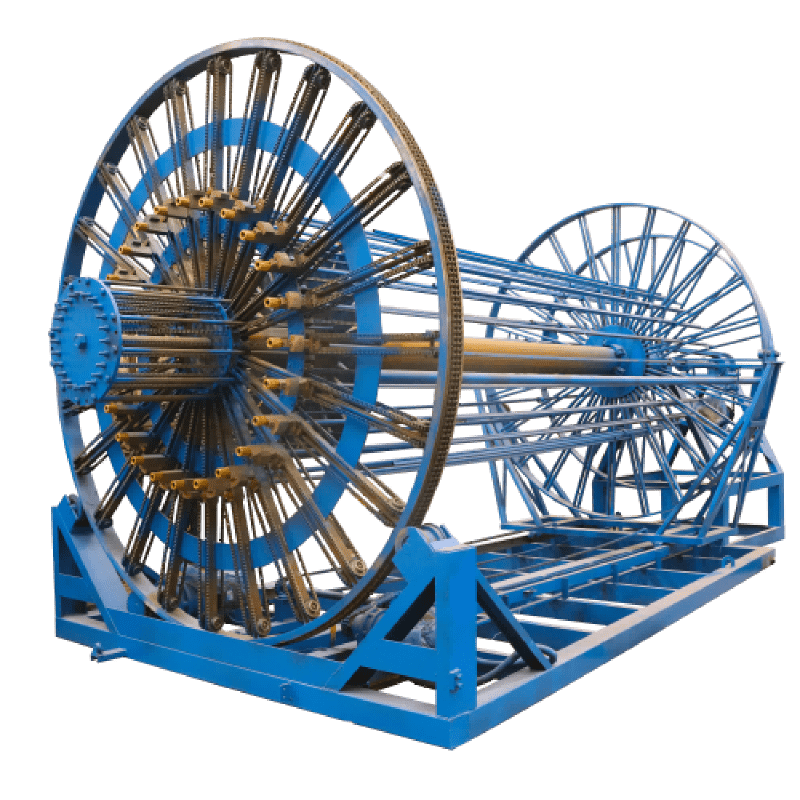
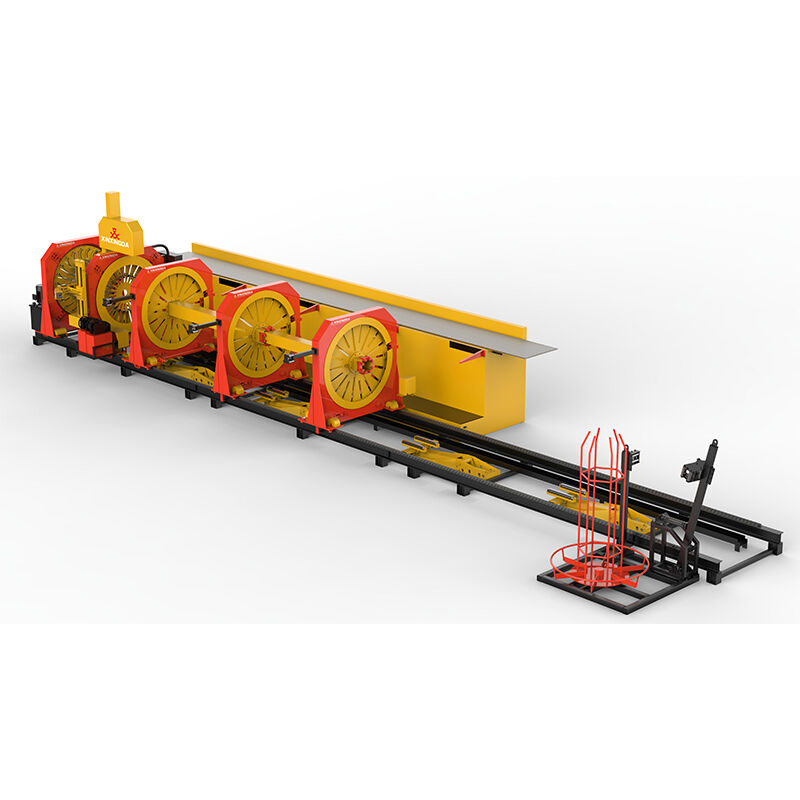
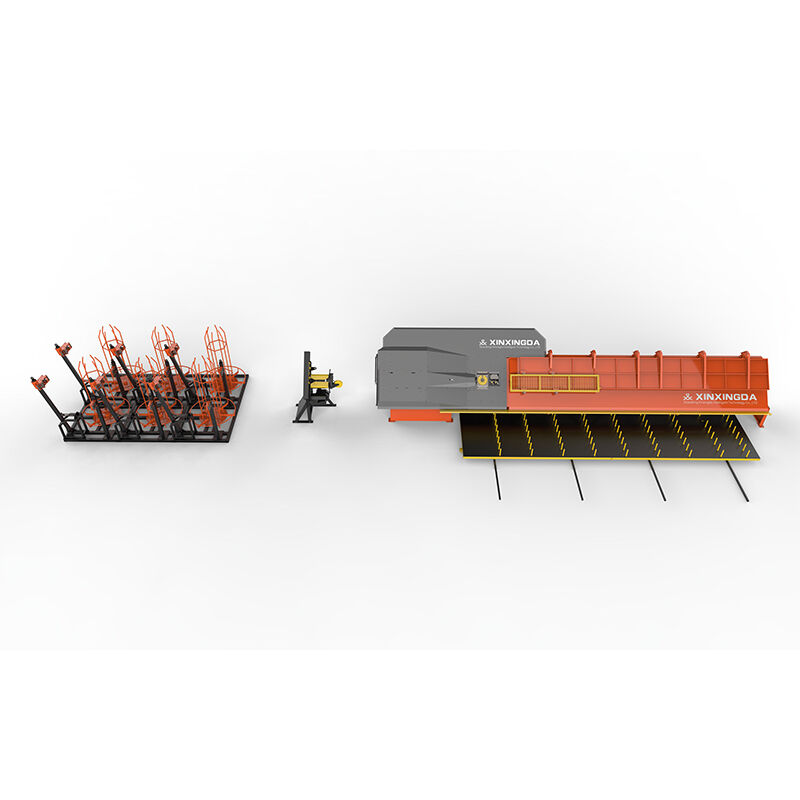
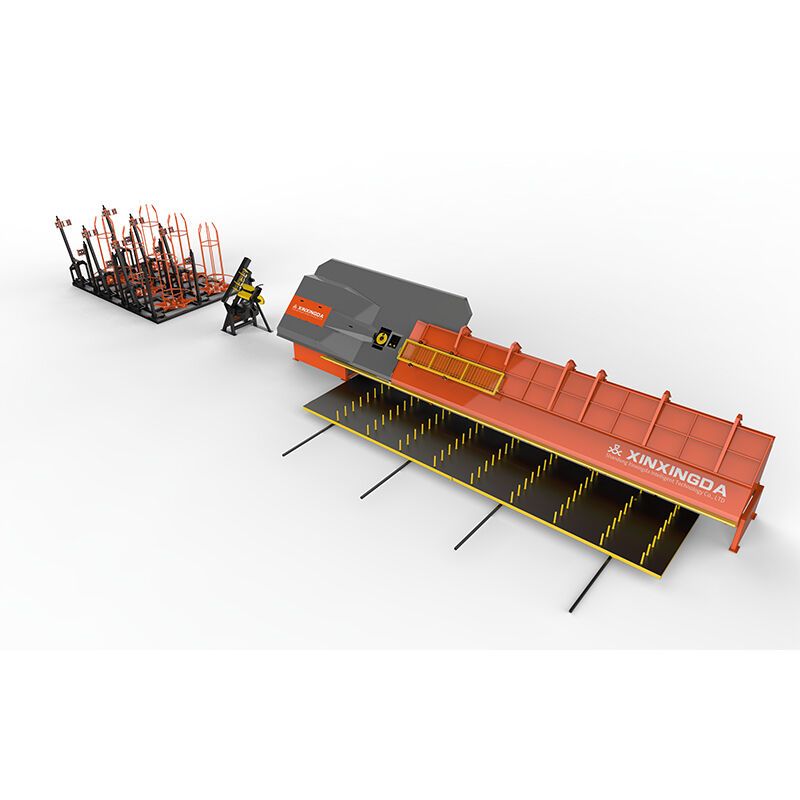
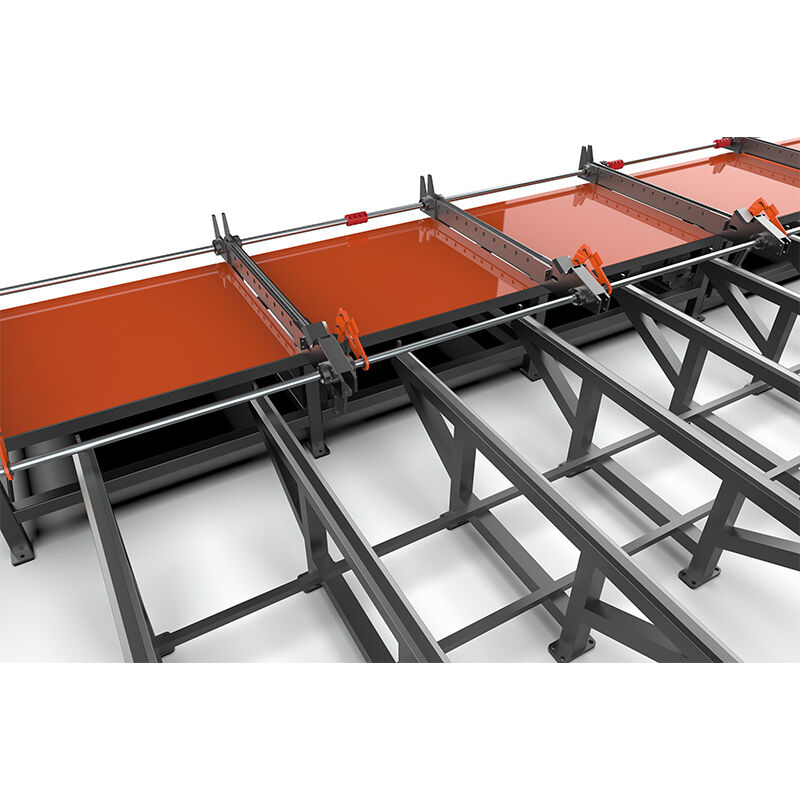
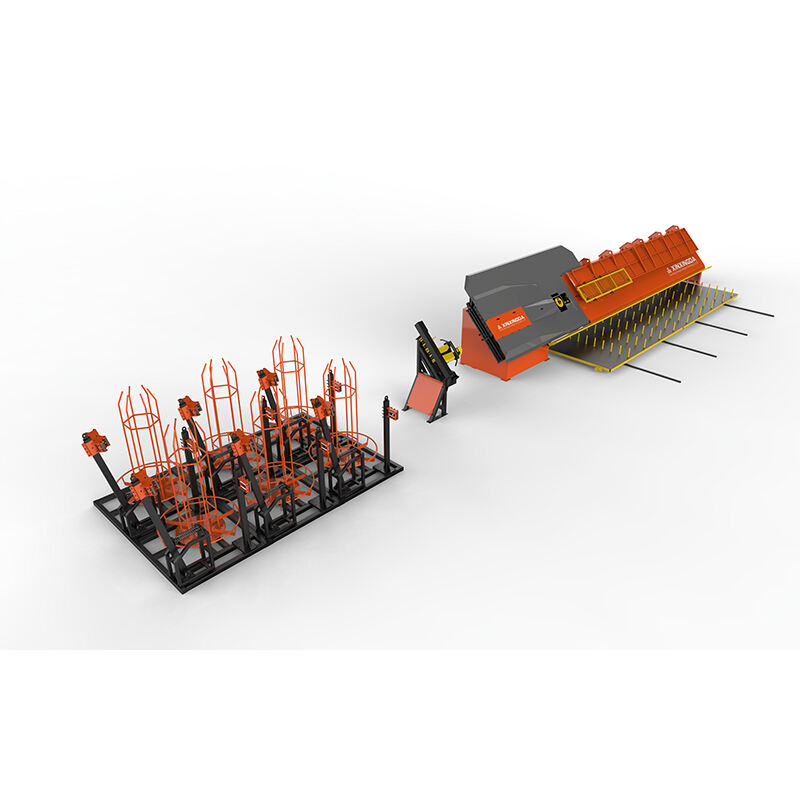
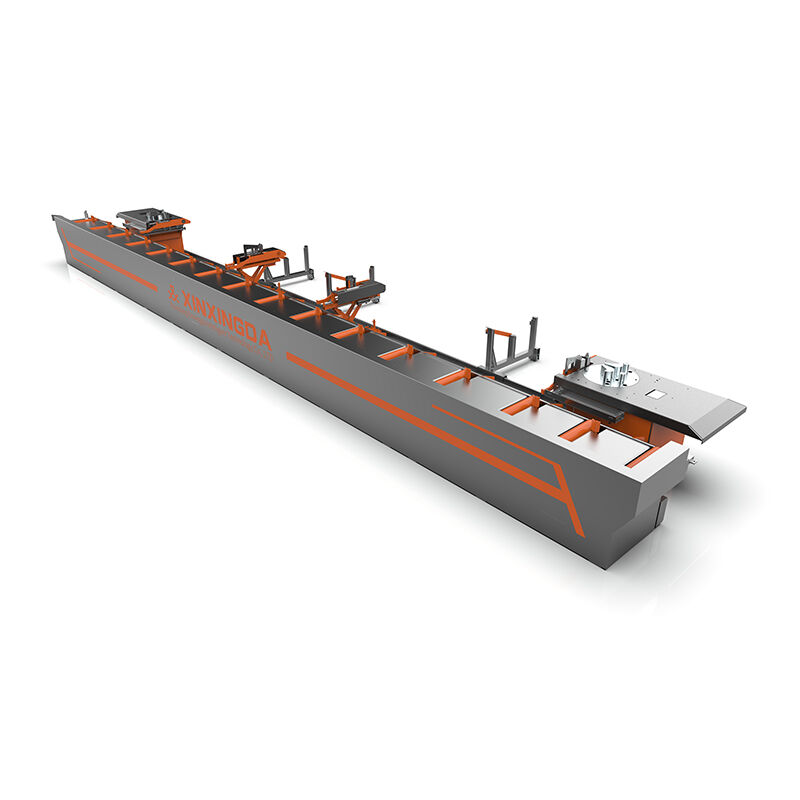
Steel cage roll welding machine types represent a revolutionary approach to reinforcement fabrication in construction projects. These sophisticated machines automate the production of cylindrical steel cages used primarily in concrete piles, columns, and other structural elements. The primary function of steel cage roll welding machine types involves continuous rolling and welding of longitudinal and spiral reinforcement bars to create uniform, high-strength cylindrical cages. Modern steel cage roll welding machine types feature advanced computerized control systems that precisely manage welding parameters, cage dimensions, and production speed. The technological foundation includes servo motor drives for accurate positioning, automated wire feeding mechanisms, and integrated quality control sensors that monitor weld integrity throughout the production process. Multiple welding heads operate simultaneously to ensure consistent joint quality while maintaining optimal production rates. Steel cage roll welding machine types accommodate various reinforcement bar diameters and cage specifications, making them versatile solutions for diverse construction requirements. The machines incorporate sophisticated cooling systems to maintain optimal operating temperatures during continuous production cycles. Safety features include emergency stop mechanisms, protective barriers, and automated shutdown protocols that activate when irregularities are detected. Applications span across infrastructure projects including bridge construction, high-rise buildings, foundation work, and precast concrete manufacturing. The precision engineering of steel cage roll welding machine types ensures dimensional accuracy within tight tolerances, critical for structural integrity. Advanced models feature programmable logic controllers that store multiple cage configurations, enabling rapid changeover between different production requirements. The integration of robotic welding technology eliminates human error while maintaining consistent weld penetration and strength characteristics essential for structural applications.


Popular Products

Steel cage roll welding machine types deliver exceptional productivity improvements that transform construction project timelines. These machines produce reinforcement cages significantly faster than traditional manual methods, with production rates reaching up to ten times greater efficiency. The automated nature eliminates labor-intensive processes while reducing workforce requirements and associated costs. Quality consistency stands as a paramount advantage, as steel cage roll welding machine types maintain uniform weld strength and dimensional accuracy throughout production runs. This consistency eliminates the variability inherent in manual fabrication, ensuring every cage meets exact specifications. Cost reduction benefits extend beyond labor savings to material optimization, as the machines minimize waste through precise cutting and positioning algorithms. The precision control systems prevent over-welding or under-welding conditions that compromise structural integrity or waste materials. Steel cage roll welding machine types enhance workplace safety by removing workers from hazardous welding environments and repetitive manual tasks. The enclosed operation reduces exposure to welding fumes and eliminates risks associated with handling heavy reinforcement materials. Operational flexibility allows manufacturers to respond quickly to changing project requirements without extensive retooling or setup modifications. The programmable nature enables production of various cage sizes and configurations within minutes, supporting diverse customer demands efficiently. Energy efficiency represents another significant advantage, as modern steel cage roll welding machine types incorporate advanced power management systems that optimize consumption during different production phases. The machines reduce overall project costs through improved scheduling reliability and predictable delivery times. Quality documentation capabilities provide complete traceability of production parameters, supporting quality assurance requirements and regulatory compliance. Maintenance requirements remain minimal due to robust engineering and automated lubrication systems that extend component lifecycles. The compact footprint of steel cage roll welding machine types maximizes facility utilization while accommodating future expansion needs. Return on investment typically occurs within the first year of operation due to combined productivity gains and cost reductions across multiple project categories.

Latest News

How to Choose Steel Bar Processing Equipment for Engineering Projects

05

Dec

How to Choose Steel Bar Processing Equipment for Engineering Projects

Selecting the right steel bar processing equipment is crucial for the success of any engineering project, whether you're working on commercial construction, infrastructure development, or industrial fabrication. The choice of equipment directly impac...
View More
What Advantages Does a CNC Steel Bar Shearing Production Line Provide

05

Dec

What Advantages Does a CNC Steel Bar Shearing Production Line Provide

Modern manufacturing demands precision, efficiency, and reliability in every production process. The steel fabrication industry has witnessed remarkable transformation through advanced automation technologies, with CNC steel bar shearing production l...
View More
What Features Define Reliable Steel Bar Processing Equipment

04

Jan

What Features Define Reliable Steel Bar Processing Equipment

Modern construction and manufacturing industries depend heavily on reliable steel bar processing equipment to maintain efficiency, precision, and safety standards. The quality of steel bar processing equipment directly impacts project timelines, mate...
View More
How to Select a Rebar Stirrup Bender for Efficient Construction Work

28

Feb

How to Select a Rebar Stirrup Bender for Efficient Construction Work

Construction professionals understand that precision and efficiency in reinforcement preparation directly impact project timelines and structural integrity. Among the essential tools for concrete construction, the rebar stirrup bender stands as a cri...
View More

Get a Free Quote

Our representative will contact you soon.
Email
Name
Company Name
Mobile / WhatsApp
Message
0/1000

steel cage roll welding machine types

Advanced Automation Technology Integration

Advanced Automation Technology Integration

Steel cage roll welding machine types incorporate cutting-edge automation technology that revolutionizes reinforcement cage manufacturing through intelligent control systems and precision engineering. The sophisticated programmable logic controllers manage every aspect of production from initial setup through final quality inspection, ensuring optimal performance across diverse operational conditions. Advanced servo motor technology provides micro-precise positioning of welding heads and material handling components, enabling consistent cage geometry within tolerances measured in millimeters. The integration of human-machine interfaces allows operators to easily configure production parameters through intuitive touchscreen controls that display real-time production data and system diagnostics. Automated material feeding systems continuously supply longitudinal and spiral reinforcement bars while maintaining proper tension and alignment throughout the welding process. The technology includes adaptive welding parameter control that automatically adjusts voltage, current, and wire feed rates based on material specifications and environmental conditions. Integrated vision systems monitor weld quality in real-time, detecting defects or irregularities that could compromise structural integrity and automatically implementing corrective measures. The automation extends to cage handling systems that safely transport completed products without manual intervention, reducing handling damage and improving workplace safety. Smart scheduling algorithms optimize production sequences to minimize setup times and maximize throughput efficiency across multiple cage configurations. Remote monitoring capabilities enable supervisors to track machine performance and production metrics from central control rooms, facilitating proactive maintenance scheduling and operational optimization. The technology platform supports Industry 4.0 connectivity standards, allowing integration with enterprise resource planning systems and supply chain management platforms. This comprehensive automation approach eliminates human error variables while providing unprecedented production consistency and quality assurance that manual methods cannot achieve.
Superior Weld Quality and Structural Integrity

Superior Weld Quality and Structural Integrity

Steel cage roll welding machine types deliver exceptional weld quality that exceeds industry standards through precisely controlled fusion processes and advanced metallurgical techniques. The machines utilize multiple welding technologies including metal inert gas welding and resistance spot welding, each optimized for specific joint configurations and material combinations. Consistent heat input control ensures proper penetration depths while preventing excessive heat affected zones that could weaken the reinforcement steel. The automated welding process eliminates human variables such as hand steadiness, travel speed inconsistencies, and arc length variations that commonly affect manual welding operations. Advanced shielding gas management systems protect the weld pool from atmospheric contamination, resulting in clean, porosity-free joints with superior mechanical properties. Real-time monitoring sensors continuously evaluate arc stability, wire feed consistency, and joint formation quality, automatically adjusting parameters to maintain optimal welding conditions. The precision positioning systems ensure accurate joint placement and consistent overlap dimensions that meet structural engineering requirements for load transfer and stress distribution. Quality control systems include automated visual inspection capabilities that detect surface defects, dimensional variations, and weld profile irregularities before products leave the production line. Comprehensive documentation systems record welding parameters for every joint, providing complete traceability and supporting quality assurance protocols required for critical infrastructure applications. The controlled welding environment eliminates weather-related variables that affect outdoor fabrication operations, ensuring consistent quality regardless of seasonal conditions. Material handling systems maintain proper cage geometry during welding operations, preventing distortion that could compromise structural performance in concrete applications. Post-weld cooling protocols optimize metallurgical properties while minimizing residual stresses that could affect long-term durability. Independent testing and certification procedures validate that steel cage roll welding machine types consistently produce joints meeting or exceeding relevant structural welding codes and specifications.
Exceptional Production Efficiency and Cost Optimization

Exceptional Production Efficiency and Cost Optimization

Steel cage roll welding machine types achieve remarkable production efficiency through optimized manufacturing processes that maximize output while minimizing resource consumption and operational costs. The continuous production methodology eliminates setup and changeover delays associated with batch processing, enabling sustained high-volume manufacturing that meets demanding project schedules. Integrated material handling systems maintain continuous workflow by automatically positioning reinforcement bars and removing completed cages without production interruptions. The machines operate with minimal supervision requirements, allowing skilled personnel to focus on quality oversight and production planning rather than routine operational tasks. Energy-efficient design incorporates variable frequency drives and power management systems that reduce electrical consumption during idle periods and optimize power delivery during active welding cycles. Predictive maintenance algorithms monitor component wear patterns and operational parameters to schedule maintenance activities during planned downtime, minimizing unscheduled production interruptions. The standardized production process eliminates variability in labor requirements, enabling accurate cost estimation and project budgeting across diverse customer applications. Material optimization algorithms calculate precise reinforcement bar lengths and positioning to minimize waste while ensuring structural adequacy according to engineering specifications. Rapid changeover capabilities allow production of different cage configurations within minutes rather than hours, supporting flexible manufacturing strategies that respond quickly to changing customer demands. The automated quality control systems reduce inspection time and eliminate costly rework by detecting defects during production rather than after completion. Inventory management integration tracks material consumption and production output in real-time, supporting just-in-time delivery strategies that reduce storage costs and improve cash flow. The compact production footprint maximizes facility utilization while accommodating future capacity expansion without significant infrastructure modifications. Comprehensive production reporting provides detailed cost analysis and efficiency metrics that support continuous improvement initiatives and operational optimization strategies.

Get a Free Quote

Our representative will contact you soon.
Email
Name
Company Name
Mobile / WhatsApp
Message
0/1000