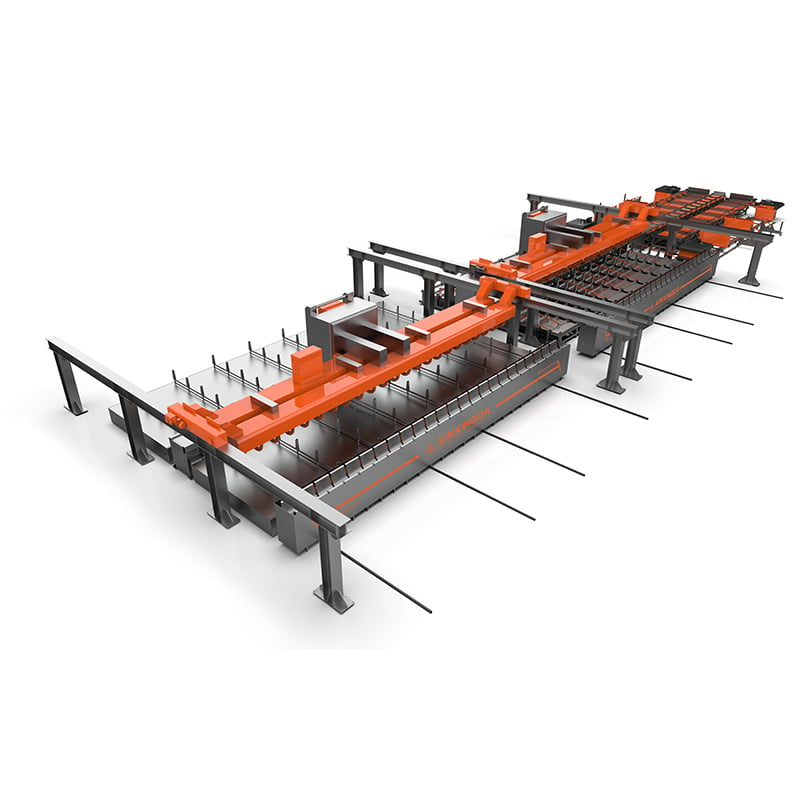
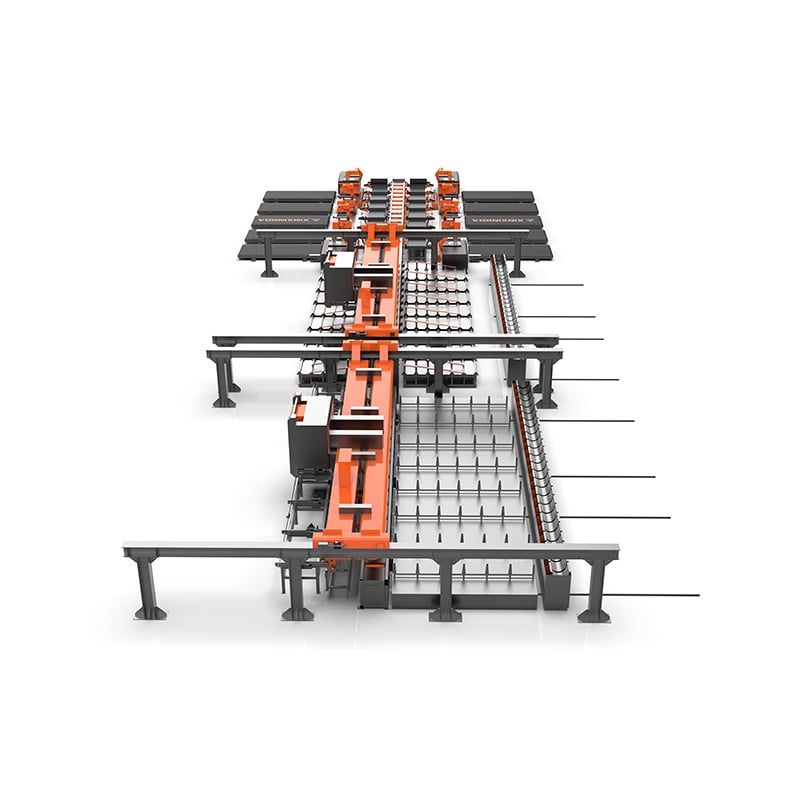
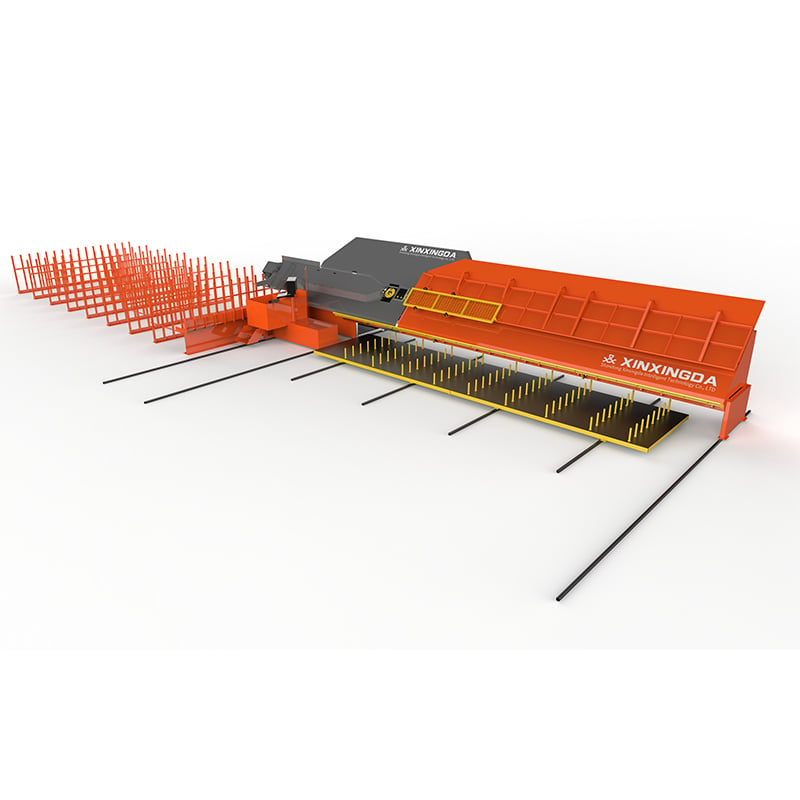
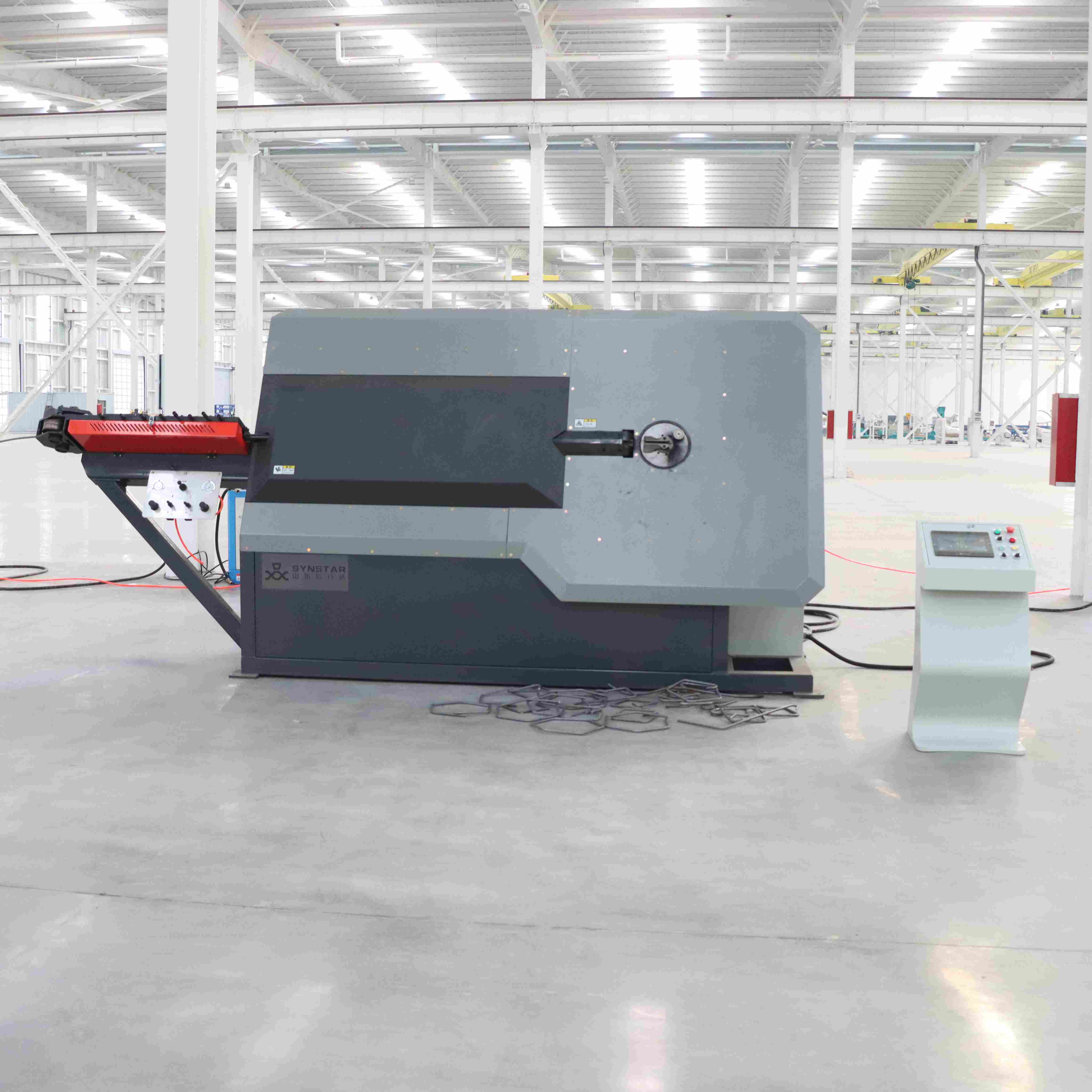
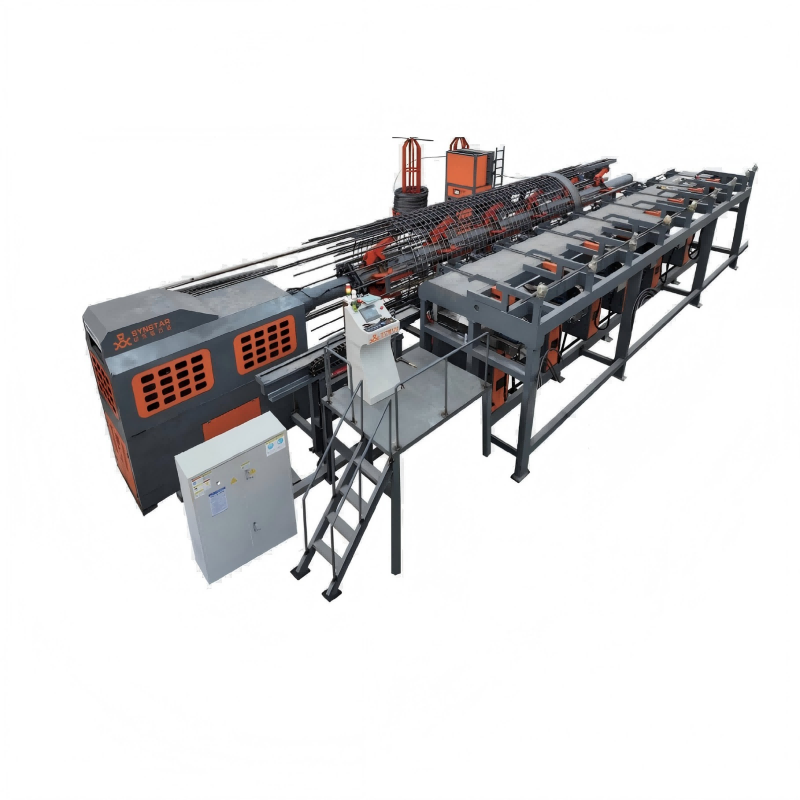
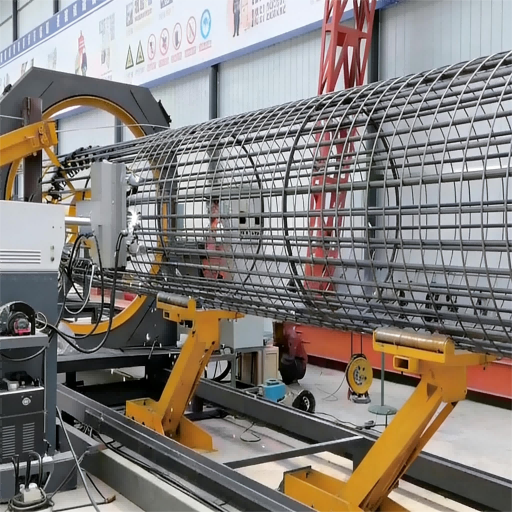
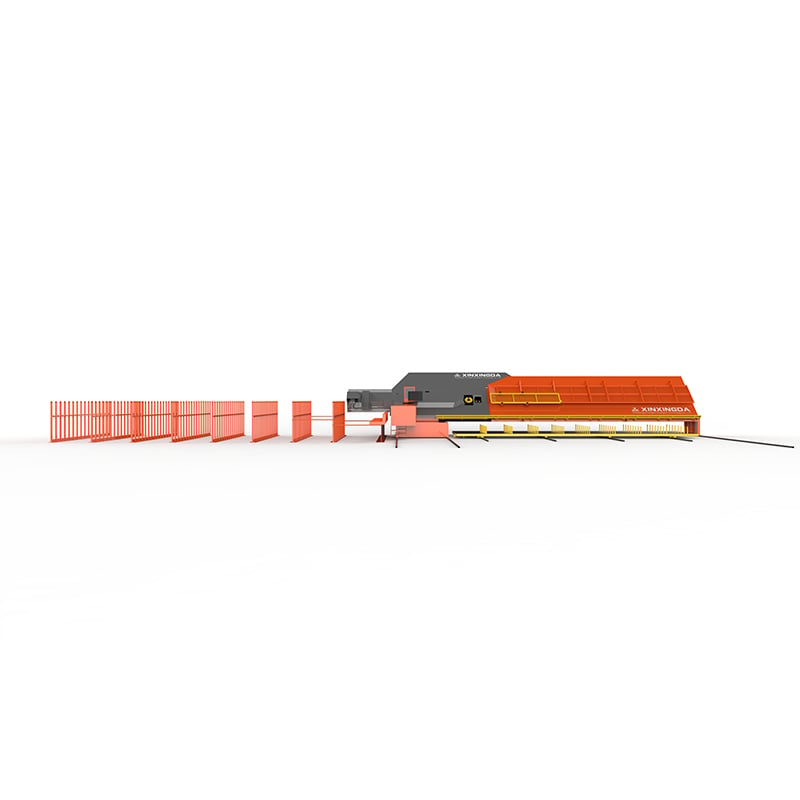
With the advancement of industrialized construction, the processing of steel cages, as a crucial step in the construction of bridges, pile foundations, and building columns, is becoming increasingly automated. The steel cage bending machine (also known as the numerical control bending machine or cage welding machine) has significantly enhanced production efficiency by being capable of completing the uncoiling, straightening, bending, cutting, and shaping of steel bars in one go.
However, for enterprises planning to introduce or update equipment, understanding the cost structure of this equipment is far more complex than merely looking at the "purchase price tag". From the equipment's installation to its long-term operation, its total cost is typically composed of the following major core components.
I. Equipment Purchase Cost
This is the most direct "explicit cost", usually accounting for 70% to 80% of the total investment.
Host machine price:
This is the basic price of the equipment itself, which is affected by the equipment model, numerical control system, processing diameter range (such as processing 12-32mm steel bars), and the degree of automation. Generally speaking, the price of fully automatic numerical control equipment is much higher than that of semi-automatic or mechanical equipment.
Feeding rack and material receiving mechanism:
Reinforcement cage bending and coiling machines usually need to be equipped with heavy-duty uncoiling racks (capable of bearing the weight of coiled bars) and automatic material receiving devices. Sometimes, the costs of these components are quoted separately by the main machine manufacturer and they are necessary additional parts.
Mold and consumables cost:
The standard configuration usually includes a set of basic specification molds (such as bending molds of specific diameters). If different specifications of reinforcing bars or special-shaped stirrups need to be processed, additional molds corresponding to the requirements must be purchased, which is also an initial investment that cannot be ignored.
II. Transportation and Installation & Commissioning Costs
A series of expenses will be incurred during the process of transporting the equipment from the manufacturer's workshop to your construction site or processing plant.
Logistics and Freight Charges:
Reinforcement cage bending and coiling machines are heavy machinery, typically weighing several tons to over ten tons. Long-distance transportation costs vary depending on the distance and whether special flatbed trucks (for oversized items) are required.
Lifting and handling charges:
Upon arrival at the destination, a crane or forklift is required for unloading and transporting the goods to the designated installation location.
Installation and commissioning fee:
Some manufacturers' quotations include the first on-site installation and commissioning, but others require users to bear the travel, accommodation and meal expenses of technicians. This includes the level calibration of the equipment, circuit connection, parameter setting and trial operation.
III. Operating and Production Costs
This is the largest "hidden cost" throughout the equipment's life cycle, directly determining the processing profit per ton of rebar.
Electricity consumption:
The main motor, oil pump, servo motor and conveyor roller of the equipment all consume electricity. The electricity cost for different power equipment (usually between 15kW and 30kW) varies greatly when operating at full capacity. Selecting energy-saving servo motors is the key to reducing this cost.
Cost of replacing vulnerable parts:
Straightening wheel: The steel bars pass through the straightening wheel to remove internal stress. The wheel wears out quickly and needs to be replaced regularly.
Bending tool/mandrel: The part that comes into direct contact with the reinforcing bar during bending is subject to wear due to long-term high-load operation.
Cutting blade: This is the most crucial consumable part. The quality of the cutting blade (such as the material being H13 or Cr12MoV) directly affects its service life and replacement frequency.
Rebar loss rate:
This is usually not counted as "equipment cost", but it is directly related to equipment accuracy. Precise cutting to length and bending control can reduce the waste of rebar ends, while old or poorly adjusted equipment will lead to an increase in scrap rate due to errors.
IV. Labor Costs
Although automated equipment is designed to "reduce the number of workers", it does not mean "no workers at all".
Operator's salary:
Although modern CNC steel bar bending machines can be operated by only one person, this worker needs to have certain computer operation and CNC programming skills, and their salary level is usually higher than that of ordinary laborers.
Wages for auxiliary personnel:
If manual assistance is still required in the back-end material receiving or binding process, the labor cost for this part should also be included in the overall production expenditure.
V. Maintenance and Repair Costs
The more complex the equipment is, the higher the potential costs for maintenance.
Regular maintenance fee:
It includes the replacement of hydraulic oil, lubricating oil, filter elements, etc. Regular and meticulous maintenance can extend the service life of the equipment and reduce unexpected breakdowns.
Fault repair cost:
Electrical components: such as PLC (Programmable Logic Controller) modules, servo drives, displays, sensors, etc. These are precise electrical parts, and the replacement cost is relatively high after damage.
Mechanical components: such as reducers, bearings, chains, etc.
After-sales service response cost:
If the equipment malfunctions, the on-site service fee of the manufacturer's after-sales personnel, the cost of spare parts, and the losses caused by production suspension and waiting for repairs are all potential costs. Choosing a brand with a dense after-sales service network can reduce these losses.
VI. Site Occupancy Costs
Factory rent or depreciation:
The production line of steel cage bending and coiling machines usually requires a certain amount of working space, which not only includes the area occupied by the equipment but also the areas for raw material storage and finished product storage. The rent or infrastructure depreciation corresponding to this site should also be included in the total cost of equipment operation.
Foundation construction cost:
When heavy equipment is in operation, it often causes significant vibration, which usually requires the pouring of a concrete foundation in advance. This part of the civil engineering cost is often overlooked before purchasing the equipment.
VII. Technological Upgrades and Software Costs
With the advancement of digital factories, many new types of bar bending machines support MES system (Manufacturing Execution System) integration or cloud platform management.
Software licensing fees: Some high-end devices may require additional copyright fees or upgrade service fees for the graphic programming software they use.
Technical training fee: In-depth technical training for operators is sometimes free, but highly customized training may incur costs.
Summary
When evaluating the cost of a steel cage bar bending machine, one should not merely focus on the price of the bare machine. A rational investor should adopt the life cycle cost theory to consider:
Total cost =
Purchase cost +
Installation cost +
Operating costs +
Maintenance cost
Total cost = Purchase cost + Installation cost + Operating cost + Maintenance cost
When making a purchase, stability and accuracy often play a more decisive role than the initial selling price. A device that is slightly more expensive but has strong stability, low power consumption, and durable wear parts can often recoup the initial price difference within a year of operation through savings in electricity, labor, and waste costs. It is recommended that before purchasing, the manufacturer be requested to provide detailed power parameters, a list of wear parts, and an estimated service life to facilitate a more accurate investment budget.
 Hot News
2026-05-27
2026-05-18
2026-05-12
2026-05-08
2026-05-01
2026-04-27
Copyright © 2026 Shandong synstar Intelligent Technology Co., Ltd. All rights reserved. - Privacy Policy
 EN
EN