All Categories

Get a Free Quote

Our representative will contact you soon.
Email
Name
Company Name
Mobile
Message
0/1000
automated welding robot-1

Home > 

automated welding robot

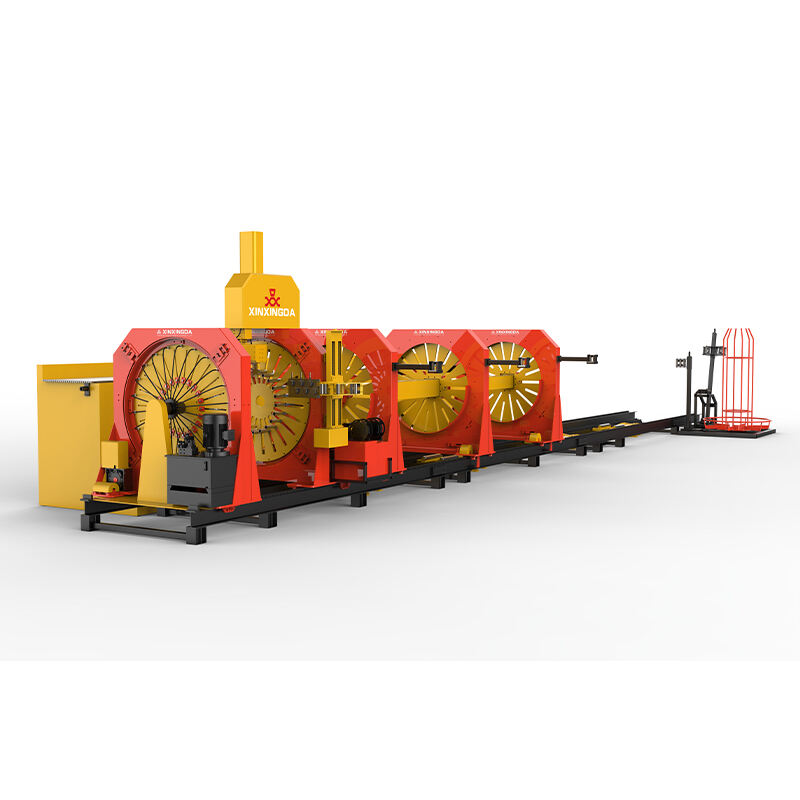
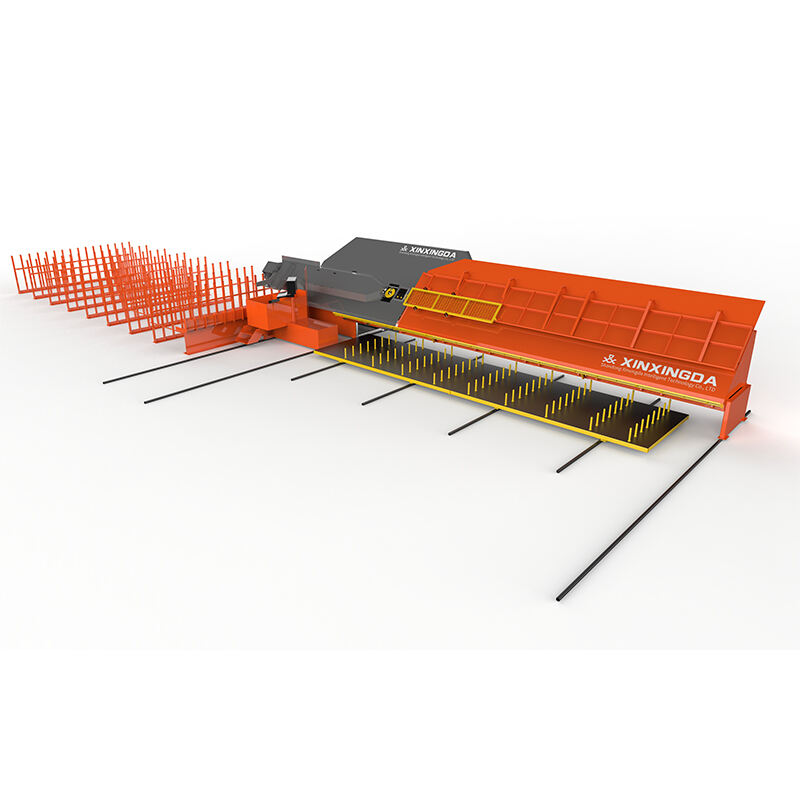
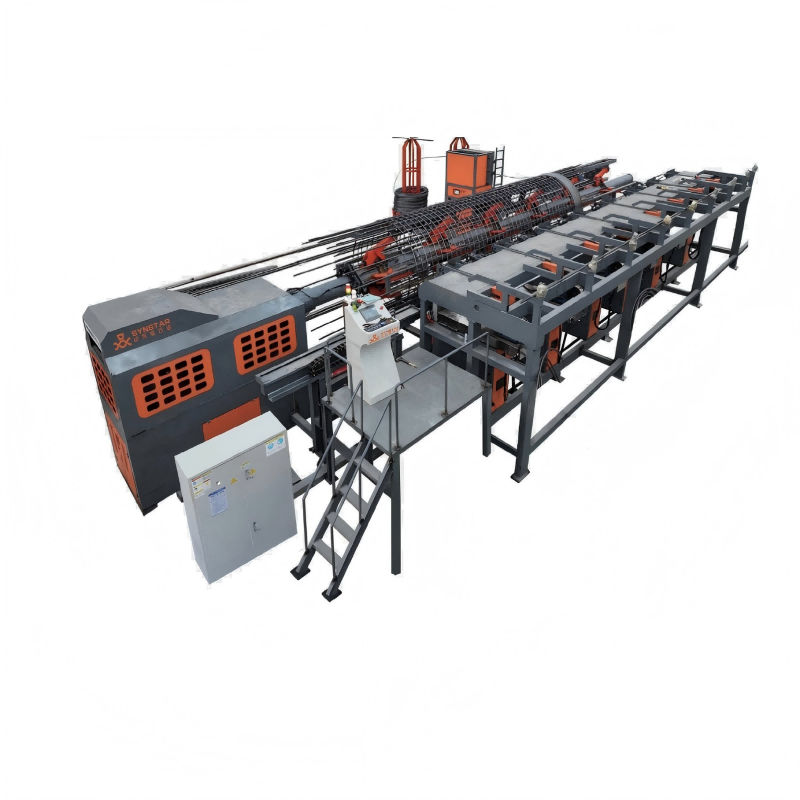
The automated welding robot represents a significant advancement in manufacturing technology, combining precision engineering with artificial intelligence to deliver consistent, high-quality welds. These sophisticated machines utilize advanced sensors and computer-controlled systems to perform complex welding operations with unprecedented accuracy and speed. The robot's main functions include automated torch manipulation, real-time seam tracking, and adaptive welding parameter control. Equipped with multiple axes of movement, these robots can access difficult angles and maintain optimal welding positions throughout the entire process. The technology features advanced vision systems that enable precise weld placement and quality monitoring, while integrated thermal sensors ensure proper temperature control during operation. These robots excel in various applications, from automotive manufacturing to heavy equipment fabrication, offering solutions for both spot welding and continuous seam welding. The system's programming interface allows for quick setup and easy modification of welding parameters, making it suitable for both high-volume production and custom fabrication work. With built-in quality control mechanisms and data logging capabilities, these robots provide comprehensive documentation of each weld, ensuring traceability and compliance with industry standards.

New Product Releases

The implementation of automated welding robots brings numerous tangible benefits to manufacturing operations. First and foremost, these systems dramatically improve welding consistency and quality, eliminating human error and fatigue-related issues that can affect manual welding. Production efficiency sees a marked increase, with robots capable of working continuously without breaks, potentially operating 24/7 with minimal supervision. The precision of automated systems results in significant material savings by reducing overwelding and spatter, while also minimizing the need for post-weld cleanup and rework. Worker safety is enhanced as robots handle hazardous welding environments, reducing exposure to harmful fumes, intense heat, and bright light. The systems offer remarkable flexibility, easily adapting to different welding requirements through simple programming adjustments. Cost savings become evident through reduced labor expenses, improved material utilization, and decreased quality control issues. Modern automated welding robots also feature advanced data collection capabilities, enabling real-time monitoring and analysis of welding parameters for continuous process improvement. The robots' ability to maintain consistent weld quality leads to stronger, more reliable products and fewer warranty claims. Additionally, these systems can perform complex welding patterns that would be difficult or impossible for human welders, expanding manufacturing capabilities and opening new product possibilities. The integration of automated welding robots also helps companies address skilled labor shortages in the welding industry while maintaining high production standards.

Tips And Tricks

How Is Smart Construction Equipment Transforming Modern Job Sites

24

Sep

How Is Smart Construction Equipment Transforming Modern Job Sites

The Digital Revolution in Construction Technology The construction industry is experiencing an unprecedented transformation as smart construction equipment reshapes traditional workflows and methodologies. This technological evolution is revolutioniz...
View More
Which Construction Equipment Offers the Best Value for Large Contractors

19

Sep

Which Construction Equipment Offers the Best Value for Large Contractors

Maximizing ROI Through Strategic Equipment Investment The construction industry's landscape continues to evolve, with equipment decisions playing a pivotal role in a contractor's success. Making informed choices about construction equipment value req...
View More
How to Extend the Lifespan of a Large-Scale Bending Machine

24

Sep

How to Extend the Lifespan of a Large-Scale Bending Machine

Importance of Maintaining a Large-Scale Bending Machine A large-scale bending machine is a critical piece of equipment in modern manufacturing. It plays an essential role in shaping metal sheets, pipes, and other materials with precision and efficien...
View More
Which Features Define Reliable Steel Cage Rolling Welding Machine

24

Sep

Which Features Define Reliable Steel Cage Rolling Welding Machine

Importance of Selecting a Reliable Steel Cage Rolling Welding Machine A steel cage rolling welding machine is at the heart of modern construction and infrastructure projects. It combines the functions of rolling and welding, allowing reinforced cages...
View More

Get a Free Quote

Our representative will contact you soon.
Email
Name
Company Name
Mobile
Message
0/1000

automated welding robot

Advanced Sensor Integration and Adaptive Control

Advanced Sensor Integration and Adaptive Control

The automated welding robot's sensor integration system represents a breakthrough in welding technology, combining multiple sensor types to ensure optimal weld quality in real-time. Through the implementation of vision sensors, laser distance measurement, and arc monitoring systems, the robot continuously adjusts its parameters to maintain precise weld characteristics. This adaptive control system can detect and respond to variations in joint geometry, material thickness, and surface conditions, ensuring consistent weld quality even when working with complex or variable components. The system's ability to make millisecond adjustments to welding parameters such as voltage, amperage, and travel speed results in superior weld penetration and appearance. This sophisticated sensor network also enables the robot to perform pre-weld checks, identifying potential issues before they affect production quality.
Intelligent Path Planning and Collision Avoidance

Intelligent Path Planning and Collision Avoidance

The robot's advanced path planning capabilities utilize sophisticated algorithms to determine the optimal welding trajectory for each application. This intelligent system considers multiple factors including part geometry, access constraints, and process requirements to generate efficient welding paths that maximize quality while minimizing cycle time. The integrated collision avoidance system employs 3D workspace monitoring to prevent interference with fixtures or other equipment, ensuring safe and reliable operation. The robot can automatically adjust its approach angles and torch orientations to maintain optimal access to weld joints while avoiding obstacles. This intelligent planning system also optimizes torch travel between welds, reducing non-productive time and increasing overall efficiency.
Comprehensive Data Analytics and Quality Management

Comprehensive Data Analytics and Quality Management

The automated welding robot includes a powerful data analytics suite that provides unprecedented insight into the welding process. Every weld parameter is monitored and recorded in real-time, creating a comprehensive digital record for quality assurance and traceability. The system's advanced analytics capabilities can identify trends and potential issues before they impact product quality, enabling proactive maintenance and process optimization. Quality management features include automatic detection of weld defects, real-time monitoring of key performance indicators, and detailed reporting capabilities. This data-driven approach enables continuous improvement of welding processes and helps maintain consistent quality standards across multiple production shifts and locations.

Get a Free Quote

Our representative will contact you soon.
Email
Name
Company Name
Mobile
Message
0/1000