All Categories

Get a Free Quote

Our representative will contact you soon.
Email
Name
Company Name
Mobile / WhatsApp
Message
0/1000
automated welding equipment-1

Home > 

automated welding equipment

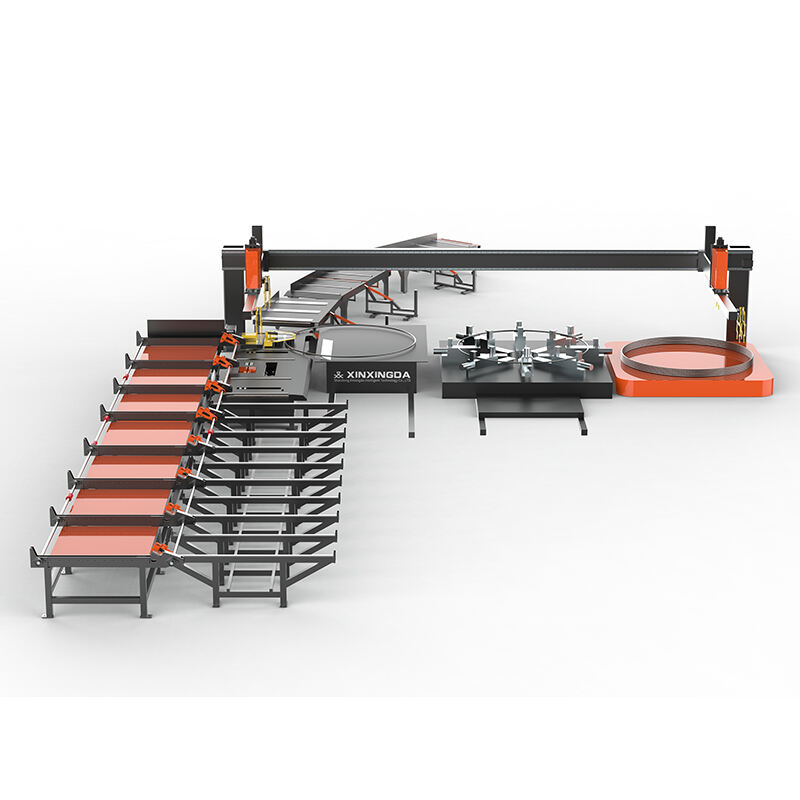
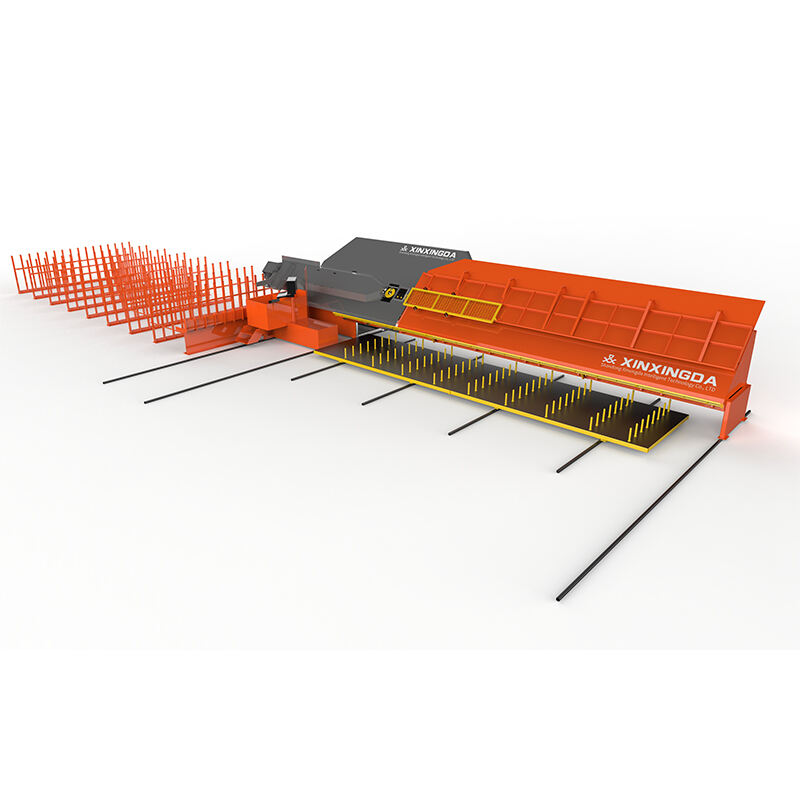
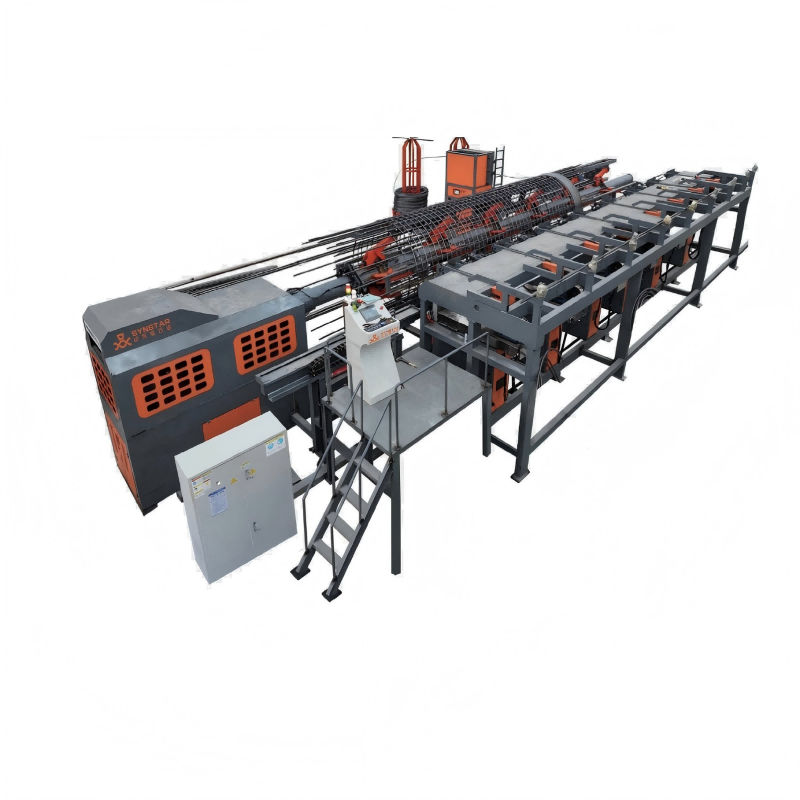
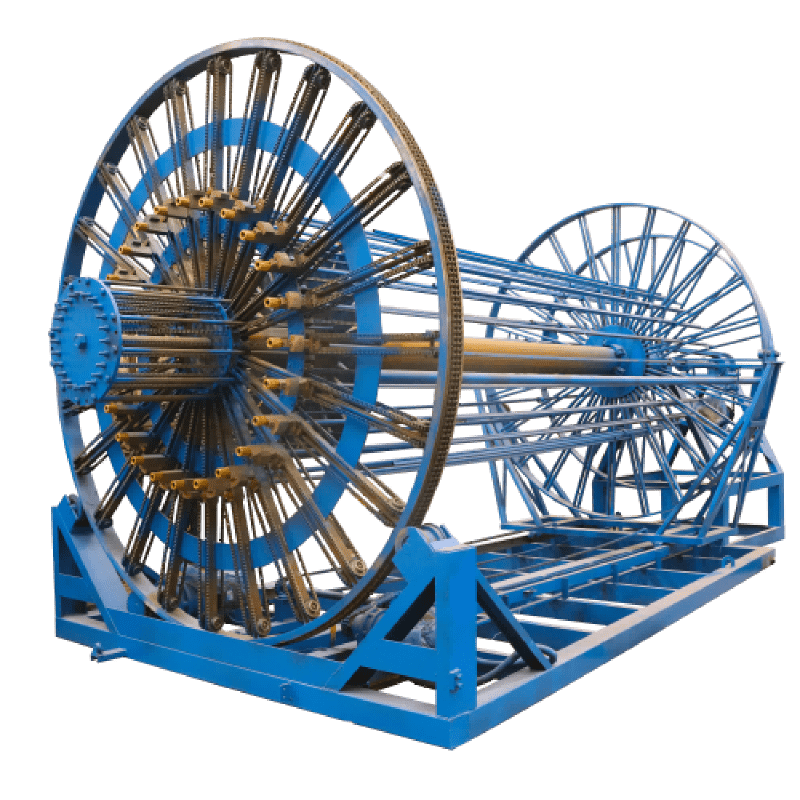
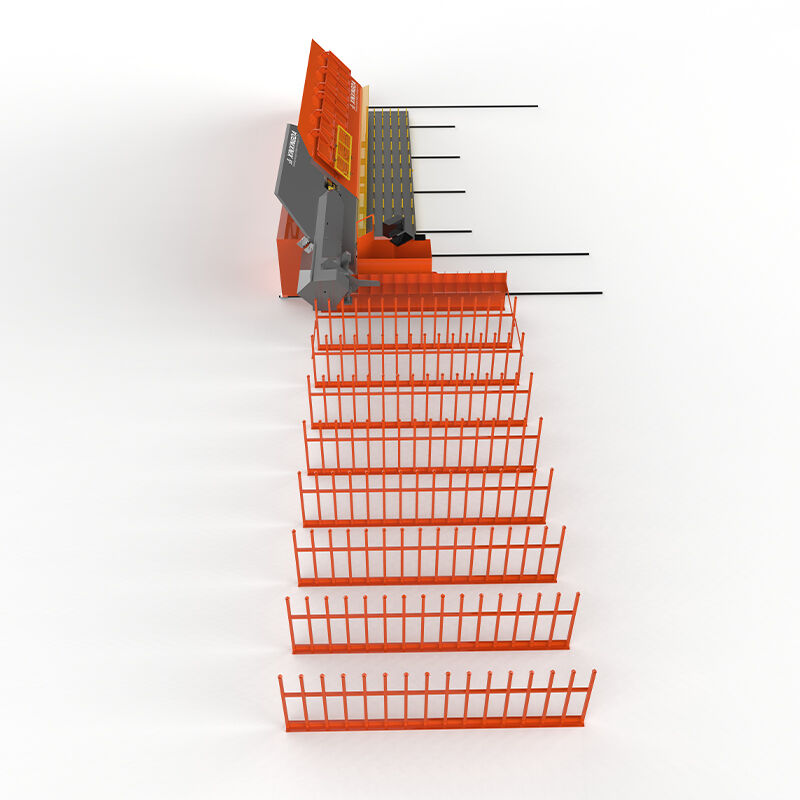
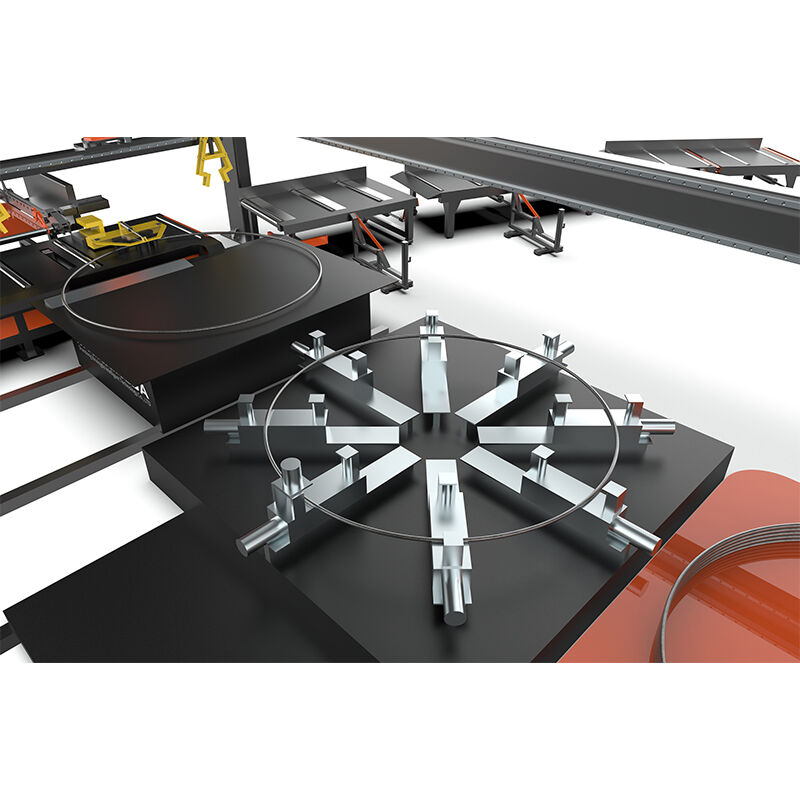
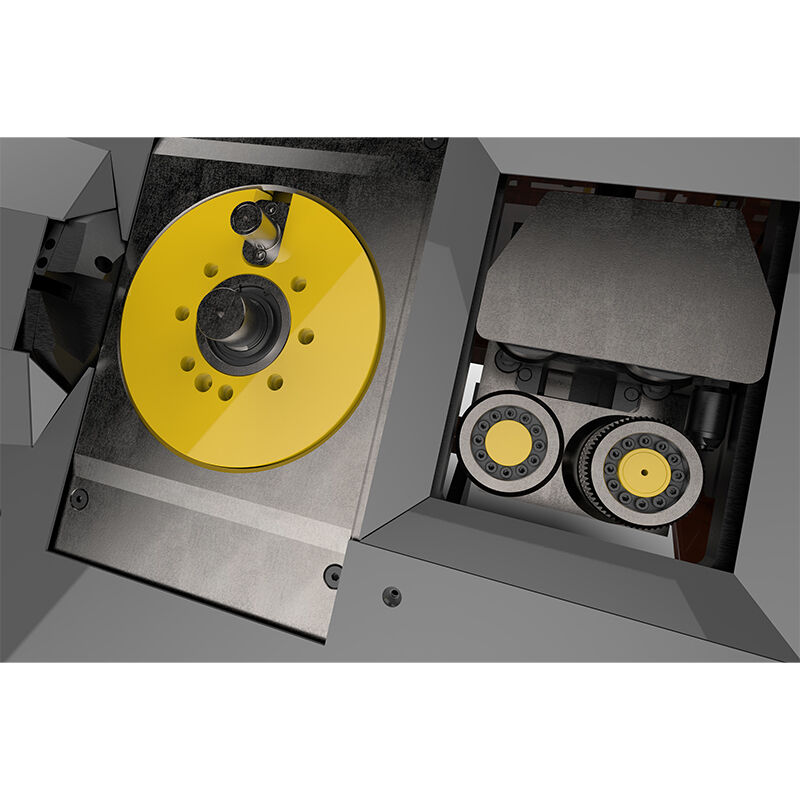
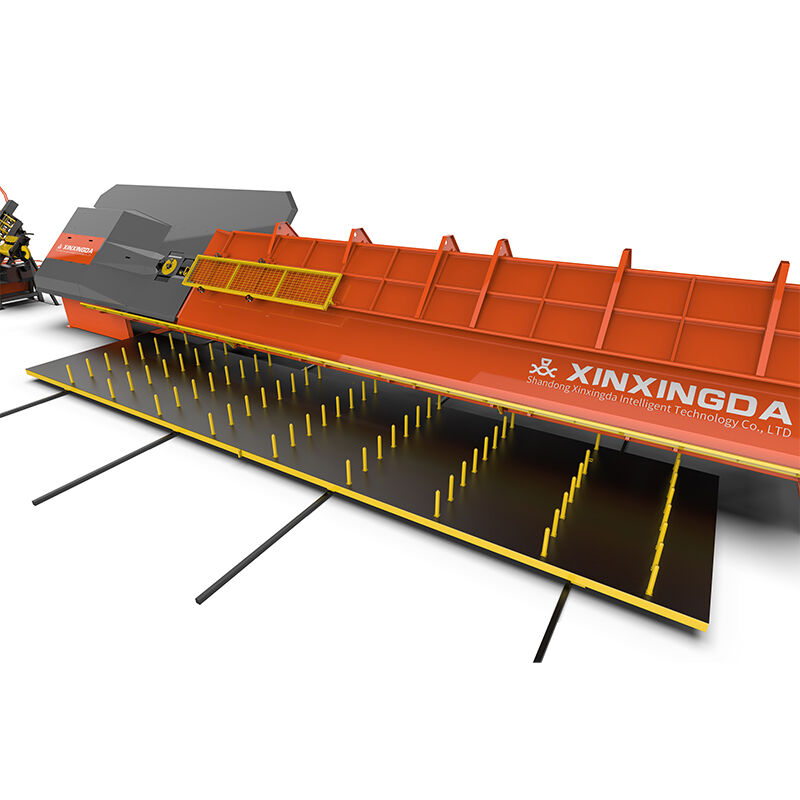
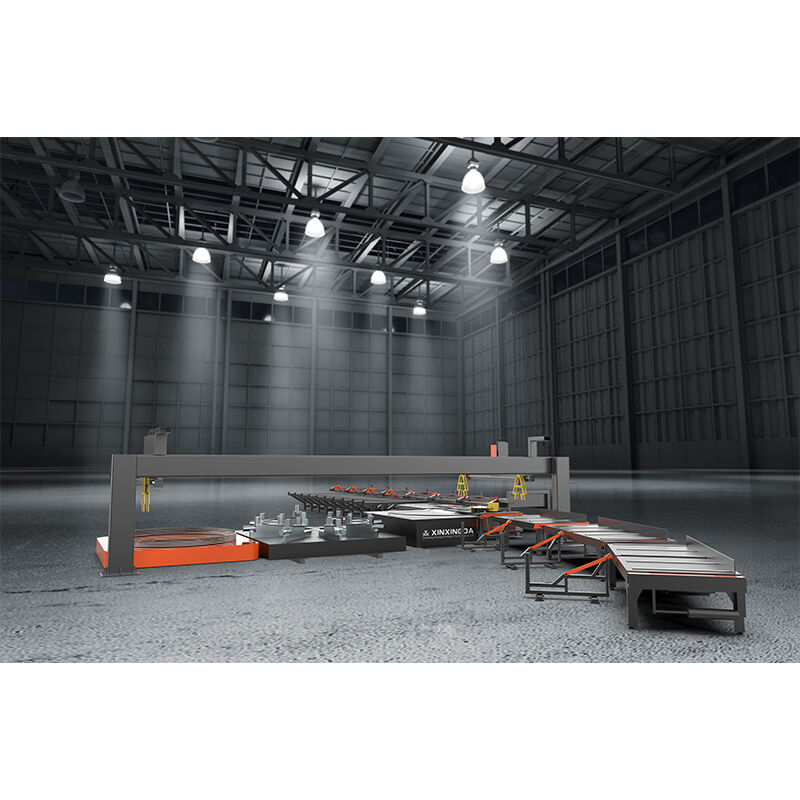
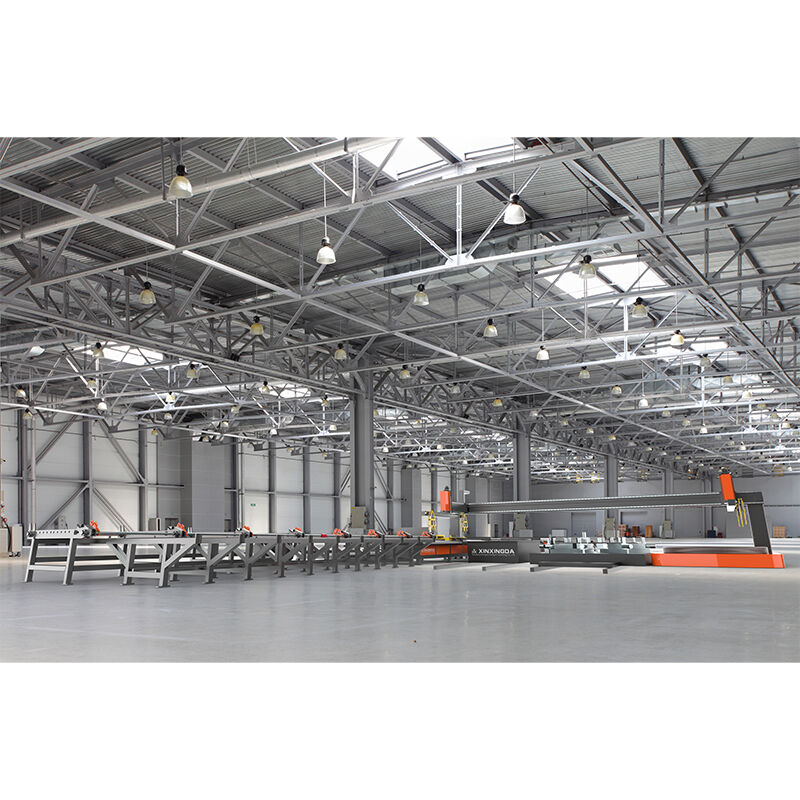
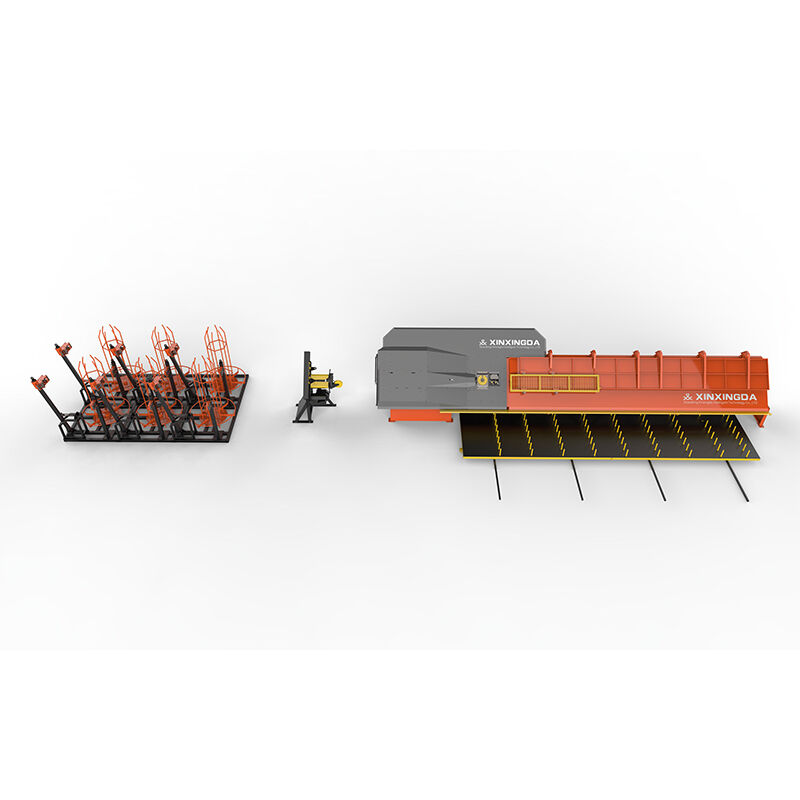
Automated welding equipment represents a revolutionary advancement in manufacturing technology, transforming how industries approach metal fabrication and assembly processes. This sophisticated machinery combines precision robotics, advanced sensors, and intelligent control systems to deliver consistent, high-quality welds without direct human intervention. The automated welding equipment integrates seamlessly into production lines, offering manufacturers unprecedented control over welding parameters while maintaining exceptional repeatability. Modern automated welding equipment utilizes various welding processes including MIG, TIG, plasma arc, and resistance welding, adapting to diverse material requirements and joint configurations. These systems feature programmable logic controllers that store welding procedures, enabling operators to recall specific settings for different projects instantly. The equipment incorporates real-time monitoring capabilities through integrated cameras and sensors that track weld quality, detecting defects as they occur. Advanced automated welding equipment includes adaptive control features that automatically adjust welding parameters based on material thickness variations, joint gaps, and environmental conditions. The technology supports multiple welding positions, from flat and horizontal to vertical and overhead applications, expanding its versatility across various manufacturing scenarios. Safety mechanisms built into automated welding equipment include emergency stop functions, protective barriers, and fume extraction systems that protect operators and maintain workplace safety standards. The equipment's modular design allows for easy integration with existing production systems, while its user-friendly interface enables operators with varying skill levels to manage complex welding operations efficiently. Remote monitoring capabilities enable supervisors to oversee multiple automated welding equipment units simultaneously, optimizing resource allocation and production scheduling.


Popular Products

Automated welding equipment delivers substantial cost savings by reducing labor expenses and minimizing material waste through precise weld placement and consistent penetration depths. Companies experience immediate productivity gains as these systems operate continuously without breaks, fatigue, or performance variations that affect human welders. The equipment produces superior weld quality with minimal defects, reducing rework costs and improving overall product reliability. Automated welding equipment eliminates human error factors, ensuring each weld meets exact specifications regardless of production volume or time constraints. Manufacturers benefit from faster production cycles as automated systems complete welds at optimized speeds while maintaining quality standards that exceed manual welding capabilities. The technology provides exceptional repeatability, producing identical welds across thousands of parts, which proves crucial for industries requiring consistent joint strength and appearance. Safety improvements represent another significant advantage, as automated welding equipment removes operators from hazardous welding environments, reducing exposure to harmful fumes, intense light, and potential burn injuries. These systems require minimal supervision once programmed, allowing skilled welders to focus on complex tasks while automated equipment handles repetitive operations efficiently. Energy efficiency improvements result from optimized welding parameters that reduce power consumption compared to manual welding processes. Automated welding equipment adapts quickly to production changes through programmable settings that accommodate different materials, thicknesses, and joint designs without extensive setup modifications. Documentation capabilities built into modern systems provide detailed welding reports, supporting quality control requirements and traceability demands in regulated industries. The equipment maintains consistent performance in challenging environments where temperature fluctuations, humidity, or air quality might affect human welders. Training costs decrease significantly as operators need basic programming knowledge rather than advanced welding skills, expanding the available workforce pool. Automated welding equipment offers scalability advantages, allowing manufacturers to increase production capacity by adding additional units without proportional increases in skilled labor requirements.

Latest News

What Advantages Does Construction Processing Equipment Offer Builders

05

Dec

What Advantages Does Construction Processing Equipment Offer Builders

Modern construction projects demand precision, efficiency, and reliability at every stage of development. Today's builders face increasing pressure to deliver high-quality structures within tight deadlines while maintaining cost-effectiveness and saf...
View More
What Features Define Reliable Steel Bar Processing Equipment

04

Jan

What Features Define Reliable Steel Bar Processing Equipment

Modern construction and manufacturing industries depend heavily on reliable steel bar processing equipment to maintain efficiency, precision, and safety standards. The quality of steel bar processing equipment directly impacts project timelines, mate...
View More
Which Features Matter Most When Buying a Rebar Stirrup Bender

28

Feb

Which Features Matter Most When Buying a Rebar Stirrup Bender

Construction professionals seeking efficient reinforcement fabrication solutions must carefully evaluate equipment specifications when investing in automated bending machinery. Modern rebar stirrup bender technology has revolutionized how contractors...
View More
What Advantages Does a CNC Steel Bar Bending Machine Provide

30

Mar

What Advantages Does a CNC Steel Bar Bending Machine Provide

A CNC steel bar bending machine represents a revolutionary advancement in construction and manufacturing operations, delivering unprecedented precision and efficiency in steel bar manipulation. This sophisticated equipment has transformed how contrac...
View More

Get a Free Quote

Our representative will contact you soon.
Email
Name
Company Name
Mobile / WhatsApp
Message
0/1000

automated welding equipment

Precision Control and Quality Assurance

Precision Control and Quality Assurance

Automated welding equipment delivers unmatched precision through advanced sensor technology and real-time feedback systems that monitor every aspect of the welding process. These sophisticated systems utilize laser tracking, vision systems, and arc monitoring to maintain optimal welding conditions throughout each operation. The precision control mechanisms continuously adjust welding parameters including travel speed, wire feed rate, voltage, and current based on joint geometry and material conditions. This automated welding equipment incorporates adaptive algorithms that learn from previous welding cycles, continuously improving performance and reducing variations between consecutive welds. Quality assurance features include integrated non-destructive testing capabilities that evaluate weld integrity without interrupting production flow. The equipment's precision extends to heat input control, preventing distortion and maintaining consistent mechanical properties across all welded joints. Advanced automated welding equipment utilizes predictive analytics to anticipate potential quality issues before they occur, automatically implementing corrective measures to maintain specification compliance. The systems provide detailed quality documentation for each weld, including photographic evidence, parameter logs, and defect analysis reports that support comprehensive quality management programs. Precision positioning systems ensure accurate torch placement with repeatability measured in fractions of millimeters, eliminating the variability associated with manual welding techniques. These quality control features prove particularly valuable in critical applications where weld failure could result in catastrophic consequences, such as aerospace, nuclear, and pressure vessel manufacturing. The automated welding equipment's ability to maintain consistent quality across extended production runs reduces inspection requirements and accelerates delivery schedules.
Enhanced Productivity and Operational Efficiency

Enhanced Productivity and Operational Efficiency

Modern automated welding equipment transforms manufacturing operations by delivering productivity improvements that often exceed 200 percent compared to manual welding processes. These systems operate continuously across multiple shifts without performance degradation, maximizing equipment utilization and production throughput. The automated welding equipment eliminates time losses associated with welder breaks, setup variations, and skill-dependent performance fluctuations that characterize manual operations. Rapid changeover capabilities allow the equipment to switch between different welding procedures in minutes rather than hours required for manual setup modifications. Production scheduling becomes more predictable as automated welding equipment maintains consistent cycle times regardless of external factors that might influence human performance. The systems integrate seamlessly with manufacturing execution systems, providing real-time production data that enables optimized workflow management and resource allocation. Multi-station capabilities allow single operators to oversee multiple automated welding equipment units simultaneously, multiplying individual productivity while reducing labor costs per unit produced. The equipment's ability to weld in challenging positions and confined spaces expands manufacturing possibilities without requiring specialized operator skills or complex fixturing solutions. Automated welding equipment reduces secondary operations through precise weld placement and controlled heat input that minimizes distortion and finishing requirements. These productivity gains compound over time as consistent quality reduces rework, warranty claims, and customer complaints that drain manufacturing resources. The systems support lean manufacturing principles by eliminating waste in materials, time, and human resources while maintaining flexibility to accommodate varying production demands. Integration capabilities with upstream and downstream processes create seamless production flow that maximizes overall manufacturing efficiency.
Cost-Effectiveness and Return on Investment

Cost-Effectiveness and Return on Investment

Automated welding equipment provides compelling financial benefits that typically generate positive return on investment within 12 to 18 months of implementation. Direct labor cost reductions represent the most immediate savings, as single operators can manage multiple automated systems that previously required several skilled welders. Material cost savings result from precise wire deposition and optimized welding parameters that eliminate overwelding and reduce consumable waste by up to 30 percent compared to manual processes. The automated welding equipment reduces training expenses as operators require basic technical knowledge rather than years of specialized welding experience, expanding recruitment possibilities and reducing wage premiums associated with skilled trades. Quality improvements delivered by automated systems reduce warranty costs, customer returns, and reputation damage associated with defective products reaching market. Energy efficiency features built into modern automated welding equipment reduce utility costs through optimized power consumption and improved duty cycles that maximize productive welding time. Maintenance costs remain predictable and manageable through preventive maintenance programs supported by built-in diagnostic systems that identify potential issues before equipment failure occurs. The equipment's longevity and reliability minimize replacement costs while maintaining consistent performance over extended operational periods. Insurance premium reductions often accompany automated welding equipment installation due to improved workplace safety and reduced accident potential. Financing options available for automated welding equipment purchases include lease arrangements that preserve working capital while providing immediate access to advanced technology benefits. The systems' flexibility to accommodate various welding applications maximizes equipment utilization across different product lines, improving capital efficiency and reducing per-unit fixed costs. Tax incentives and depreciation benefits associated with manufacturing equipment purchases further enhance the financial attractiveness of automated welding equipment investments.

Get a Free Quote

Our representative will contact you soon.
Email
Name
Company Name
Mobile / WhatsApp
Message
0/1000