All Categories

Get a Free Quote

Our representative will contact you soon.
Email
Name
Company Name
Mobile
Message
0/1000
automated welding systems-1

Home > 

automated welding systems

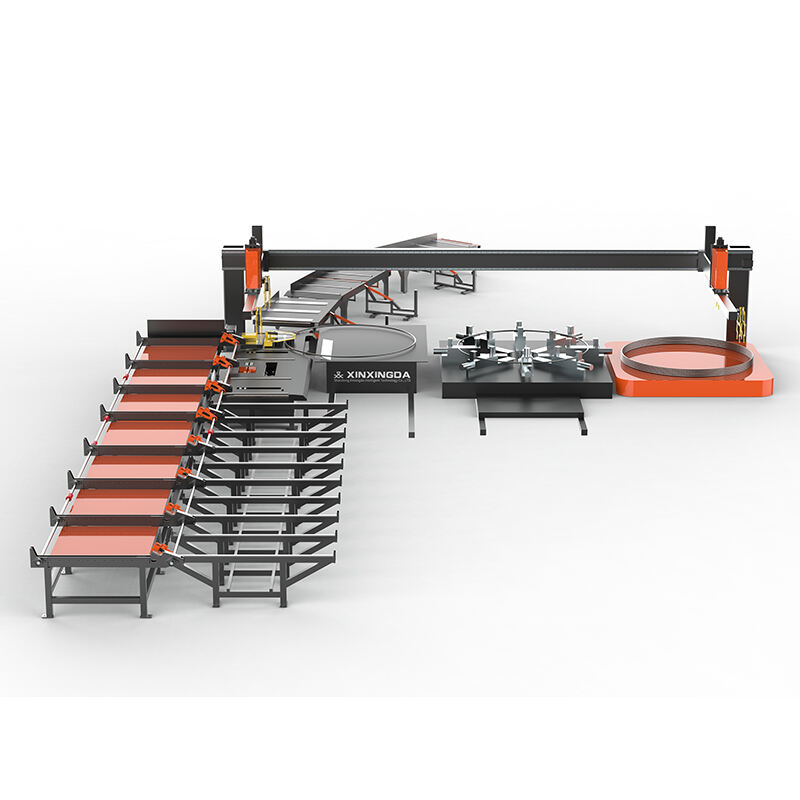
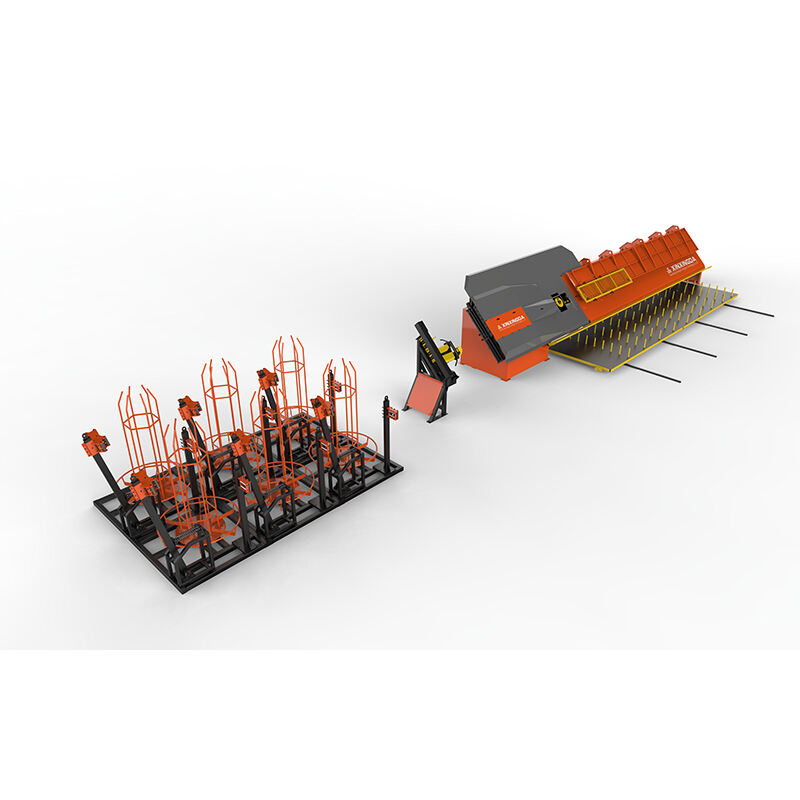
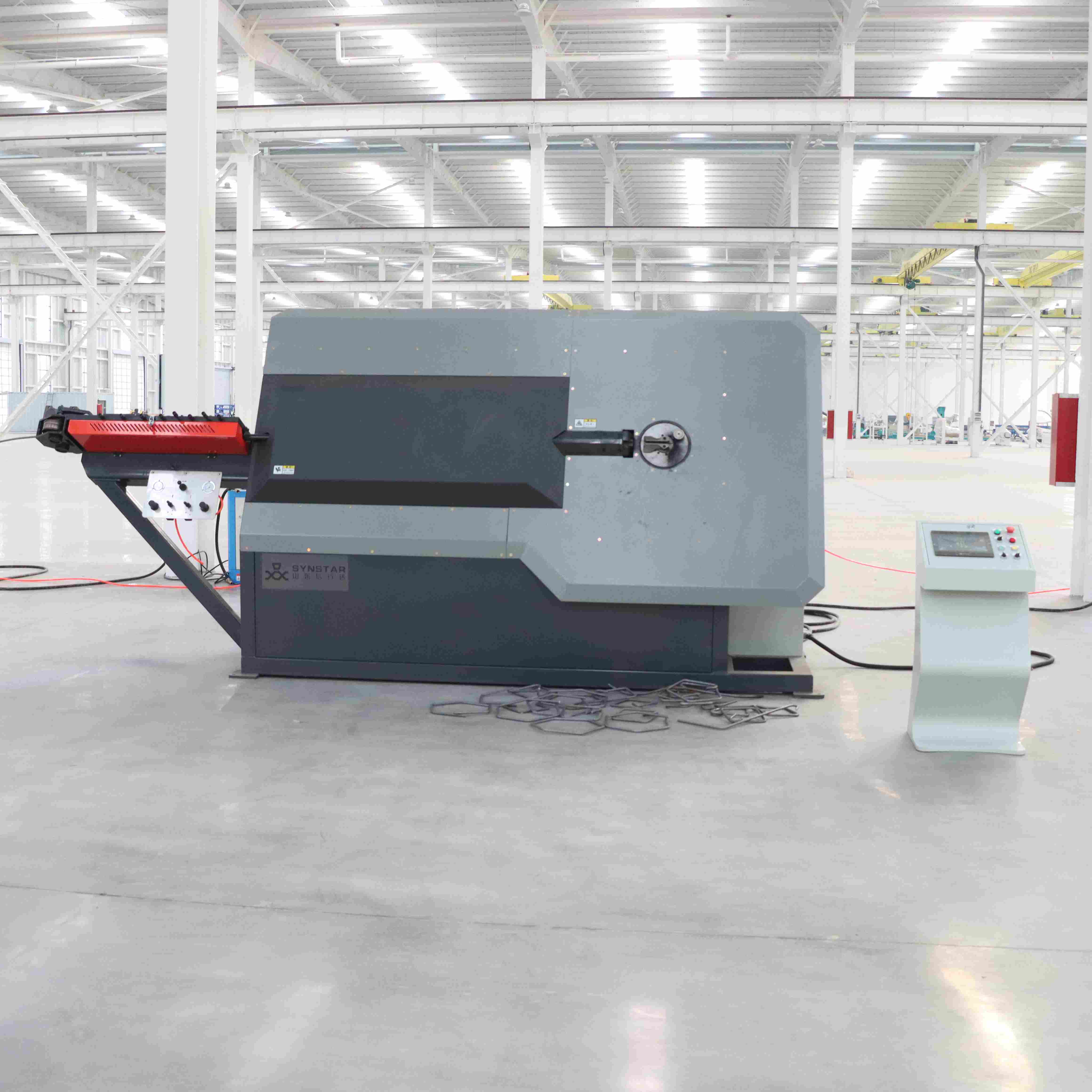
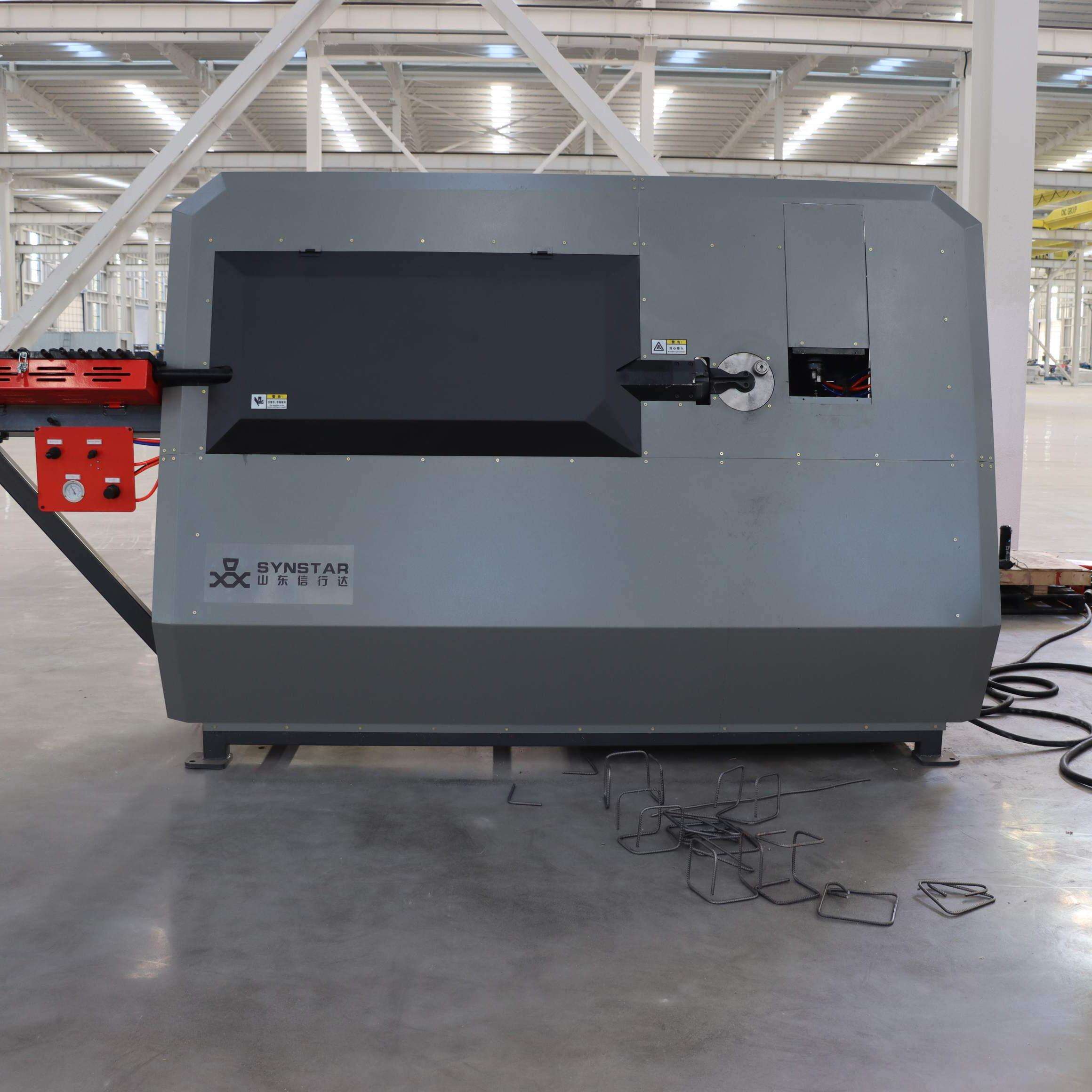
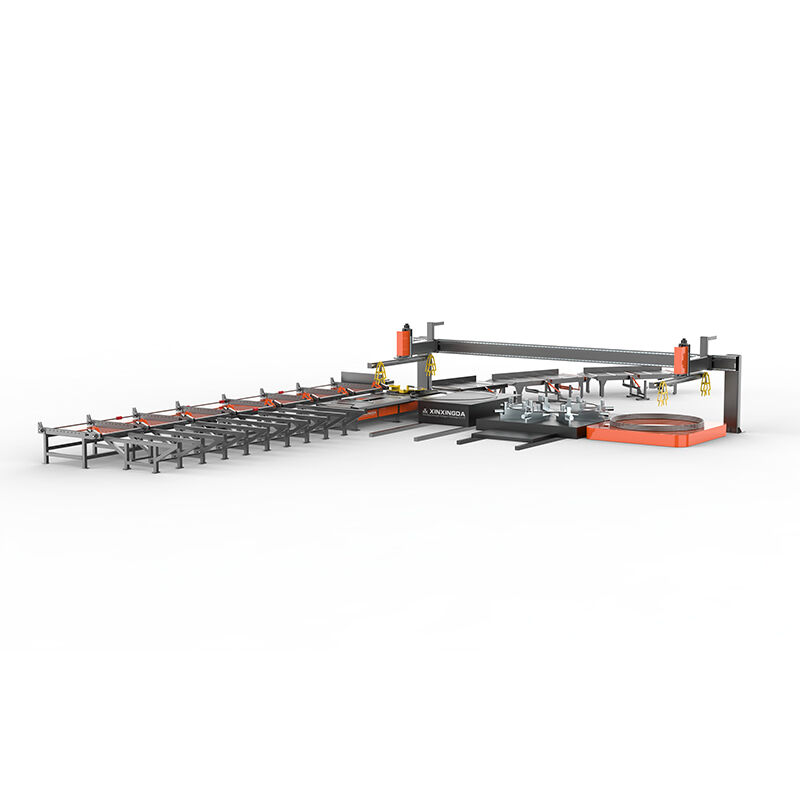
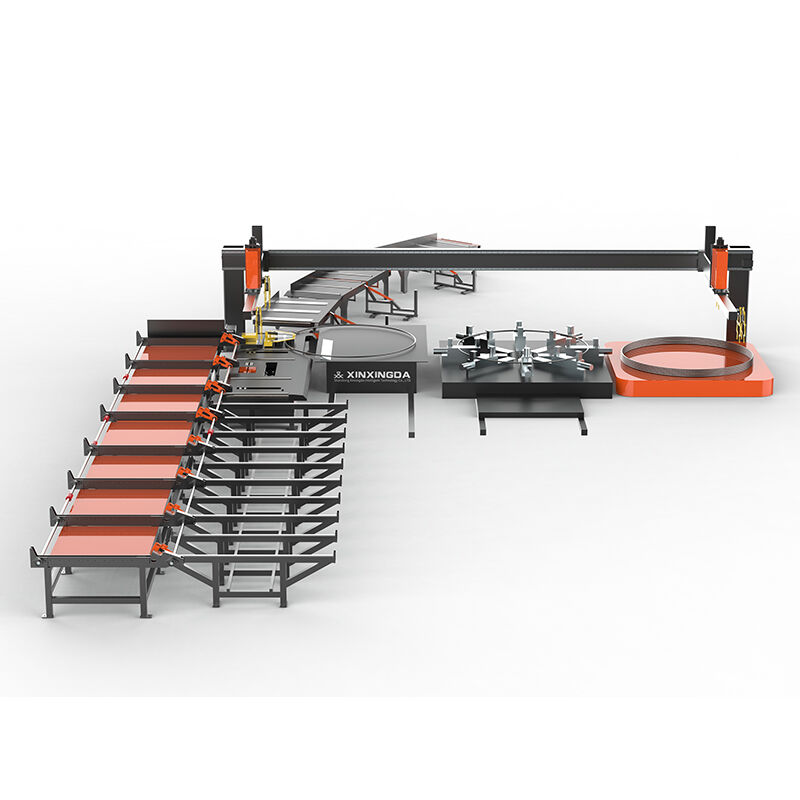
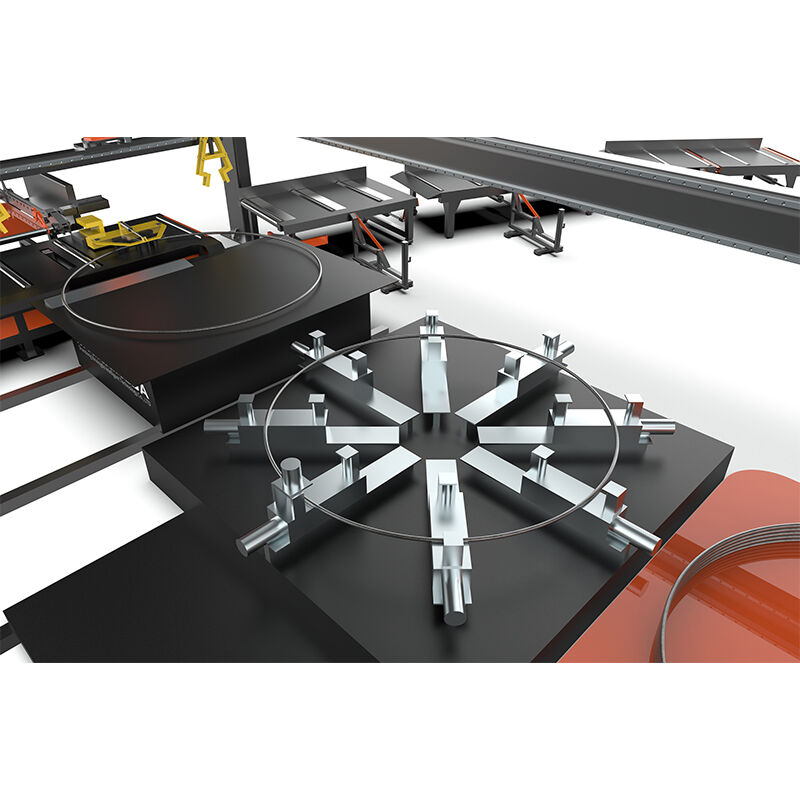
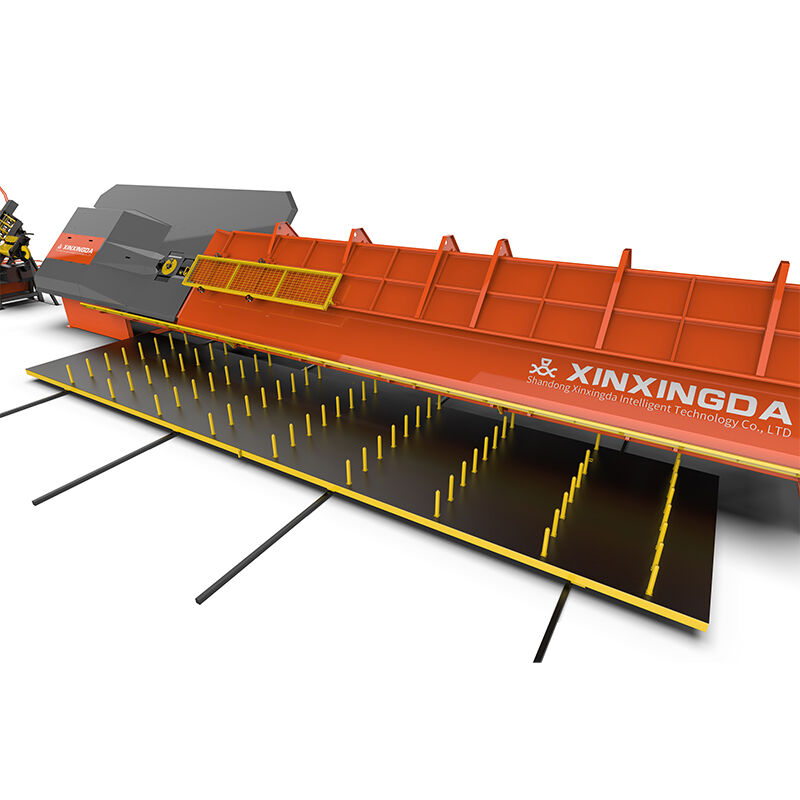
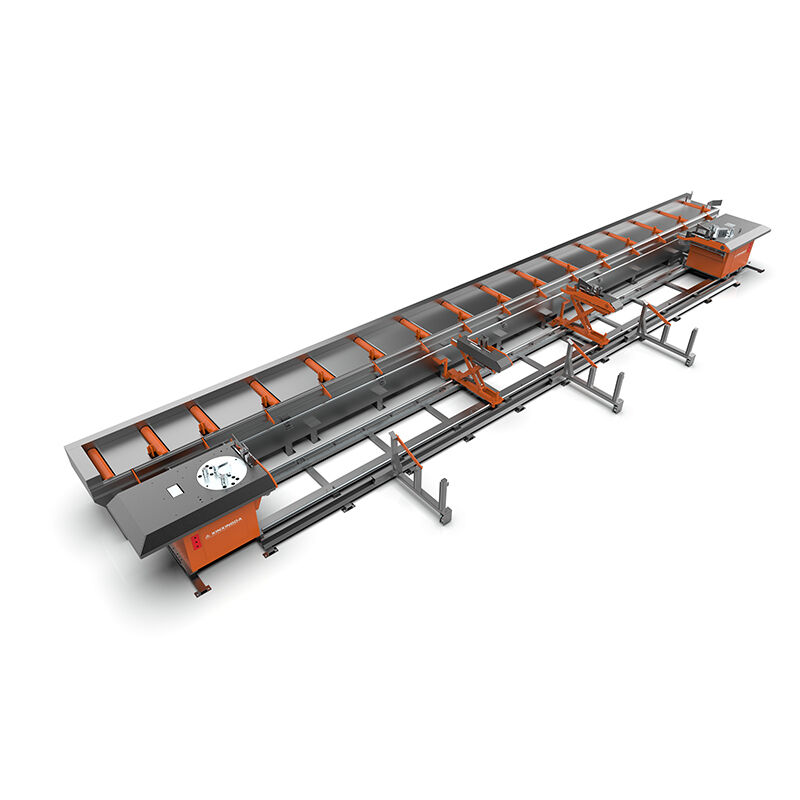
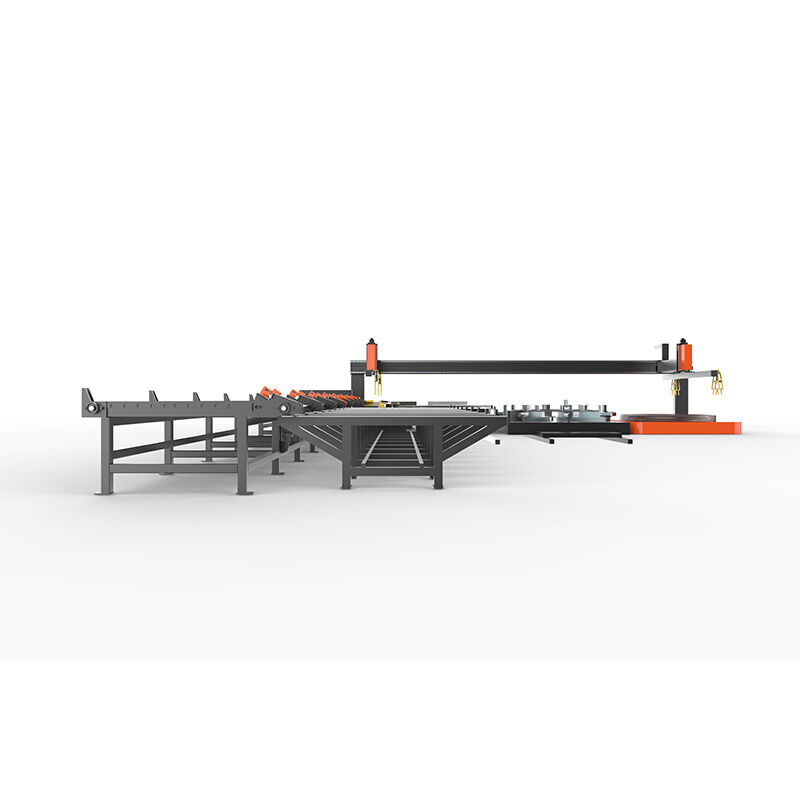
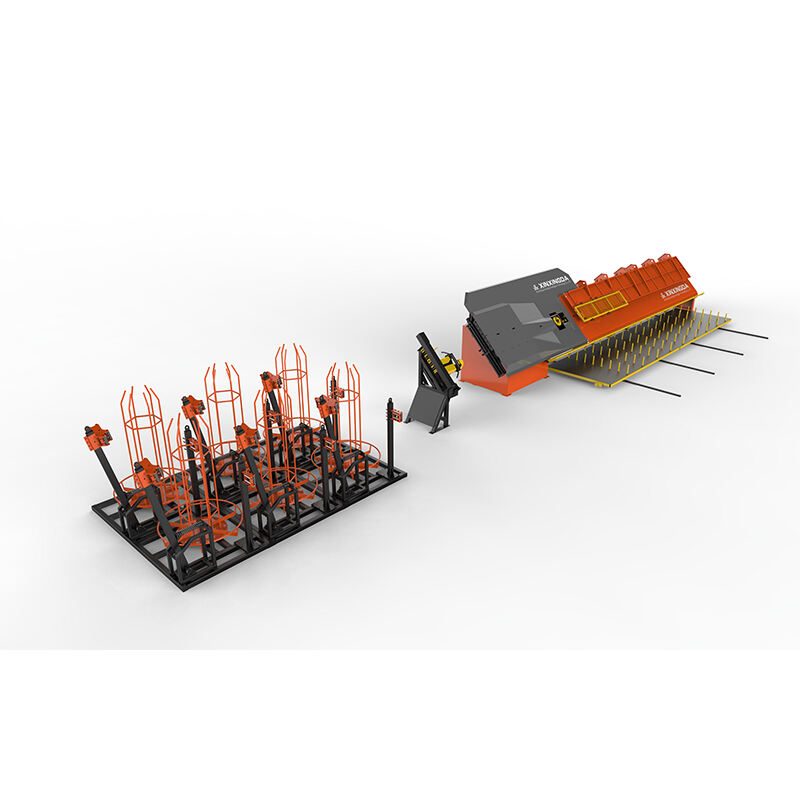
Automated welding systems represent a revolutionary advancement in modern manufacturing, combining precision engineering with cutting-edge robotics technology. These sophisticated systems integrate multiple components, including robotic arms, control systems, power sources, and automated material handling equipment, to perform consistent, high-quality welds with minimal human intervention. The systems utilize advanced sensors and real-time monitoring capabilities to maintain optimal welding parameters throughout the process, ensuring superior weld quality and repeatability. They can be programmed to execute complex welding patterns and sequences, adapting to various material types and thicknesses. The technology incorporates features such as automatic seam tracking, adaptive control systems, and quality monitoring tools that continuously assess weld integrity. These systems can operate across multiple shifts, maintaining consistent output levels while reducing the physical demands on human operators. They are particularly valuable in industries such as automotive manufacturing, aerospace, heavy equipment production, and large-scale fabrication operations where precision and consistency are paramount. The systems can be customized to accommodate different welding processes, including MIG, TIG, and resistance welding, making them versatile solutions for diverse manufacturing needs.

New Product Recommendations

Automated welding systems deliver substantial benefits that transform manufacturing operations. First and foremost, they dramatically improve productivity by operating continuously with minimal downtime, potentially increasing output by up to 300% compared to manual welding. The consistency and precision of automated systems significantly reduce error rates and material waste, leading to considerable cost savings over time. These systems excel in maintaining weld quality across long production runs, eliminating variations that often occur due to operator fatigue. Worker safety is enhanced as automated systems can handle hazardous welding environments, reducing exposure to fumes, heat, and radiation. The advanced control systems enable precise parameter adjustment and monitoring, ensuring optimal weld characteristics even for complex geometries. Cost efficiency is achieved through reduced labor requirements, minimized material waste, and decreased rework needs. The systems can be integrated with existing manufacturing processes and Industry 4.0 initiatives, providing valuable data for process optimization and quality control. They offer exceptional flexibility in handling different part sizes and configurations, with quick changeover capabilities for varying production requirements. The long-term reliability of these systems results in reduced maintenance needs and extended equipment life spans, contributing to a lower total cost of ownership. Additionally, automated systems help address skilled labor shortages in the welding industry while maintaining high production standards.

Latest News

How Can a Steel Cage Roll Welding Machine Reduce Labor Costs on Site

24

Sep

How Can a Steel Cage Roll Welding Machine Reduce Labor Costs on Site

Revolutionizing Construction Efficiency Through Automated Welding Technology The construction industry is witnessing a remarkable transformation as innovative technologies reshape traditional practices. At the forefront of this evolution stands the s...
View More
What Maintenance Practices Extend the Life of a Steel Cage Roll Welding Machine

24

Sep

What Maintenance Practices Extend the Life of a Steel Cage Roll Welding Machine

Essential Maintenance Strategies for Industrial Welding Equipment Industrial welding equipment represents a significant investment for manufacturing facilities, and proper maintenance is crucial for ensuring optimal performance and longevity. Steel c...
View More
How Is Smart Construction Equipment Transforming Modern Job Sites

24

Sep

How Is Smart Construction Equipment Transforming Modern Job Sites

The Digital Revolution in Construction Technology The construction industry is experiencing an unprecedented transformation as smart construction equipment reshapes traditional workflows and methodologies. This technological evolution is revolutioniz...
View More
How to Select a Steel Cage Rolling Welding Machine for Construction

24

Sep

How to Select a Steel Cage Rolling Welding Machine for Construction

How to Select a Steel Cage Rolling Welding Machine for Construction Role of a Steel Cage Rolling Welding Machine in Modern Projects A steel cage rolling welding machine is a crucial piece of equipment for infrastructure and construction projects. It ...
View More

Get a Free Quote

Our representative will contact you soon.
Email
Name
Company Name
Mobile
Message
0/1000

automated welding systems

Advanced Control and Monitoring Systems

Advanced Control and Monitoring Systems

The sophisticated control and monitoring systems represent the backbone of automated welding technology. These systems utilize state-of-the-art sensors and processors to maintain precise control over critical welding parameters, including current, voltage, wire feed speed, and travel speed. Real-time monitoring capabilities allow for immediate adjustments to maintain optimal weld quality, while integrated quality control systems continuously analyze weld characteristics. The system can detect and respond to variations in joint geometry, material thickness, and environmental conditions, ensuring consistent weld quality across entire production runs. Advanced algorithms process sensor data to optimize welding parameters automatically, reducing the need for operator intervention and ensuring maximum efficiency.
Enhanced Production Efficiency and Flexibility

Enhanced Production Efficiency and Flexibility

Automated welding systems revolutionize production efficiency through their ability to operate continuously with minimal interruption. The systems can be programmed to handle multiple weld configurations and can quickly switch between different welding programs to accommodate various part designs. This flexibility extends to material handling, with automated loading and unloading systems that minimize cycle times. The systems can be integrated with robotic part positioning equipment to optimize welding sequences and reduce non-productive time. Advanced path planning algorithms ensure the most efficient welding routes, while quick-change tooling enables rapid transitions between different product types.
Quality Assurance and Documentation Capabilities

Quality Assurance and Documentation Capabilities

The quality assurance features of automated welding systems provide unprecedented control over weld quality and documentation. Each weld can be monitored and recorded in real-time, creating detailed documentation for quality control and traceability purposes. The systems can generate comprehensive reports on weld parameters, quality metrics, and production data, supporting quality certification requirements and process improvement initiatives. Built-in inspection capabilities can detect weld defects immediately, allowing for rapid correction and minimizing costly rework. The systems maintain detailed historical records of all welding operations, facilitating maintenance planning and continuous process optimization.

Get a Free Quote

Our representative will contact you soon.
Email
Name
Company Name
Mobile
Message
0/1000