All Categories

Get a Free Quote

Our representative will contact you soon.
Email
Name
Company Name
Mobile / WhatsApp
Message
0/1000
welding automation system-1

Home > 

welding automation system

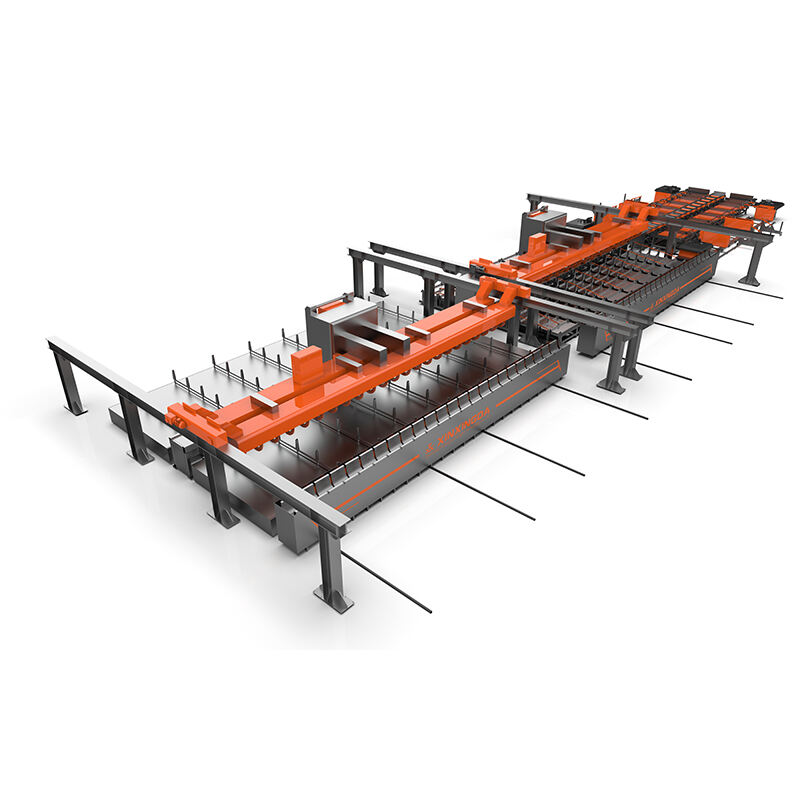
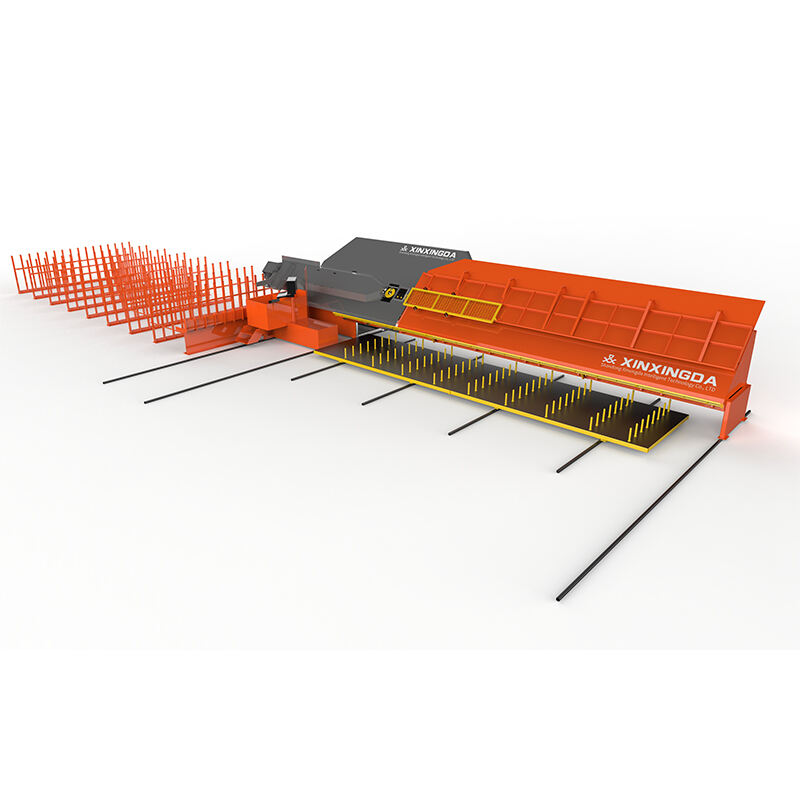
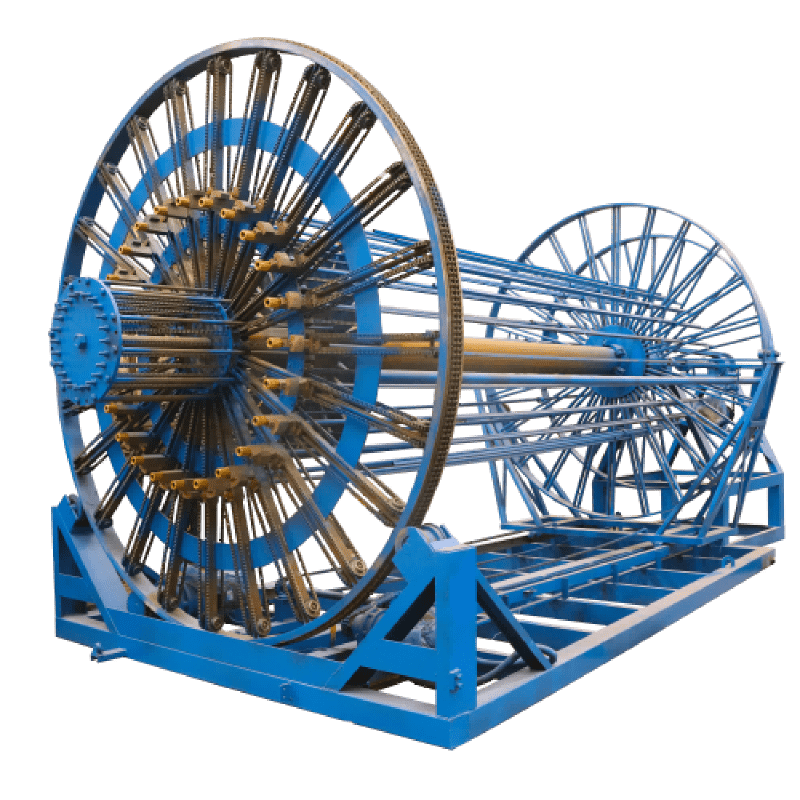
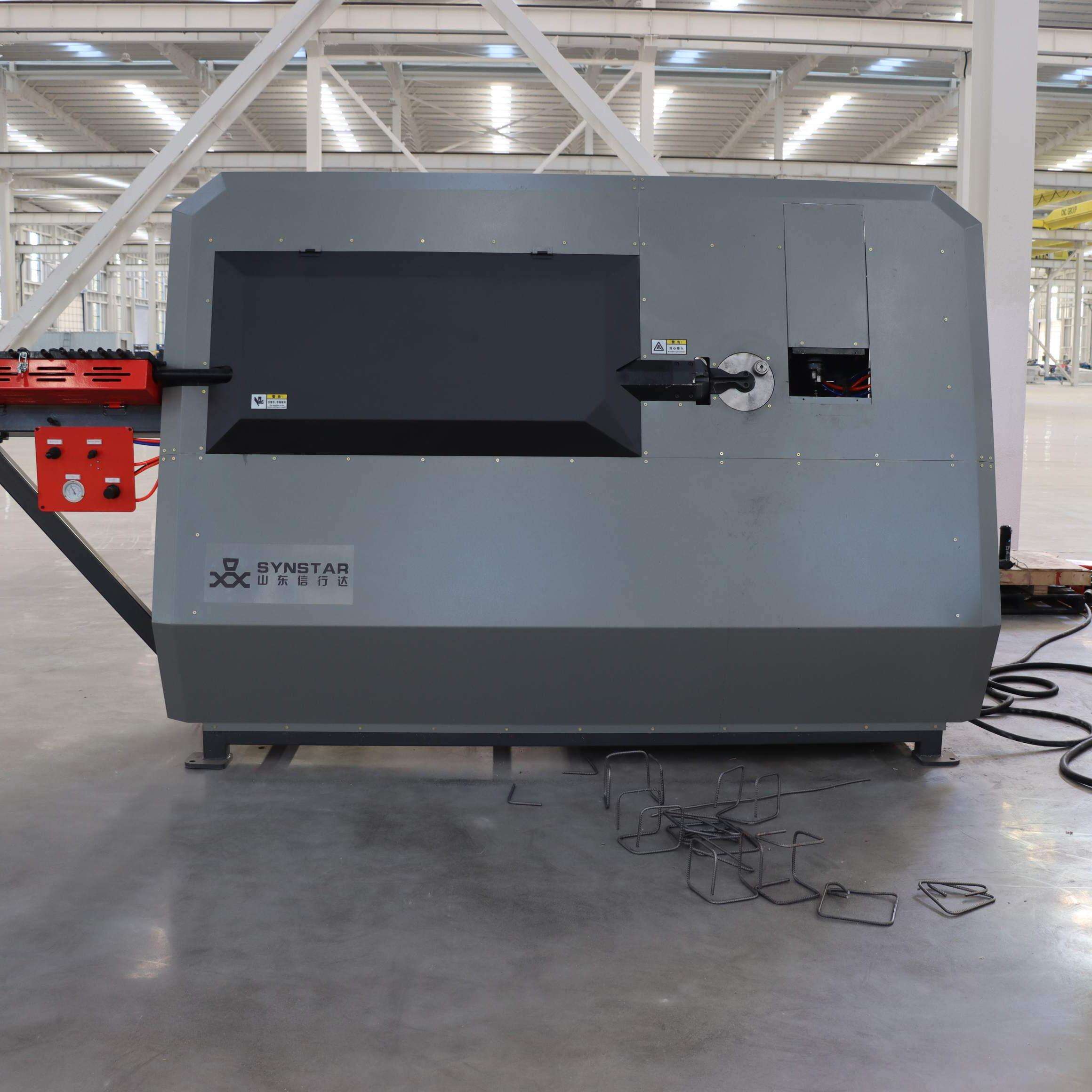
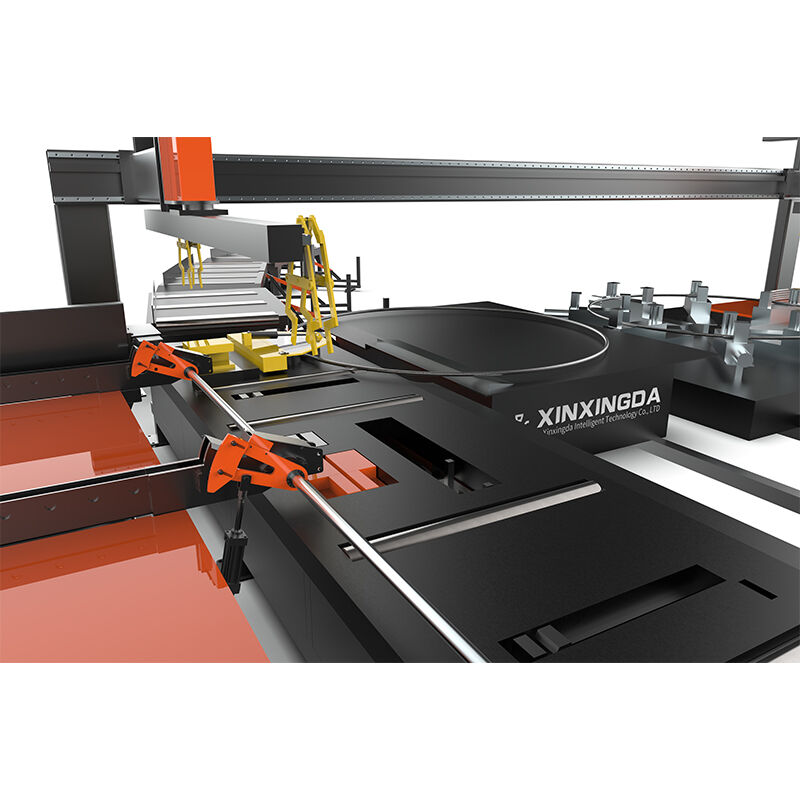
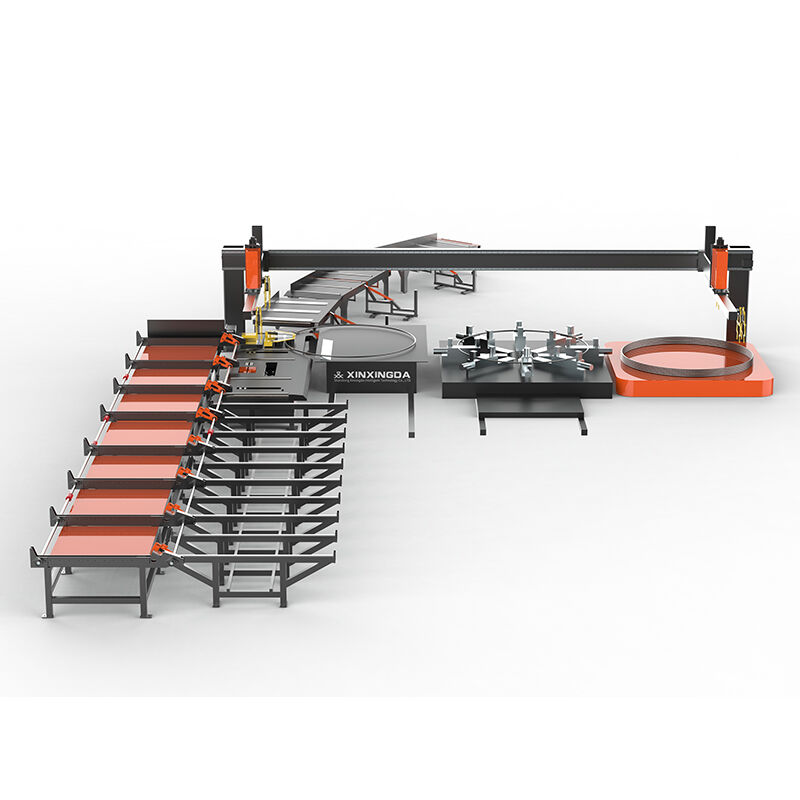
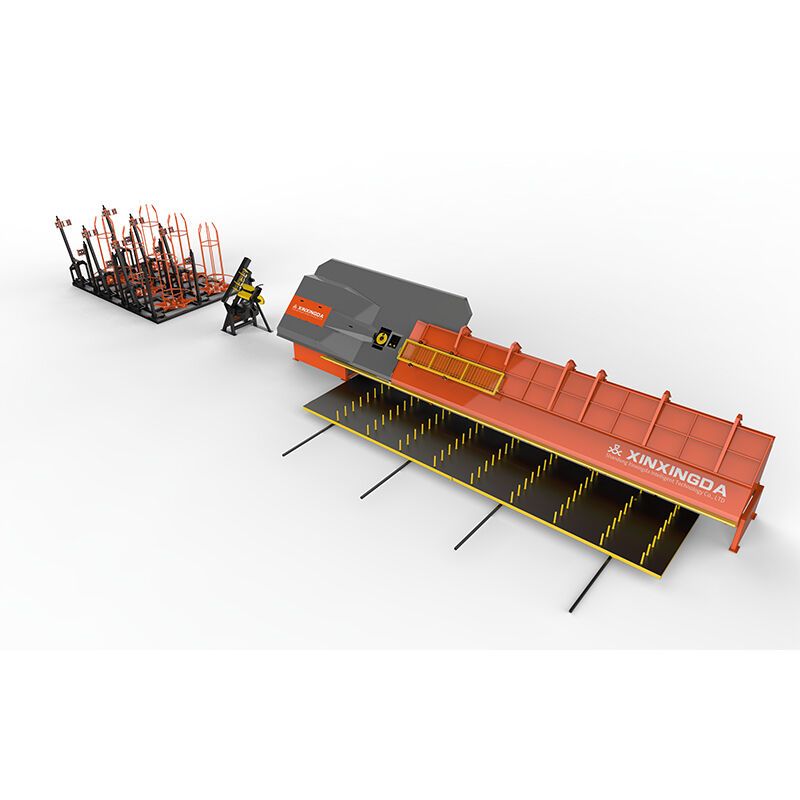
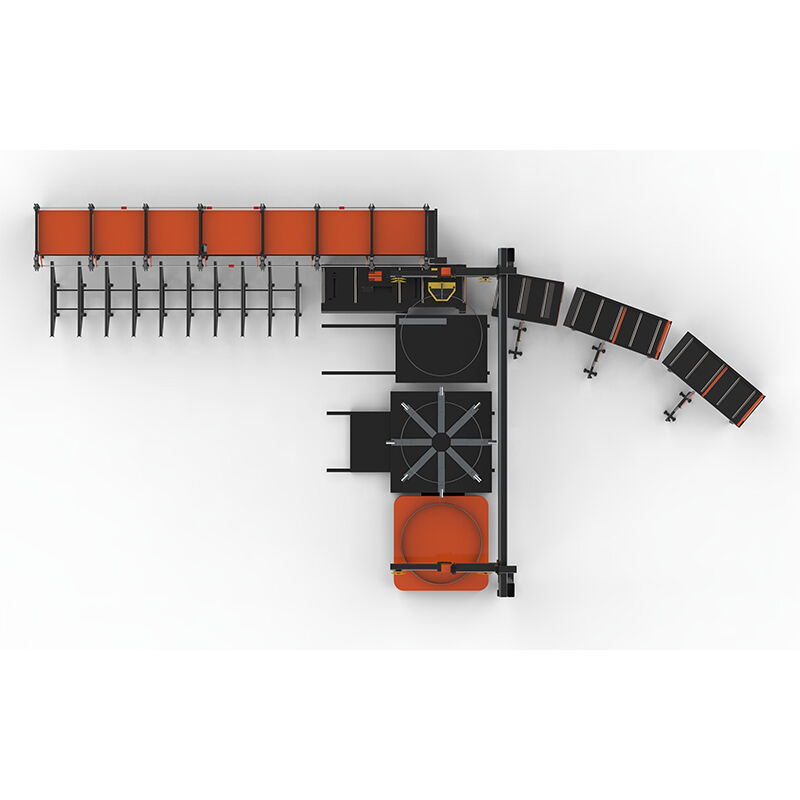
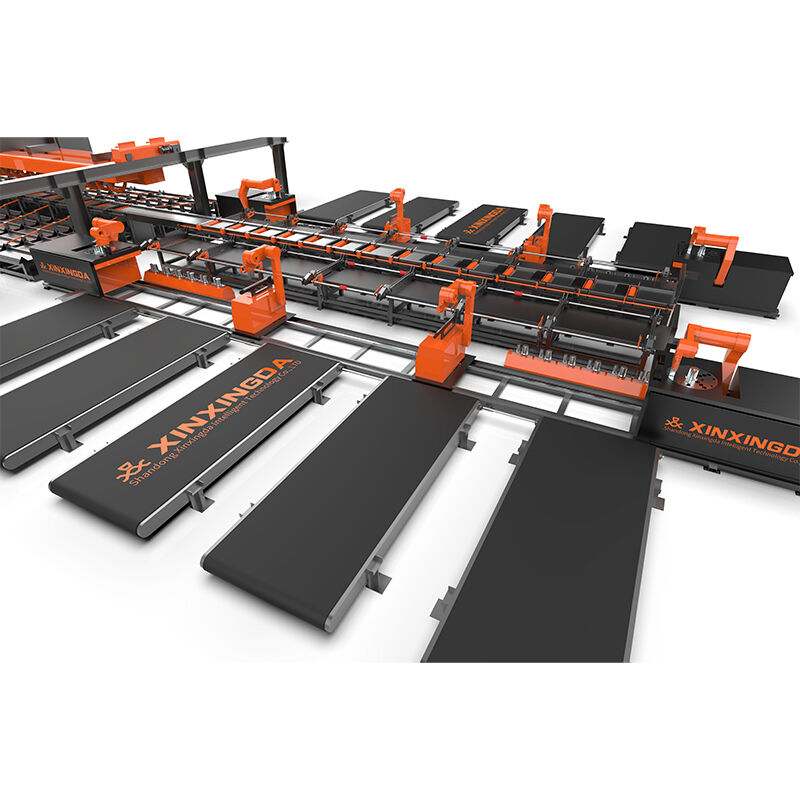
Modern welding automation systems represent a revolutionary approach to manufacturing that transforms traditional manual welding processes into sophisticated, computer-controlled operations. These comprehensive systems integrate advanced robotics, precision sensors, and intelligent software to deliver consistent, high-quality welds across diverse industrial applications. The welding automation system combines cutting-edge hardware components with intuitive software interfaces, creating a seamless production environment that maximizes efficiency while minimizing human error. At its core, the system utilizes programmable robotic arms equipped with specialized welding torches that can perform complex welding patterns with millimeter-level accuracy. The technological framework incorporates real-time monitoring capabilities through integrated vision systems and sensors that continuously assess weld quality parameters including temperature, penetration depth, and bead formation. Advanced feedback mechanisms enable the welding automation system to make instantaneous adjustments during operation, ensuring optimal results regardless of material variations or environmental conditions. The system's modular design allows for extensive customization, accommodating various welding processes such as MIG, TIG, and arc welding across multiple industries. Programming interfaces feature user-friendly touchscreen controls that enable operators to create, modify, and execute welding programs without extensive technical expertise. Safety protocols are embedded throughout the welding automation system, including protective barriers, emergency stop functions, and automatic shut-off mechanisms that protect both equipment and personnel. The system's versatility extends to handling diverse materials including steel, aluminum, stainless steel, and specialized alloys, making it suitable for automotive manufacturing, shipbuilding, construction, aerospace, and general fabrication industries. Data logging capabilities provide comprehensive production records, enabling quality tracking and process optimization over time.


Popular Products

The welding automation system delivers substantial operational improvements that directly impact your bottom line and production capabilities. First and foremost, these systems dramatically increase production speed, often completing welds three to five times faster than manual operators while maintaining superior consistency. This acceleration translates to higher throughput and faster project completion times, enabling you to take on more contracts and increase revenue potential. Quality improvements represent another significant advantage, as the welding automation system eliminates human variables that typically cause inconsistencies in manual welding. Every weld meets exact specifications, reducing rework costs and material waste while ensuring compliance with stringent quality standards. Labor cost reduction becomes immediately apparent as fewer skilled welders are required to maintain the same or higher production levels. The system operates continuously without breaks, fatigue, or performance degradation, maximizing your investment in equipment and facility space. Safety enhancements protect your workforce by removing operators from hazardous welding environments, reducing exposure to harmful fumes, intense heat, and potential injuries. This improved safety profile often results in lower insurance premiums and reduced liability concerns. Precision capabilities of the welding automation system surpass human limitations, achieving consistent penetration depths, bead profiles, and joint strength that manual welding cannot match. The system's repeatability ensures that every component meets identical quality standards, which is particularly crucial for industries requiring strict tolerances like aerospace and medical device manufacturing. Material waste reduction occurs through precise consumable usage and elimination of defective welds that require rework or scrapping. Energy efficiency improvements result from optimized welding parameters and reduced cycle times, lowering operational costs over time. Documentation and traceability features provide comprehensive records of welding parameters, enabling quality audits and process improvements. The welding automation system also offers scalability, allowing you to expand production capacity by adding additional units or reconfiguring existing systems to meet changing demands. Training requirements are minimized as operators need basic programming skills rather than advanced welding expertise, making it easier to maintain adequate staffing levels. Return on investment typically occurs within twelve to eighteen months through combined savings in labor, materials, and improved productivity.

Tips And Tricks

Which Applications Need Circle and Arc Bending Machine Technology

05

Dec

Which Applications Need Circle and Arc Bending Machine Technology

Modern manufacturing industries increasingly demand precision in metal fabrication, particularly when creating curved and circular components. The circle and arc bending machine has emerged as an essential tool for transforming straight metal bars, r...
View More
How to Maintain a Circle and Arc Bending Machine for Consistent Output

04

Jan

How to Maintain a Circle and Arc Bending Machine for Consistent Output

Modern manufacturing facilities rely heavily on specialized equipment to achieve precision forming operations, and the circle and arc bending machine stands as a cornerstone tool for creating consistent curved profiles in metal fabrication. These sop...
View More
How to Improve Shearing Accuracy with CNC Steel Bar Lines

04

Jan

How to Improve Shearing Accuracy with CNC Steel Bar Lines

Manufacturing precision in steel processing has become increasingly critical as industries demand higher quality standards and tighter tolerances. CNC steel bar lines represent a significant advancement in automated steel processing technology, offer...
View More
What Applications Benefit Most from CNC Steel Bar Bending Machine

30

Mar

What Applications Benefit Most from CNC Steel Bar Bending Machine

Understanding which applications benefit most from CNC steel bar bending machine technology is crucial for construction companies and manufacturers seeking to optimize their operations. These automated systems offer precision, speed, and consistency ...
View More

Get a Free Quote

Our representative will contact you soon.
Email
Name
Company Name
Mobile / WhatsApp
Message
0/1000

welding automation system

Advanced Precision Control Technology

Advanced Precision Control Technology

The welding automation system incorporates state-of-the-art precision control technology that revolutionizes welding accuracy and consistency across all applications. This sophisticated control system utilizes multiple sensor arrays, including laser measurement devices, thermal monitoring equipment, and vision-guided positioning systems that work in perfect harmony to achieve unprecedented welding precision. The integrated feedback loop continuously monitors welding parameters in real-time, making micro-adjustments to maintain optimal conditions throughout the entire welding process. This level of control ensures that each weld joint receives exactly the right amount of heat input, filler material, and travel speed, regardless of material thickness variations or joint configurations. The precision control technology enables the welding automation system to maintain consistent penetration depths within tolerances of plus or minus 0.1 millimeters, far exceeding capabilities of manual welding operations. Advanced algorithms process sensor data instantaneously, compensating for thermal distortion, material expansion, and other variables that traditionally compromise weld quality. The system's ability to store and recall thousands of welding programs means that complex multi-pass welds can be executed with identical parameters every time, eliminating the variability inherent in human-operated welding. This precision control technology particularly benefits industries manufacturing critical components where weld integrity directly impacts safety and performance, such as pressure vessels, structural frameworks, and aerospace assemblies. The system's learning capabilities allow it to optimize welding parameters based on historical performance data, continuously improving results over time. Quality documentation features automatically record all welding parameters, creating comprehensive traceability records that support quality certifications and regulatory compliance requirements. The precision control technology also enables the welding automation system to handle delicate materials and thin sections that would be challenging for manual welding, expanding the range of applications and design possibilities for manufacturers.
Integrated Safety and Monitoring Systems

Integrated Safety and Monitoring Systems

Safety represents a paramount concern in welding operations, and the welding automation system addresses these challenges through comprehensive integrated safety and monitoring systems that protect both personnel and equipment while ensuring optimal performance. The multi-layered safety architecture includes physical barriers, electronic safeguards, and intelligent monitoring systems that work together to create a secure operating environment. Automated safety interlocks prevent system operation when protective barriers are compromised or when personnel enter restricted zones, while emergency stop systems provide immediate shutdown capabilities accessible from multiple locations throughout the work area. The welding automation system incorporates advanced fume extraction and ventilation controls that automatically activate during welding operations, maintaining safe air quality levels and reducing health risks associated with welding emissions. Thermal monitoring systems continuously track temperature levels throughout the welding process, preventing overheating that could damage materials or create unsafe conditions. The integrated monitoring systems provide real-time visibility into all aspects of system performance, displaying welding parameters, production metrics, and safety status through intuitive operator interfaces. Predictive maintenance capabilities analyze system performance data to identify potential issues before they result in equipment failure or safety hazards, scheduling maintenance activities during planned downtime to minimize production disruptions. Arc flash protection systems automatically activate protective measures when dangerous electrical conditions are detected, while ground fault monitoring ensures proper electrical safety throughout the system. The welding automation system includes comprehensive data logging that records all safety events, system alarms, and maintenance activities, supporting continuous improvement efforts and regulatory compliance requirements. Remote monitoring capabilities enable supervisors to oversee multiple welding automation systems from a central location, ensuring consistent safety standards across all operations. Training modules integrated into the system interface ensure that operators understand proper safety procedures and emergency response protocols, reducing the risk of accidents caused by human error. These integrated safety features not only protect personnel and equipment but also contribute to improved productivity by minimizing safety-related downtime and creating confidence in system reliability.
Flexible Programming and Customization Capabilities

Flexible Programming and Customization Capabilities

The welding automation system stands out through its exceptional programming flexibility and customization capabilities that adapt to diverse manufacturing requirements without compromising performance or efficiency. This advanced programming environment features intuitive graphical interfaces that allow operators to create complex welding sequences through simple point-and-click operations, eliminating the need for extensive programming expertise. The system supports multiple programming methods, including teach pendant programming where operators manually guide the robot through desired welding paths, offline programming using computer-aided design data, and automatic path generation based on part geometry. This flexibility enables the welding automation system to accommodate everything from simple straight-line welds to complex three-dimensional joint configurations with multiple passes and varying parameters. Modular software architecture allows manufacturers to customize the system interface and functionality to match specific workflow requirements and operator skill levels. The programming system includes extensive libraries of pre-configured welding procedures for common materials and joint types, providing starting points that can be quickly modified for specific applications. Advanced simulation capabilities enable operators to test and optimize welding programs before executing them on actual parts, reducing material waste and setup time while ensuring optimal results. The welding automation system supports integration with existing manufacturing execution systems and quality management software, enabling seamless data exchange and process coordination across the entire production environment. Customization extends to hardware configurations as well, with options for different torch types, positioning systems, and fixturing arrangements that can be tailored to specific part geometries and production requirements. The system's ability to store unlimited welding programs means that manufacturers can maintain libraries of proven procedures for all their products, enabling rapid changeovers and consistent quality across production runs. Remote programming capabilities allow expert programmers to develop and modify welding programs from off-site locations, reducing the need for specialized personnel at each manufacturing facility. The welding automation system also supports adaptive programming features that automatically adjust welding parameters based on real-time sensor feedback, ensuring optimal results even when part dimensions or material properties vary within acceptable tolerances.

Get a Free Quote

Our representative will contact you soon.
Email
Name
Company Name
Mobile / WhatsApp
Message
0/1000