All Categories

Get a Free Quote

Our representative will contact you soon.
Email
Name
Company Name
Mobile / WhatsApp
Message
0/1000
construction equipment types-1

Home > 

construction equipment types

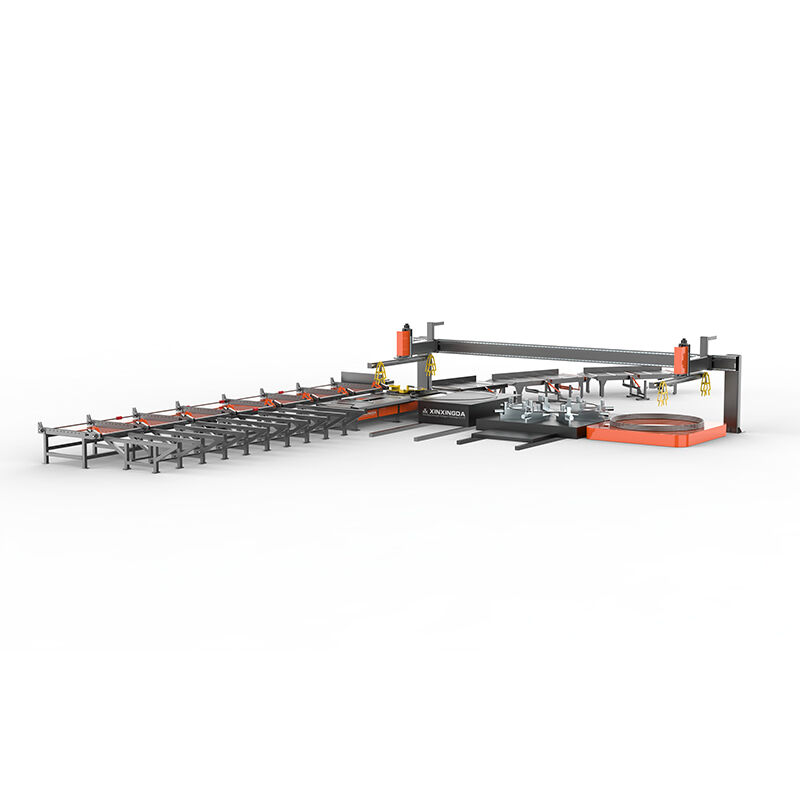
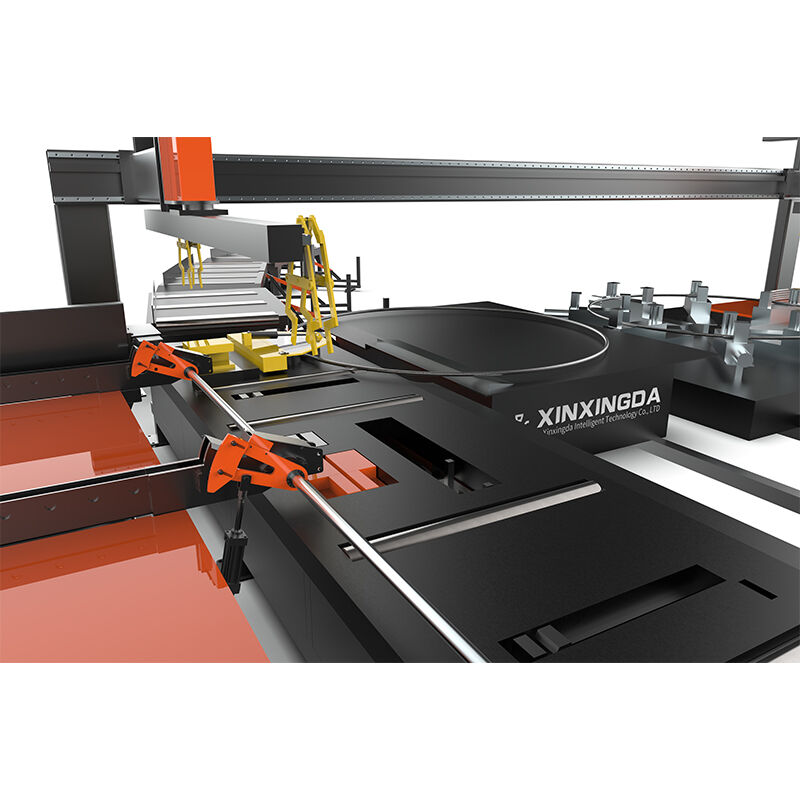
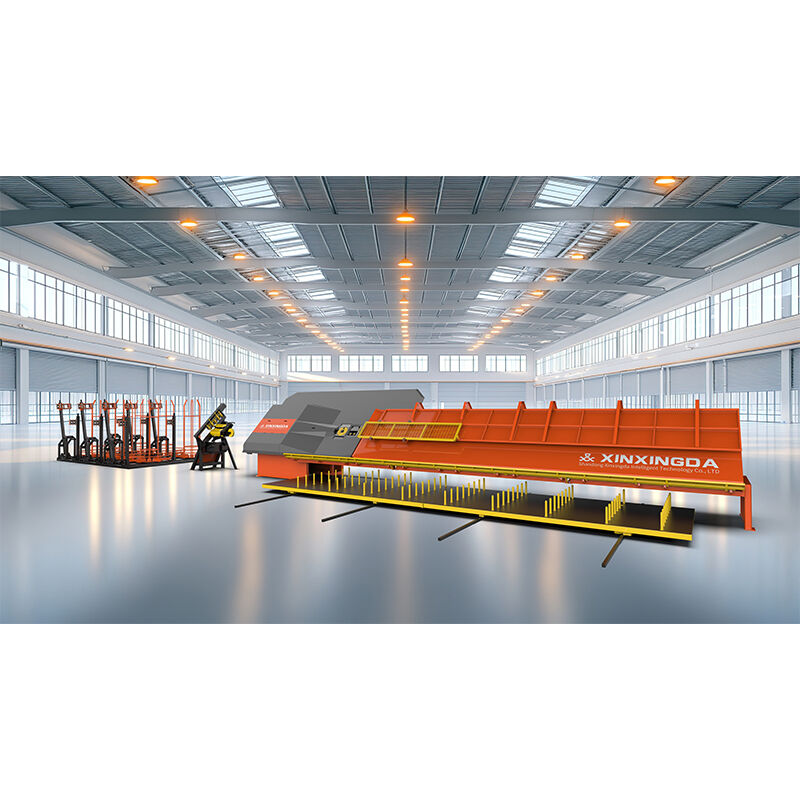
Construction equipment types encompass a vast array of specialized machinery designed to handle diverse building and infrastructure projects. These powerful machines serve as the backbone of modern construction, enabling workers to complete complex tasks efficiently and safely. Excavators represent one of the most versatile construction equipment types, featuring hydraulic arms and interchangeable attachments for digging, demolition, and material handling. Their tracked or wheeled designs allow operation in various terrain conditions. Bulldozers excel at earthmoving operations, utilizing heavy blades to push soil, rocks, and debris across construction sites. These robust machines create level surfaces and clear pathways for subsequent construction phases. Cranes constitute essential construction equipment types for lifting and positioning heavy materials at significant heights. Tower cranes dominate urban skylines during high-rise construction, while mobile cranes provide flexibility for smaller projects. Loaders efficiently transport materials around construction sites, with front-end loaders handling bulk materials and skid-steer loaders navigating tight spaces. Compactors ensure proper soil density and surface preparation, preventing future settling issues. Concrete mixers and pumps facilitate precise concrete placement, while graders create smooth, properly sloped surfaces for roads and foundations. Dump trucks transport materials between locations, featuring hydraulic beds for easy unloading. Each category of construction equipment types incorporates advanced technological features including GPS guidance systems, hydraulic controls, and computerized monitoring systems. These innovations enhance precision, reduce operator fatigue, and improve safety standards across construction sites. Modern construction equipment types also emphasize fuel efficiency and environmental compliance, incorporating emission control systems and hybrid technologies. The applications span residential construction, commercial development, road building, bridge construction, mining operations, and infrastructure maintenance projects.


New Products

Construction equipment types deliver substantial advantages that transform how building projects are executed and completed. These machines dramatically increase productivity by enabling workers to accomplish tasks that would require dozens of laborers working manually for extended periods. A single excavator can move thousands of cubic yards of soil in a day, while manual digging would take weeks to achieve similar results. This efficiency translates directly into reduced labor costs and faster project completion times. Safety represents another crucial advantage of modern construction equipment types. These machines keep operators protected inside reinforced cabs equipped with safety systems, reducing exposure to hazardous working conditions. Features like rollover protection, emergency stops, and visibility enhancements prevent accidents and protect valuable human resources. The precision capabilities of construction equipment types ensure consistent, high-quality results. Computer-controlled systems maintain exact grades and measurements, eliminating human error and reducing the need for costly corrections. This accuracy proves especially valuable in projects requiring strict specifications, such as road construction or foundation preparation. Versatility stands out as a major benefit, with many construction equipment types featuring interchangeable attachments and adjustable settings. A single machine can perform multiple functions, reducing the need for separate specialized equipment and lowering overall project costs. Economic advantages extend beyond initial productivity gains. Construction equipment types reduce project timelines, allowing companies to take on more contracts and generate increased revenue. The reliability of modern machinery minimizes unexpected delays that can derail schedules and inflate budgets. Maintenance has become more predictable through advanced monitoring systems that alert operators to potential issues before they cause breakdowns. Environmental benefits include reduced fuel consumption through efficient engine designs and hybrid technologies. Many construction equipment types now produce lower emissions while maintaining superior performance, helping companies meet environmental regulations and sustainability goals. The technological integration found in modern construction equipment types provides real-time data collection, enabling better project management and resource allocation decisions.

Practical Tips

How Can Circle and Arc Bending Machine Improve Project Efficiency

05

Dec

How Can Circle and Arc Bending Machine Improve Project Efficiency

Construction and manufacturing industries constantly seek innovative solutions to enhance productivity while maintaining precision and quality standards. The circle and arc bending machine represents a transformative advancement in metal fabrication ...
View More
Which Applications Need Circle and Arc Bending Machine Technology

05

Dec

Which Applications Need Circle and Arc Bending Machine Technology

Modern manufacturing industries increasingly demand precision in metal fabrication, particularly when creating curved and circular components. The circle and arc bending machine has emerged as an essential tool for transforming straight metal bars, r...
View More
How to Select a CNC Steel Bar Bending Machine for Construction Projects

30

Mar

How to Select a CNC Steel Bar Bending Machine for Construction Projects

Selecting the right CNC steel bar bending machine for construction projects requires careful evaluation of multiple technical and operational factors. The decision directly impacts project efficiency, structural integrity, and long-term cost-effectiv...
View More
What Applications Benefit Most from CNC Steel Bar Bending Machine

30

Mar

What Applications Benefit Most from CNC Steel Bar Bending Machine

Understanding which applications benefit most from CNC steel bar bending machine technology is crucial for construction companies and manufacturers seeking to optimize their operations. These automated systems offer precision, speed, and consistency ...
View More

Get a Free Quote

Our representative will contact you soon.
Email
Name
Company Name
Mobile / WhatsApp
Message
0/1000

construction equipment types

Advanced Hydraulic Systems Revolutionize Performance

Advanced Hydraulic Systems Revolutionize Performance

Modern construction equipment types incorporate sophisticated hydraulic systems that represent a quantum leap in operational capability and efficiency. These advanced systems utilize high-pressure fluid power to deliver exceptional force and precise control across multiple functions simultaneously. The hydraulic technology enables excavators to perform delicate operations like precision grading while maintaining the power to break through concrete and rock formations. This dual capability eliminates the need for multiple specialized machines on construction sites. The responsiveness of hydraulic controls allows operators to execute complex maneuvers with minimal effort, reducing fatigue during extended work periods. Load-sensing hydraulic systems automatically adjust pressure and flow rates based on operational demands, optimizing fuel consumption while maintaining peak performance. This intelligent adaptation significantly reduces operating costs over the equipment's lifespan. Variable displacement pumps ensure that hydraulic power matches the specific requirements of each task, whether lifting heavy materials or performing detailed finishing work. The regenerative hydraulic circuits found in premium construction equipment types capture and reuse energy that would otherwise be lost, further enhancing fuel efficiency. Advanced filtration systems protect hydraulic components from contamination, extending service intervals and reducing maintenance costs. Quick-connect couplers enable rapid attachment changes, allowing a single machine to transform from an excavator to a hammer, grapple, or specialized tool within minutes. The hydraulic systems also incorporate pressure relief valves and temperature monitoring to prevent damage from overloading or overheating. These safety features protect both the equipment investment and ensure reliable operation in demanding conditions. The smooth, stepless control provided by modern hydraulic systems enables precise material placement and reduces the skill level required for effective operation. This accessibility allows companies to train operators more quickly while maintaining high productivity standards. The integration of electronic controls with hydraulic systems creates programmable operation modes that optimize performance for specific applications, whether demolition, excavation, or material handling tasks require different operational characteristics.
GPS Integration and Precision Control Transform Accuracy

GPS Integration and Precision Control Transform Accuracy

The integration of GPS technology into construction equipment types has revolutionized accuracy and efficiency across the entire construction industry. This sophisticated positioning system enables machines to achieve millimeter-level precision in grading, excavation, and material placement operations. The three-dimensional guidance systems eliminate the need for traditional surveying stakes and grade checkers, reducing labor requirements while improving accuracy. Real-time kinematic GPS systems provide instantaneous position corrections, ensuring that construction equipment types maintain exact elevations and slopes throughout operations. This precision proves invaluable in road construction, where proper drainage requires precise grading specifications. The automated grade control systems can maintain consistent depths and angles without constant operator input, reducing human error and improving project quality. Digital terrain models loaded into the GPS systems allow construction equipment types to follow complex three-dimensional plans with unprecedented accuracy. The systems display real-time cut and fill information, enabling operators to optimize material movement and reduce waste. This capability significantly reduces the amount of material that must be moved multiple times, lowering fuel costs and project timelines. The GPS integration also enables automatic blade control on graders and dozers, maintaining proper cross-slopes and elevations without continuous manual adjustments. Progress tracking capabilities built into GPS systems provide real-time project status updates, allowing managers to make informed decisions about resource allocation and scheduling. The technology reduces surveying costs by eliminating the need for frequent layout and verification surveys. Machine guidance systems can store multiple job sites and quickly switch between different project specifications, improving utilization rates for construction equipment types. The precision provided by GPS integration reduces the need for costly rework and material waste, directly improving project profitability. Integration with project management software creates seamless data flow from design to completion, ensuring that construction equipment types operate according to the most current project specifications. The systems also provide detailed productivity reports and equipment utilization data, enabling companies to optimize their fleet management strategies.
Fuel Efficiency and Environmental Compliance Drive Innovation

Fuel Efficiency and Environmental Compliance Drive Innovation

Modern construction equipment types prioritize fuel efficiency and environmental compliance through innovative engine technologies and intelligent power management systems. These advancements address both operational costs and regulatory requirements while maintaining superior performance standards. Advanced diesel engines incorporate common rail fuel injection systems that optimize combustion efficiency while reducing emissions. Variable geometry turbochargers adjust boost pressure based on operating conditions, ensuring optimal power delivery across different load requirements. This technology enables construction equipment types to maintain peak performance while consuming significantly less fuel than previous generations. Selective catalytic reduction systems and diesel particulate filters ensure compliance with strict emission standards without compromising operational capability. These technologies reduce harmful emissions by up to ninety percent compared to older equipment models. Engine control modules continuously monitor and adjust fuel delivery, ignition timing, and airflow to maximize efficiency under varying operating conditions. Hybrid powertrains now available in some construction equipment types combine diesel engines with electric motors to reduce fuel consumption during light-duty operations. The regenerative systems capture energy during braking and hydraulic operations, storing it in batteries for later use. This technology proves especially effective in applications involving frequent starts and stops or repetitive lifting operations. Automatic engine shutdown systems prevent unnecessary idling, which can account for significant fuel waste on construction sites. Eco-mode settings reduce engine power and hydraulic flow rates during light-duty operations, extending operating time between refueling stops. Advanced cooling systems maintain optimal operating temperatures while minimizing parasitic power losses from cooling fans. The integration of telematics systems allows fleet managers to monitor fuel consumption patterns and identify opportunities for efficiency improvements. These systems provide detailed reports on idling time, fuel usage, and operational patterns that help optimize equipment deployment. Biodiesel compatibility ensures that construction equipment types can utilize renewable fuel sources without modification, supporting environmental sustainability goals. The improved fuel efficiency translates directly into reduced operating costs, making these environmentally conscious construction equipment types financially attractive investments for forward-thinking companies.

Get a Free Quote

Our representative will contact you soon.
Email
Name
Company Name
Mobile / WhatsApp
Message
0/1000