efficient largescale bending machine
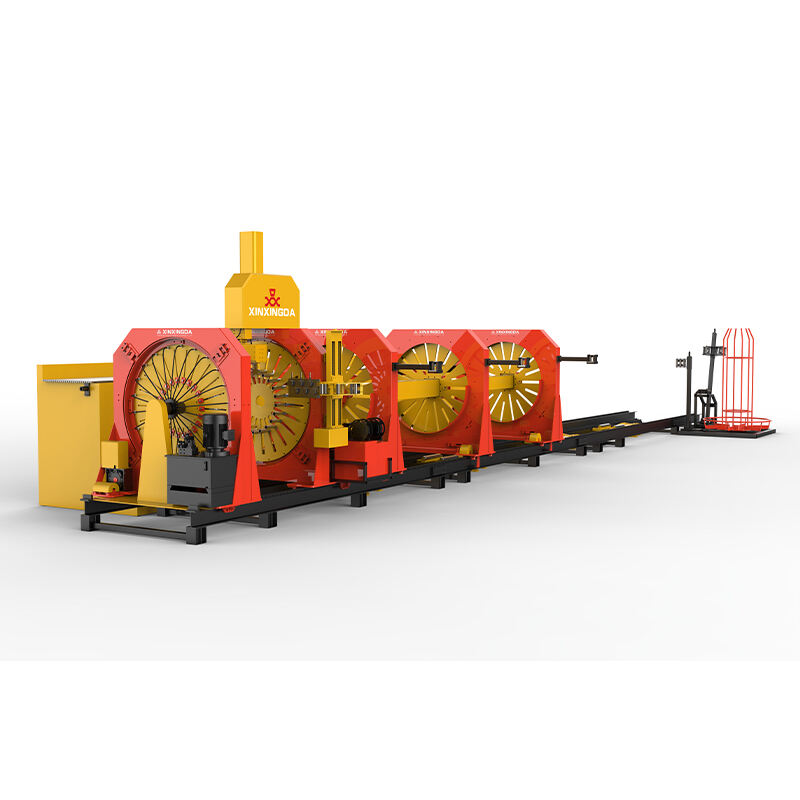
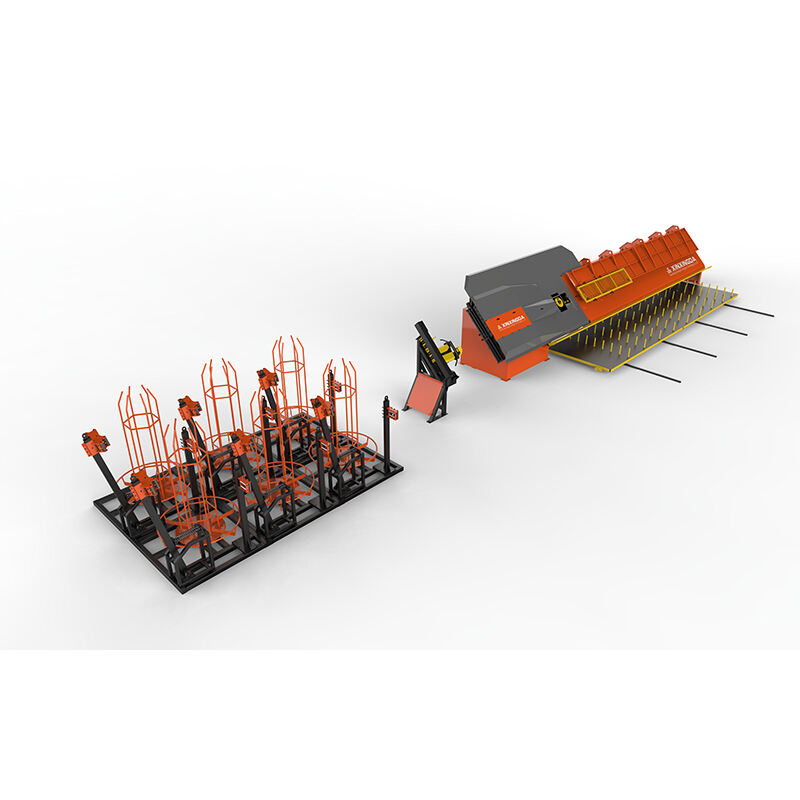
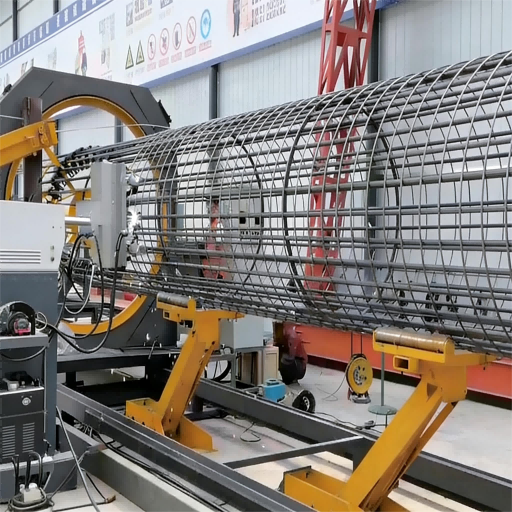
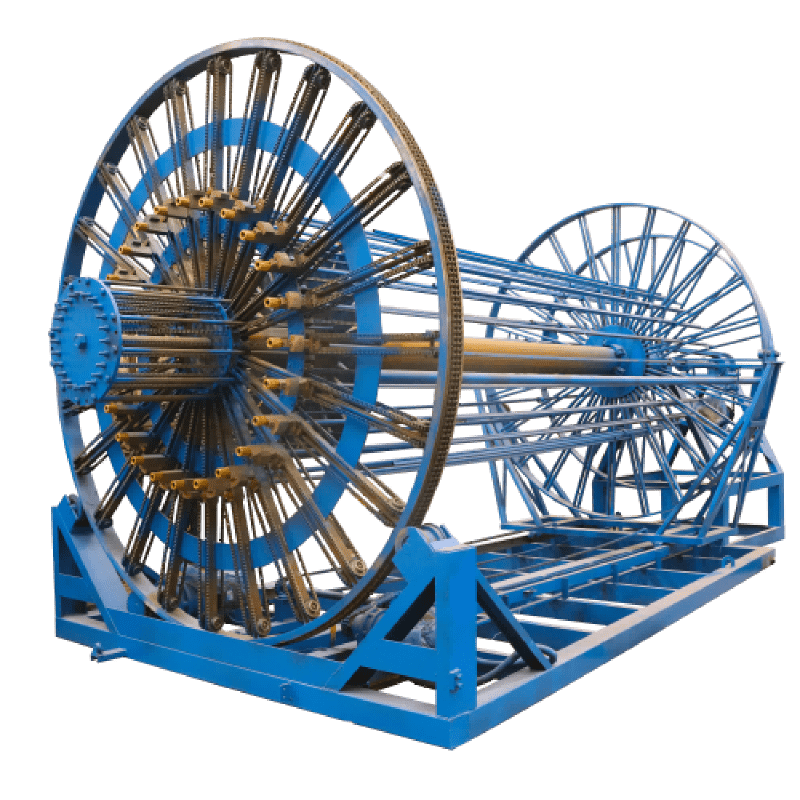
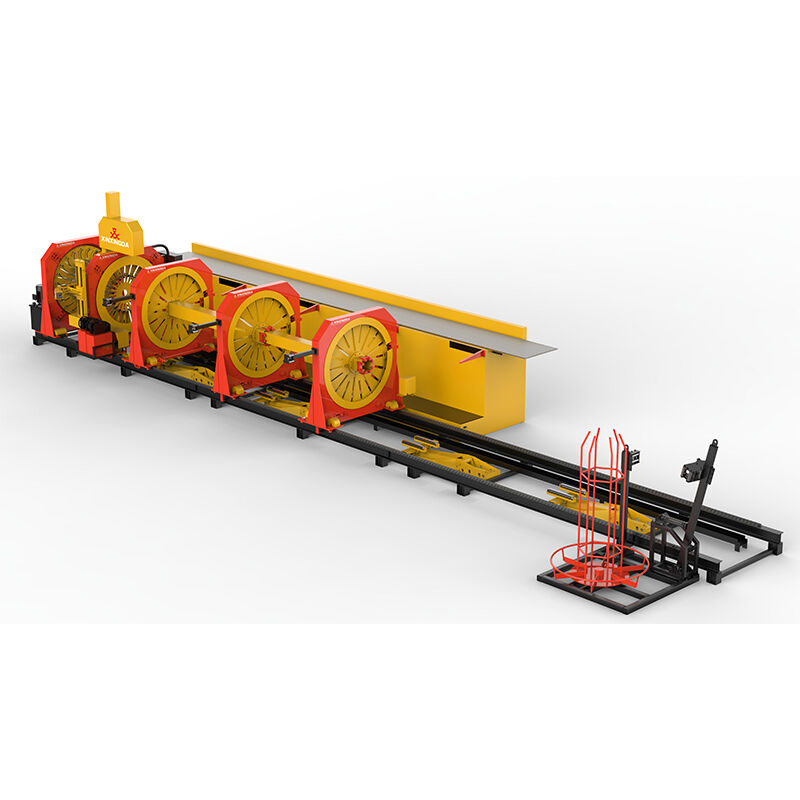
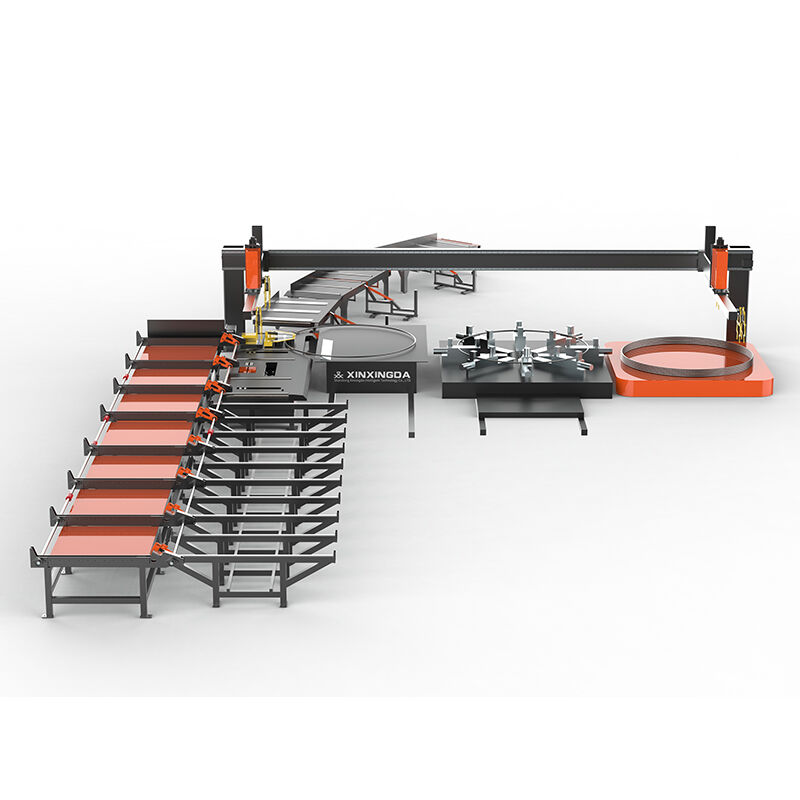
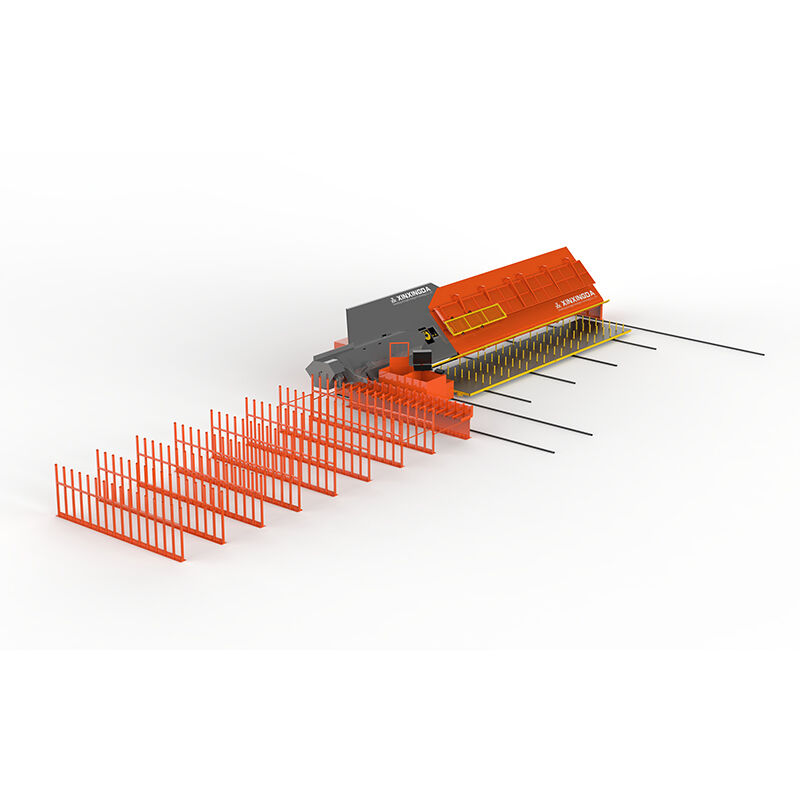
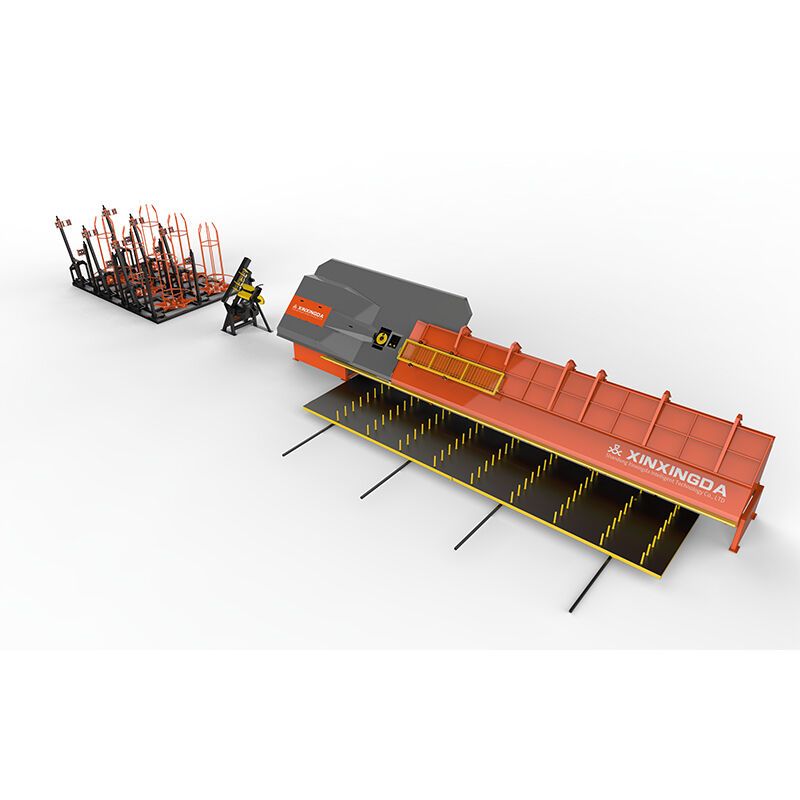
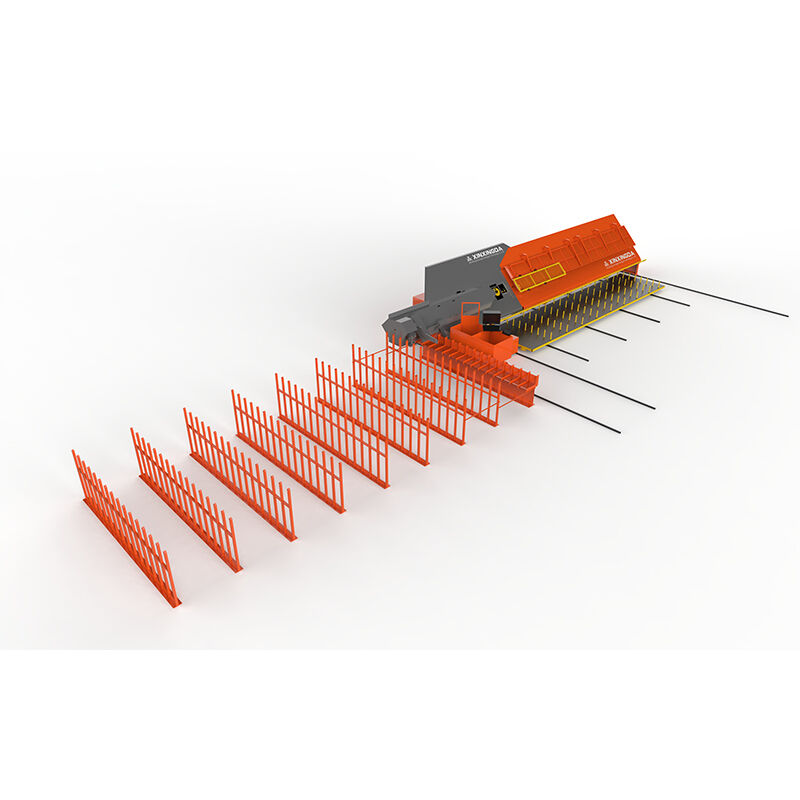
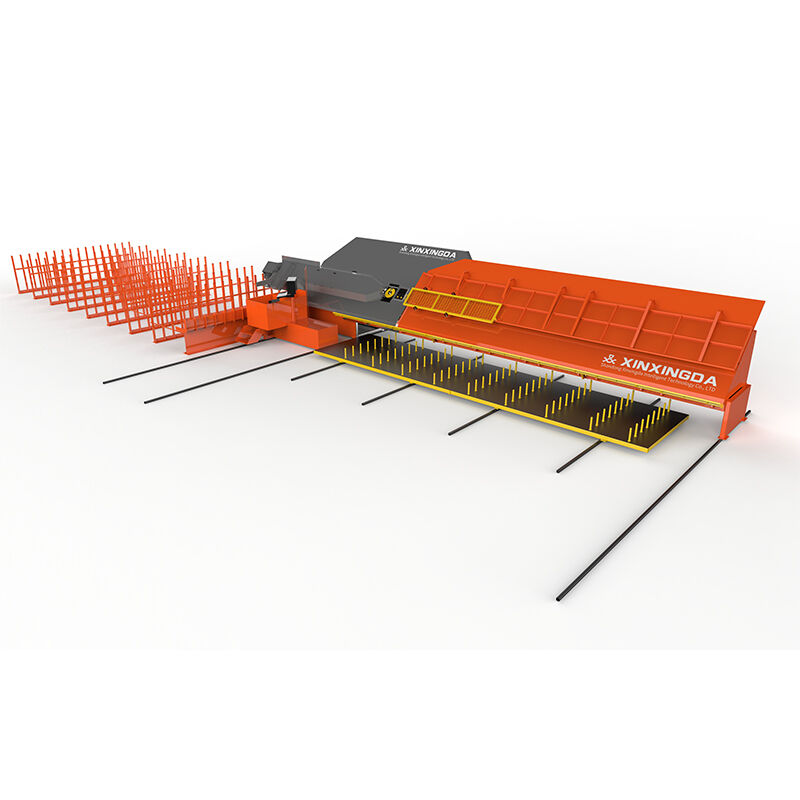
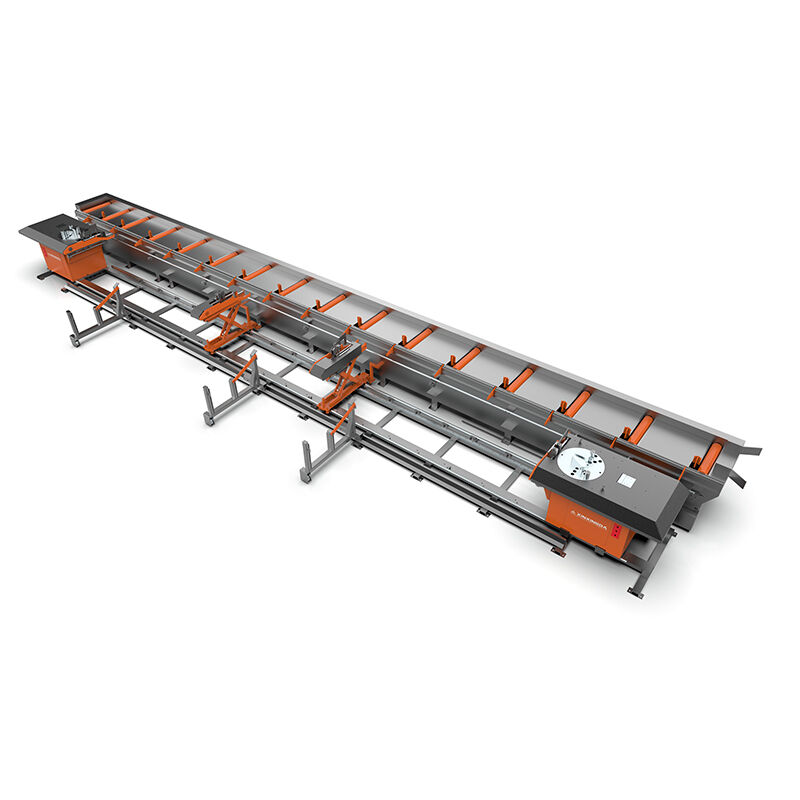
The efficient largescale bending machine represents a revolutionary advancement in metal fabrication technology, designed to handle substantial workpieces with unprecedented precision and speed. This sophisticated equipment serves as the cornerstone of modern manufacturing facilities, particularly those specializing in structural steel, shipbuilding, aerospace components, and heavy machinery production. The efficient largescale bending machine incorporates cutting-edge hydraulic systems, computerized numerical control, and advanced servo technology to deliver consistent, accurate bending operations across various material types and thicknesses. Its primary functions encompass forming complex geometries, creating precise angles, and shaping extensive metal sheets or profiles according to exact specifications. The machine's technological features include programmable bending sequences, real-time force monitoring, automatic material positioning, and integrated safety systems that ensure operator protection throughout the manufacturing process. Advanced sensor technology continuously monitors material properties, adjusting pressure and positioning parameters to maintain optimal bending quality. The efficient largescale bending machine accommodates materials ranging from mild steel and stainless steel to aluminum alloys and specialized metals, making it versatile across multiple industries. Its applications span architectural metalwork, automotive chassis production, railway car manufacturing, construction equipment fabrication, and marine vessel construction. The machine's robust construction ensures longevity and consistent performance even under demanding production schedules. Modern variants feature touchscreen interfaces, remote monitoring capabilities, and predictive maintenance systems that minimize downtime while maximizing productivity. The efficient largescale bending machine transforms raw materials into finished components through precise force application, eliminating manual labor requirements and reducing production time significantly. This equipment represents essential infrastructure for manufacturers seeking to maintain competitive advantages in today's demanding marketplace while meeting stringent quality standards and delivery schedules.

 EN
EN