All Categories

Get a Free Quote

Our representative will contact you soon.
Email
Name
Company Name
Mobile / WhatsApp
Message
0/1000
highprecision bar bending equipment-1

Home > 

high-precision bar bending equipment

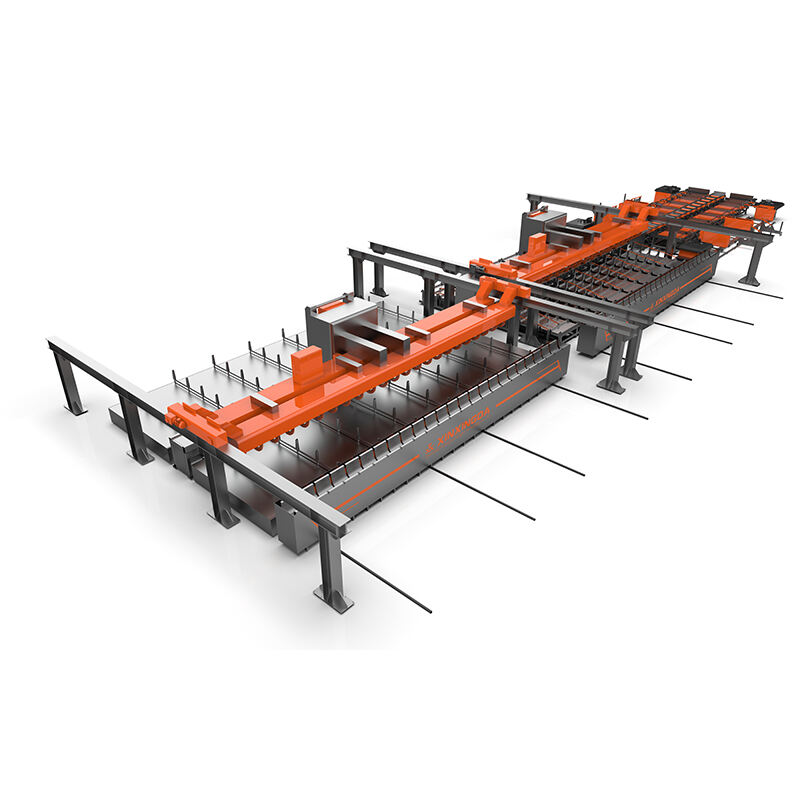
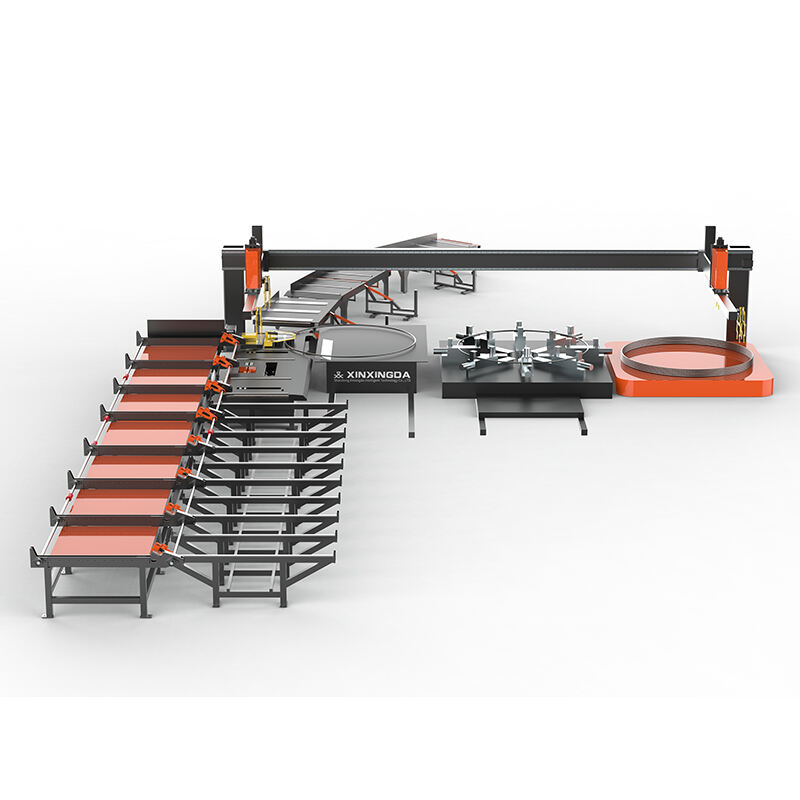
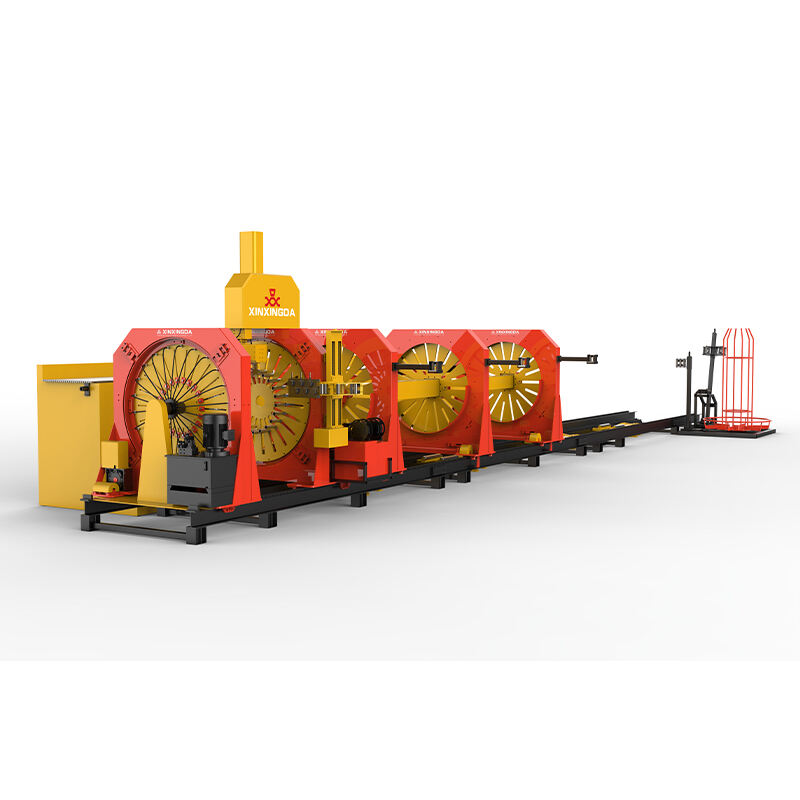
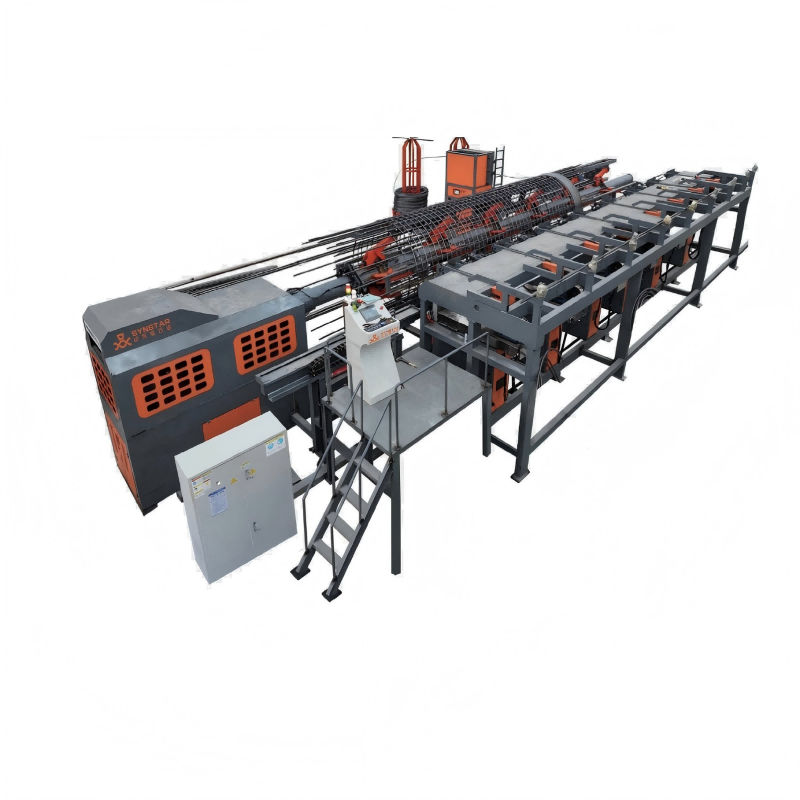
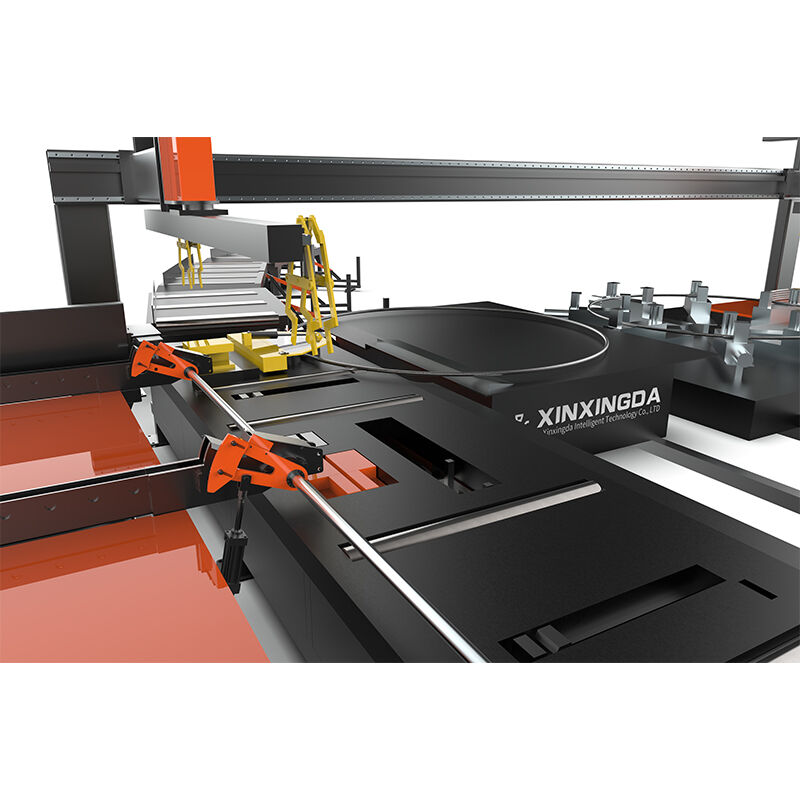
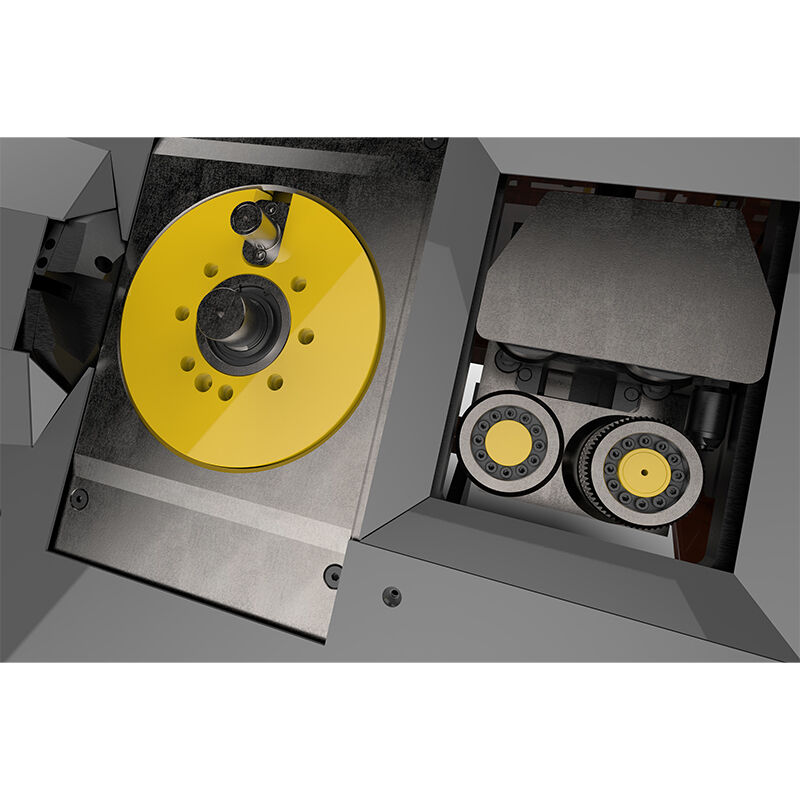
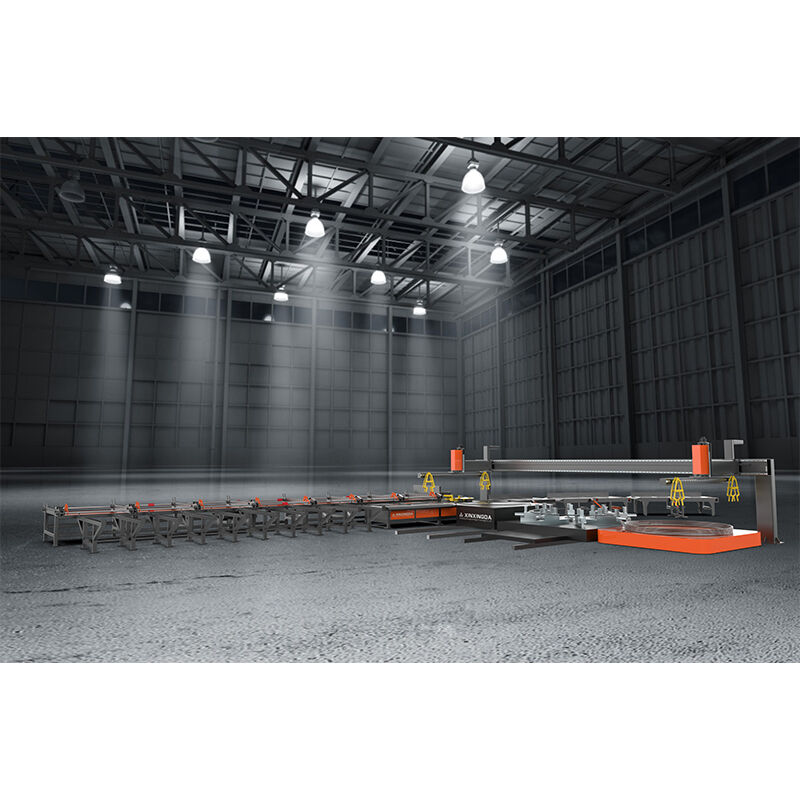
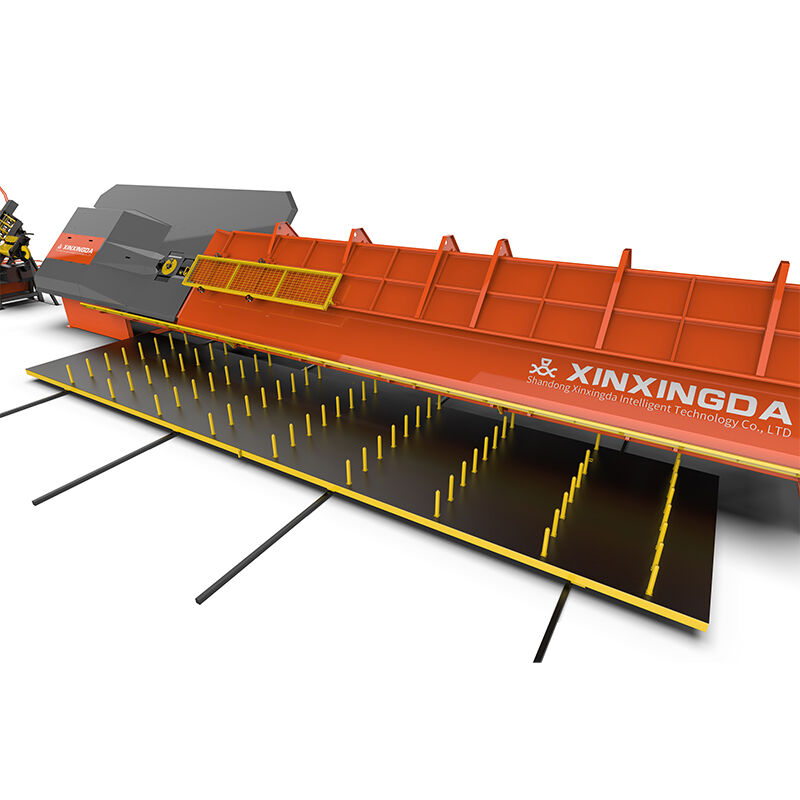
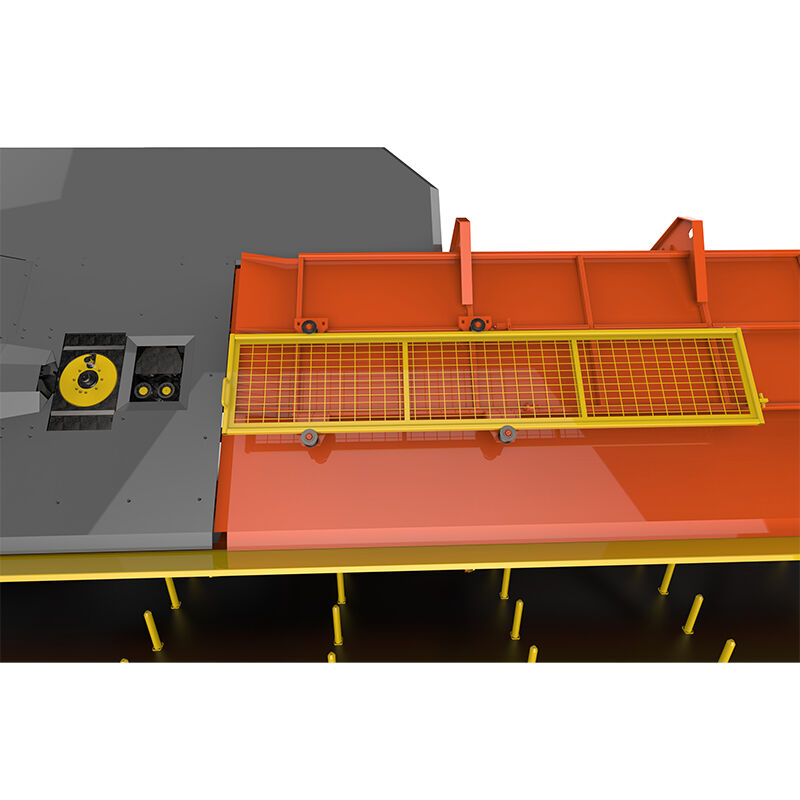
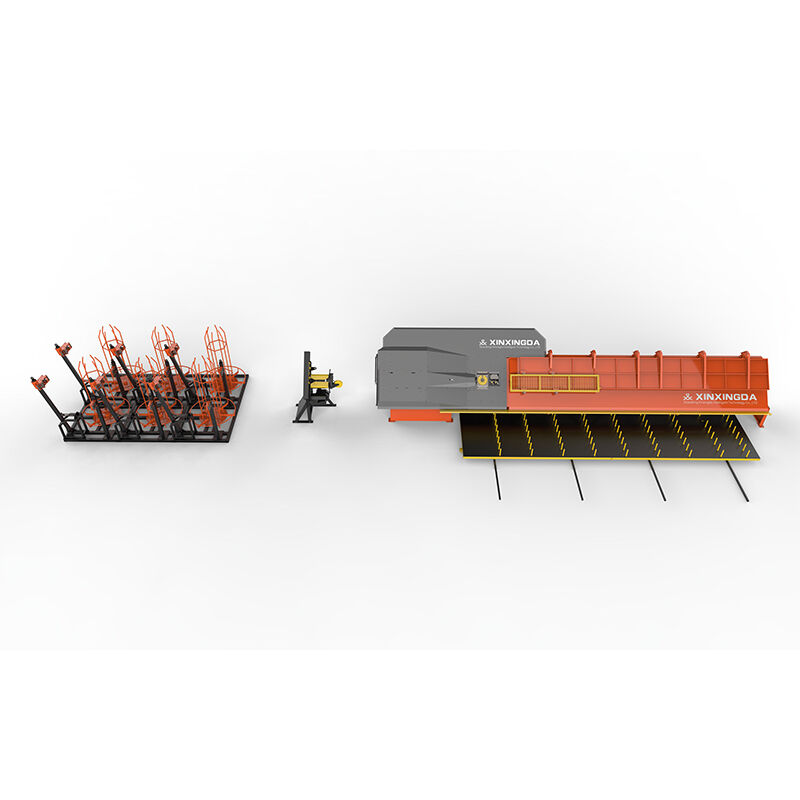
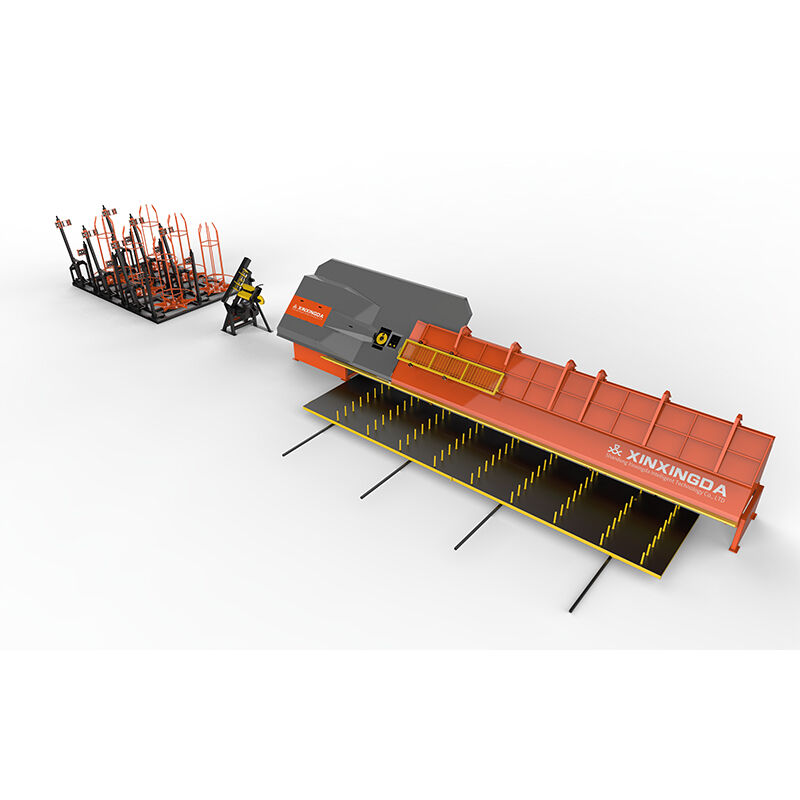
High-precision bar bending equipment represents a revolutionary advancement in metal fabrication technology, designed to deliver unmatched accuracy and consistency in bending operations. This sophisticated machinery combines cutting-edge engineering with intelligent control systems to transform raw metal bars into precisely shaped components for various industrial applications. The high-precision bar bending equipment utilizes servo-driven mechanisms and computer numerical control (CNC) technology to achieve tolerances within 0.1 degrees, making it indispensable for projects requiring exact specifications. The equipment features multiple bending stations that can handle diverse bar diameters ranging from 6mm to 40mm, accommodating both steel and aluminum materials with equal precision. Advanced hydraulic systems power the bending operations, ensuring smooth and controlled movements throughout the entire process. The machine incorporates automatic feeding mechanisms that position bars accurately before bending, eliminating human error and increasing production efficiency. Real-time monitoring systems track every aspect of the bending process, from angle measurements to force application, providing operators with comprehensive data for quality control. The high-precision bar bending equipment includes programmable logic controllers that store multiple bending programs, enabling quick setup changes for different production runs. Touch-screen interfaces simplify operation while providing detailed diagnostics and maintenance alerts. Safety features include emergency stops, protective barriers, and automatic shut-off systems that prevent accidents and equipment damage. The modular design allows for easy maintenance and component replacement, minimizing downtime. Applications span across construction, automotive, aerospace, and manufacturing industries where bent metal components form critical structural elements. The equipment handles complex bending sequences involving multiple angles and directions, creating intricate shapes that would be impossible to achieve manually. Production rates can reach up to 1200 pieces per hour, depending on complexity and material specifications.


New Product Releases

High-precision bar bending equipment transforms manufacturing operations by delivering substantial cost savings through reduced material waste and improved production efficiency. Traditional bending methods often result in 15-20% material waste due to measurement errors and rework, but this advanced equipment reduces waste to less than 2% through precise calculations and consistent execution. The automated systems eliminate the need for skilled operators to perform manual measurements and adjustments, significantly reducing labor costs while increasing output capacity. Production speed increases dramatically as the equipment operates continuously without fatigue, maintaining consistent quality throughout extended production runs. Quality improvements become immediately apparent as every bent component meets exact specifications, eliminating the costly process of sorting and rejecting defective parts. The high-precision bar bending equipment ensures uniform bend radii and accurate angles, creating components that fit perfectly during assembly operations. This precision reduces assembly time and prevents costly delays caused by misaligned parts. Flexibility stands as another major advantage, as the equipment adapts quickly to different bar sizes, materials, and bending requirements through programmable settings. Manufacturers can switch between production jobs within minutes rather than hours required for traditional setup changes. Safety improvements protect workers from injury risks associated with manual bending operations, as the automated process keeps operators away from moving parts and heavy materials. The enclosed design contains metal shavings and debris, maintaining cleaner work environments. Energy efficiency surpasses conventional methods by optimizing power consumption during idle periods and matching force application to specific material requirements. Documentation capabilities automatically generate production reports, tracking quantities, quality metrics, and maintenance schedules for comprehensive process control. The equipment integrates seamlessly with existing production systems through standard communication protocols, enabling real-time data exchange with enterprise resource planning software. Predictive maintenance features monitor component wear and performance degradation, scheduling maintenance activities before failures occur. This proactive approach minimizes unexpected downtime and extends equipment lifespan. Return on investment typically occurs within 18-24 months through combined savings in labor, materials, and quality improvements.

Tips And Tricks

Which Applications Need Circle and Arc Bending Machine Technology

05

Dec

Which Applications Need Circle and Arc Bending Machine Technology

Modern manufacturing industries increasingly demand precision in metal fabrication, particularly when creating curved and circular components. The circle and arc bending machine has emerged as an essential tool for transforming straight metal bars, r...
View More
Which Features Matter Most When Buying a Rebar Stirrup Bender

28

Feb

Which Features Matter Most When Buying a Rebar Stirrup Bender

Construction professionals seeking efficient reinforcement fabrication solutions must carefully evaluate equipment specifications when investing in automated bending machinery. Modern rebar stirrup bender technology has revolutionized how contractors...
View More
What Applications Require a Reliable Rebar Stirrup Bender

28

Feb

What Applications Require a Reliable Rebar Stirrup Bender

Construction projects across various industries depend on precise reinforcement fabrication, making the rebar stirrup bender an essential piece of equipment for contractors, fabricators, and construction companies. These specialized machines transfor...
View More
What Advantages Does a CNC Steel Bar Bending Machine Provide

30

Mar

What Advantages Does a CNC Steel Bar Bending Machine Provide

A CNC steel bar bending machine represents a revolutionary advancement in construction and manufacturing operations, delivering unprecedented precision and efficiency in steel bar manipulation. This sophisticated equipment has transformed how contrac...
View More

Get a Free Quote

Our representative will contact you soon.
Email
Name
Company Name
Mobile / WhatsApp
Message
0/1000

high-precision bar bending equipment

Advanced CNC Control System with Precision Engineering

Advanced CNC Control System with Precision Engineering

The cornerstone of high-precision bar bending equipment lies in its sophisticated CNC control system that revolutionizes accuracy standards in metal forming operations. This advanced system employs multi-axis servo motors coupled with high-resolution encoders to achieve positioning accuracy within 0.05mm and angular precision of ±0.1 degrees. The control system continuously monitors and adjusts bending parameters in real-time, compensating for material variations, temperature fluctuations, and tool wear to maintain consistent results throughout production runs. The intelligent software calculates springback compensation automatically based on material properties and bend geometry, ensuring final dimensions match design specifications exactly. Machine learning algorithms analyze historical bending data to optimize parameters for new materials or complex geometries, reducing setup time and improving first-piece accuracy. The system stores unlimited bending programs in its memory, allowing instant recall of previous setups and eliminating time-consuming manual adjustments. Operators can input bending sequences through intuitive touchscreen interfaces that display 3D visualizations of the final product, preventing programming errors before production begins. Remote monitoring capabilities enable supervisors to track equipment performance from anywhere within the facility, receiving instant alerts about quality deviations or maintenance requirements. The control system integrates seamlessly with CAD software, importing bending data directly from design files and eliminating transcription errors. Diagnostic functions continuously monitor system health, predicting component failures before they occur and scheduling maintenance during planned downtime. This level of control precision translates directly into superior product quality, reduced scrap rates, and increased customer satisfaction. The high-precision bar bending equipment equipped with this advanced control system delivers consistent results that meet the most demanding specifications in aerospace, automotive, and precision manufacturing applications.
Versatile Multi-Material Processing Capabilities

Versatile Multi-Material Processing Capabilities

High-precision bar bending equipment demonstrates exceptional versatility through its ability to process diverse materials with equal precision and reliability. The advanced system handles steel grades ranging from mild carbon steel to high-strength alloys, aluminum varieties from soft commercial grades to aerospace-quality materials, and specialty metals including stainless steel and titanium. Each material requires specific processing parameters including bending force, speed, and springback compensation, which the equipment manages automatically through pre-programmed material databases. The system adjusts hydraulic pressure dynamically based on material hardness and thickness, preventing over-stressing that could cause cracking or under-bending that results in inaccurate angles. Temperature monitoring ensures materials remain within optimal processing ranges, particularly important for aluminum alloys that become brittle when cold-worked excessively. The equipment accommodates bar diameters from 6mm to 40mm without requiring extensive tooling changes, maximizing production flexibility and reducing setup costs. Quick-change tooling systems enable operators to switch between different bend radii and angles within minutes, supporting just-in-time manufacturing strategies. Surface protection systems prevent scratching or marking during the bending process, maintaining aesthetic quality for visible components. The high-precision bar bending equipment recognizes material properties automatically through integrated sensors that detect density, hardness, and elastic modulus, adjusting parameters accordingly without operator intervention. Batch processing capabilities allow mixing different materials within the same production run, automatically switching parameters as different bars enter the bending zone. Quality verification systems measure material thickness and composition before bending begins, ensuring only approved materials enter production. This versatility eliminates the need for multiple specialized machines, reducing capital investment and floor space requirements while increasing production capacity. Manufacturers benefit from simplified inventory management as a single machine handles their complete range of bending requirements across all product lines and material specifications.
Intelligent Quality Control and Monitoring Systems

Intelligent Quality Control and Monitoring Systems

The high-precision bar bending equipment incorporates comprehensive quality control and monitoring systems that ensure consistent production standards while minimizing defects and rework. Real-time measurement sensors continuously monitor bend angles during the forming process, comparing actual results against programmed specifications and making automatic corrections within milliseconds. High-resolution cameras capture images of each bent component, analyzing dimensions and surface quality through advanced image processing algorithms that detect even minor deviations from design requirements. Force monitoring systems track the energy required for each bend, identifying material inconsistencies or tool wear that could affect quality before defective parts are produced. Statistical process control software analyzes production data continuously, identifying trends that indicate process drift or equipment degradation, enabling proactive adjustments before quality issues arise. The system generates comprehensive quality reports automatically, documenting measurements, tolerances, and process parameters for each production batch to support quality certification requirements. Traceability features link each bent component to its source material, processing parameters, and quality measurements, providing complete production history for critical applications. Automated sorting systems separate components that fall outside tolerance ranges, preventing defective parts from reaching assembly operations. The high-precision bar bending equipment maintains calibration automatically through self-checking routines that verify measurement accuracy against certified reference standards. Non-contact measurement systems eliminate the risk of damage during inspection while providing faster throughput than traditional gauging methods. Environmental monitoring tracks temperature, humidity, and vibration conditions that could affect precision, adjusting compensation factors automatically to maintain accuracy. Alert systems notify operators immediately when quality parameters exceed acceptable limits, enabling rapid response to prevent extensive production of defective parts. Integration with enterprise quality management systems provides real-time visibility into production performance across multiple machines and shifts. This comprehensive approach to quality control reduces inspection costs, improves customer satisfaction, and supports continuous improvement initiatives that drive long-term competitiveness in demanding market segments.

Get a Free Quote

Our representative will contact you soon.
Email
Name
Company Name
Mobile / WhatsApp
Message
0/1000