All Categories

Get a Free Quote

Our representative will contact you soon.
Email
Name
Company Name
Mobile
Message
0/1000
robotic welding systems-1

Home > 

robotic welding systems

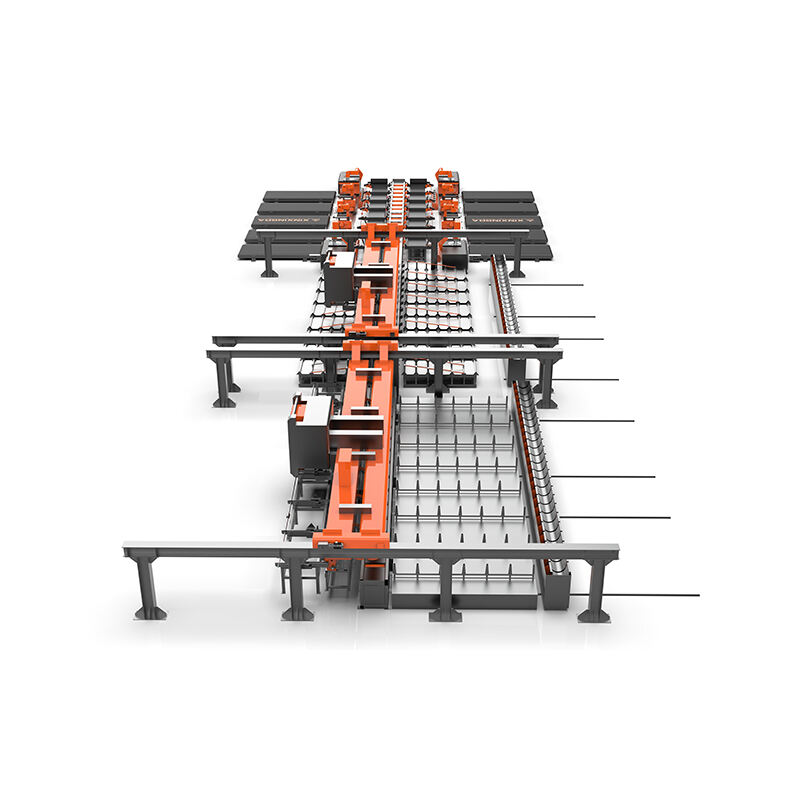
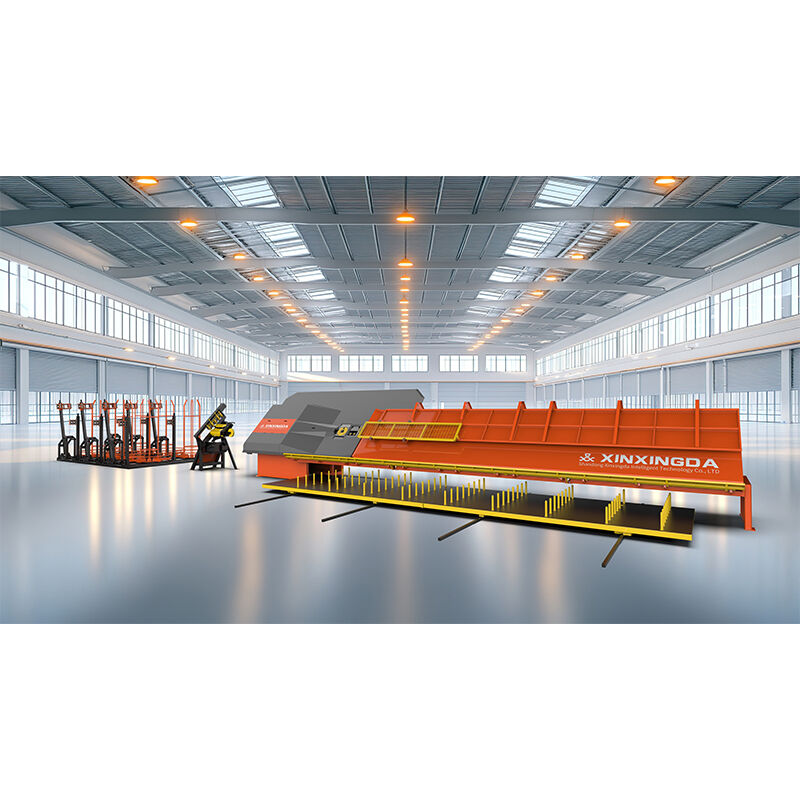
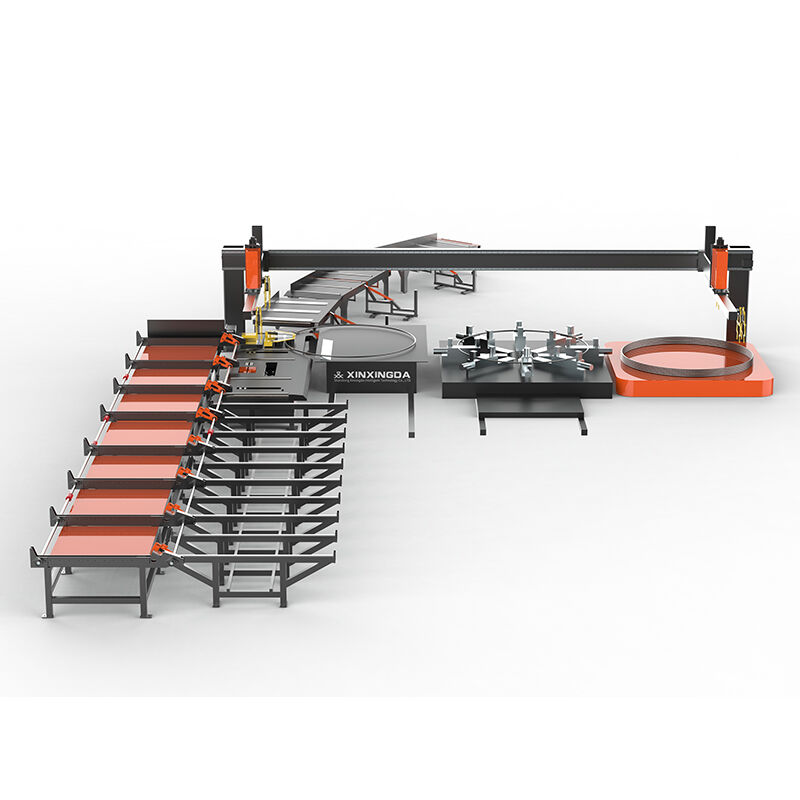
Robotic welding systems represent a revolutionary advancement in manufacturing technology, combining precision automation with sophisticated welding capabilities. These systems consist of robotic arms equipped with welding tools, sensors, and control systems that work together to perform consistent, high-quality welds. The primary components include a robotic manipulator, power source, controller, welding equipment, and safety features. Modern robotic welding systems incorporate advanced features such as real-time monitoring, automatic path correction, and quality control mechanisms. They can perform various welding processes, including MIG, TIG, and spot welding, with exceptional accuracy and repeatability. These systems utilize sophisticated programming interfaces that allow operators to easily set parameters and create complex welding patterns. The integration of artificial intelligence and machine learning capabilities enables these systems to adapt to varying conditions and optimize welding parameters automatically. They are widely deployed in automotive manufacturing, aerospace industries, heavy equipment production, and general fabrication facilities. The systems can operate continuously in harsh environments while maintaining consistent weld quality and production rates.

New Products

Robotic welding systems offer numerous compelling advantages that make them invaluable in modern manufacturing environments. First and foremost, they deliver unprecedented consistency and precision in welding operations, significantly reducing defects and rework requirements. The automation capabilities ensure that each weld meets exact specifications, regardless of complexity or duration. These systems substantially increase productivity by operating at higher speeds than manual welding while maintaining continuous operation without fatigue. They can work around the clock, leading to dramatic improvements in production output. Worker safety is greatly enhanced as operators are removed from hazardous welding environments, reducing exposure to fumes, heat, and sparks. The systems also offer significant cost savings through reduced material waste, lower labor costs, and improved energy efficiency. Quality control is enhanced through built-in monitoring systems that track and record welding parameters, ensuring compliance with quality standards and facilitating documentation. The flexibility of robotic welding systems allows for quick adaptation to different products and welding requirements, making them ideal for both high-volume production and custom manufacturing operations. Modern systems feature user-friendly interfaces that simplify programming and operation, reducing the learning curve for new operators. The integration capabilities with other automated systems and Industry 4.0 technologies enable seamless production flow and real-time process optimization.

Tips And Tricks

How to Extend the Lifespan of a Large-Scale Bending Machine

24

Sep

How to Extend the Lifespan of a Large-Scale Bending Machine

Importance of Maintaining a Large-Scale Bending Machine A large-scale bending machine is a critical piece of equipment in modern manufacturing. It plays an essential role in shaping metal sheets, pipes, and other materials with precision and efficien...
View More
How to Select a Steel Cage Rolling Welding Machine for Construction

24

Sep

How to Select a Steel Cage Rolling Welding Machine for Construction

How to Select a Steel Cage Rolling Welding Machine for Construction Role of a Steel Cage Rolling Welding Machine in Modern Projects A steel cage rolling welding machine is a crucial piece of equipment for infrastructure and construction projects. It ...
View More
What Applications Benefit Most from Steel Cage Rolling Welding Machine

24

Sep

What Applications Benefit Most from Steel Cage Rolling Welding Machine

Contribution of Steel Cage Rolling Welding Machine to Infrastructure A steel cage rolling welding machine plays an essential role in modern infrastructure projects. It is specifically designed to automate the fabrication of reinforced steel cages use...
View More
Which Features Define Reliable Steel Cage Rolling Welding Machine

24

Sep

Which Features Define Reliable Steel Cage Rolling Welding Machine

Importance of Selecting a Reliable Steel Cage Rolling Welding Machine A steel cage rolling welding machine is at the heart of modern construction and infrastructure projects. It combines the functions of rolling and welding, allowing reinforced cages...
View More

Get a Free Quote

Our representative will contact you soon.
Email
Name
Company Name
Mobile
Message
0/1000

robotic welding systems

Advanced Sensor Integration and Adaptive Control

Advanced Sensor Integration and Adaptive Control

Modern robotic welding systems incorporate sophisticated sensor arrays that provide real-time monitoring and adjustment capabilities. These sensors continuously track critical parameters such as weld penetration, temperature, arc stability, and joint alignment. The adaptive control systems use this data to make instantaneous adjustments to welding parameters, ensuring optimal weld quality regardless of variations in material properties or environmental conditions. This advanced sensing and control capability significantly reduces the risk of weld defects and ensures consistent quality across long production runs. The system can detect and compensate for changes in joint geometry, heat build-up, and material variations, making it particularly valuable for complex welding applications.
Comprehensive Safety and Monitoring Features

Comprehensive Safety and Monitoring Features

Safety is paramount in robotic welding systems, which incorporate multiple layers of protection and monitoring capabilities. Advanced safety features include light curtains, pressure-sensitive floor mats, and emergency stop systems that immediately halt operations when safety zones are breached. The systems also monitor environmental conditions, including air quality and temperature, to ensure optimal working conditions. Integrated vision systems provide real-time monitoring of the welding process, allowing operators to observe operations from a safe distance. These safety features not only protect workers but also help maintain compliance with industry safety standards and regulations, reducing liability risks and ensuring a safer working environment.
Smart Integration and Industry 4.0 Compatibility

Smart Integration and Industry 4.0 Compatibility

Modern robotic welding systems are designed with full Industry 4.0 integration capabilities, enabling seamless connection with other manufacturing systems and data analytics platforms. This connectivity allows for real-time production monitoring, predictive maintenance, and automated quality control reporting. The systems can collect and analyze vast amounts of welding data, providing insights for process optimization and quality improvement. Integration with manufacturing execution systems (MES) and enterprise resource planning (ERP) systems enables automated production scheduling and resource management. This smart integration capability ensures that robotic welding systems can adapt to future manufacturing requirements and continue to deliver value as technology evolves.

Get a Free Quote

Our representative will contact you soon.
Email
Name
Company Name
Mobile
Message
0/1000