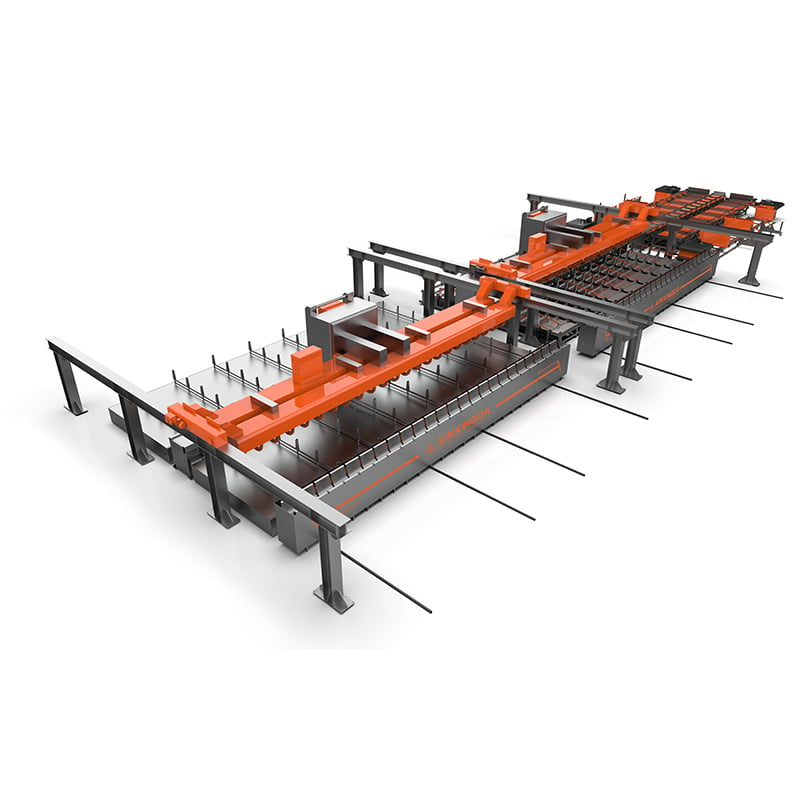
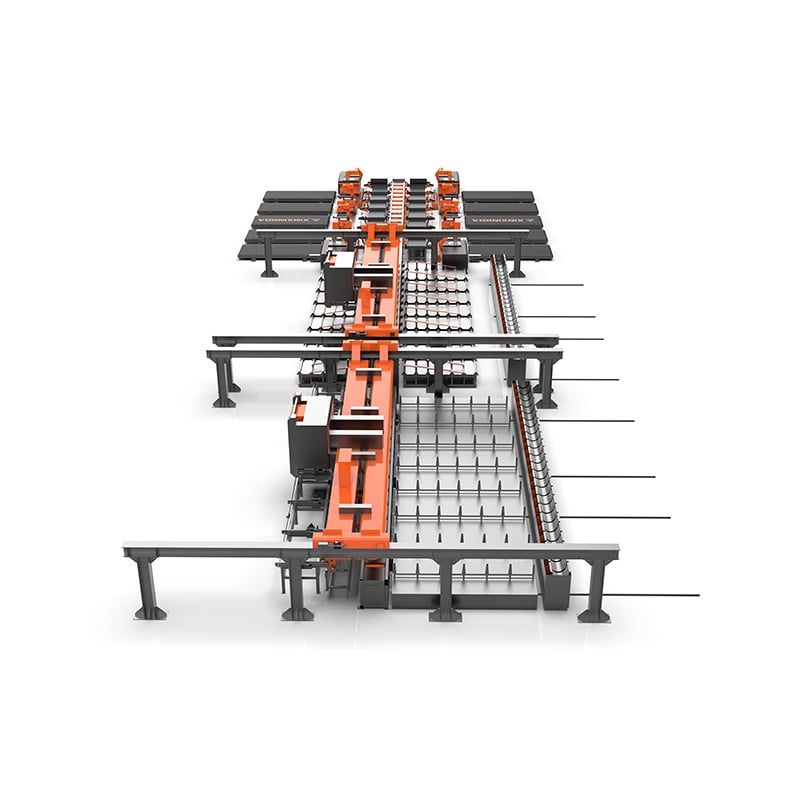
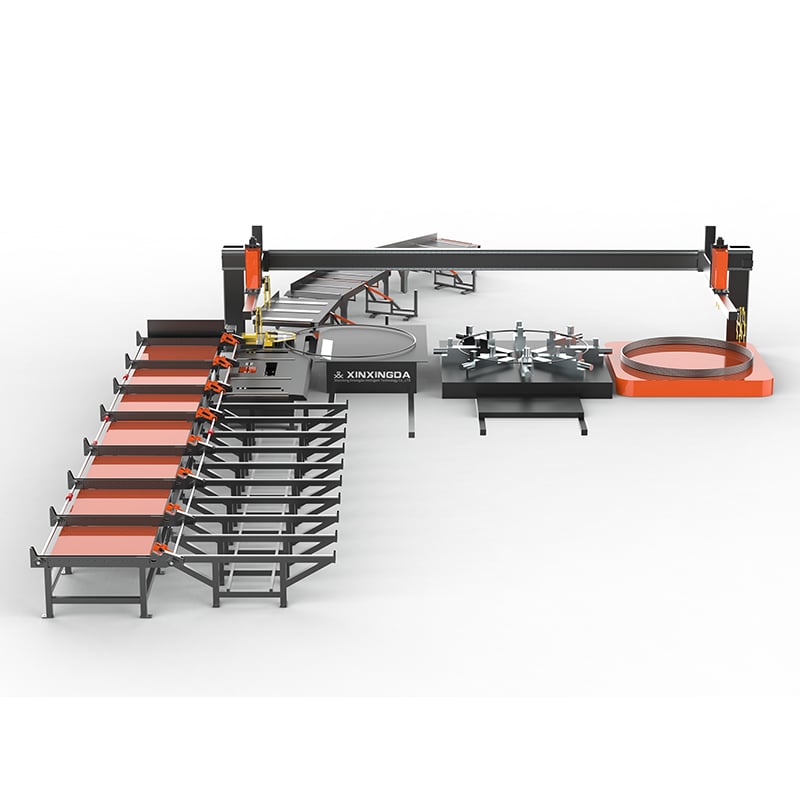
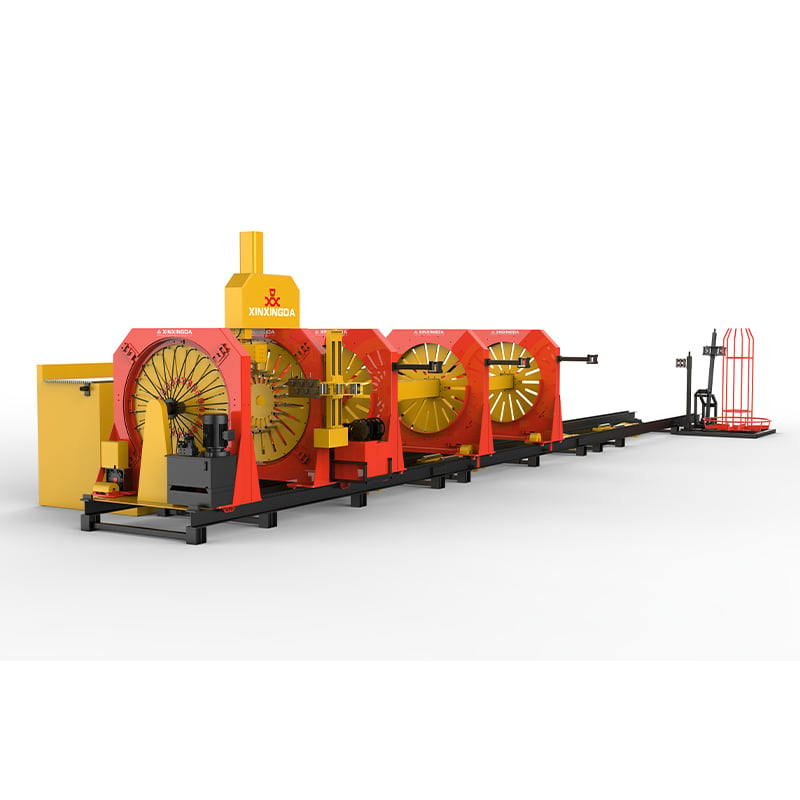
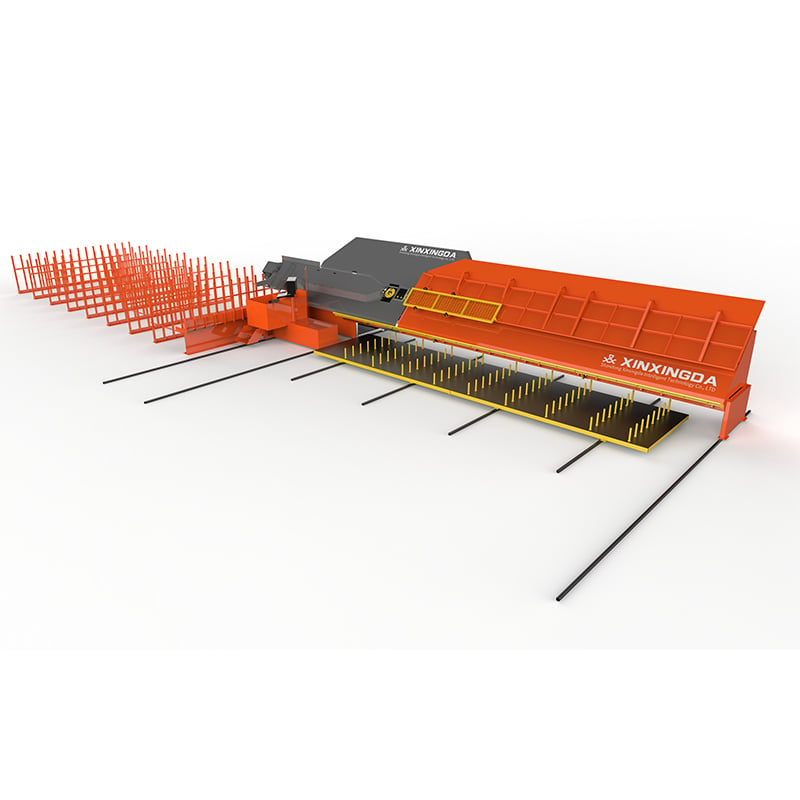
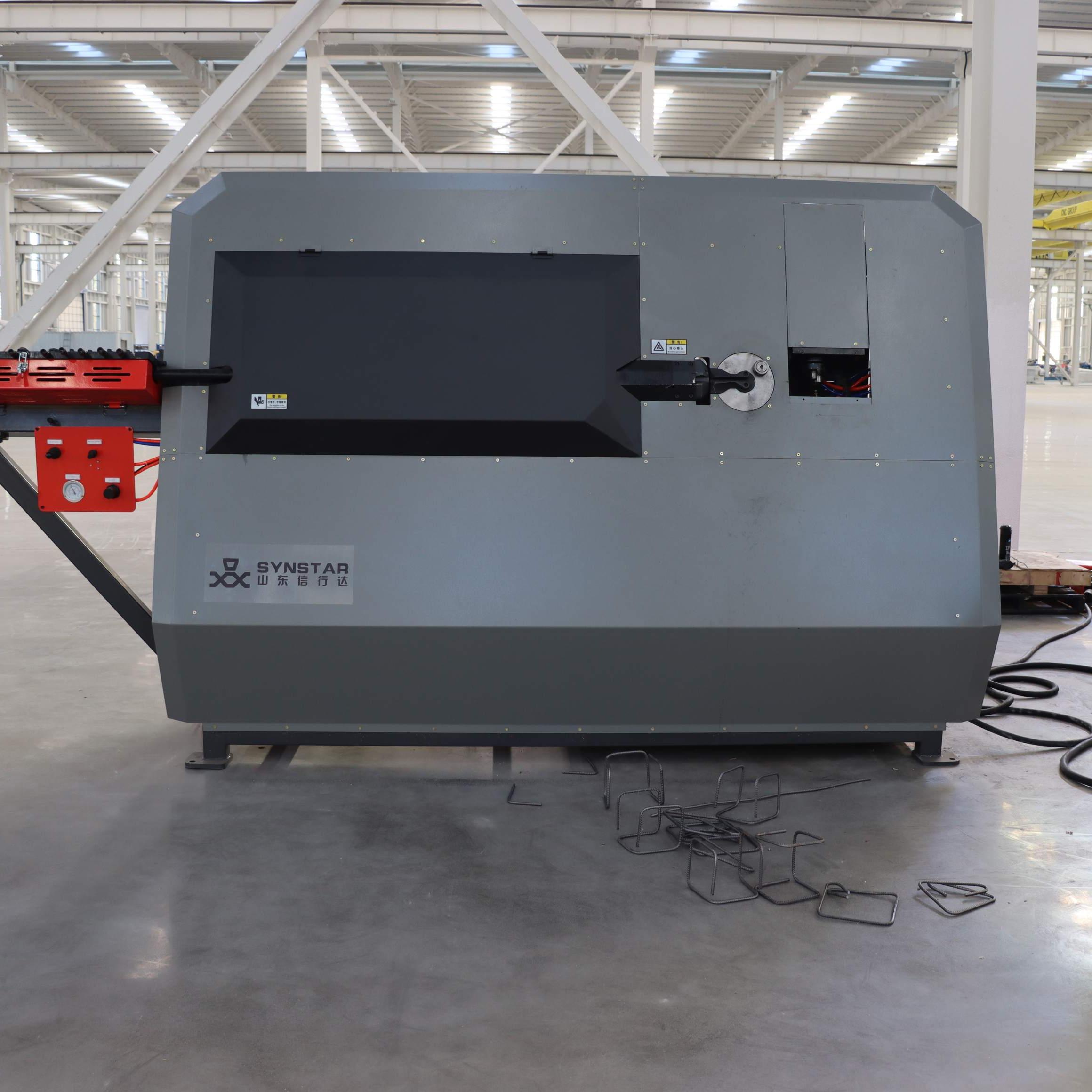
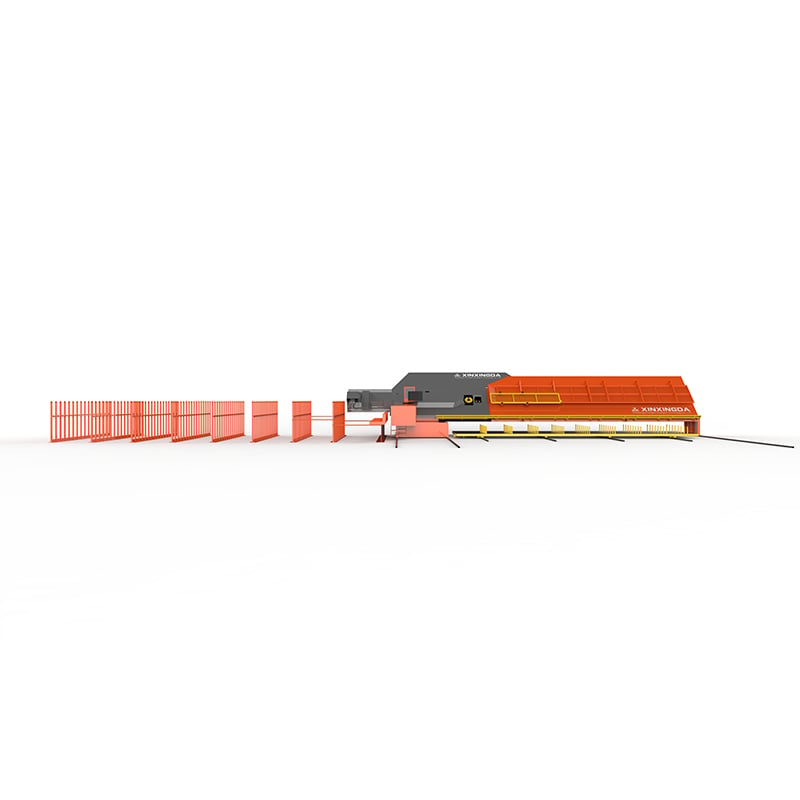
ယခင်ဆောင်းပါးသည် သံကြေးချောင်းမှုန်းချောင်းမှုန်းချောင်းမှု၏ နည်းပညာ ဆင့်ကဲပြောင်းလဲမှု အပေါ်တွင် အာရုံစိုက်ခဲ့ပါသည်။ ဤဆောင်းပါးတွင်မူ သံကြေးချောင်းမှုန်းချောင်းစက်များ၏ ထိရောက်မှုကို အတိအကျသေးနက်သော ဒေတာများနှင့် လက်တွေ့စီးပွားရေးအကျိုးကျေးနှုံးများမှ အမြင်သစ်ဖြင့် ပြန်လည်ဖွင့်ဆီးပေးထားပါသည်။ .
၁။ အရေအတွက်ဖြင့် တိကျစွာ တိုင်းတာထားသော ထိရောက်မှု – မသေချာသော စာရင်းဇယားများကို အသုံးမပြုတော့ပါ
ရိုးရာသံကြေးချောင်းမှုလုပုပ်ငန်းများတွင် ထိရောက်မှုကို အများအားဖြင့် "ခန့်မှန်းခြင်း" ဖြင့်သာ တိုင်းတာလေ့ရှိပါသည်။ ယနေ့နေ့တွင် ဘယ်နှစ်ခုလုံး ပြုလုပ်နိုင်ခဲ့သနည်း။ အလုပုပ်သမားများက ဘယ်နှစ်နှစ်မှုန်း အလုပ်လုပ်ခဲ့သနည်း။ ဤကဲ့သို့သော မသေချာမှန်ကန်သော နည်းလမ်းများသည် အလွန်ကြီးမားသော အသုံးမဝင်မှုများကို ဖုံးကွယ်ပေးလေ့ရှိပါသည်။ ခေတ်မီ CNC သံကြေးချောင်းမှုန်းချောင်းစက်များဖြင့် ထိရောက်မှုသည် အတိအကျတိုင်းတာနိုင်သော အရာဖြစ်လာပါသည်။ :
-
စက်တစ်လုံး၏ တစ်နှစ်လုံးအတွင်း ထုတ်လုပ်မှုပမာဏ – φ၈–φ၁၂မီမီ အထိ အများအားဖြင့် အမျှတ်မှုန်းချောင်းများကို အသုံးပြု၍ အလုပ်လုပ်သည့် အလုပ်လုပ်နေသော CNC သံကြေးချောင်းမှုန်းချောင်းစက်တစ်လုံးသည် တစ်နှစ်လုံးအတွင်း စံနှုန်းအတိုင်း သံကြေးချောင်းမှုန်းချောင်းများ ၈၀၀ မှ ၁၂၀၀ ခုအထ do ထုတ်လုပ်နိုင်ပါသည် (၂၀၀×၃၀၀မီမီ အရွယ်အစားအတိုင်း)။ ထို့နှင့် နှိုင်းယှဉ်လျှင် အလုပ်လုပ်နေသော အလုပ်သမားနှစ်ဦးသည် အချိန်တူညီသော အချိန်အတွင်း အလုပ်လုပ်နေသော အချိန်တိုင်းအတွင်း အလုပ်လုပ်နေသော အလုပ်လုပ်နေသော အလုပ်လုပ်နေသော အလုပ်လုပ်နေသော အလုပ်လုပ်နေသော အလုပ်လုပ်နေသော အလုပ်လုပ်နေသော အလုပ်လုပ်နေသော အလုပ်လုပ်နေသော အလုပ်လုပ်နေသော အလုပ်လုပ်နေသော အလုပ်လုပ်နေသော အလုပ်လုပ်နေသော အလုပ်လုပ်နေသော အလုပ်လုပ်နေသော အလုပ်လုပ်နေသော အလုပ်လုပ်နေသော အလုပ်လုပ်နေသော အလုပ်လုပ်နေသော အလုပ်လုပ်နေသော အလုပ်လုပ်နေသော အလုပ်လုပ်နေသော အလုပ်လုပ်နေသော အလ......
-
အလုပ်သမားစရိတ်နှိုင်းယှဉ်ခြင်း ။ ရိုးရာလက်ဖျားနည်း / အလုပ်သမားအကူအညီဖြင့် အလုပ်လုပ်သည့် စက်မှုနည်းလမ်းများတွင် အလုပ်သမား ၂–၃ ဦး (ကိုင်တွယ်ခြင်း၊ အစာကျွေးခြင်း၊ ခေါက်ခြင်း၊ စုစည်းခြင်း) လိုအပ်ပါသည်။ အပြည့်အဝအလိုအလျောက်စက်မှုနည်းလမ်းတွင် စီမံခန့်ခွဲမှုနှင့် အမျှတ်အစားခွဲခြင်းအတွက် အလုပ်သမား ၁ ဦးသာ လိုအပ်ပါသည်။ အလုပ်သမားများ၏ ထိရောက်မှုသည် 200%–300%အဆင့်မြင့်လာပါသည်။ ထို့အပေါ်အခြေခံ၍ ထိခိုက်မှုအန္တရာယ်များနှင့် ရုပ်ပိုင်းဆိုင်ရာအလုပ်ပမာဏများကို အလွန်အမင်းလျော့ချနိုင်ပါသည်။
အသေးစိတ်ဖော်ပြရသော်—
ခေါက်စက်တစ်လုံးဖြင့် ၈ နာရီအတွင်း ထုတ်လုပ်နိုင်သည့် ထုတ်ကုန်များသည် စံနှုန်းအတိုင်းသတ်မှတ်ထားသည့် အဆောက်အဦးတစ်ခု၏ အထပ်တစ်ခုလုံးအတွက် လိုအပ်သည့် စတီရပ်များအားလုံးကို ဖော်ပေးနိုင်ပါသည် (≈၃၀၀ စတုရန်းမီတာ)။ လက်ဖျားနည်း သို့မဟုတ် အလုပ်သမားအကူအညီဖြင့် အလုပ်လုပ်သည့် နည်းလမ်းများဖြင့် ထိုအလုပ်ကို လုပ်ရန်
နေ့နှစ်ရက်ပြည့် ကုန်ကြာပါသည်။
၂။ ဖော်မထုတ်ရသေးသည့် ထိရောက်မှုများ— အမှန်တကယ်သုံးစွဲနိုင်သည့် စရိတ်ခွဲခြမ်းစိတ်ဖဲ့မှုများ
လူအများစုသည် ခေါက်စက်များကို အလွန်မြန်ဆန်သည့် စက်မှုပစ္စည်းများအဖြစ်သာ မြင်ကြပါသည်။ သို့သော် ၎င်းတို့၏ စီးဆင်းမှုအလုပ်သမ်ုဘောဂေတ်တန်ဖိုးကို လျော့နည်းစေလေ့ရှိပါသည်။
-
နောက်ထပ်အကျုံးဝင်မှုနှစ်ဆတိုးမြင့်ခြင်း ။ ရိုးရာလုပ်ဆောင်မှုများသည် ရှည်လျားသောလုပ်ဆောင်ရေးဧရိယာများနှင့် ကြီးမားသောသိုလှောင်ရေးနေရာများကို လိုအပ်ပါသည်။ အပြည့်အဝအလိုအလျောက်စက်များသည် စုပ်ယူမှုနှင့် အဆုံးသတ်သောစတီရပ်ပ်များကို အလိုအလျောက်ဖော်ပေးခြင်းဖြင့် အရွယ်အစားသေးငယ်ပါသည်။ ဧရိယာတစ်ယူနစ်လျှင် ထုတ်လုပ်မှုပမာဏသည် ရိုးရာနည်းလမ်းများထက် သုံးဆထက်ပိုများသည် — အထူးသဖြင့် လူများစွာနေထိုင်ရာ တည်ဆောက်ရေးနေရာများတွင် နေရာငှားရမ်းစရိတ်များနှင့် မြေကြီးခဲခြင်းစရိတ်များကို သိသိသာသာချွေတာပေးပါသည်။
-
စွန်းထွက်နေသောပစ္စည်းအနှေးနှေးများကို ၅% မှ ၁% အောက်သို့ လျှော့ချခြင်း ။ လက်ဖျားဖြင့်ခွေခြင်းသည် မျက်စိနှင့် အာရုံကြောများပေါ်တွင် အခြေခံပါသည်။ ထို့ကြောင့် အလွန်များပါသော အလွဲအမှားများနှင့် အရွယ်အစားများ မှန်ကန်မှုမရှိခြင်းများ ဖြစ်ပေါ်လာပါသည်။ CNC စက်များတွင် ဆာဗို-အနေအထားသတ်မှတ်ခြင်းနှင့် အရှည်တိက်တိက်ဖြတ်ခြင်းများဖြင့် သံချေးမှုန်များကို အပေါ်ဆုံးအထိ အသုံးချနိုင်ပါသည်။ တစ်နေ့လျှင် သံချေးမှုန် ၁၀ တန်ကို အသုံးပြုသည့် စီမံကိန်းတစ်ခုအတွက် တစ်နေ့လျှင် စွန်းထွက်နေသောပစ္စည်း ၄၀ ကီလိုဂရမ် (လေးပေါင်းလျှင် ၁.၂ တန်၊ တစ်နှစ်လျှင် ၁၀ တန်) ကို လျှော့ချနိုင်ပါသည်။ ထိုသို့သော စွန်းထွက်နေသောပစ္စည်းများကို တိုက်ရိုက်အမြတ်အစွန်းအဖြစ် ပြောင်းလဲနိုင်ပါသည်။
-
စွမ်းအင်သုံးစွဲမှု လျော့နည်းခြင်း ။ ဟိုင်ဒရောလစ်ခွေစက်များသည် စက်ကို အနောက်တွင်ထားသည့်အချိန်တွင် ပန်ပ်များကို အလုပ်မလုပ်ဘဲ စွန်းထွက်နေသောစွမ်းအင်များကို ဖုန်းပေးပါသည်။ အသစ်သော ဆာဗိုထိန်းချုပ်မှုစက်များသည် ခွေခြင်းအချိန်တွင်သာ အမြင့်ဆုံးစွမ်းအင်ကို ပေးပါသည် ခွေခြင်းအချိန်တွင်သာ ၊ အခြားအချိန်များတွင် စွမ်းအင်သုံးစွဲမှုသည် သုညနီးပါးဖြစ်သည်။ စုစုပေါင်းအားဖြင့် ရီဘာအလေးချိန်တူညီသော ပမာဏကို စီမံခန့်ခွဲခြင်းဖြင့် စွမ်းအင်ချွေတာနိုင်သည် လျှပ်စစ်စွမ်းအင် ၃၀% မှ ၄၀% အထ do ချွေတာနိုင်ပါသည် အဟောင်းစက်များနှင့် နှိုင်းယှဉ်ခြင်း။
၃။ ထိရောက်မှုသည် တိုက်ရိုက် အဆောက်အဦများ၏ အလုပ်စဥ်အချိန်ဇယားကို မောင်းနှင်ပေးခြင်း
အဆောက်အဦလုပ်မှုတွင် အဖြစ်များသော အချိန်နောက်ကျမှုများမှာ- "သံချောင်းများကို ချုပ်ရန် စတီရပ်စ်များကို စောင်းစောင်းစောင်းစောင်း စောင်းစောင်းစောင်းစောင်း စောင်းစောင်းစောင်းစောင်း စောင်းစောင်းစောင်းစောင်း စောင်းစောင်းစောင်းစောင်း စောင်းစောင်းစောင်းစောင်း စောင်းစောင်းစောင်းစောင်း စောင်းစောင်းစောင်းစောင်း စောင်းစောင်းစောင်းစောင်း စောင်းစောင်းစောင်းစောင်း စောင်းစောင်းစောင်းစောင်း စောင်းစောင်းစောင်းစောင်း စောင်းစောင်းစောင်းစောင်း စောင်းစောင်းစောင်းစ......" စတီရပ်စ်များ မရရှိနေပါက အဆောက်အဦ၏ အထပ်တိုင်းတွင် သံချောင်းများကို ဖွဲ့စည်း၍ မရန်ဖြစ်ပြီး ကွန်ကရစ်လေးသွင်းခြင်းလည်း နောက်ကျမှုဖြစ်ပါသည်။ ထိုသို့သော အလုပ်မလုပ်နိုင်မှုကြောင့် ဖြစ်ပေါ်လာသော စရိတ်များသည် စက်၏ စုစုပေါင်းစျေးနှုန်းထက် ပိုများပါသည်။
အထပ် ၂၀ ပါ အဆောက်အဦနေအိမ်စီမံကိန်းတစ်ခုအတွက်-
အထပ်တစ်ခုစီတွင် စတီရပ်စ်များ ၂.၅ တန်ခန့် လိုအပ်ပါသည်။
- ရိုးရာနည်းလမ်းဖြင့် ပြုလုပ်ခြင်း- အထပ်တစ်ခုစီအတွက် ၁.၅ ရက်
- အပြည့်အဝ အလိုအလျောက် ခေါက်စက်- အထပ်တစ်ခုစီအတွက် ၀.၅ ရက်
ဤသည်သည် ခြုံငုံ၍ စုံစမ်းမှုကို ချွေတာပေးပါသည် ၂၀ ရက် စံနှုန်းအတိုင်း ဖော်မော်လာများအတွက်သာ—တော်ဝါကရိန်းများ၊ စကေဖော့လ်ဒင်များနှင့် စီမံခန့်ခွဲမှုဝန်ထမ်းများ၏ အလုပ်မလုပ်သည့် စရိတ်များကို တိုက်ရိုက်လျှော့ချပေးပါသည်။ ယင်းသည် အရေးကြီးသည့် ရောင်းအားမှုများကို စောစောပိုမိုလုပ်ဆောင်နိုင်ရန် အထောက်အကူပေးပါသည်။ စုစုပေါင်းအကျိုးကျေးဇူးများမှာ စက်၏ ဝယ်ယူစရိတ်ထက် အဆများစွာမျှ ပိုမိုများပါသည် .
၄။ အလုပ်လုပ်သည့် အခြေအနေများအလိုက် ထိရောက်မှုကို ကိုက်ညီစေခြင်း
အားလုံးသော ပရောဂျက်များသည် အဆင့်မြင့် ခုနှစ်ခုပါသည့် စက်များကို မလိုအပ်ပါ။ ခွေးခွေးစက်များ၏ အမှန်တကယ့်တန်ဖိုးသည် မှန်ကန်သည့် မော်ဒယ်ရွေးချယ်မှုတွင် ရှိပါသည် :
-
နေအိမ်သုံး စံနှုန်းအတိုင်း ဖော်မော်လာများ — နှစ်ခုပါသည့် အလုပ်လုပ်သည့် စက်များ— အမြန်နှုန်းအကောင်းဆုံးနှင့် နေရာအနည်းငယ်သာ ယူသည့် စက်များ
-
ကြီးမားသည့် အခြေခံအဆောက်အအုံများ (တံတားများ၊ အ utilities များအတွက် မှုန်းများ) — အလုပ်များသည့် ခွေးခွေးစက်များ သို့မဟုတ် ခုနှစ်ခုပါသည့် ခွေးခွေးစက်များကို အသုံးပြု၍ အလုပ်များသည့် အချောင်းများနှင့် ရှည်လျားသည့် စတီရပ်များအတွက် အထောက်အကူပေးပါသည်
-
ရိုဒ်ဘား စီမံခန့်ခွဲမှုနှင့် ဖြန့်ဖြူးရေးစင်တာများ : MES စနစ်ထိန်းချုပ်မှုဖြင့် စက်မှုလေးစုံချိတ်ဆက်ထားသော ထုတ်လုပ်မှုလိုင်းများသည် အများဆုံးထုတ်လုပ်မှုစွမ်းရည်ကို ရရှိစေပါသည်— တစ်နေ့လျှင် အနည်းဆုံး ရုံးသုံးနှစ်ရှိသည့် အထိ အလုပ်လုပ်နိုင်ပါသည်။
အဓိက စည်းမျဉ်းများမှာ- အလိုအလျောက်စနစ်များ ပိုများလေ = အလုပ်လုပ်နေမှု အချိန်ပိုများလေ = လူနှင့်စက်မှု ပူးပေါင်းဆောင်ရွက်မှု ပိုမျှတလေ = စုစုပေါင်း ထုတ်လုပ်မှုစွမ်းရည် ပိုမျှတလေ .
၅။ "ထုတ်လုပ်မှုစွမ်းရည်" မှ "အမြတ်" သို့ – ခေတ်မီစီမံခန့်ခွဲမှုမှု အုပ်ချုပ်ရေးမှုအတွက် မဖြစ်မနေ လေ့လာသင့်သည့် အကျုံးဝင်မှု
ရိုဒ်ဘား ခွေးစက်များ၏ ထုတ်လုပ်မှုစွမ်းရည်သည် အခုတွင် စွမ်းရည်ညွှန်ပ indicators အဖြစ်သာ မကျန်ဘဲ
စုနုံးထုတ်လုပ်မှု၊ အချိန်ဇယားစီမံခန့်ခွဲမှု၊ လုံခြုံရေးနှင့် အရည်အသွေးထိန်းချုပ်မှု တို့အထိ ထုတ်လုပ်မှုစွမ်းရည်သည် ထုတ်လုပ်မှုစွမ်းရည်ကို ထုတ်လုပ်မှုစွမ်းရည်အဖြစ် ပေါ်လွင်စေပါသည်။ .
လုပ်ငန်းလုပ်ကိုင်မှုစုနုံးထုတ်လုပ်မှုစုနုံးမှုများ တိုးမြင့်လာခြင်းနှင့် အချိန်ကာလများ ပိုမိုတင်းကြပ်လာခြင်း ခေတ်တွင်
ထုတ်လုပ်မှုစွမ်းရည်သည် ပြိုင်ဆိုင်မှုစွမ်းရည်ဖြစ်ပါသည်။ .
အရည်အသွေးမြင့် CNC ခွေးစက်တစ်လုံးသည် သိန်းပေါင်းများစွာမှ သိန်း ၁၀၀ ကျော်အထိ ရန်ပုံငွေကုန်ကျပါသည်။ သို့သော် ၎င်း၏ တိုက်ရိုက်နှင့် သိမ်းသိမ်းမှုအတွက် နှစ်စဥ်အကျိုးကျေးဇူးများသည် အများအားဖြင့် စက်၏ စျေးနှုန်းထက် အကြိမ်ပေါင်းများစွာ ပိုများသည် . ဉာဏ်ရည်ထက်မြက်သော ပရောဂျက်စီမံခန့်ခွဲရေးမှူးများသည် အခုတော့ ကွေးချိုးစက်များကို "ဖောက်ပြန်မှုပစ္စည်းများ" မှ အဓိက ထုတ်လုပ်မှုစွမ်းရည် .


 အရေးကြီးသော သတင်းများ
 EN
EN