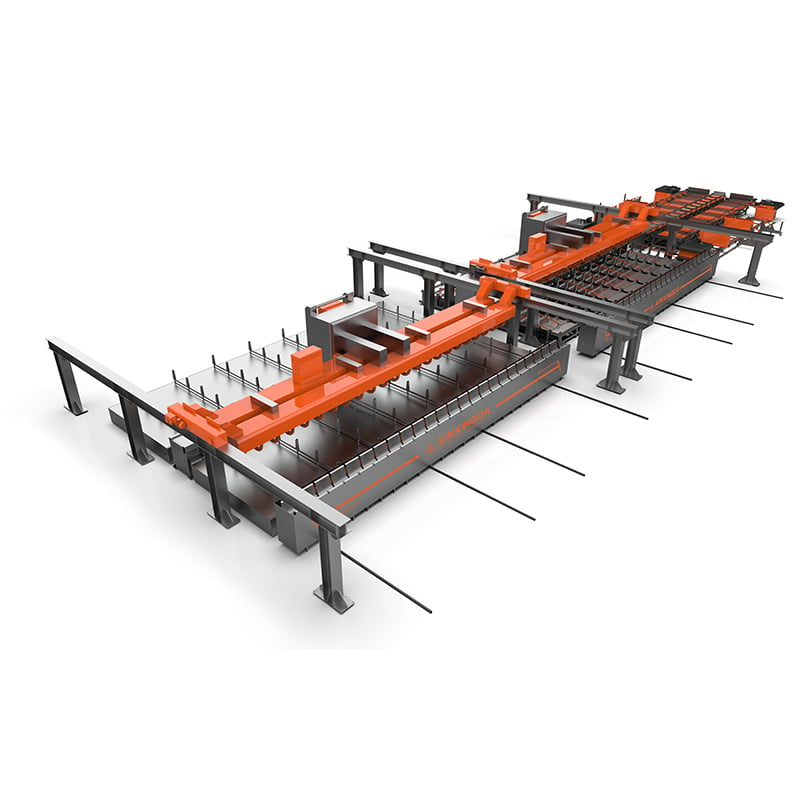
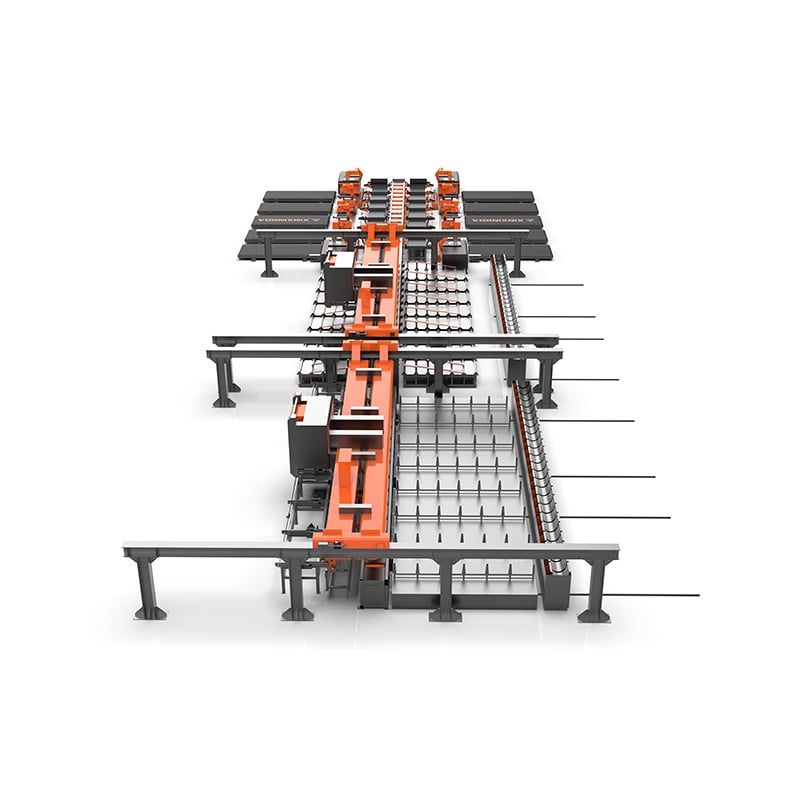
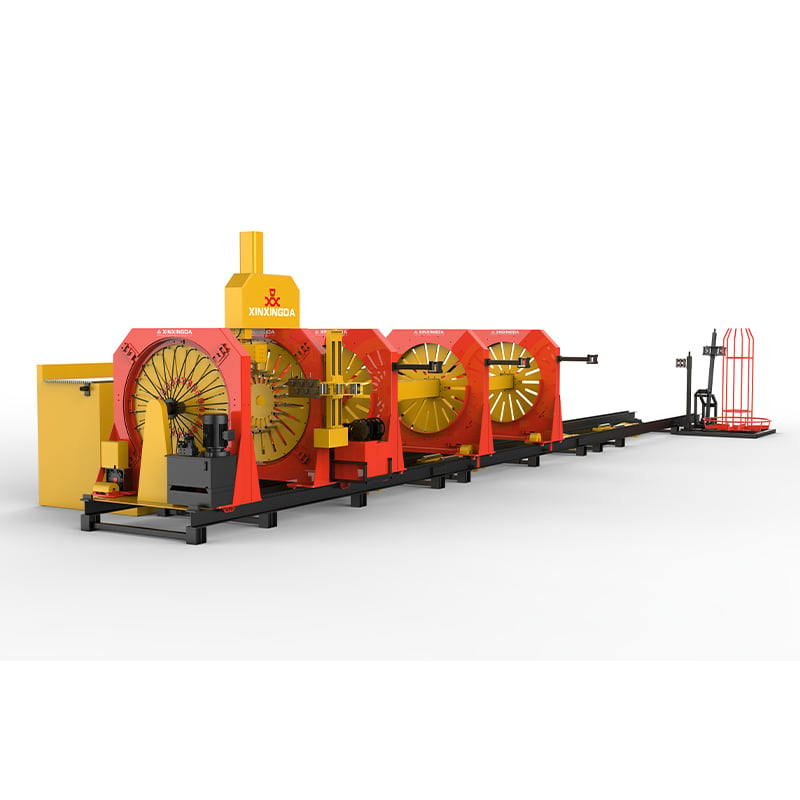
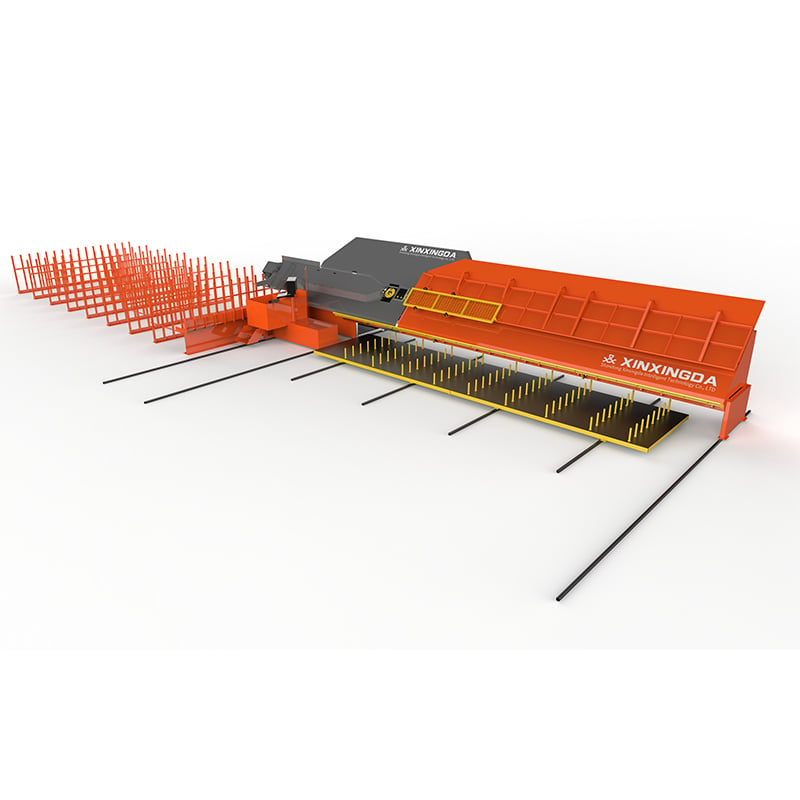
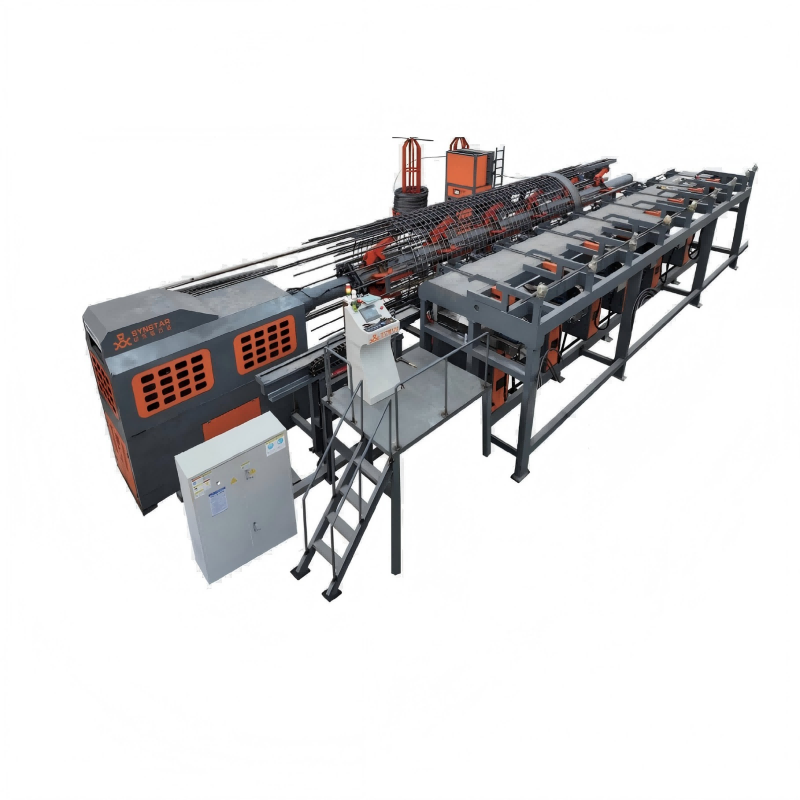
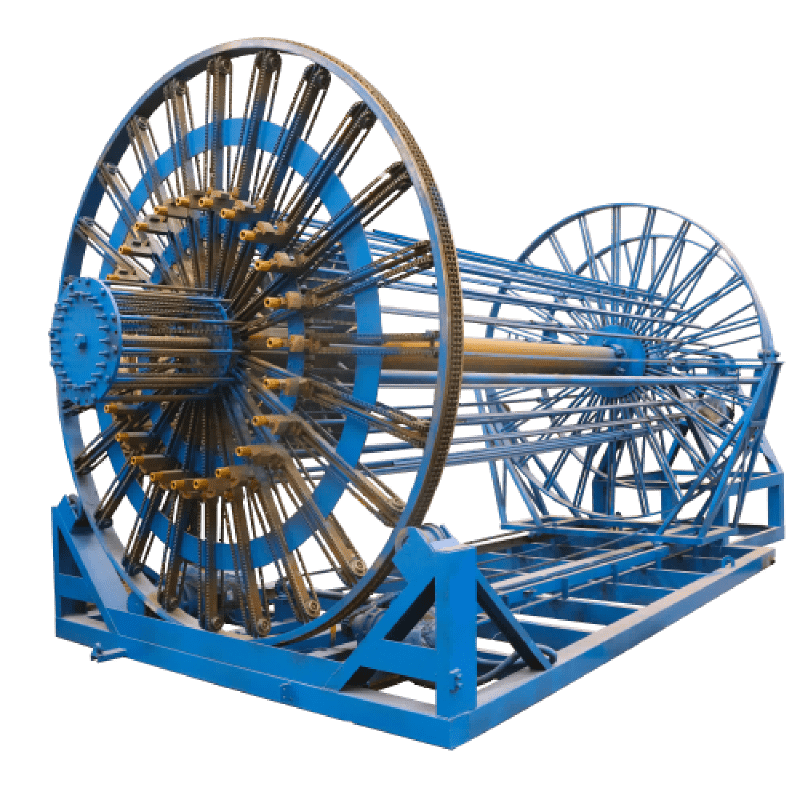
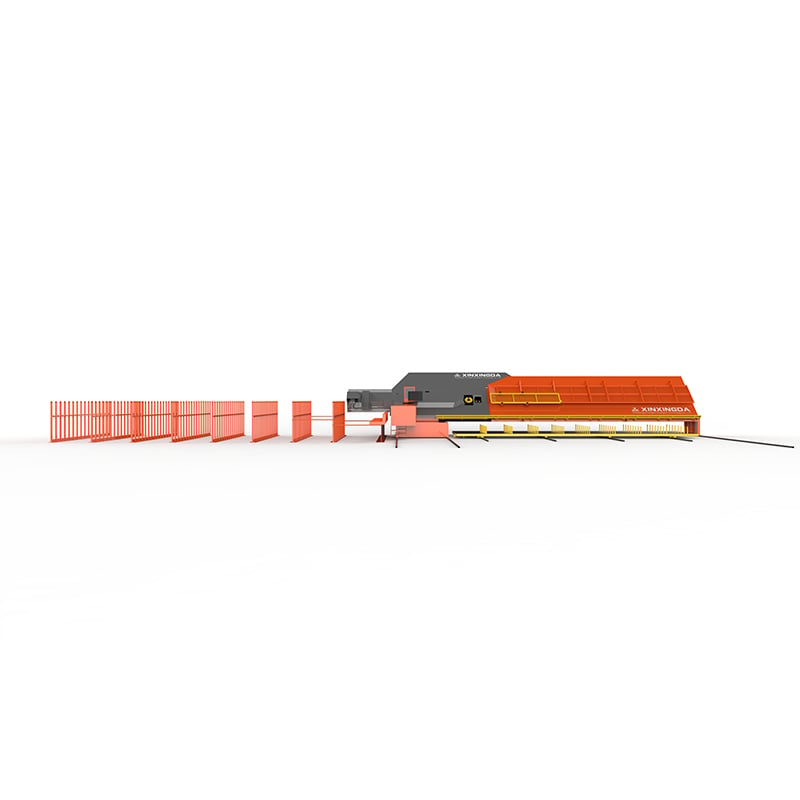
Horizontal Rebar Bending Center: A Powerful Tool for Modern Rebar Production and Processing. In today's rapidly developing industrialized construction and prefabricated housing era, the efficiency and precision of rebar processing directly impact construction progress and building structure. Traditional rebar bending relies on manual labor or simple machinery, resulting in high labor intensity, low efficiency, and poor precision. Therefore, the horizontal rebar bending center has emerged, becoming a core piece of equipment in large-scale engineering project rebar processing plants due to its advantages of automation, intelligent systems, and high performance.
I. What is a Horizontal Rebar Bending Center? A horizontal rebar bending center is a CNC machine specifically designed for the automated bending and processing of engineering rebar (especially strip rebar). Unlike traditional "column-type" bending machines, the horizontal bending center uses a horizontal structure. Through the coordinated operation of servo motor control, electronic control system, and robotic arms, it can automatically produce straight rebar with diameters from approximately 12mm to 40mm (or larger) into pre-shaped main bars, hooks, or irregularly shaped parts.
This is an important member of the "CNC rebar production equipment" family, often working in conjunction with rebar cutting and wire mesh production lines, rebar bending machines, and other facilities to form a complete rebar processing production line.
II. Key Structure and Composition of the Equipment A standardized horizontal rebar bending center mainly consists of the following key components:
Feeding System: Utilizing a servo motor-controlled positioning mechanism, and employing a precision gear or ball screw transmission system, it automatically feeds, inserts, and returns the rebar. This is crucial for ensuring the correct bending length.
Bending Machine: The "cardiovascular system" of the machine. It typically features two or three independently controlled bending heads (bending spindle bearings). The bending head can move vertically from the guide rail, achieving precise bending in both directions from 0° to 180° (and even higher angles) using the servo control system.
Support and Support Equipment: Because the rebar length can reach 12 meters, the equipment is equipped with several lifting support frames and steering support mechanisms to prevent bending deformation errors caused by the rebar's own weight during feeding.
Hydraulic Press and Electronic Control System: Equipped with a PLC control system and a touch screen workbench. Operators only need to input data such as rebar length, bending angle, and total number; the system software automatically performs the processing and has a self-diagnostic function.
Safety Guards: Important areas of the equipment are equipped with movable or fixed safety guards to ensure operator safety during processing and prevent injury from rebar swaying.
III. Principle: The horizontal bending center's workflow achieves a relatively high degree of automation:
Feeding: The entire bundle of straight rebar is lifted to the loading rack. The equipment automatically separates the rebars individually and feeds them into the feeding mechanism.
Pipe Distance and Feeding: The feeding mechanism clamps the rebar and accurately transmits it to the bending server position according to the set parameters.
Bending and Forming: The bending head performs rotational bending according to a preset angle (such as 90°, 135°, or a special angle required for the main rebar). For complex multi-bend tube shapes (such as "U" shapes or three-dimensional bends), the equipment uses the bending head to quickly move, clamp, and bend several times, completing the forming of the entire rebar in one operation. Finished Product Collection: After production and processing, the finished steel bars automatically fall into the collection trough or are neatly stacked by a robotic arm.
The entire process requires only one operator on a touchscreen display, significantly reducing human intervention.
IV. Core Competitive Advantages: Compared to traditional manual labor or simple machinery, the horizontal bending center has significant market advantages:
High Efficiency: Automated loading and unloading, continuous operation, and an average production speed 5-8 times faster than manual labor. A single machine can process hundreds of tons per day, meeting the centralized requirements of large and medium-sized construction sites.
High Precision: Utilizing a servo control system and grating ruler for precise positioning, bending length deviation can be controlled within ±1mm, with minimal angular deviation, ensuring the installation quality of the steel bar cage and conforming to strict building design specifications.
High Automation Technology: Applicable to direct insertion of CAD engineering drawings or download from a cloud server, with one-click start. The machine can automatically process steel bars of various specifications from Φ12 to Φ40, eliminating the need for frequent mold changes.
Labor Savings: Traditional production processes require 4-6 workers (feeding, transporting, bending, and stacking). With a horizontal bending center, only 1-2 people are generally needed for operation and maintenance, significantly reducing labor costs.
High Safety: The enclosed or semi-enclosed safety design prevents workers from being injured by the swaying or springing of the rebar during close contact. The equipment also has overpressure protection.
V. Application Areas: Horizontal rebar bending centers are widely used in industries with large rebar processing volumes and strict precision requirements:
Large and medium-sized bridge construction: such as the fabrication of beams, slabs, and bridge pile reinforcement cages for highways and railway tunnels.
Multi-story and high-rise buildings: bending and anchoring of main reinforcement bars for large-diameter beams such as frame tubes and shear walls.
Prefabricated housing component factories: standardized mass production of complex-shaped rebar in PC (precast concrete) components.
Water conservancy and power installation engineering: rebar processing in large concrete structures such as dams and hydropower plant buildings.
VI. Conclusion In recent years, with the construction industry's transformation from "construction" to "intelligent manufacturing," the automation upgrade of rebar processing equipment has become an inevitable trend. Rebar horizontal bending centers, due to their exceptional capacity, precise control, and stable characteristics, are gradually replacing traditional and relatively outdated processing methods.
For enterprises that prioritize efficiency, emphasize construction quality, and aim to reduce production costs, introducing a rebar horizontal bending center is not merely purchasing a piece of equipment, but a crucial step in establishing an intelligent and standardized rebar production and processing management system. It represents a solid step forward for the rebar processing field towards a modern and intelligent system.
 Hot News
2026-05-27
2026-05-18
2026-05-12
2026-05-08
2026-05-01
2026-04-27
Copyright © 2026 Shandong synstar Intelligent Technology Co., Ltd. All rights reserved. - Privacy Policy
 EN
EN