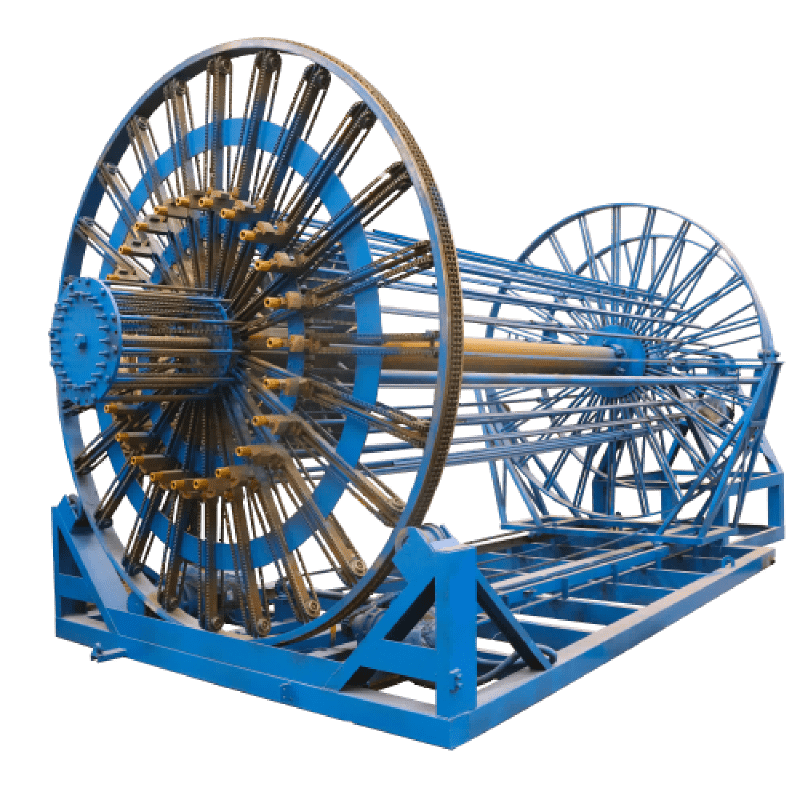
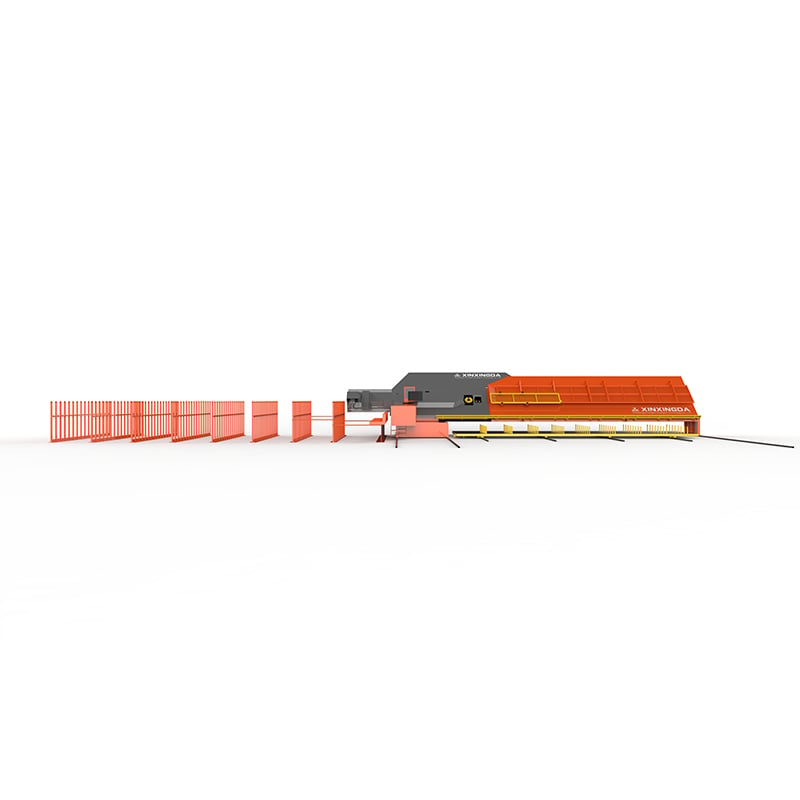
In the concrete jungle of the city, towering skyscrapers stand majestically, their imposing forms concealing thousands upon thousands of "skeletal" elements unseen by ordinary people—reinforcing steel bars. And the reinforcing steel stirrup is the most exquisite and resilient connector within this skeletal structure. It embraces scattered energy with a spiral embrace, imbuing the concrete with an unyielding soul.
Reinforcing steel stirrups, commonly known as stirrups, are the transverse reinforcing bars used to fix the longitudinal reinforcing bars in reinforced concrete systems, usually wound in a spiral or circular shape. Their existence is not accidental, but rather the perfect crystallization of mechanical principles and materials science. Concrete has high compressive strength but low tensile strength, while reinforcing steel is the opposite. The combination of the two should be flawless, but without the restraint of the stirrups, the longitudinal reinforcing bars are very susceptible to bending and instability under stress, and the concrete will expand laterally under stress, causing premature structural failure. Stirrups, like a patient binder, wrap around the "skeleton" of the building with each turn, providing a tight shield.
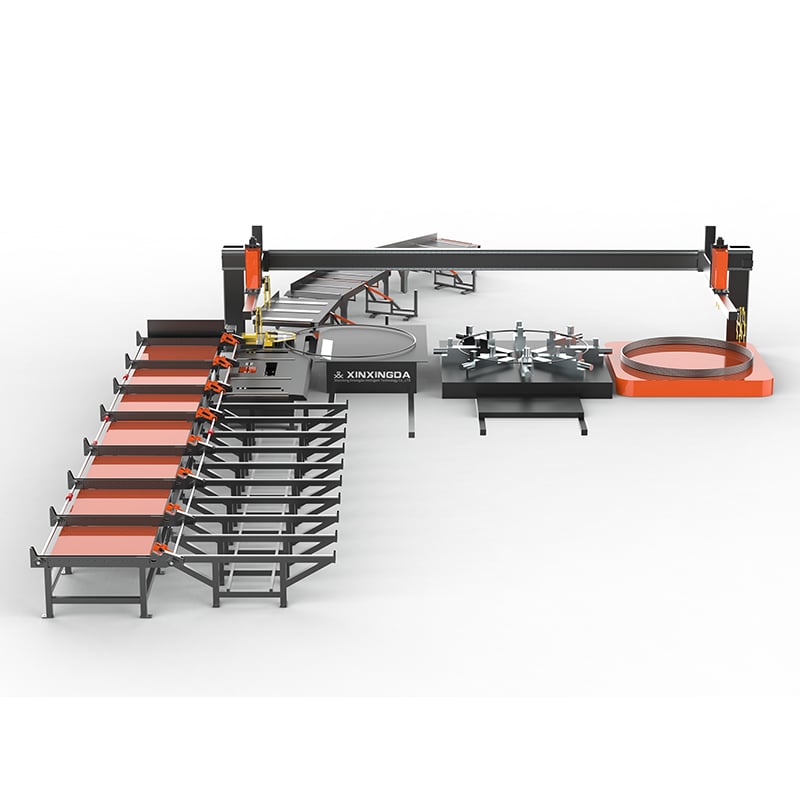
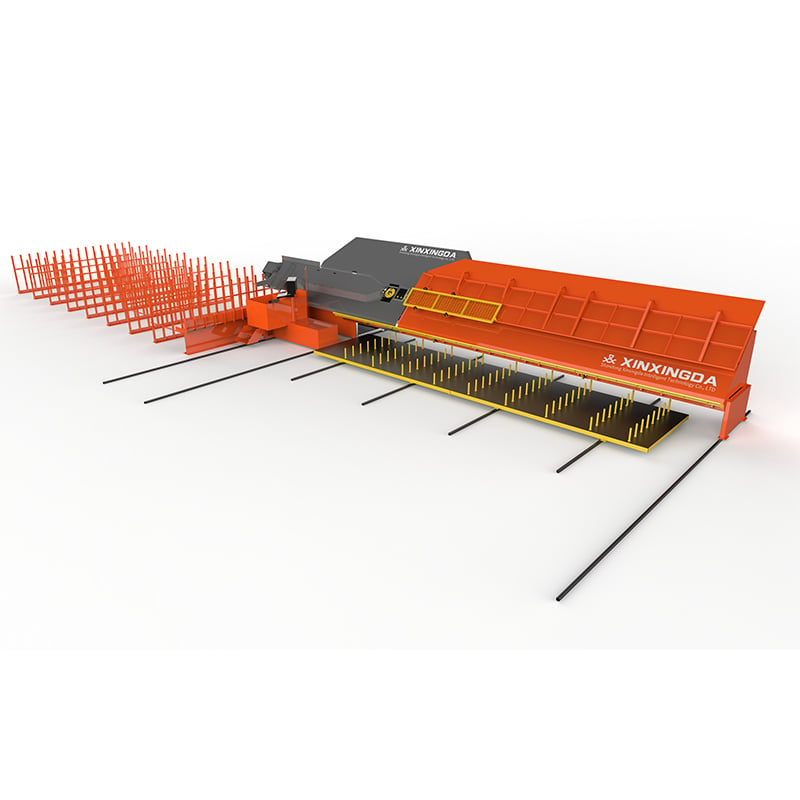
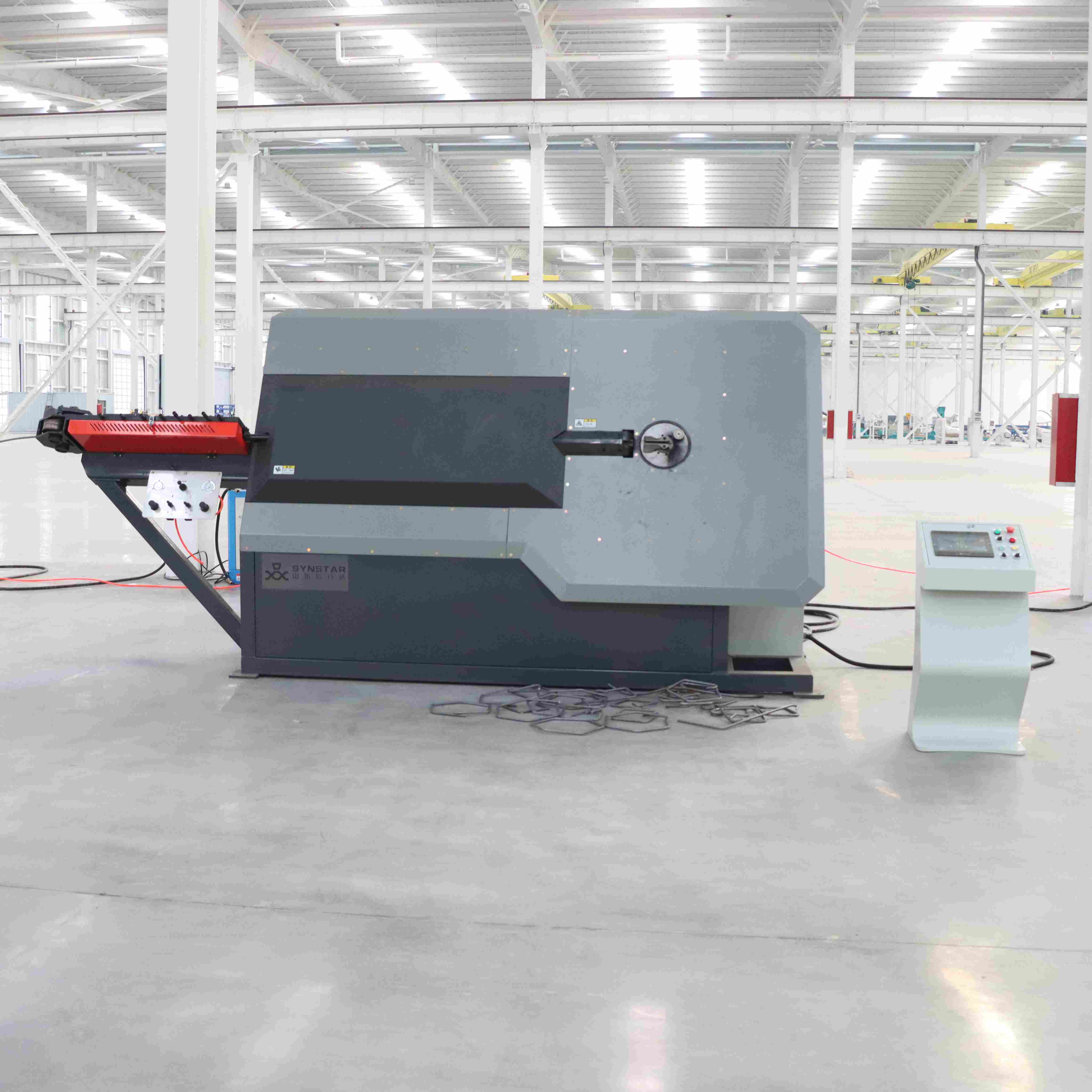
The fabrication of stirrups is a dance of strength and beauty. Automated machinery straightens and bends the coiled steel bars, precisely shaping them according to the designed thread and diameter. On the construction site, experienced workers fit them into the longitudinal reinforcing bar framework of columns and beams, carefully adjusting the position of each turn to ensure even spacing and secure binding. This process, while seemingly repetitive and mechanical, requires the focus of a craftsman—one turn too loose, and the restraint is insufficient; one turn too tight, and it may alter the stress distribution of the longitudinal reinforcing bars. Every detail is crucial to the future safety of the building.
In construction applications, the value of stirrups is even more prominent. In structural seismic design, they are densely arranged in the "plastic hinge zones" of the frame nodes, like providing the city with flexible joints, allowing buildings to dissipate energy and bend without breaking during earthquakes. In bridge pier structures and high-rise building frame columns, stirrups silently bear enormous shear stress, preventing brittle shear failure of the concrete. Though not as prominent as the main reinforcing bars, it plays a crucial role in determining the ultimate ductility of the structure in its own unique way.
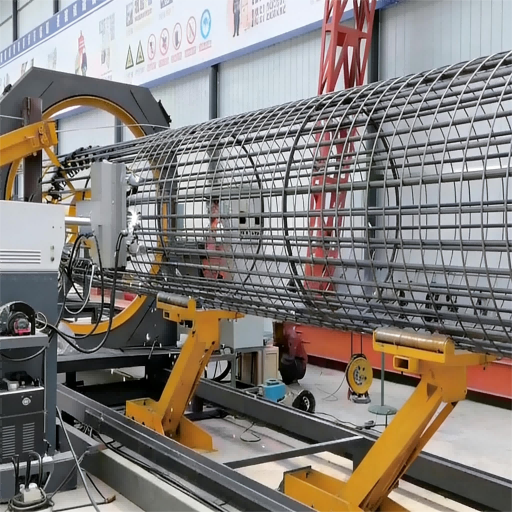
With the advancement of construction technology, steel reinforcement cages are also constantly evolving. The use of high-strength steel reinforcement allows for more precise winding and provides stronger restraint; the emergence of chopped fiber reinforced polymer (FRP) reinforcement effectively solves the major problem of steel corrosion, especially suitable for harsh natural environments such as underwater tunnels; and 3D printing technology is even beginning to explore the integrated molding of reinforcement grids, raising precision to a new level. This innovation makes the performance of this "unsung hero" increasingly impressive.
However, the value of steel reinforcement cages goes far beyond their performance parameters. It reminds us that truly remarkable support often comes from those unseen connections and constraints. We live in safe houses and travel on sturdy bridges, rarely thinking about the metal lines quietly winding in the depths of the concrete. They don't care about being seen or praised; they simply fulfill their mission with geometric precision and material integrity.
Next time you pass a construction site, perhaps you can pause for a moment and look at the steel reinforcement cages covered by concrete. These exquisite spirals are silently illustrating a profound truth: the greatest strength is sometimes contained in the winding of the softest parts. The steel reinforcement cage, this unsung hero in the skeleton of construction, uses its repetitive rotations to outline the safety foundation of our living spaces and the most moving curves in the aesthetics of engineering.
 Hot News
2026-05-27
2026-05-18
2026-05-12
2026-05-08
2026-05-01
2026-04-27
Copyright © 2026 Shandong synstar Intelligent Technology Co., Ltd. All rights reserved. - Privacy Policy
 EN
EN