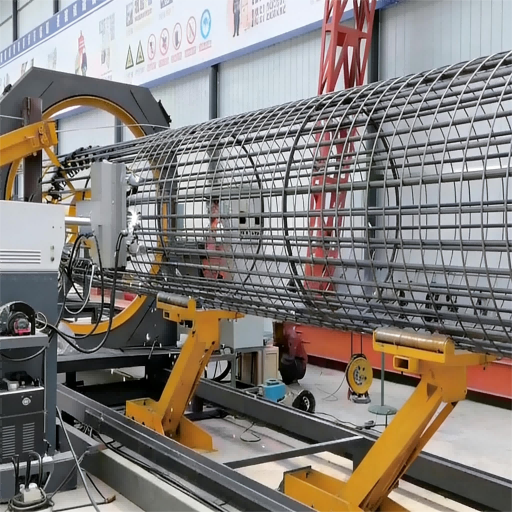
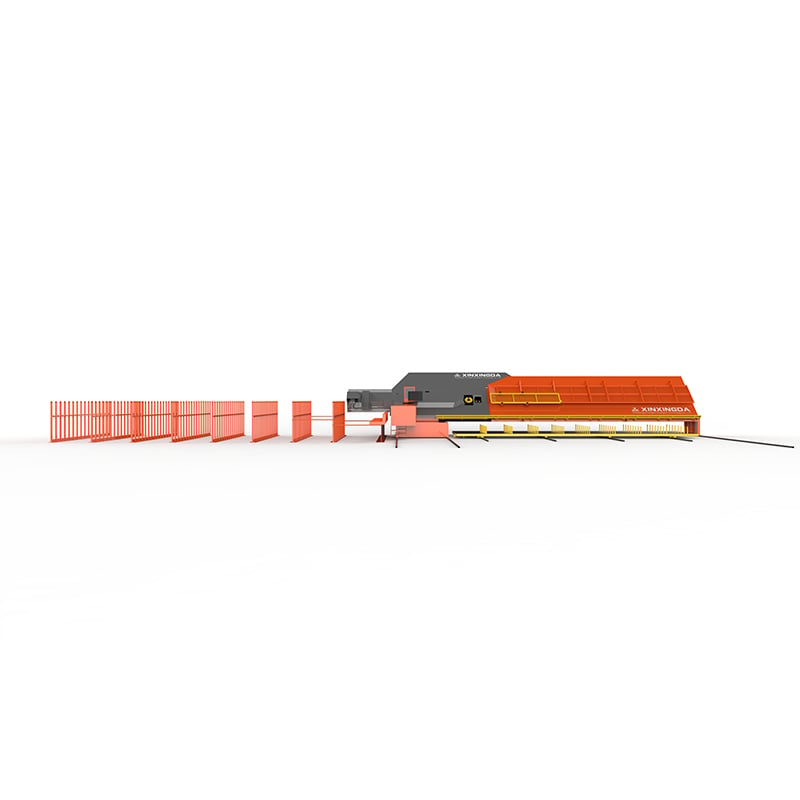
In the construction industry, rebar, as the "skeleton" of concrete structures, has its precise shaping directly related to the compressive strength, safety, and quality of buildings. Traditional rebar bending processes often rely on manual labor or single-function machinery, resulting in limitations such as low efficiency, inability to guarantee precision, and high labor costs. In recent years, integrated rebar bending and curving machines, combining both "circular bending" and "arc bending" functions, have emerged, profoundly changing the production mode of rebar processing with their superior performance, and gradually becoming one of the key pieces of equipment for the industrialization and intelligent transformation of the construction industry.
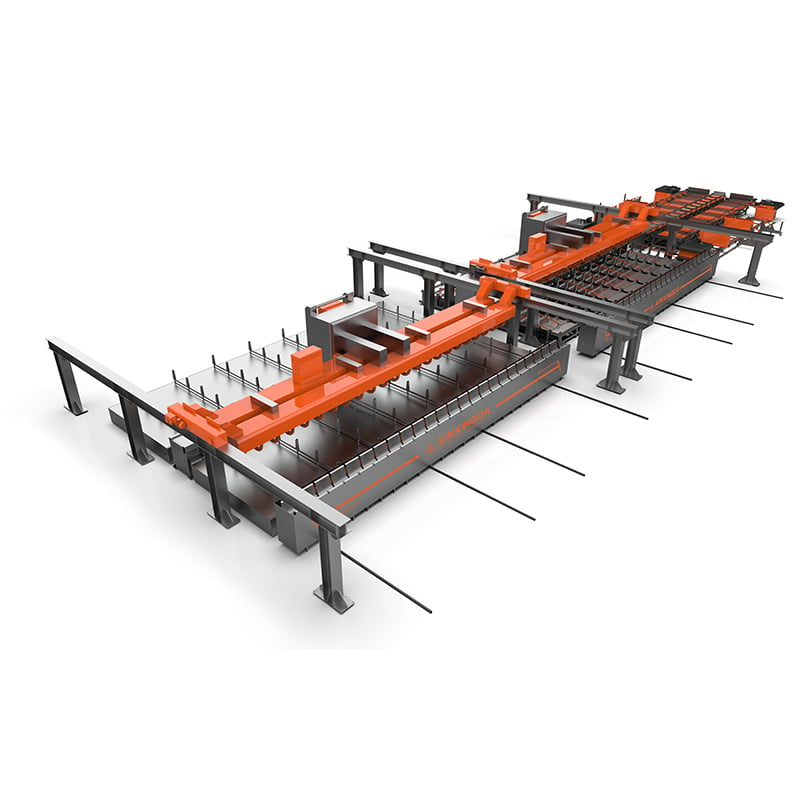
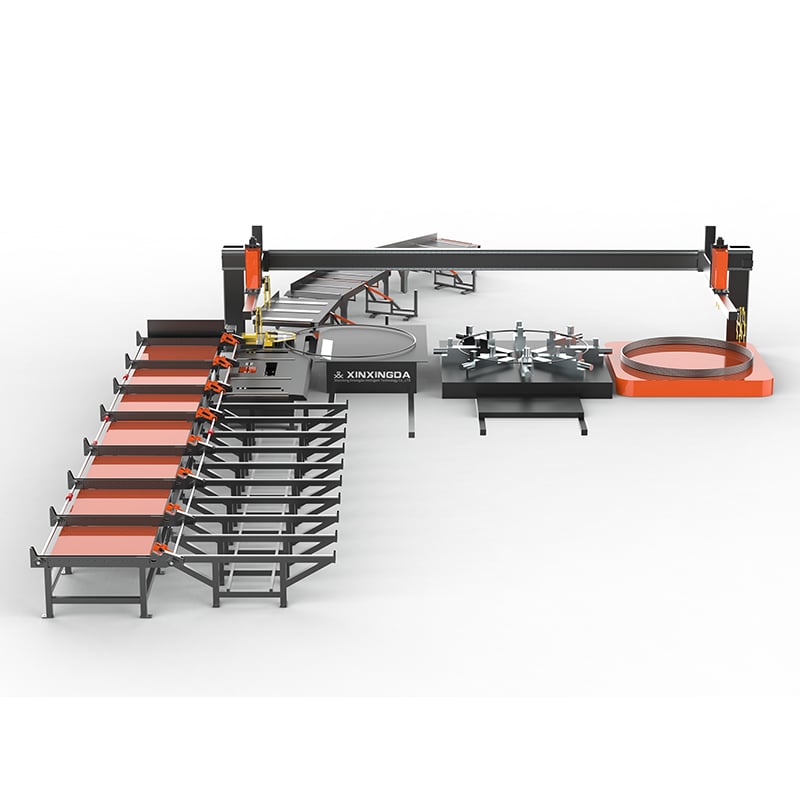
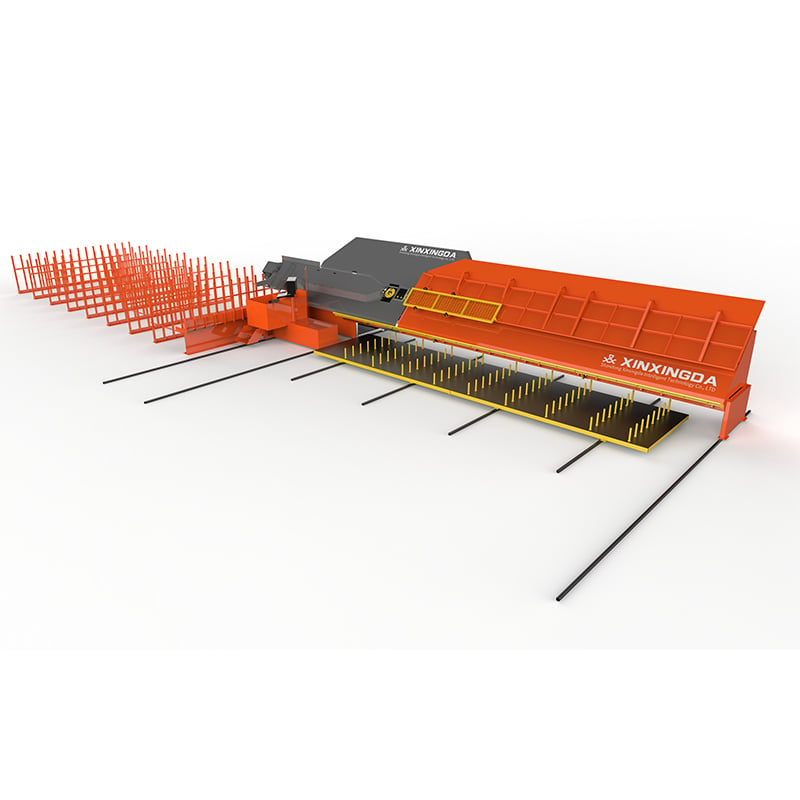
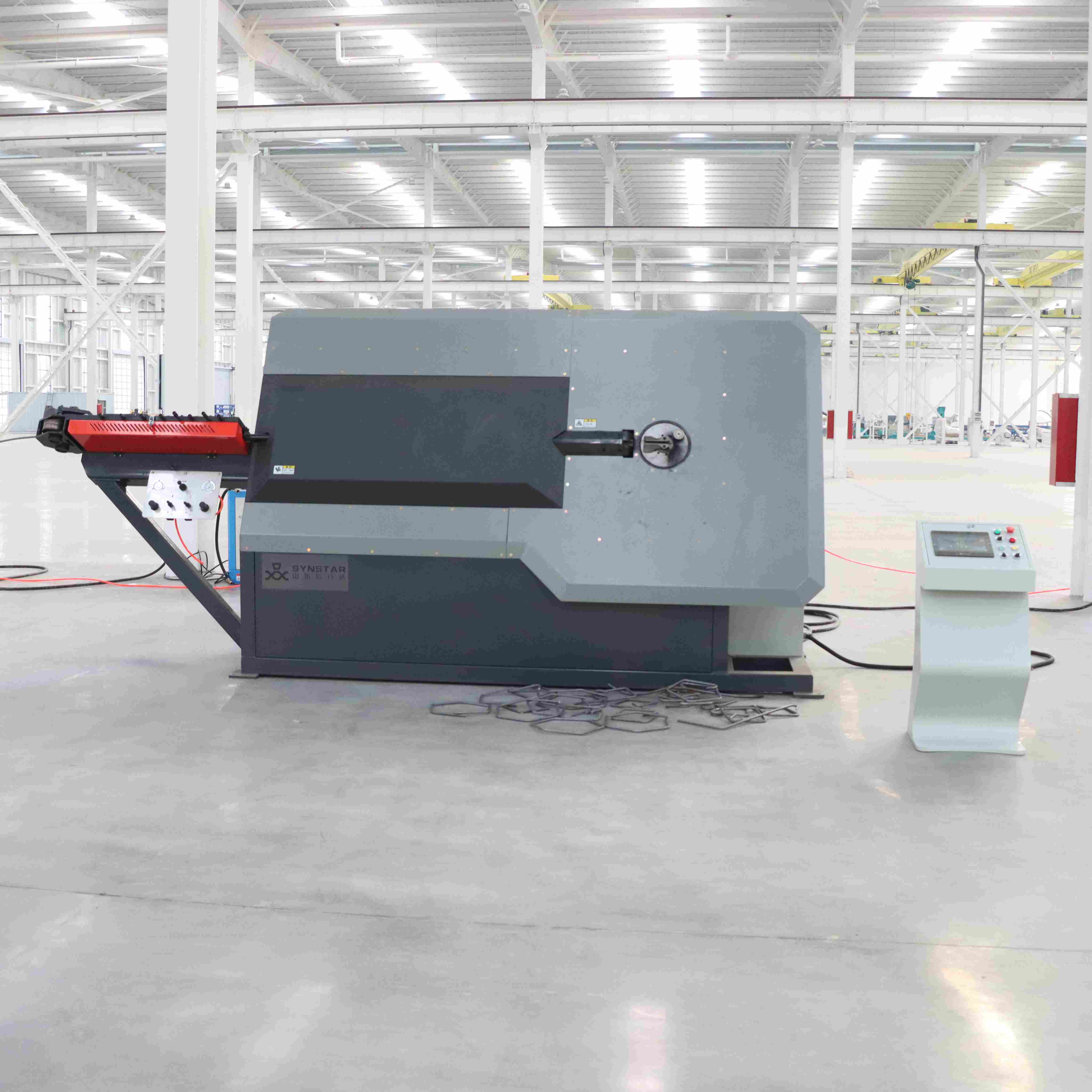
I. Equipment Overview: Multi-purpose integrated, efficient and convenient rebar bending and curving machine. Simply put, it is a CNC automated equipment that can accurately bend bar-shaped rebar into circular shapes of required diameters (such as main reinforcement and spiral reinforcement) and various angled arc shapes (such as curved beams and reinforcement for curved structural designs) on a single machine. It typically consists of a high-strength frame, CNC system, servo control system, multi-axis linkage bending head, feeding mechanism, hydraulic or electric actuators, and a precise measurement and feedback mechanism.
Its main advantages are "integrated functionality" and "computer control":
Integrated Functionality: It replaces the complex process of using two separate machines (circular bending machine and arc bending machine) with multiple mold changes and adjustments, successfully achieving one-time forming of complex integral curve components from straight rebar.
Intelligent CNC System: Based on preset programs, operators only need to input the target geometric parameters (such as circle diameter, arc radius, angle, chord length, etc.), and the equipment can automatically calculate and implement the optimal bending path, ensuring consistency and high precision of the finished product.
II. Key Technical Characteristics and Advantages: High Precision and High Consistency: Using AC servo motors and automatic control systems, the bending angle and torque control are precise, and the repeated positioning error is very small, completely eliminating the uncertainty of manual operation. This is especially suitable for projects with extremely high requirements for rebar geometric accuracy, such as bridges, large exhibition halls, and nuclear power plants. Exceptional Production Efficiency: Automated technology enables continuous operation, integrating feeding, bending, forming, and cutting (for some models), resulting in processing speeds far exceeding traditional manual and semi-automatic equipment. This significantly shortens the rebar preparation and processing cycle time, accelerating project progress.
Powerful Processing and Coordination Capabilities: It can handle rebar of different diameters (wide range) and materials. The program is easy to write and store, allowing for quick switching between various processing tasks, easily handling diverse and non-standard design requirements, making it particularly suitable for mass production of complex and irregularly shaped components.
Significantly Reduced Production Costs:
Reduced Labor Costs: High production efficiency reduces reliance on skilled technicians.
Reduced Waste: Precise cutting and forming minimize rebar waste.
Space Saving: One machine combines two functions, optimizing workshop layout.
Energy Saving: Compared to multiple old machines operating in parallel, energy management is improved.
Improved Construction Safety and Working Environment: It frees employees from complex and high-risk manual labor, avoiding risks such as rebar bouncing and mechanical pinching, and optimizes the working environment.
III. Wide Range of Applications: Rebar bending and curving integrated machines are widely used in:
Civil Engineering and Construction: Manufacturing various types of pile foundation rebar cages, column stirrups, beam stirrups (especially bent rebar), staircase spiral rebar, and contour rebar for irregularly shaped columns/walls, etc.
Bridge and Tunnel Engineering: Processing curved main beams for arch bridges, curved distribution rebar used in tunnel lining, and linear rebar for anti-collision columns, etc.
Municipal Engineering and Infrastructure Construction: Used in underground utility tunnels, water treatment facilities, large stadium roofs, and reinforced concrete structures with curved shapes.
Precast Component Factories: In the production of PC precast components (precast concrete components), it efficiently processes various embedded rebar frames, which is a crucial part of promoting industrialized construction.
IV. Industry Impact and Development Trends: The rise of rebar bending and curving integrated machines is a vivid reflection of the construction industry's transformation towards modernization, intelligence, and sustainability. It not only improves the efficiency of individual processes but also successfully achieves seamless integration of design data to finished products through integration with BIM (Building Information Modeling) technology and rebar processing management software, promoting collaborative optimization across the entire industry chain.
In the future, the rapid development of this equipment will exhibit the following trends:
Intelligent transformation: Integrating machine vision technology for online dimensional measurement, introducing AI algorithms to optimize bending process parameters, and achieving responsive processing and defect early warning.
Flexible production and modular design: Designing more versatile mechanical systems to meet a wider range of processing requirements; modularity facilitates function expansion and maintenance.
Green and energy-saving: Further optimizing the transmission system, saving energy and reducing consumption, and focusing on the environmental performance throughout the equipment's lifecycle.
Data sharing: Deeply integrating into smart construction site management and factory IoT platforms to achieve real-time monitoring, data analysis, and production management.
In conclusion, the rebar bending and curving integrated machine, with its groundbreaking integrated design and intelligent control system, transforms rebar processing from a traditional process relying on experience and manual labor into a precise, efficient, safe, and intelligent production process. It is not only a "powerful assistant" in the hands of construction workers but also a core equipment for improving construction project management, controlling costs, and ensuring safety. With continuous technological iteration and deepening applications, these two "rebar fashion designers" will undoubtedly play an even more irreplaceable role in building the skyline of modern cities, laying a solid foundation for constructing taller, more stable, and more imaginative architectural works.
 Hot News
2026-05-27
2026-05-18
2026-05-12
2026-05-08
2026-05-01
2026-04-27
Copyright © 2026 Shandong synstar Intelligent Technology Co., Ltd. All rights reserved. - Privacy Policy
 EN
EN