All Categories

Get a Free Quote

Our representative will contact you soon.
Email
Name
Company Name
Mobile / WhatsApp
Message
0/1000
cnc rebar bending machine-1

Home > 

cnc rebar bending machine

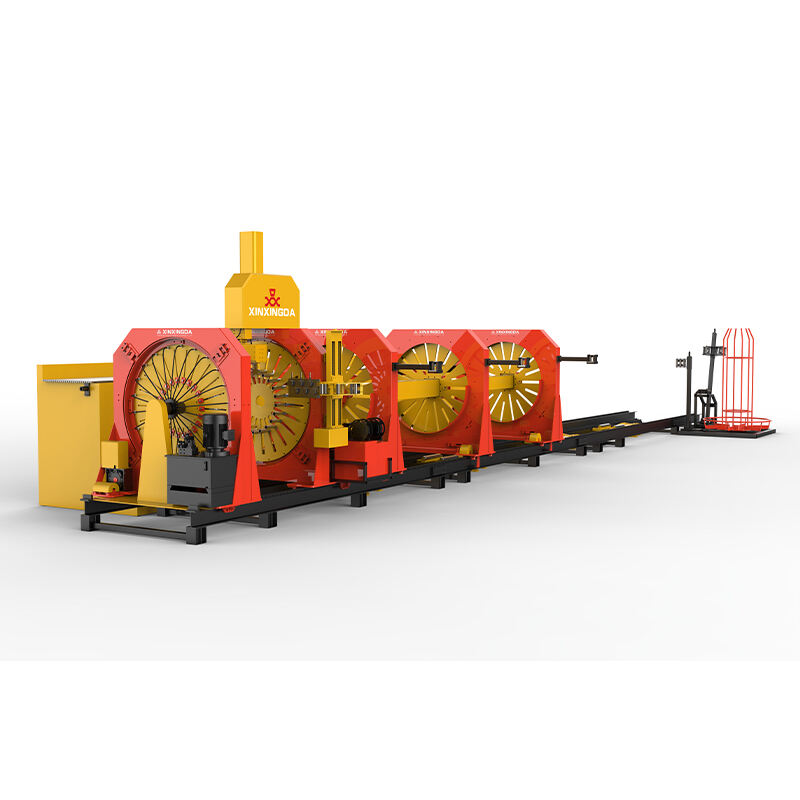
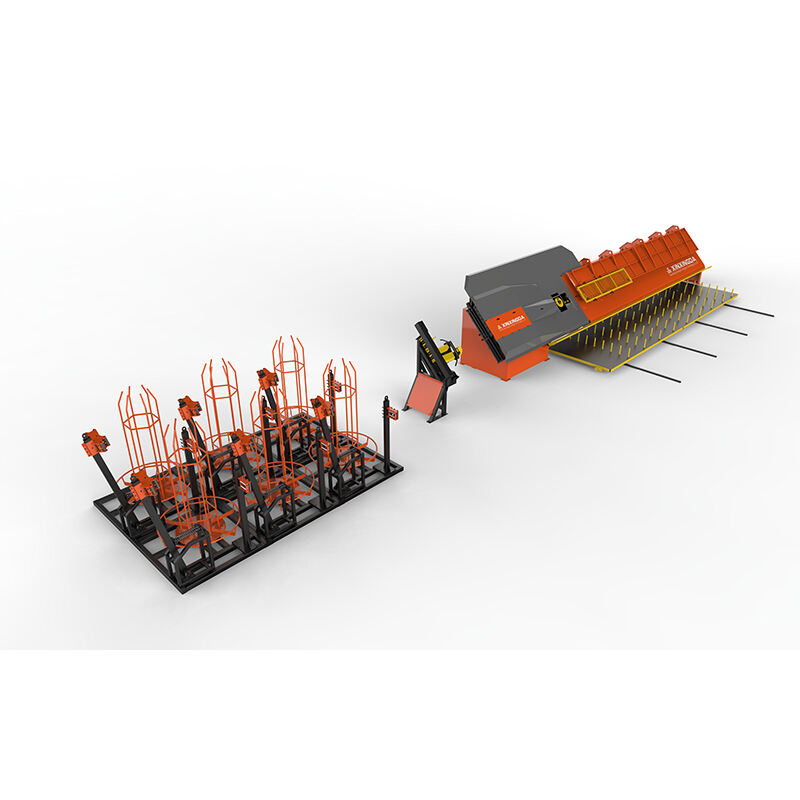
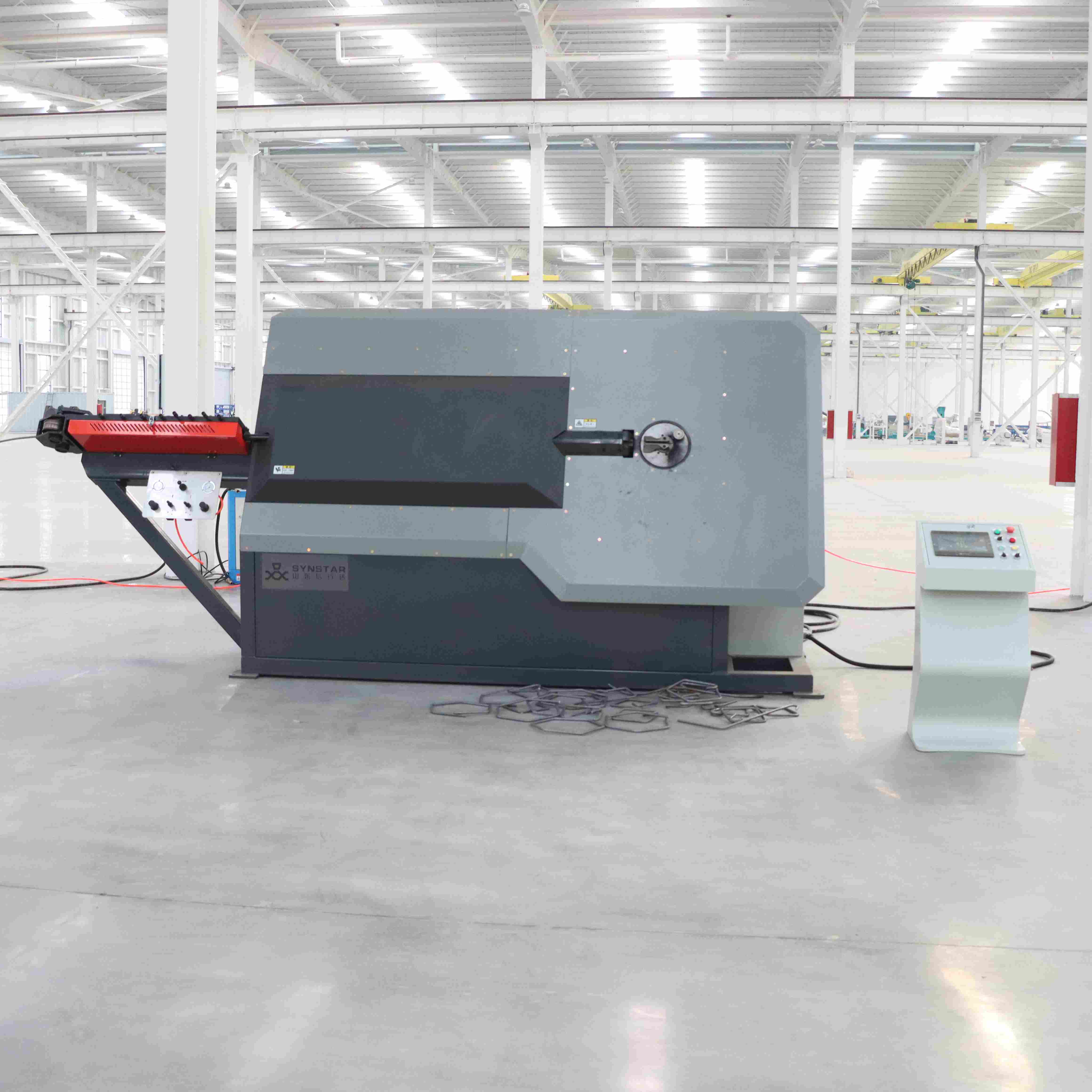
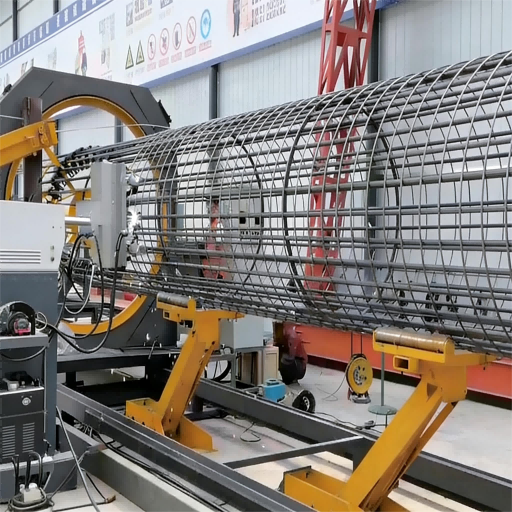
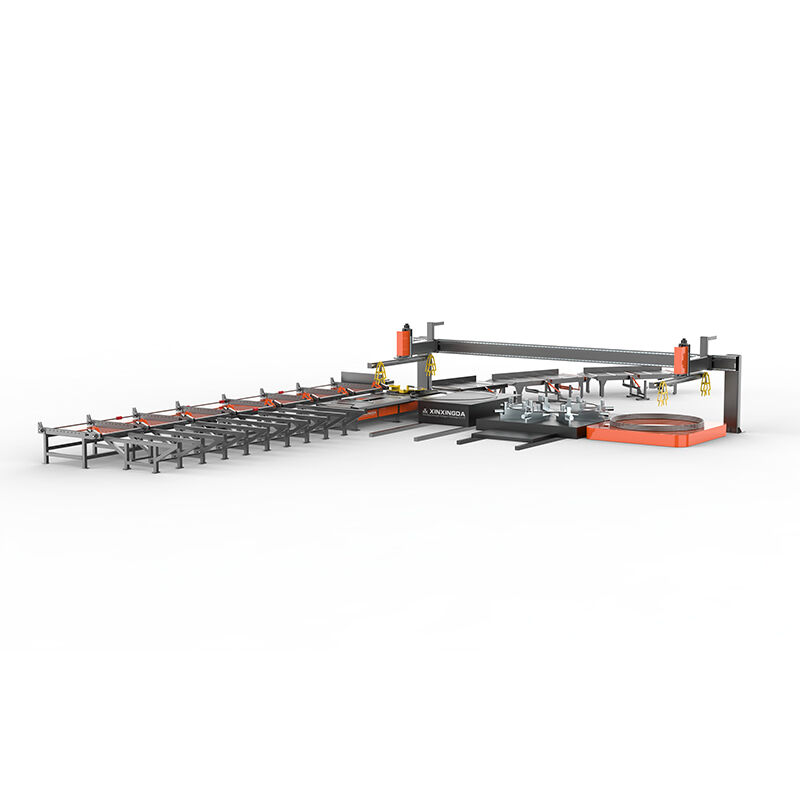
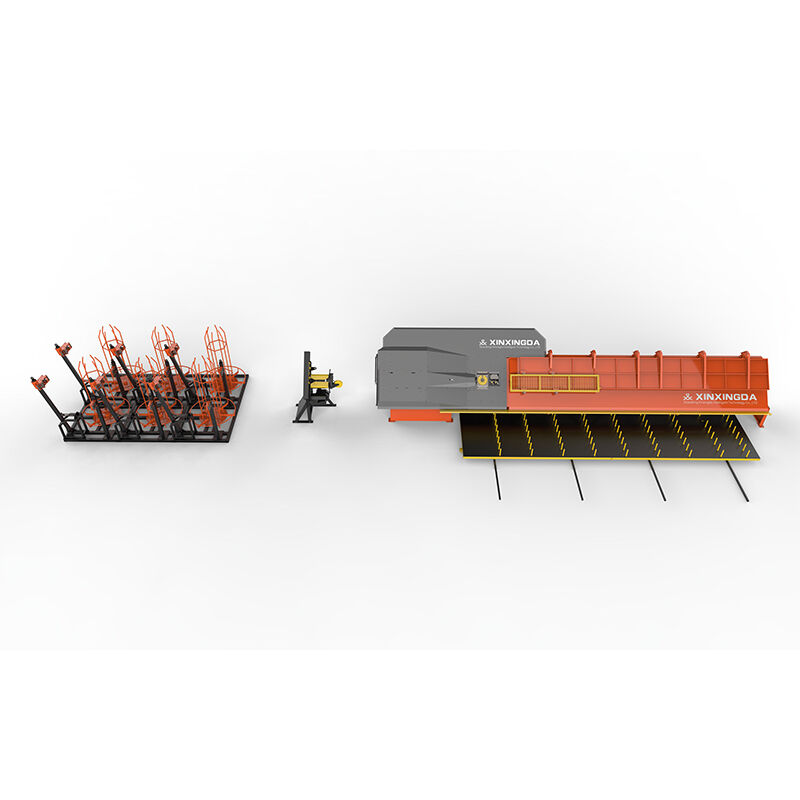
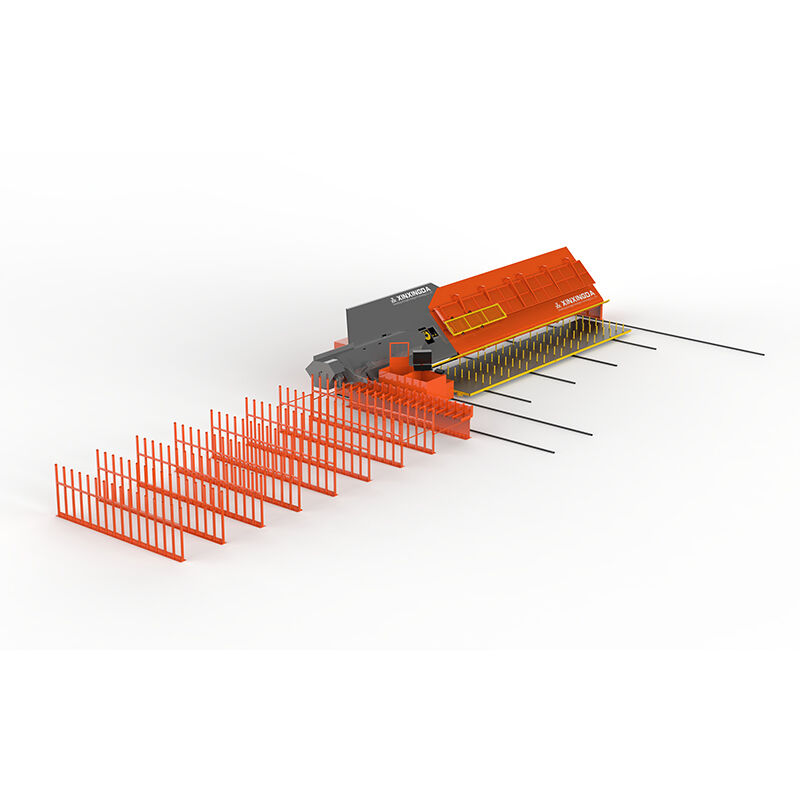
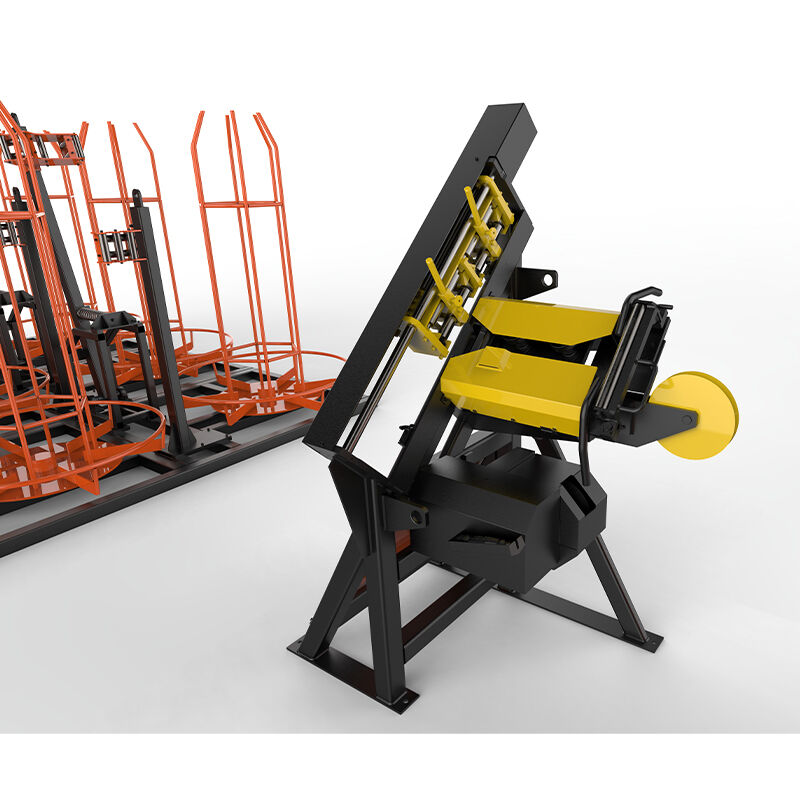
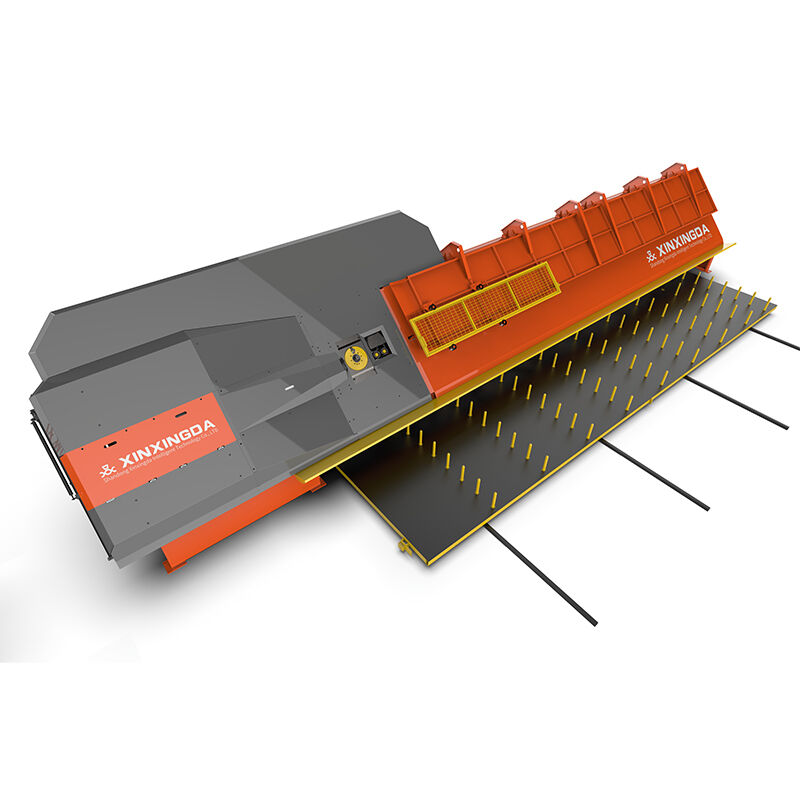
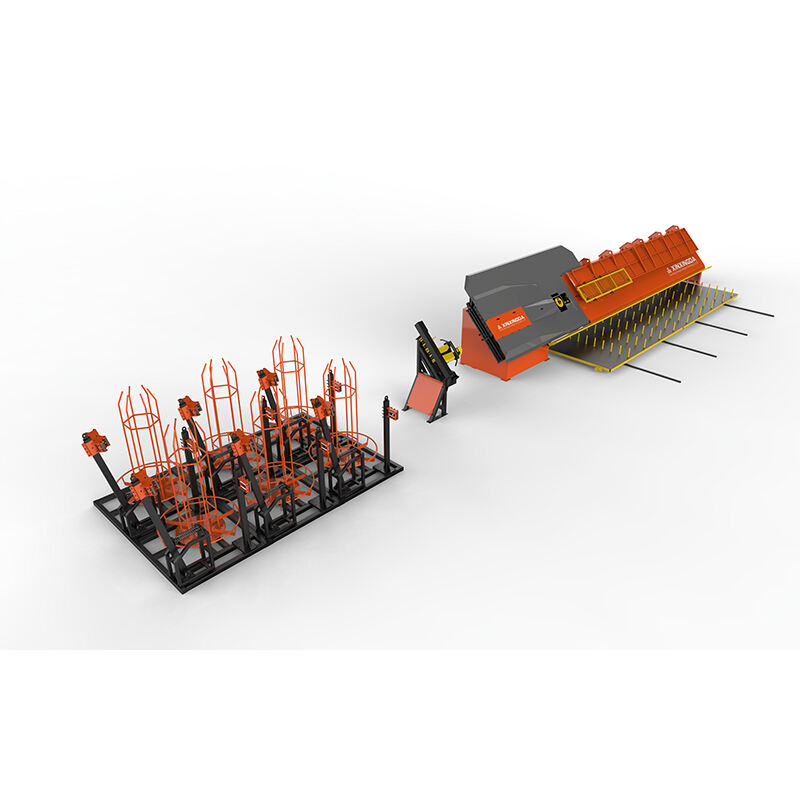
The CNC rebar bending machine represents a revolutionary advancement in construction equipment technology, designed to automate and streamline the process of bending steel reinforcement bars with exceptional precision and efficiency. This sophisticated machinery combines computer numerical control technology with robust mechanical engineering to deliver consistent, accurate bends in reinforcement bars of various diameters and specifications. The primary function of a CNC rebar bending machine centers on transforming straight steel bars into complex geometric shapes required for concrete reinforcement applications. These machines operate through programmable control systems that execute predetermined bending sequences with minimal human intervention. The technological architecture incorporates high-torque servo motors, precision positioning systems, and advanced hydraulic components that work in unison to achieve bend angles ranging from simple 90-degree corners to intricate multi-directional configurations. Modern CNC rebar bending machines feature touchscreen interfaces that allow operators to input detailed specifications, including bend angles, lengths, and sequential operations. The machines can process reinforcement bars ranging from 6mm to 50mm in diameter, accommodating various steel grades and compositions commonly used in construction projects. Advanced models incorporate automatic feeding mechanisms that continuously supply material to the bending station, significantly reducing manual handling requirements. The technological framework includes sophisticated sensors that monitor material positioning, bend accuracy, and operational parameters in real-time. This continuous monitoring ensures consistent quality output while preventing material waste and operational errors. Applications for CNC rebar bending machines span across diverse construction sectors, including residential buildings, commercial complexes, infrastructure projects, and specialized industrial facilities. These machines prove particularly valuable in projects requiring standardized reinforcement configurations, such as precast concrete manufacturing, bridge construction, and high-rise building development. The versatility of CNC rebar bending machines extends to custom fabrication work, where unique architectural designs demand precise reinforcement shapes that would be challenging to achieve through manual bending methods.


New Product Recommendations

CNC rebar bending machines deliver substantial operational advantages that transform traditional reinforcement processing workflows and enhance overall project outcomes. The primary benefit lies in dramatically improved precision, as these machines consistently achieve bend tolerances within ±1 degree accuracy, eliminating the variations inherent in manual bending processes. This precision translates directly into superior concrete structural integrity and reduced material waste, as precisely bent reinforcement bars fit perfectly into formwork without requiring field adjustments or corrections. Production efficiency represents another compelling advantage, with CNC rebar bending machines capable of processing hundreds of pieces per hour compared to dozens achievable through manual methods. This increased throughput allows construction teams to meet tight project deadlines while maintaining consistent quality standards throughout the fabrication process. Labor cost reduction emerges as a significant economic benefit, as a single operator can manage multiple CNC rebar bending machines simultaneously, compared to traditional methods requiring multiple skilled workers for equivalent output. The automated nature of these machines also reduces physical strain on workers, minimizing workplace injuries and associated compensation costs. Quality consistency stands out as a crucial advantage, particularly for large-scale projects where thousands of identical pieces require fabrication. CNC rebar bending machines eliminate human error factors such as fatigue, measurement mistakes, and skill variations between different operators. Material optimization provides additional cost savings through precise cutting calculations and minimal waste generation. The machines calculate exact material requirements for each piece, reducing over-ordering and disposal costs associated with incorrect measurements. Flexibility in production scheduling allows contractors to respond quickly to changing project demands, as machines can switch between different bending programs without significant setup time. Documentation capabilities built into modern CNC rebar bending machines provide detailed production reports, quality control data, and material usage statistics that support project management and quality assurance requirements. The integration potential with other construction technologies, including BIM software and automated cutting systems, creates comprehensive fabrication workflows that further enhance productivity and accuracy. Long-term operational reliability reduces maintenance costs and equipment downtime, ensuring consistent production capacity throughout extended project durations. These combined advantages position CNC rebar bending machines as essential investments for construction companies seeking to improve operational efficiency, reduce costs, and maintain competitive advantages in increasingly demanding market conditions.

Tips And Tricks

How Can Circle and Arc Bending Machine Improve Project Efficiency

05

Dec

How Can Circle and Arc Bending Machine Improve Project Efficiency

Construction and manufacturing industries constantly seek innovative solutions to enhance productivity while maintaining precision and quality standards. The circle and arc bending machine represents a transformative advancement in metal fabrication ...
View More
What Advantages Does a CNC Steel Bar Shearing Production Line Provide

05

Dec

What Advantages Does a CNC Steel Bar Shearing Production Line Provide

Modern manufacturing demands precision, efficiency, and reliability in every production process. The steel fabrication industry has witnessed remarkable transformation through advanced automation technologies, with CNC steel bar shearing production l...
View More
How to Improve Shearing Accuracy with CNC Steel Bar Lines

04

Jan

How to Improve Shearing Accuracy with CNC Steel Bar Lines

Manufacturing precision in steel processing has become increasingly critical as industries demand higher quality standards and tighter tolerances. CNC steel bar lines represent a significant advancement in automated steel processing technology, offer...
View More
Which Features Define a Reliable CNC Steel Bar Bending Machine

30

Mar

Which Features Define a Reliable CNC Steel Bar Bending Machine

Selecting the right CNC steel bar bending machine requires careful evaluation of specific features that determine operational reliability, production efficiency, and long-term performance. Modern construction and manufacturing projects demand equipme...
View More

Get a Free Quote

Our representative will contact you soon.
Email
Name
Company Name
Mobile / WhatsApp
Message
0/1000

cnc rebar bending machine

Advanced Programmable Control System

Advanced Programmable Control System

The sophisticated programmable control system represents the technological heart of every CNC rebar bending machine, offering unprecedented flexibility and precision in reinforcement bar fabrication processes. This advanced system utilizes cutting-edge computer numerical control technology that allows operators to create, store, and execute complex bending programs with remarkable accuracy and repeatability. The intuitive touchscreen interface simplifies program creation, enabling users to input detailed specifications including bend angles, segment lengths, and multi-step sequences through user-friendly graphical displays. The control system can store hundreds of different bending programs, allowing instant recall of frequently used configurations without requiring manual reprogramming. This capability proves invaluable for construction projects involving repetitive elements such as column ties, beam stirrups, and foundation reinforcement where identical shapes appear throughout the structure. The system incorporates intelligent error detection algorithms that continuously monitor operational parameters and alert operators to potential issues before they affect production quality. Real-time feedback mechanisms display actual versus programmed bend angles, allowing immediate corrections and ensuring consistent output quality. The programmable nature extends beyond basic bending operations to include automatic material feeding, positioning, and ejection sequences that minimize manual intervention and maximize production efficiency. Advanced models feature network connectivity capabilities that enable remote monitoring and program updates, supporting modern construction management workflows and quality control systems. The control system maintains detailed production logs that record every operation, including material usage, cycle times, and quality metrics, providing valuable data for project tracking and process optimization. Integration capabilities with CAD software and Building Information Modeling systems allow direct import of reinforcement designs, eliminating manual program entry and reducing the potential for transcription errors. This seamless workflow integration supports modern digital construction methodologies where design changes can be immediately reflected in production programs. The adaptive learning features built into advanced control systems analyze production patterns and optimize operational parameters to improve efficiency and reduce wear on mechanical components.
High-Precision Bending Accuracy

High-Precision Bending Accuracy

The exceptional bending accuracy achieved by CNC rebar bending machines represents a fundamental advancement that addresses critical quality requirements in modern construction projects. These machines consistently deliver bend tolerances within ±1 degree accuracy across all operational parameters, surpassing the capabilities of traditional manual bending methods by significant margins. This precision stems from sophisticated mechanical engineering that incorporates high-resolution positioning sensors, precision-ground bending pins, and robust structural frameworks designed to eliminate deflection under operational loads. The accuracy advantage becomes particularly evident in complex reinforcement configurations where multiple bends must align precisely for proper concrete placement and structural performance. Traditional manual bending often results in cumulative errors that can render reinforcement bars unusable, leading to material waste and project delays. CNC rebar bending machines eliminate these issues through consistent mechanical positioning and computer-controlled movement sequences that repeat identically for every piece produced. The precision extends beyond simple angle accuracy to include consistent bend radii, which prove critical for maintaining steel integrity and preventing stress concentrations that could compromise structural performance. Advanced machines incorporate automatic calibration systems that continuously monitor and adjust operational parameters to maintain accuracy throughout extended production runs. Temperature compensation features account for thermal expansion effects in both the machine structure and processed materials, ensuring consistent results across varying environmental conditions. The high precision capability enables construction teams to pre-fabricate reinforcement components with confidence that field assembly will proceed smoothly without requiring adjustments or modifications. This predictability supports lean construction methodologies where just-in-time delivery and precise material coordination reduce inventory costs and site congestion. Quality control benefits extend throughout the construction process, as precisely bent reinforcement bars facilitate accurate concrete placement, improve structural integrity, and reduce the risk of construction defects that could require costly remediation. The consistency achieved through high-precision bending also supports modular construction approaches where standardized components must maintain exact specifications for proper assembly. Documentation of actual versus specified dimensions provides objective quality verification that supports regulatory compliance and project acceptance criteria.
Versatile Multi-Diameter Capability

Versatile Multi-Diameter Capability

The versatile multi-diameter processing capability of modern CNC rebar bending machines provides construction professionals with unprecedented flexibility to handle diverse reinforcement requirements within a single equipment investment. These machines accommodate reinforcement bars ranging from 6mm to 50mm in diameter, covering the complete spectrum of sizes commonly used in construction applications from residential projects to major infrastructure developments. This comprehensive range eliminates the need for multiple specialized bending tools and reduces equipment costs while maximizing operational efficiency. The multi-diameter capability extends beyond simple size accommodation to include processing of different steel grades and compositions, including high-strength alloys and specialized reinforcement materials used in demanding structural applications. Quick-change tooling systems allow operators to switch between different diameter requirements within minutes, supporting production workflows where multiple bar sizes appear within individual project phases. The flexibility proves particularly valuable for fabrication shops serving diverse market segments, as a single CNC rebar bending machine can handle requirements from small residential contractors to major infrastructure developers. Advanced models feature automatic tool recognition systems that identify installed tooling configurations and adjust operational parameters accordingly, preventing setup errors and ensuring optimal performance across all diameter ranges. The processing versatility includes capability for handling composite reinforcement materials and specialized bars with surface treatments or coatings that require modified bending parameters. Material handling systems adapt automatically to different bar weights and lengths, maintaining consistent feeding rates and positioning accuracy regardless of reinforcement specifications. This adaptability supports modern construction trends toward mixed-material approaches where different reinforcement types appear within single structural elements. The multi-diameter capability also enables innovative fabrication approaches such as progressive sizing where reinforcement bars of varying diameters are bent in coordinated sequences to create complex structural assemblies. Quality control systems maintain consistent accuracy standards across all diameter ranges, ensuring that smaller bars receive the same precision treatment as larger structural elements. The economic benefits of multi-diameter capability extend throughout project lifecycles, as contractors can consolidate equipment investments while maintaining flexibility to pursue diverse project opportunities without additional capital expenditures for specialized bending equipment.

Get a Free Quote

Our representative will contact you soon.
Email
Name
Company Name
Mobile / WhatsApp
Message
0/1000